
3300 4Th Avenue, Conway, SC 29527
For more information about senior living options: (866) 208-4318
Overall Review of Conway Manor
Pros
 Residents enjoy a stocked library and a comfortable room to read and relax.
- The staff are phenomenal, especially the physical therapist who motivates progress just right for therapy to work.
- The beauty shop services are a great plus to the facility.
- The staff get to know residents and consistently call with any issues.
- The Conway Manor staff are amazing, with a friendly receptionist and compassionate nurses and social workers who provide reassuring, high-quality care.
- The facility offers crafts, singing, and community activities that engage residents.
- Families express gratitude for the rehab care and describe the staff as miracle workers.
Cons
 The staff paid little to no attention to her needs.
- She did not receive any of the medications prescribed by her doctor.
- The bed had no rails and she could not get up to use the bathroom.
- There were no chucks for the bed or any wipes.
- The rehab center would not take action, and his condition deteriorated to the point where they had to call 911.
- The care was the worst, with long delays in responding to calls and incompetent staff.
- No one contacted the family about the covid-19 infection.
- The place reeked of urine.
- The physical therapy assistant rolled her eyes at him.
Review
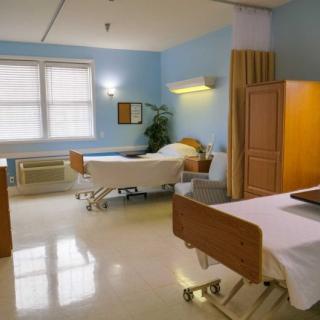
Conway Manor is best suited for families seeking a rehab-focused stay near home, where the emphasis is on aggressive physical and occupational therapy and where steady family oversight can help offset uneven frontline care. Several residents and families highlight therapy programs that push progress and staff who are patient and encouraging in the rehab process. The community also offers private rooms, a stocked library, a beauty shop, and an active schedule of crafts, singing, and church groups, amenities that support engagement and a smoother recovery. When there is a clear rehab objective and reliable family or caregiver involvement to monitor progress and logistics, Conway Manor can deliver meaningful, measurable gains.
However, this is not the right fit for every situation. Multiple reviews flag medication lapses, slow call responses, and a perception of understaffing on certain shifts. Safety concerns recur, bedrails missing, bedsores developing, and delays in transferring to higher levels of care after a fall or medical issue. For residents who require consistently meticulous medical management, rapid responsiveness, and rigorous risk controls, alternatives with stronger nursing ratios and more uniform daily oversight are worth considering. In short, reliable daily medical care should be nonnegotiable, and when that standard is uncertain, other options deserve serious consideration.
The strongest positives center on rehab-driven care and the capacity of certain staff members to deliver meaningful progress. Where therapists and nurses are engaged, residents report clear improvements in mobility and independence, with regular updates and reassurance for families. The on-site offerings, private rooms, a beauty shop, library access, and organized activities, enhance quality of life during recovery and contribute to a sense of normalcy and dignity. For residents who can participate actively in therapy and for families prepared to stay involved, these elements translate into tangible benefits that can shorten length of stay and support a successful transition to an assisted living setting or back home.
Yet the downsides are as consequential as the upsides. Inconsistent staffing across shifts, delays in call responses, and periodic lapses in basic care undermine confidence in safety and reliability. Reports of falls without prompt evaluation, wound care delays, and questions about timely physician or wound-team involvement paint a portrait of variability rather than a uniform standard of care. One reviewer noted a negative, upsetting incident around communication and care that underscores the potential for emotionally and physically stressful moments. For residents with high fall risk, complex wound needs, or dementia, these gaps tend to matter more and can derail even strong rehab momentum.
Decision-makers should approach placement with concrete, practical checks. Before moving in, verify the intensity and frequency of physical and occupational therapy, confirm the availability and expertise of wound care, and seek a direct conversation with leadership about care protocols and escalation pathways. Inquire about nurse-to-patient ratios, nighttime coverage, and how quickly call bells are answered. Request recent safety data, such as fall rates and any ongoing quality improvement plans, and tour the facility with attention to cleanliness, room readiness, and the demeanor of staff with residents who have cognitive or communication challenges. Direct conversations with current residents or families can reveal how issues are addressed in real time and whether concerns have been resolved satisfactorily.
Bottom line: Conway Manor can be a solid choice for a rehab-focused stay near home when family involvement is strong and therapy needs drive the decision. It offers a credible pathway to regained independence for motivated residents and visible amenities that support daily living. Yet the facility requires cautious consideration for anyone prioritizing consistent basic care, rapid response to needs, and uniform medical oversight. For families facing significant concerns about safety, consistency, or long-term memory-care needs, exploring alternatives with more stable staffing and a proven record of reliable day-to-day care is prudent. The right match hinges on balancing the rehab trajectory and the level of family oversight with the facility’s day-to-day variability.
 190 resident community capacity
 Skilled Nursing Facility
 Air-conditioning
 Beauty salon
 Cable or satellite TV
 Computer center
 Dining room
 Fitness room
 Fully furnished
 Gaming room
 Garden
 Housekeeping services
 Kitchenette
 Move-in coordination
 Outdoor space
 Private bathrooms
 Restaurant-style dining
 Small library
 Telephone
 Wellness center
 Wi-Fi/high-speed internet available
 Myrtle Beach International (13 miles away)
 Community operated transportation
 12-16 hour nursing
 24-hour call system
 Activities of daily living assistance
 Assistance with bathing
 Assistance with dressing
 Assistance with transfers
 Diabetes diet
 Medication management
 Mental wellness program
 Special dietary restrictions
 Concierge services
 Planned day trips






 Recognizing the Journey: Understanding and Navigating Anticipatory Grief
 Encouraging Participation in Adult Day Care: A Guide to Supporting a Hesitant Parent
 Comprehensive Exploration of Living Wills and Other Advance Directives