
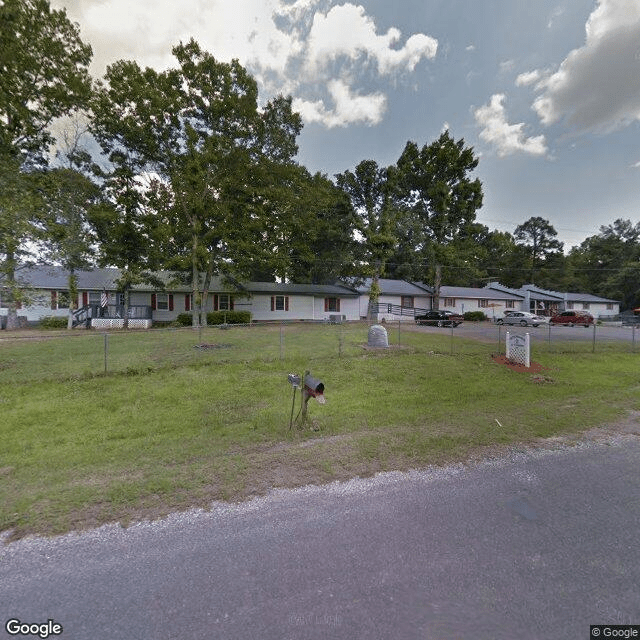
400 Rowells Rd, Catawba, SC 29704
To contact a resident: (803) 329-3377
For more information about senior living options: (866) 208-4318
Crossroads at Catawba Costs & Pricing
Crossroads at Catawba offers competitive pricing for its accommodations, especially when compared to the broader costs in York County and throughout South Carolina. For those seeking a semi-private room, residents can expect to pay $1,750 per month, which is significantly lower than the county average of $3,743 and the state average of $3,243. Similarly, for studio apartments, the monthly fee at Crossroads is $2,250 - again presenting a more affordable option compared to the local market rates of $3,891 and state averages of $3,649. These cost advantages make Crossroads at Catawba an appealing choice for individuals looking for quality care without compromising their budget.
| Floor plans | Crossroads at Catawba | York County | South Carolina |
|---|---|---|---|
| Semi-Private | $1,750 | $3,743 | $3,243 |
| Studio | $2,250 | $3,891 | $3,649 |
Assisted Living communities with a similar price nearby
-
from +$250 / mo
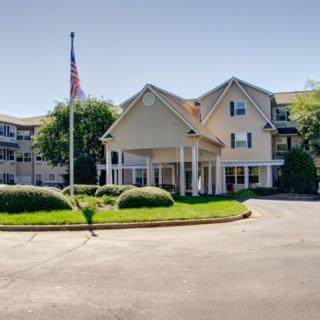
Lake Wylie Assisted Living
$2,000 to $4,000 / month20.7 miles away -
from +$166 / mo

Carolina Gardens At York
$1,916 to $3,638 / month20.9 miles away
Overall Review of Crossroads at Catawba
Pros
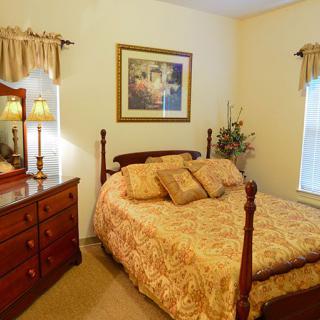
 The rooms are kept clean.
- Nearly half of the residents were able to dine with their families today.
- Families expressed gratitude to the staff for caring for their loved ones and for making Thanksgiving extra special.
Cons
 The meals for their loved one could use significant improvement, and healthier options are needed.
- The rooms are kept clean, but the trash needs to be taken out more often.
- Family members are dissatisfied with the lack of updates on their loved ones' progress and have difficulty reaching staff.
Review
Crossroads at Catawba in Catawba, SC is best suited for seniors who want an active, community-focused assisted living experience where family involvement is welcomed and social events hold real value. The environment shows clean, comfortable private rooms and a rhythm of group activities that can help residents stay connected and engaged. It is a prudent choice for families prioritizing companionship, accessible care, and the reassurance that neighbors are nearby and staff are present. Those who expect consistently top-tier dining or relentlessly proactive family updates should calibrate expectations, because the experience here proves workable but not flawless in those domains.
Alternatives should be considered by families for whom nutrition quality and transparent, regular communication are non-negotiable. If a resident relies on a vibrant, consistently updated reporting of daily progress or requires a menu program that emphasizes health-forward options every day, another community may deliver more consistently. Crossroads at Catawba offers a workable living setting, but the tradeoffs around meals and communications mean that higher nutritional rigor or more predictable family touchpoints may be better served elsewhere.
The strongest positives center on the living environment and the social fabric. Rooms are described as clean and well maintained, which creates a dignified, comfortable base for daily life. Beyond the physical space, there is evidence of a team capable of orchestrating meaningful social moments, most notably during holidays when families are invited to participate and residents feel the warmth of shared experiences. The Thanksgiving example highlights a culture of inclusion and a staff willingness to coordinate events that reinforce a sense of belonging, which can markedly reduce feelings of isolation for residents who thrive on community ties.
Yet, the most consequential drawbacks are practical and immediate. The dining program does not appear to meet all residents’ expectations for variety or healthier options, which can leave some meals feeling repetitive or less nutritious than desired. Housekeeping signals a gap as well, with rooms clean but trash management described as needing more frequent attention. In addition, family members report difficulty obtaining timely updates about a loved one’s progress, and reaching staff can be frustrating. These factors collectively trim the overall value unless the family accepts variability in the daily experience.
The offset between positives and negatives rests on the strength of the community’s social fabric and the reliability of basic upkeep. When staff demonstrate capacity to create special occasions and to welcome family participation, the emotional and social benefits can be substantial and meaningful, especially for residents who prize companionship and structured activities. However, the gaps in dining quality and communication undercut that value proposition for families who want a consistently refined dining experience and steady, proactive care updates. The balance tilts toward a practical, not premium, choice, strong for connection and basic comfort, less so for those who demand nutritional excellence and flawless transparency.
For families navigating a decision, concrete steps clarify fit. Probe the dining program: request sample menus, menu cycles, and opportunities for customization or nutritionist input. Inquire about the cadence and method of family updates, whether daily progress notes, phone calls, or portal access are standard and who the primary contact is. Confirm housekeeping routines, especially trash removal frequency and room upkeep standards, and ask for recent examples to gauge current practice. Finally, evaluate whether the overall package aligns with budget and care expectations; consider a trial visit or short-term stay if available, to observe firsthand how staff interact with residents, how meals actually feel in practice, and whether updates become noticeably more consistent over time. Crossroads at Catawba can be a solid fit for an active, socially oriented senior who values community and basic comfort, provided these decision criteria align with the family’s non-negotiables.
 72 resident community capacity
 Assisted Living
 Activities off-site
 Air-conditioning
 Beauty salon
 Cable or satellite TV
 Computer center
 Devotional services off-site
 Dining room
 Fitness room
 Fully furnished
 Gaming room
 Garden
 Housekeeping services
 Indoor common areas
 Kitchenette
 Move-in coordination
 Outdoor common areas
 Private bathrooms
 Restaurant-style dining
 Small library
 Telephone
 Wellness center
 Wheelchair accessible showers
 Wi-Fi/high-speed internet available
 Community operated transportation
 12-16 hour nursing
 24-hour call system
 Ambulatory care
 Assistance with bathing
 Assistance with dressing
 Assistance with transfers
 Diabetes diet
 Diabetic care
 Incontinence care
 Medication management
 Mental wellness program
 Special dietary restrictions
 Concierge services
 Planned day trips

 Comprehensive Insights into Activities of Daily Living (ADLs) and Their Assessment
 Guiding Elderly Parents Who Refuse Assisted Living: 6 Practical Steps
 Your Comprehensive Guide to Luxury Assisted Living: Elevated Facilities, Amenities, and Costs