
204 Joe Apree Circle, Blythewood, SC 29016
For more information about senior living options: (866) 208-4318
Overall Review of Country Comfort Community Home
Pros
 The owner and staff are great and really care about the patients.
- The setting is comfortable and homey, yet run very professionally.
- It is a great place for men with mental illness.
- The staff are compassionate.
- The food is great.
Review
Country Comfort Community Home in Blythewood, South Carolina is best suited for adults who want a small, home-like setting with steady, hands-on attention from staff. The reviews describe a comfortable, unpretentious atmosphere where caregivers are genuinely invested in the well-being of residents, and operations run with professional discipline. This is not a hospital-like environment; it is a warm, contained community that supports daily routines, continuity of care, and meaningful interaction. For families prioritizing relationship-building with caregivers and a daily rhythm that feels more like a well-run household than a large institution, Country Comfort offers a compelling fit.
That said, this setting may not be the right choice for everyone. For residents whose needs require robust, on-site medical oversight or advanced clinical programming, think 24/7 nursing, complex wound care, or specialized memory-care services, a larger, more clinically staffed facility will be a better match. The reviews do not describe extensive medical services, so families should anticipate a caregiver-first model rather than a medically intensive one. The emphasis in the feedback on a male-oriented mental-health context also suggests that couples, women, or those seeking broader programming and a coed environment may want to compare alternatives that provide more diverse resident demographics and activity options.
Two clear strengths stand out and they do a lot of heavy lifting in making this community appealing. First, the owner and staff are described as caring and genuinely invested in residents, creating a sense of trust and stability that many families seek. Second, the homey setting paired with professional operation translates into reliable routines, accessible caregivers, and predictable daily life. When evaluated against potential drawbacks, these positives frequently outweigh concerns about scope of services. The consistently strong staff engagement and the quality of meals, markedly described as great, meaningfully reduce anxiety and loneliness for residents who thrive on personal attention and routine.
Nevertheless, the bright side has practical boundaries. The compact, home-forward model can limit the breadth of programming and cannot substitute for robust clinical resources when medical or behavioral health needs escalate. Families should be mindful of whether the resident’s goals align with a setting that emphasizes warmth and connection over hospital-level oversight. Residents who crave a broad social calendar, diverse activities, or specialized care may feel the absence of larger campus amenities. In short, the pros chiefly offset the cons when the resident’s needs stay within a supportive, non-acute framework and when personal bonds with staff become the primary source of reassurance.
For families seriously considering this community, a focused due diligence process will yield clarity. Arrange a visit to observe interactions between staff and residents, and ask direct questions about staffing ratios, on-site medical staff, the availability of clinicians for routine checks, and how care plans are updated as needs evolve. Inquire about meal variety, cooking approaches, and resident participation in menu planning to verify the strong food reputation. Explore daily activity options, transportation for appointments, and visiting policies to gauge how social engagement is sustained. Finally, obtain a clear understanding of pricing, what is included, and how contracts accommodate changes in care requirements over time.
Ultimately, Country Comfort Community Home stands out for families seeking a compassionate, home-centered environment with staff who truly care and a reassuring sense of daily normalcy. It presents a practical option for residents with mental-health considerations who favor personal attention and a steady routine over clinical intensity. Those needing extensive medical oversight, gender-diverse programming, or specialized memory-care services should weigh alternatives where such resources are baked into the model. With careful touring and candid conversations about current and anticipated needs, this community can be a strong, well-mounded fit for the right resident and the right family.
 9 resident community capacity
 Assisted Living
 Board and Care Home
 Cable or satellite TV
 Dining room
 Fully furnished
 Garden
 Housekeeping services
 Move-in coordination
 Outdoor space
 Telephone
 Wi-Fi/high-speed internet available
 Columbia Metropolitan (17 miles away)
 24-hour supervision
 Activities of daily living assistance
 Assistance with bathing
 Assistance with dressing
 Assistance with transfers
 Diabetes diet
 Meal preparation and service
 Medication management
 Special dietary restrictions
 Transportation arrangement (medical)
 Transportation to doctors appointments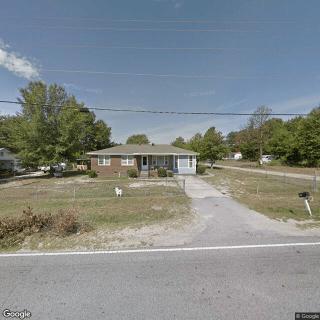




 Exploring the Contrasts Between Assisted Living and Skilled Nursing
 8 Key Indicators That Suggest It May Be Time to Transition from Assisted Living to Skilled Nursing Care
 Vibrant Senior Living: A Comprehensive Guide for Active Older Adults