
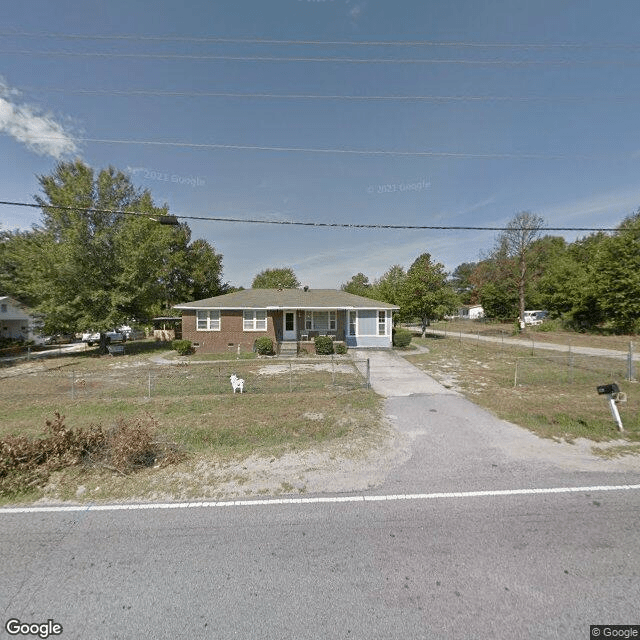
10219 Farrow Road, Blythewood, SC 29016
For more information about senior living options: (866) 208-4318
Overall Review of Carson's Community Care
Cons
 The uncle is missing, and no one will tell where he is or where he has been transferred to.
- The gentleman states he will not go back and forth with them.
- The situation has persisted since Friday, and today is Tuesday, with no resolution.
Review
Carson's Community Care in Blythewood, SC is best viewed by families who can tolerate a heavy degree of self-advocacy and who are prepared to drive the care coordination process. The sole firsthand report paints a stark picture: a relative has gone missing, with staff unwilling or unable to provide ongoing updates or to communicate clearly about transfers or status. In practical terms, this means the community’s value proposition, for now, hinges on families stepping in as the primary investigators and communicators rather than relying on a responsive care team. For households with strong local support networks and a willingness to press for information, a place that requires that kind of active involvement may be workable; for everyone else, the risk of being left in the dark is real.
Those who should consider alternatives are families that prize transparent, timely, and reliable communication as non-negotiable. Any family facing the possibility of needing routine updates about a loved one’s whereabouts, medical status, or transfer logistics should explore other options. Residents who depend on staff for safety checks, timely responses to concerns, or dependable transfer coordination will find this environment problematic given the documented communication gaps. In short, if clear accountability and proactive family engagement are essential, other communities are likely to deliver more predictable, defendable outcomes.
The main con, severe communication failures and the inability to locate or verify a loved one’s status, dominates any potential upside. Without reliable updates, family members cannot assess safety, care quality, or progress of ongoing arrangements. The absence of visible pros in the available record means the cons are not counterbalanced by any demonstrated strengths. If the administration can demonstrate robust transparency, regular status reports, designated family liaisons, and a trackable escalation path, these strengths could begin to offset the current credibility gap. Until such practices become evident, the concern remains acute and actionable.
To make an informed decision, one practical path is to demand concrete, enforceable expectations before placement. During a tour, insist on meeting the administrator or a senior supervisor, and obtain a written policy for transfers, daily check-ins, and after-hours contact. Ask for a specific point person responsible for family communication, average response times, and a documented escalation process when updates stall. Probe whether there is a formal process for locating a resident if an issue arises, and request recent examples of successful resolution to gauge consistency. These questions turn an uncertain situation into a test of organizational reliability.
Alternatives should be evaluated by looking beyond amenities to the quality of the daily human interactions families will have with staff. Seek facilities within the Blythewood area or broader region with verifiable safety nets, explicit family communication protocols, regular care plan reviews with family participation, and clear transfer documentation. Review ratings and state inspection reports, and, if possible, speak with current or former residents’ families about responsiveness and transparency. A community that offers consistent, proactive updates will typically align with families’ expectations for responsible guardianship and reduce the burden of independent advocacy.
In the end, the decision hinges on tolerance for uncertainty and the seriousness given to family involvement. The presented case is a sharp reminder that care quality cannot be evaluated in isolation from communication practices. For most families, Carson's Community Care should be approached with caution and positioned as a potential option only if a rigorous, written commitment to improved transparency is secured beforehand. If choosing this community, pursue an unequivocal family-access protocol, guaranteed timely updates, and a clear, retrievable plan for emergency contact and transfer verification to avoid repeating the current distressing scenario.
 10 resident community capacity
 Assisted Living
 Board and Care Home
 Cable or satellite TV
 Dining room
 Fully furnished
 Garden
 Housekeeping services
 Move-in coordination
 Outdoor space
 Telephone
 Wi-Fi/high-speed internet available
 Columbia Metropolitan (18 miles away)
 24-hour supervision
 Activities of daily living assistance
 Assistance with bathing
 Assistance with dressing
 Assistance with transfers
 Diabetes diet
 Meal preparation and service
 Medication management
 Special dietary restrictions
 Transportation arrangement (medical)
 Transportation to doctors appointments
 Homelike setting with 24/7 supervision, ADL support, and medical transport.



 Understanding Medicaid Coverage for Assisted Living: A Comprehensive Guide
 How and When Medicaid May Cover Assisted Living Costs
 A Detailed Exploration of Assisted Living Medicaid Waivers Across the United States