
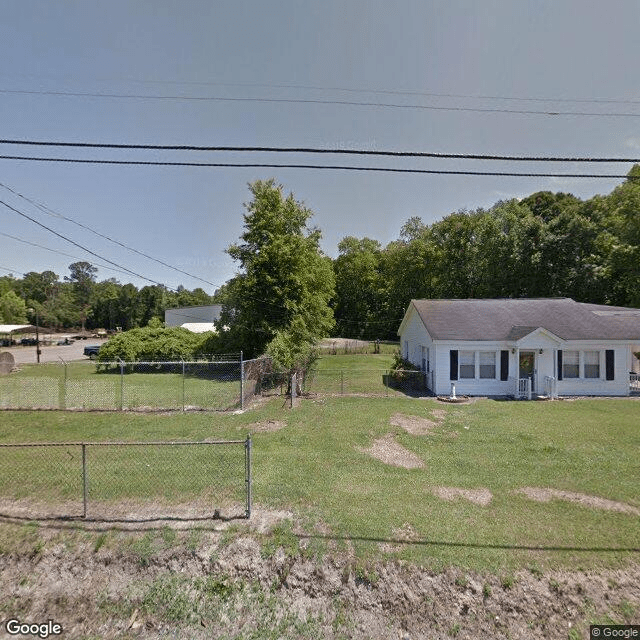
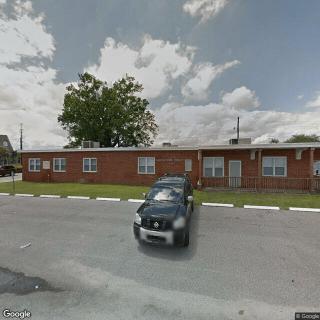
108 West Gapway Road, Andrews, SC 29510
For more information about senior living options: (866) 208-4318
Overall Review of Sunny Pines Boarding Home
Pros
 Sunny Pines Boarding Home is a nice place for senior living.
- The staff are friendly and easy to deal with.
- The home provides meals and helps with medications.
- The staff assist residents with chores.
- Residents participate in activities and are taken to adult day care for several hours each day.
- The price is reasonable.
Cons
 Two people share a room, which can feel crowded.
- The group home houses ten or more residents, leading to a crowded environment.
Review
Sunny Pines Boarding Home in Andrews, SC is best suited for seniors who want a home-like, group-living environment with dependable daily structure, light medical support, and clear social programming. The community operates like a small house rather than a campus, with around ten or more residents sharing space. Meals are provided, medications are managed on-site, and staff handle routine chores, freeing families from hands-on daily tasks. Two residents per room keeps costs accessible while preserving opportunities for companionship. On a practical level, residents benefit from on-site staff, help with doctor visits, and a schedule that includes activities and a block of adult day care each day. This combination makes Sunny Pines a sensible choice for families prioritizing affordability, routine, and social connection.
Those who may want to consider alternatives include seniors needing private accommodations or more intensive medical oversight. If privacy is non-negotiable or if care requirements are high, a larger assisted living community, memory-care-focused facility, or skilled-nursing option may be a better fit. Additionally, residents who require comprehensive rehabilitation services or 24/7 clinical nursing supervision should explore environments designed for higher acuity care. In short, Sunny Pines excels as a straightforward, budget-friendly option, but it is not positioned as a high-end or specialty care residence.
The strongest positives are pronounced in the everyday experience. A friendly, responsive staff cultivates a dependable atmosphere, and the facility delivers meals, medication management, and help with daily chores, essential tasks that relieve family members from constant arranging and monitoring. Transportation to medical appointments is a tangible relief, reducing the logistical burden on loved ones. The two-person room arrangement promotes companionship and shared costs, while the activity lineup and the five-hour-a-day adult day care create meaningful engagement without overwhelming residents. For families seeking predictable routines and social opportunities at an affordable price, these elements matter most.
Where the model’s limitations become relevant, they are practical and predictable rather than dramatic shortcomings. Privacy is inherently reduced by shared rooms, which some residents will tolerate and others will find limiting. The care footprint leans toward steady daily living support rather than intensive medical or rehabilitative services, so expectations should align with that reality. The five-hour adult day care window, while beneficial for structure, may not fully replace other supervision or enrichment options for longer portions of the day. In essence, Sunny Pines delivers stable, community-based care rather than the full spectrum of services found in higher-acuity or memory-care settings.
From a decision standpoint, the pros largely offset the cons for families prioritizing cost-conscious, sociable living with reliable staffing. The combination of meals, medication assistance, housekeeping-like help, and on-site transport eliminates a lot of care coordination challenges and keeps monthly expenses manageable. For residents who value routine, regular activities, and peer interaction, Sunny Pines offers a practical, low-stress pathway. The core question is whether private space, intensive medical oversight, or specialized memory-care programming are essential; if not, this option deserves serious consideration as a sensible, grounded choice.
Practical next steps for families include arranging a visit to see the environment firsthand and assessing the room configuration to confirm privacy preferences. Inquire about exact staff-to-resident ratios across shifts, and review the activity calendar to ensure it matches the resident’s interests. Clarify how medications are administered and what protocols exist for emergencies, including appointment logistics and transportation coverage. If the resident is stable, enjoys social engagement, and appreciates a straightforward, affordable setting, Sunny Pines offers a credible, well-grounded option. If higher privacy, advanced medical support, or specialized programming is non-negotiable, explore alternatives with richer clinical offerings.
 18 resident community capacity
 Assisted Living
 Board and Care Home
 Activities on-site
 Cable or satellite TV
 Devotional services off-site
 Dining room
 Fully furnished
 Garden
 Housekeeping services
 Indoor common areas
 Move-in coordination
 Outdoor space
 Telephone
 Wi-Fi/high-speed internet available
 24-hour supervision
 Ambulatory care
 Assistance with bathing
 Assistance with dressing
 Assistance with transfers
 Diabetes diet
 Diabetic care
 Meal preparation and service
 Medication management
 Special dietary restrictions
 Transportation arrangement (medical)
 Transportation to doctors appointments




 Assisted Living Expenses and Long-Term Care Insurance: A Comprehensive Exploration
 Securing Financial Support for Assisted Living: A Comprehensive Overview
 Social Security Benefits and Assisted Living: Navigating Options Across the U.S.