
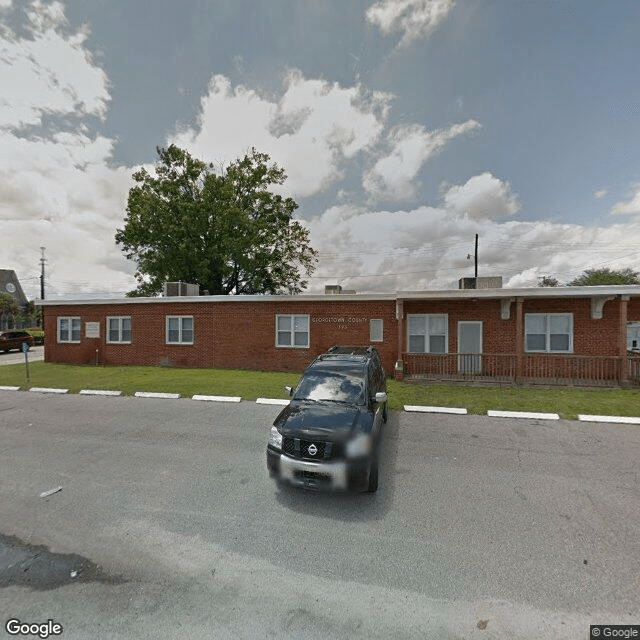
PO Box 8247, Georgetown, SC 29440
To contact a resident: (843) 546-4123
For more information about senior living options: (866) 208-4318
Overall Review of Winyah Convalescent Ctr
Pros
 Winyah Home Care is professional and very helpful.
- The staff are friendly and highly recommended.
- They treat loved ones as if they were family, making clients feel completely comfortable leaving them in the care.
- Winyah Home Care is caring and compassionate, showing patience and understanding toward clients.
- Meghan, the owner, is gentle with clients who have dementia, recognizing their needs and ensuring they spend meaningful time with the team.
Review
Winyah Convalescent Ctr in Georgetown, SC is best suited for families seeking a warm, intimate caregiving environment where staff are genuinely invested in residents as people, not just patients. The strongest signals from the available feedback point to a care ethos that feels like family, with caregivers who treat loved ones as their own. This is a setting where personal connections, patience, and a patient, understanding approach to memory challenges are not afterthoughts but the core operating style. For families prioritizing trust, relational care, and a sense of belonging during recovery or ongoing support, this community offers a compelling, practical fit.
There are clear reasons to consider alternatives. If the decision hinges on robust, on-site clinical programming, with a full-time medical director, extensive rehabilitation tracks, or a large repertoire of specialized therapies, the appeal may lie elsewhere. Similarly, facilities with bigger campuses, more formal activity schedules, or more expansive suites and independent living options can be attractive to families seeking a broader range of amenities. For residents whose needs extend beyond compassionate, patient-led care into highly structured, medically intensive care, a larger or more hospital-like model could deliver a better fit.
The core pros implied by the reviews, professionalism, friendly staff, and a deeply caring, family-centered approach, offer meaningful offset to potential gaps in the narrative about the center’s clinical breadth. The reviews repeatedly describe staff who are responsive, patient with dementia, and attentive to each person’s history and preferences. That relational strength can dramatically reduce stress for families worried about leaving a loved one in care and can translate into higher daily satisfaction for residents who value warm dialogue, individualized attention, and the feeling of being known. In a setting where care teams are perceived as a close-knit family, the risk of impersonal care fades, even if formal metrics of clinical rigor aren’t the focal point of the testimonials.
When weighing options, it pays to scrutinize transfer points between home-care support and facility care. Families should verify that the center can sustain the same level of compassionate engagement across all shifts and weekends, and that there is a clear plan for coordinating with any outside caregivers. Key questions to ask include staff-to-resident ratios during day and night, training in dementia and responsive communication, how care plans are developed and updated, and how family input is incorporated into daily routines. Probing these areas helps ensure that the demonstrated warmth translates into consistent, safe, and well-documented care on the ground.
The bottom line is practical: for families who prize a nurturing, person-focused environment where staff treat residents like cherished individuals, Winyah Convalescent Ctr presents a strong option in Georgetown. The preserved sense of belonging and the evidence of compassionate, patient care are powerful differentiators, especially for memory care needs or for relatives who fear impersonal, institutional settings. If the priority is depth of relationship and reassurance that a loved one will be treated like family, this center is hard to beat. Conversely, if a resident demands robust in-house medical teams, a wide spectrum of rehab services, or a large, activity-rich campus, it makes sense to compare with other facilities that foreground those features.
To engage decisively, plan a focused tour that includes meeting the caregiving leadership and frontline staff, and request opportunities to observe interactions with residents. Ask to review sample care plans, dementia-specific training programs, and how external home-care support is integrated into daily routines. Seek references from families with similar needs and inquire about consistency of care across shifts. Clarify costs, what is included in those costs, and how long-term care needs are addressed if medical or cognitive needs evolve. With due diligence, the choice will align with a preference for heartfelt, dependable caregiving that treats loved ones as family, while still understanding how the facility’s clinical offerings compare to alternatives.
 Skilled Nursing Facility



 Senior Move Management: Understanding the Role, Value, and Associated Costs
 Weight Training for Seniors: Building Strength and Vitality
 Understanding the Sandwich Generation: Stress and Responsibilities for Multigenerational Caregivers