
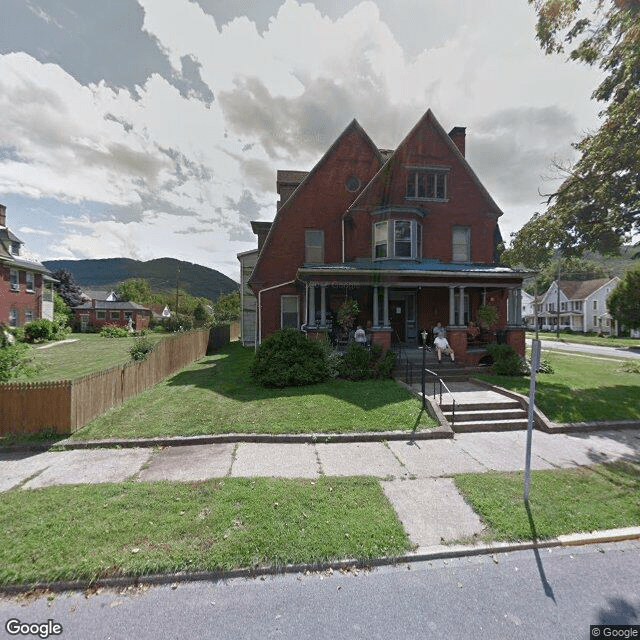
6 E Central Ave, Williamsport, PA 17702
To contact a resident: (570) 322-4767
For more information about senior living options: (866) 208-4318
Overall Review of Insingers Personal Care
Pros
 There was one staff member who was actually helpful.
Cons
 The places are dirty.
- The staff are rude.
- Only one staff member was actually helpful.
- They do not help residents get back on track.
- They take residents' entire checks and treat them like prisoners.
- The community's handling of elderly residents is appalling.
- There is lice, bedbugs, and other pests there.
- No one should be sent to any of the three places in Williamsport.
Review
This community is best suited for residents who require only the most limited level of oversight and whose families have exhausted all other placement options. In practical terms, it is a last-resort choice when every alternative in Williamsport has been ruled out, and even then the decision carries a heavy burden. The reviews paint a consistent picture: serious questions about basic cleanliness, dignity, and respectful treatment overwhelm any potential reason to remain in place. For families weighing placement, this facility functions as a narrow choice that should only be entertained after a comprehensive search of safer, better-regarded options has failed to yield suitable alternatives.
Those who should strongly consider alternatives are families prioritizing a respectful atmosphere, reliable daily care, and transparent operations. If cleanliness, courteous staff, and the ability to trust staff to act in a resident’s best interest are non-negotiables, other facilities with documented maintenance, better housekeeping practices, and patient-centered approaches deserve immediate attention. Prospective residents who value autonomy and consistent, humane treatment will find this option incompatible with their standards. Even in tight financial circumstances, there are often other configurations, such as higher-quality assisted living facilities, home-based care, or adult day programs, that deliver safer environments without sacrificing dignity.
The few observable positives, if they can be called that, fail to offset the dominant drawbacks. One reviewer notes that at least one staff member was genuinely helpful, but this appears to be an exception rather than the rule in a setting where the overall tone is described as indifferent or hostile. The prevailing impression is that staff focus on money rather than residents’ well-being, a posture that undermines trust and short-circuits any potential for meaningful rehabilitation or consistent assistance. Even when moments of attentiveness surface, they are quickly overwhelmed by issues of cleanliness, maintenance, and a culture that does not seem oriented toward resident welfare. In short, the scant “good” moments do not balance the persistent, systemic problems evident in daily operations.
The core cons are severe enough to warrant immediate caution. Cleanliness and sanitation emerge as recurring flashpoints, with reports of dirty rooms and facilities that do not meet basic expectations. Interpersonal dynamics between staff and residents are described as brusque or even punitive, with residents being treated more like problems to be managed than people to be cared for. The sense of security and dignity appears compromised, with fears about how residents are handled and even about potential removals from the facility. Food quality is repeatedly criticized, further eroding day-to-day satisfaction and well-being. These factors, together with allegations about bedbugs and lice, create a risk-rich environment that undermines recovery, comfort, and overall quality of life.
From a decision-making perspective, several concrete steps emerge for families evaluating options. First, demand a candid, in-person tour focused specifically on cleanliness, housekeeping frequency, and room maintenance. Inquire about staff-to-resident ratios, turnover, and formal training on resident dignity and rights. Request recent inspection reports and a clear track record of addressing cited deficiencies. Ask for detailed examples of how residents are assisted in daily routines, how medical and personal care needs are coordinated, and how complaints are resolved. Finally, compare price structures with other nearby facilities that deliver demonstrably higher standards, and consider a trial period, where available, to observe interactions and observe how concerns are handled in real time.
The bottom line is emphatic: this facility is not well aligned with standards that many families require for long-term care. When safety, respect, cleanliness, and dependable care are non-negotiable, this option does not meet the mark. Alternatives viable in the Williamsport area, especially those with reputations for clean environments, respectful staff, and transparent operations, should be prioritized. If restricted to considering this facility, it should occur only after a comprehensive review of significantly better options, a clear plan for monitoring improvements, and a concrete threshold for acceptable changes. In any event, families owe it to their loved ones to pursue the path that preserves dignity, promotes consistent daily support, and minimizes risk, even if that path demands more time or relocation to secure a higher standard of care.
 Assisted Living
 Activities on-site
 Devotional services off-site
 Indoor common areas
 Ambulatory care
 Diabetic care
 Meals provided


 Comprehensive Supportive Living Arrangements for Adults with Disabilities
 Funding and Affording Assisted Living: A Thorough Overview
 Assisted Living Expenses and Long-Term Care Insurance: A Comprehensive Exploration