

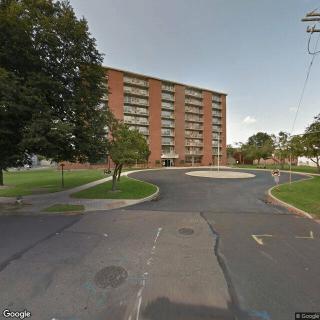
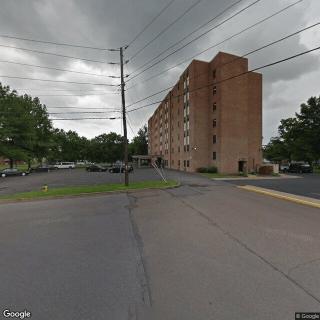
228 Pine Street, Williamsport, PA 17701
To contact a resident: (570) 322-3223
For more information about senior living options: (866) 208-4318
Overall Review of CareGivers America
Pros
 The staff were friendly and caring.
- The aides and the office staff provided excellent care.
- The family was happy that she could stay at home and age in her own surroundings.
- The office staff were very understanding with scheduling, and the clients were generally sweet and patient.
- They work with clients' availability and are very understanding.
- They treat everyone equally.
- The office staff are welcoming, accommodating to scheduling needs, and respectful, going above and beyond to help everyone they can.
- The staff were great, with good work hours and enjoyable clients.
Cons
 They didn’t have a caregiver for 3 weeks.
- No one called to inform anyone.
- The office said the caregiver didn’t want the case anymore.
- There was a huge lack of communication.
- They couldn’t provide adequate care.
- They were the worst health care company.
- They don’t pay enough for caregivers to stay or to cover childcare.
- A caregiver quit without notice due to inadequate pay.
- The staff were condescending.
- They would not recommend this agency.
Review
CareGivers America in Williamsport, PA is best suited for families that value a friendly, flexible agency where office staff are responsive and caregivers can be scheduled to fit tight calendars. The most reliable positives lie in the people on the ground: aides and office personnel described as caring, respectful, and accommodating, with scheduling flexibility that should help families juggle work, appointments, and daily routines. For households that can tolerate turnover and rely on a warm, approachable team to handle day-to-day adjustments, this agency can feel like a workable bridge to aging in place.
That said, serious caveats demand careful consideration and likely alternatives. The most troubling signals are about consistency, communication, and accountability. Multiple reviews recount extended gaps in caregiver coverage, three weeks without a assigned helper, with no proactive outreach, undercutting any sense of dependable care. When the office offers explanations rather than proactive updates, the pattern points to a systemic communication weakness rather than isolated missteps. For families with high medical or safety needs, this level of uncertainty is unacceptable and heightens risk if a care plan cannot be reliably maintained.
The best-case pros, friendly, understanding office staff; willingness to accommodate scheduling; and a generally supportive, respectful caregiving culture, do not fully offset the central concerns. Positive experiences where aides and office teams treated clients with dignity and worked around schedules are meaningful for daily quality of life, yet they often sit alongside or are overshadowed by reports of chronic underpayment, caregiver turnover, and inconsistent coverage. In short, the warmth and flexibility can soften friction, but they cannot compensate for recurring care gaps, the possibility of untrained or unreliable aides, and a lack of sustained supervision.
The most alarming red flags center on safety, integrity, and professional standards. Accounts of caregivers quitting due to pay, aides who sleep on the job, theft, and even incidents of attempting to steal or mishandle client belongings create a pattern that undermines fundamental trust. Complaints about office staff being rude, condescending, or accusatory when problems arise compound the risk: families cannot rely on steady, competent support if supervision and accountability are weak. When combined with reports of new faces appearing daily and inconsistent quality of care, these issues erode confidence in whether the agency can maintain a stable, safe home-care environment over time.
From a practical decision-making standpoint, the key question is whether these strengths can be leveraged long enough to justify the risks. If the household can impose strict oversight, demand clear backup coverage, require a consistent primary caregiver, insist on timely communication protocols, and set up close supervision by a qualified supervisor, CareGivers America may still fulfill a legitimate role for aging in place without moving to a higher-cost alternative. However, this requires a deliberate, resource-intensive approach: ongoing checks, rapid escalation paths for problems, and a readiness to switch caregivers at short notice. Absent that level of active management, the cons are likely to overwhelm the perceived benefits.
Ultimately, this community is a reasonable fit for families who can tolerate significant administrative vigilance and who prioritize genuine kindness and scheduling flexibility over flawless reliability. For households where any lapse in coverage or questions about safety cannot be tolerated, or where medical complexity demands consistent, well-supervised care, alternatives should be pursued. The decision should hinge on whether a care plan can be stabilized through rigorous oversight, transparent communication, and a proven track record of dependable staffing, factors that, based on current reviews, require substantial, ongoing effort to meet.







 Top Cars for Senior Drivers and Essential Safety Innovations
 A Closer Look at Private Pay Home Care
 Comprehensive Approaches for Arthritis: A Detailed Guide to Symptoms, Causes, and Care