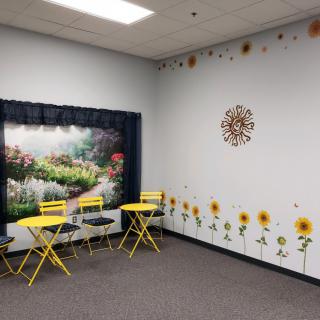
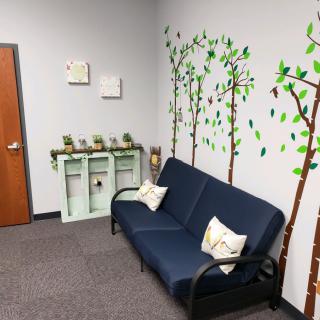
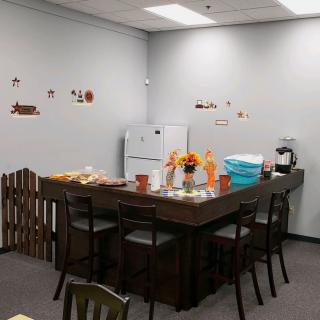
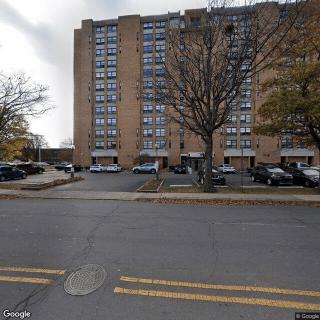
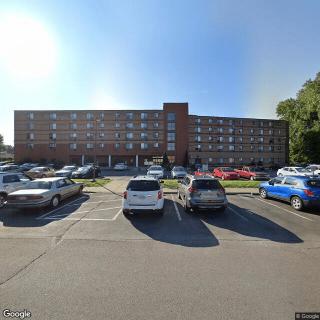
89 S Washington St, Wilkes-Barre, PA 18701
To contact a resident: (570) 285-4320
For more information about senior living options: (866) 208-4318
Overall Review of Second Family Memory Care Center
Pros
 The staff are described as angelic and truly caring.
- They accomplish tasks with the mom that were previously thought impossible.
- They engage her in activities like bathing weekly, crafts, dancing, walking, and providing fresh air, all delivered with love and dignity.
- The mom’s quality of life has improved and she has made friendships there.
- The facility provides a safe, welcoming, loving place and gives the father time for self-care.
- The staff are professional, compassionate, knowledgeable, friendly, patient, and safety-conscious.
- The staff take pride in their work and truly care for the consumers.
- It’s a wonderful place that would be recommended to others.
Cons
 The father's quality of life plummeted as he endured the stress of caring for someone with Alzheimer's.
- There were days when the family reached a point of desperation.
- They believed no one could care for her.
- She is too difficult.
- She will never allow them to take her somewhere for care.
Review
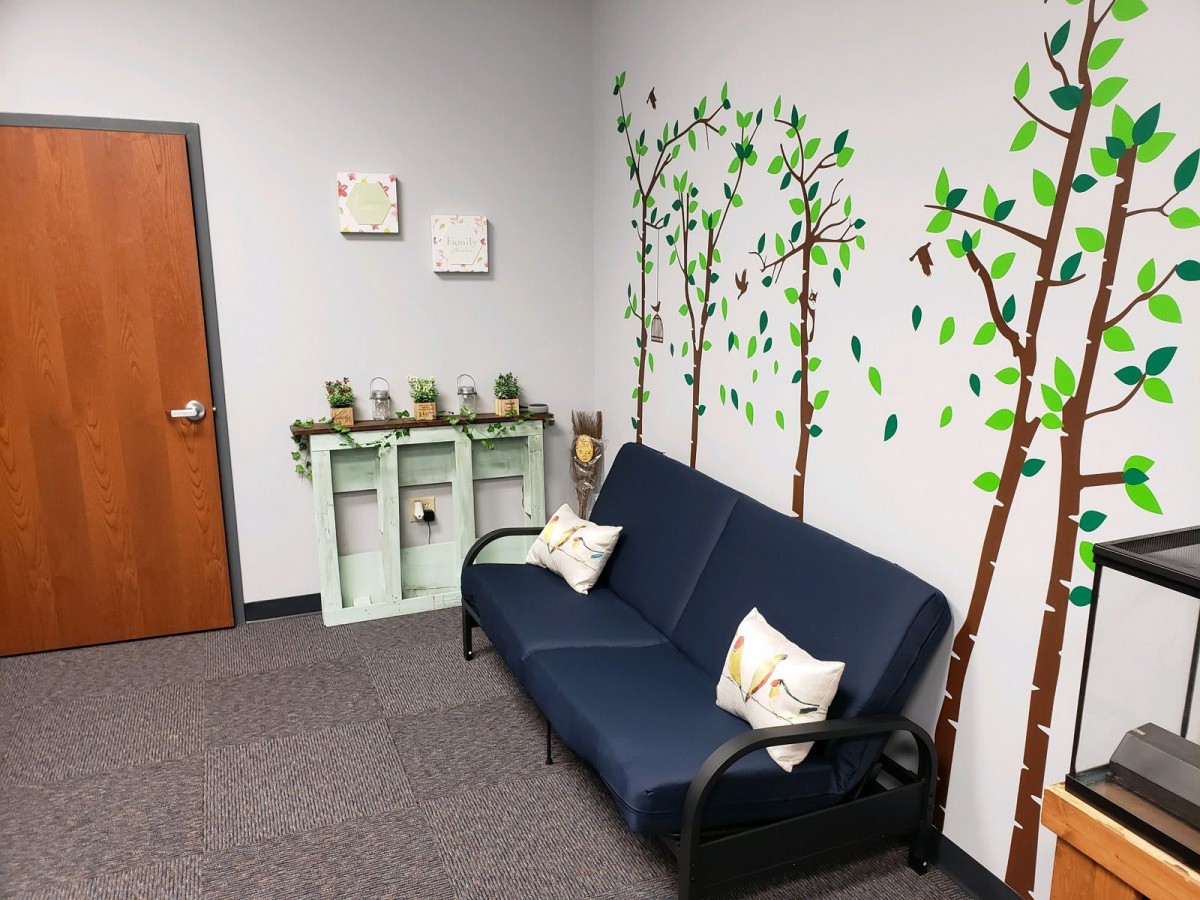
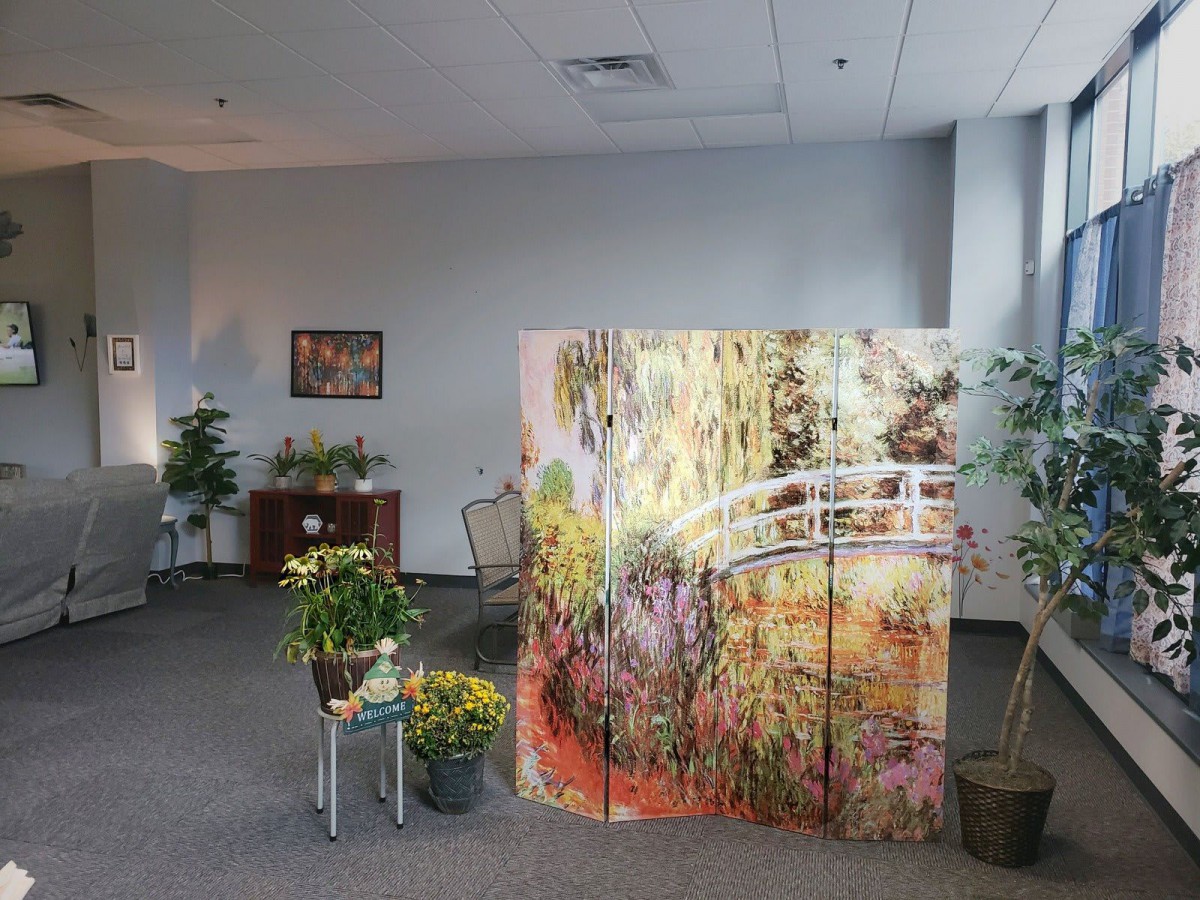
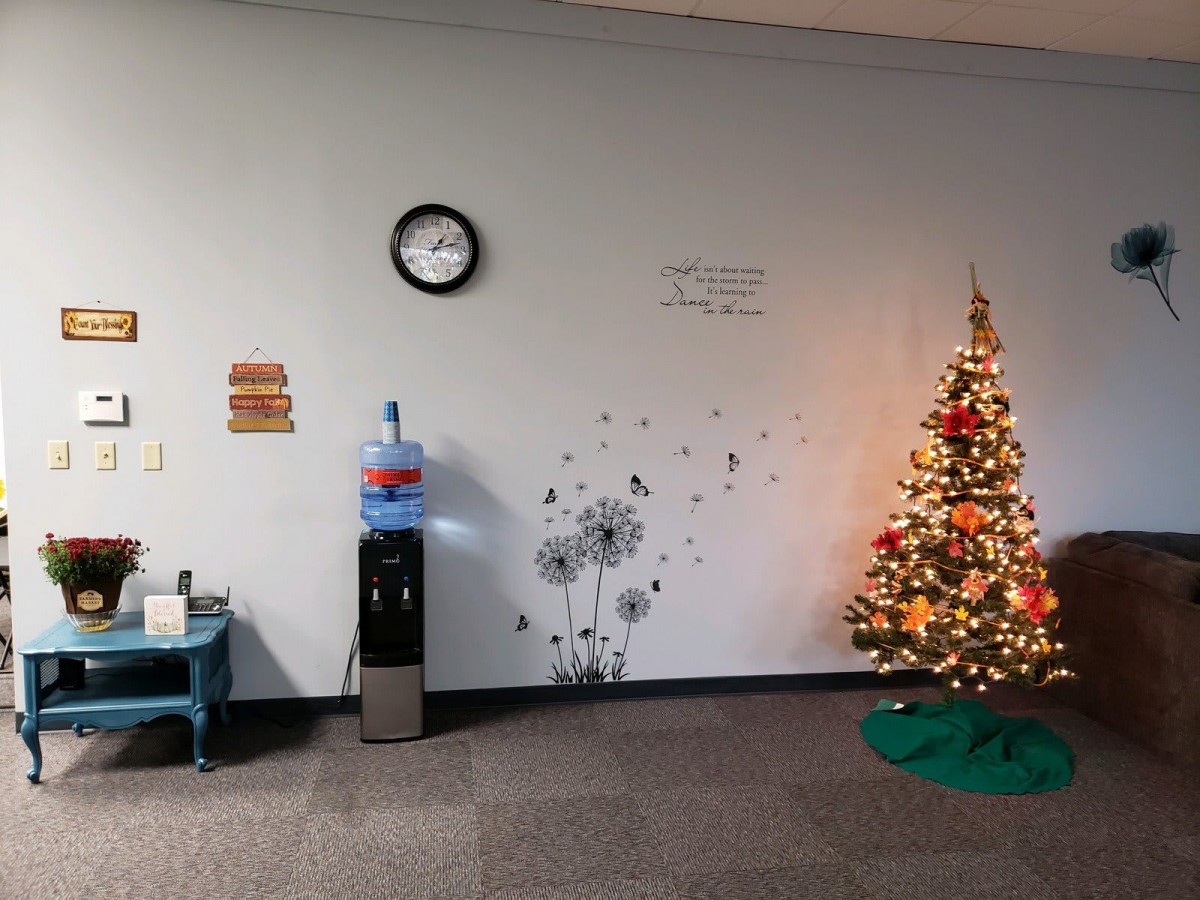
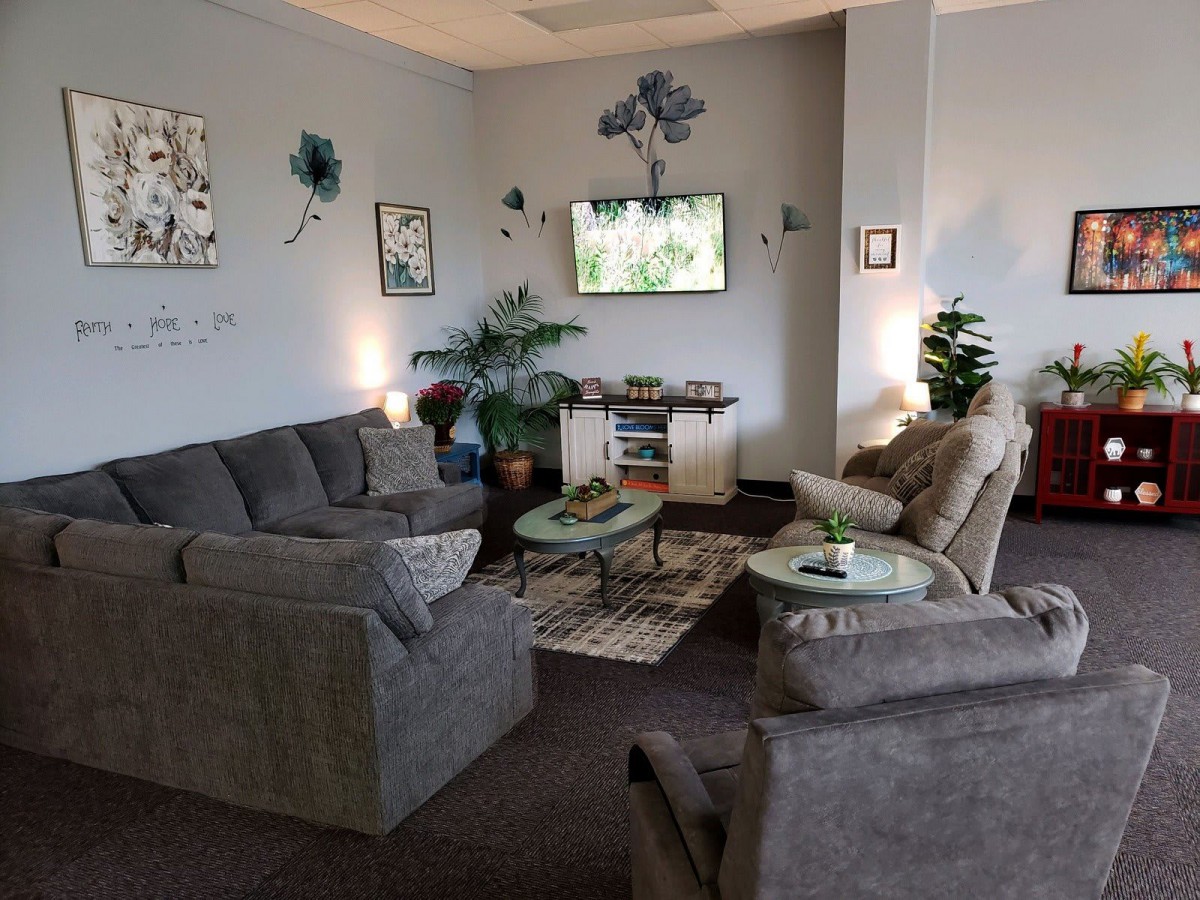
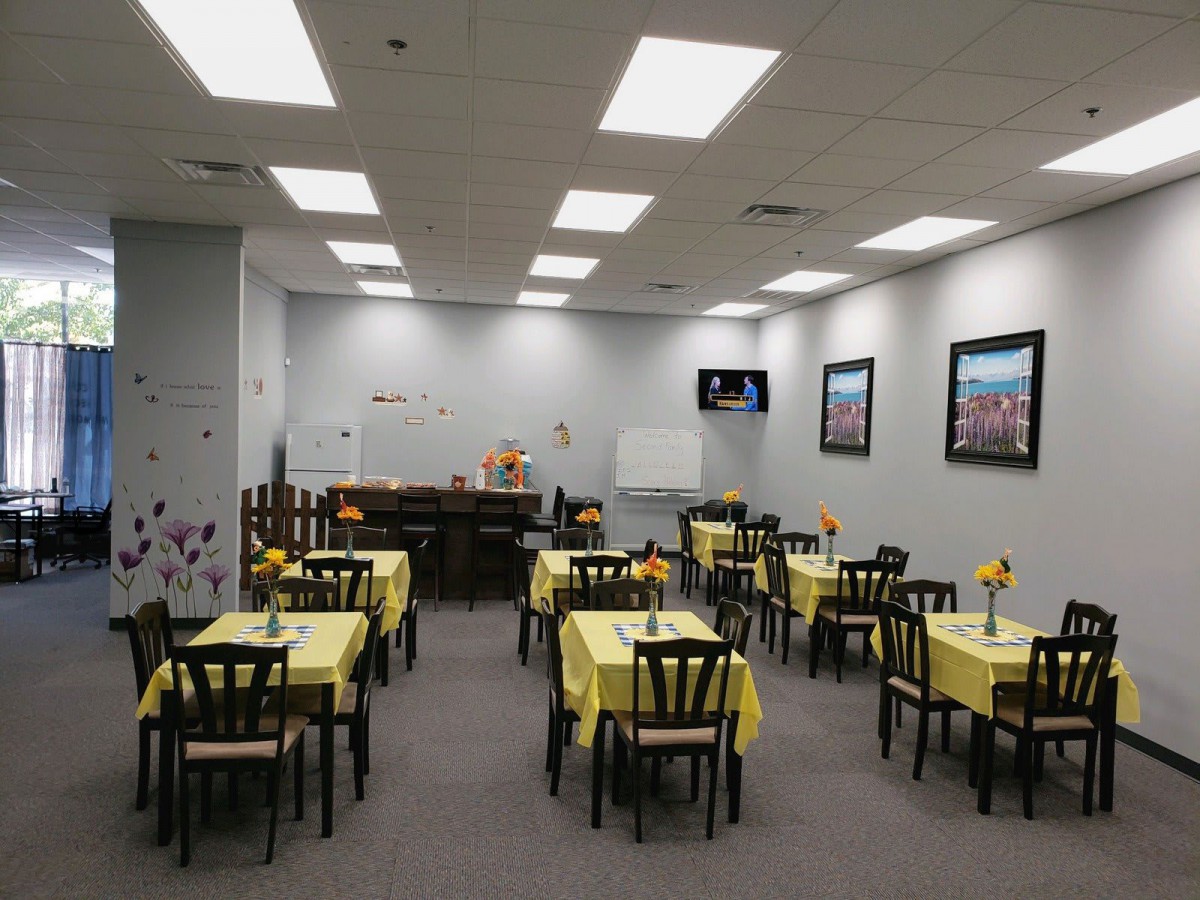
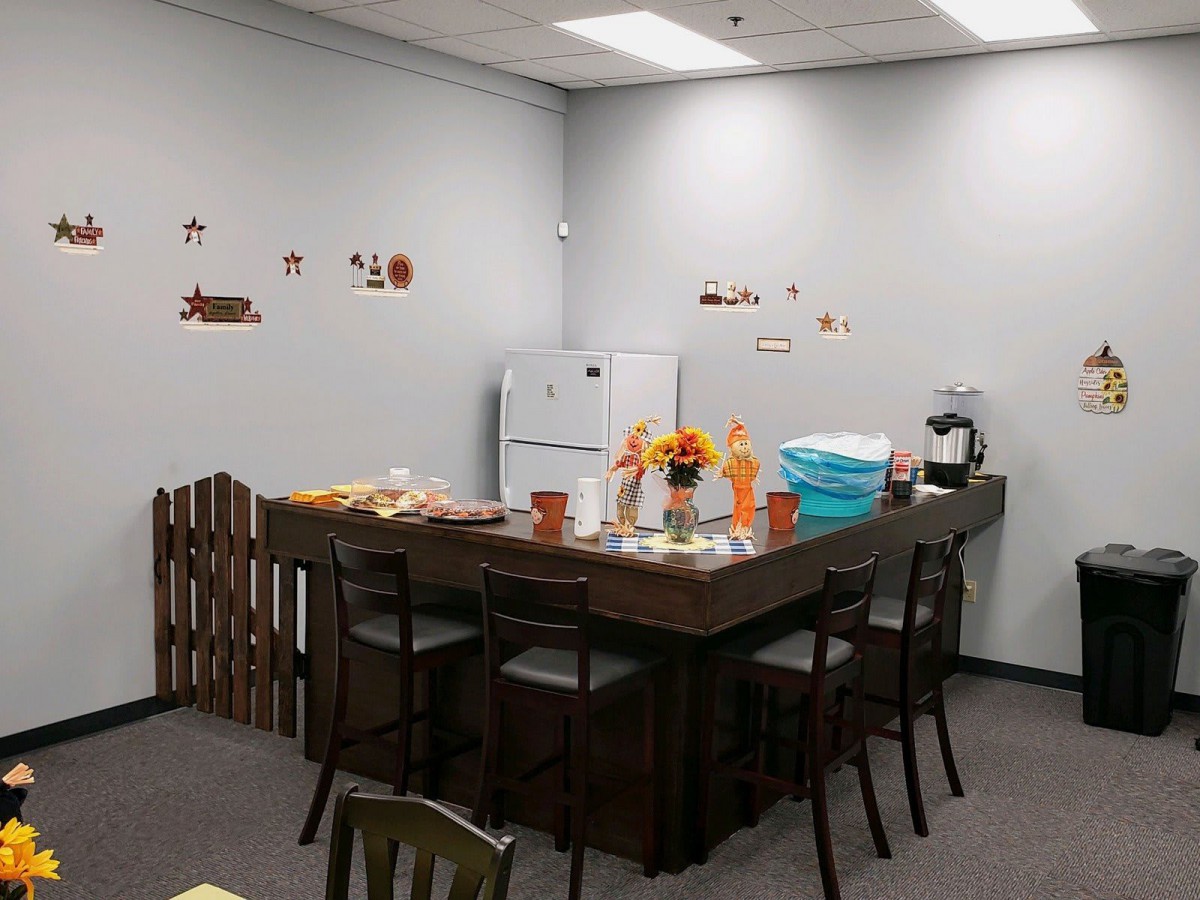
This Wilkes-Barre memory care center is best suited for older adults living with Alzheimer’s disease or other memory-related conditions who require steady daily assistance, meaningful engagement, and a warm, dignified atmosphere. Families facing caregiver burnout will find dependable support that respects the person’s humanity while providing structure and safety. The program emphasizes activities that matter to residents, crafts, dance, walking, outdoor time, and regular, comfortable personal care, creating opportunities for friendships and social belonging that often translate into noticeable improvements in mood and quality of life. In short, this community serves memory-impaired adults who benefit from consistent companionship, routine, and a home-like setting rather than a hospital-like environment.
Those who should consider alternatives are families prioritizing intensive medical oversight or on-site skilled nursing for highly complex needs. If the loved one requires 24/7 clinical monitoring, aggressive medical interventions, or highly specialized rehabilitative services, this setting may not provide the level of acuity or medical coordination demanded. Location, cost considerations, or a preference for a more clinically focused program are practical factors to weigh. The community shines in everyday support and social programming, but it does not advertise itself as a substitute for hospital-grade care or highly acute inpatient services.
The strongest positives lie in the staff and the day-to-day experience. Families repeatedly describe professional, compassionate, and knowledgeable caregivers who remain patient and attentive to safety. The team’s approach translates into tasks getting done, sometimes in ways families thought were beyond reach, while residents receive affectionate, dignified treatment. The benefits extend beyond routine care: residents make friends, engage in purposeful activities, and gain a sense of belonging. Those social gains help offset the absence of intensive medical programming by reducing isolation, stabilizing behavior through engagement, and providing reliable consistency that eases familial worry.
Safety and relationship-focused care are the core drivers of outcomes here. The environment feels welcoming, with staff who take pride in their work and treat each resident as a person worthy of respect. Activities are meaningful and regular, designed to maintain independence where possible and to guard against withdrawal or agitation. The primary con that emerges is not about staffing quality but about scope: the model is tuned for memory support, social connection, and daily living help, not for comprehensive medical management on site. Families should plan for contingency medical needs elsewhere and ensure clarity on how medical issues are addressed when they arise.
For families evaluating options, concrete steps will shorten the path to a confident decision. Request a detailed tour and observe how staff interact with residents, note whether aides anticipate needs, speak with warmth, and respect privacy. Inquire about staffing ratios, dementia-care training, and emergency protocols, as well as how care plans are created and updated. Ask for a transparent outline of services included in the monthly rate and what constitutes billable add-ons. Seek clarity on respite opportunities, coordination with external physicians, and the process for handling medical crises. A day-in-the-life schedule can illuminate whether the rhythm aligns with the loved one’s preferences and needs.
Overall, Second Family Memory Care Center stands out as a high-quality memory-care option in Wilkes-Barre. The 5/5 rating from multiple reviews reflects a consistent pattern of compassionate care, professional staff, and a nurturing environment where residents’ dignity and social connection are prioritized. It is an especially strong choice for families seeking relief from caregiving strain while ensuring a loved one remains engaged, safe, and cherished. The community is less suited for those requiring intensive medical or skilled-nursing services on a daily basis, but for memory-care needs rooted in daily living support, meaningful activity, and warm, reliable companionship, the fit is compelling and likely to yield reassurance for families and genuine quality-of-life improvements for residents.
 Day Program
 Devotional services on-site
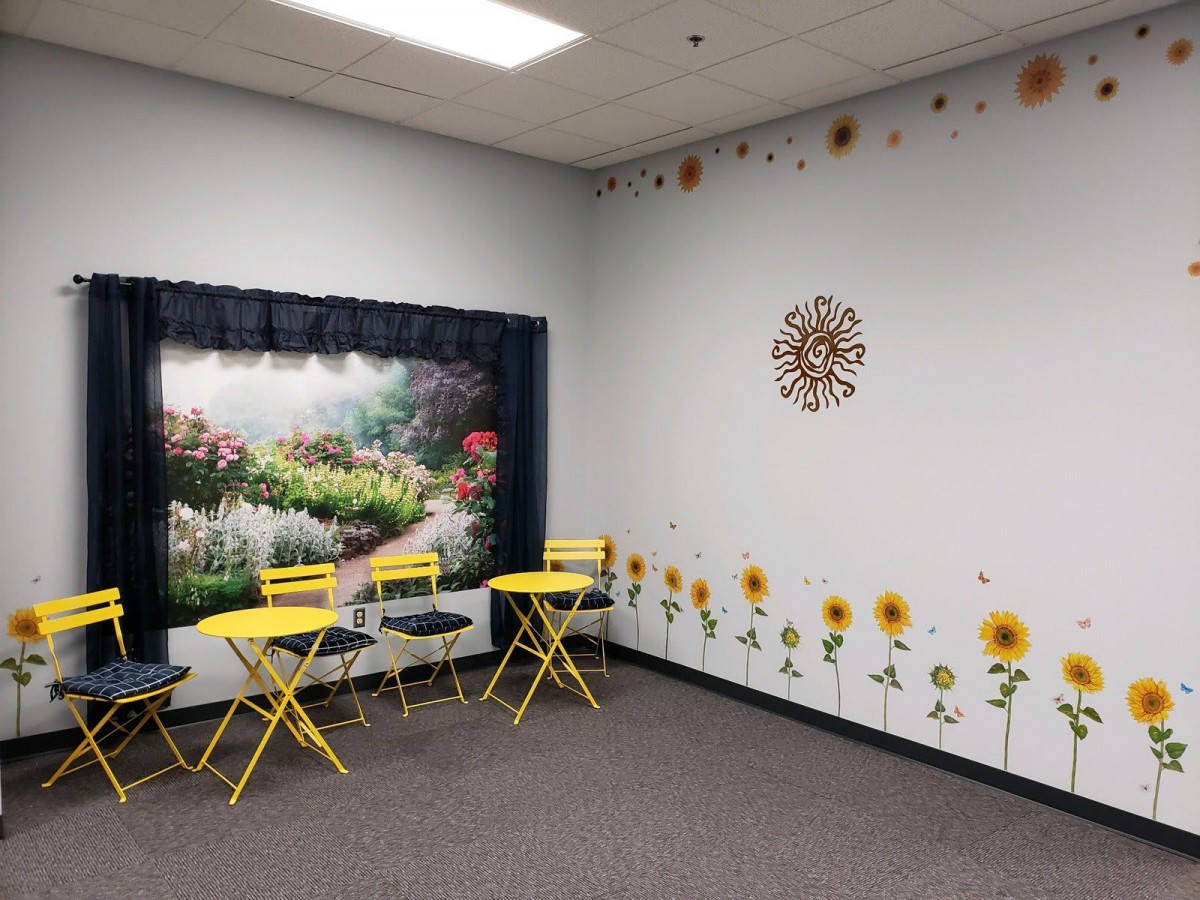
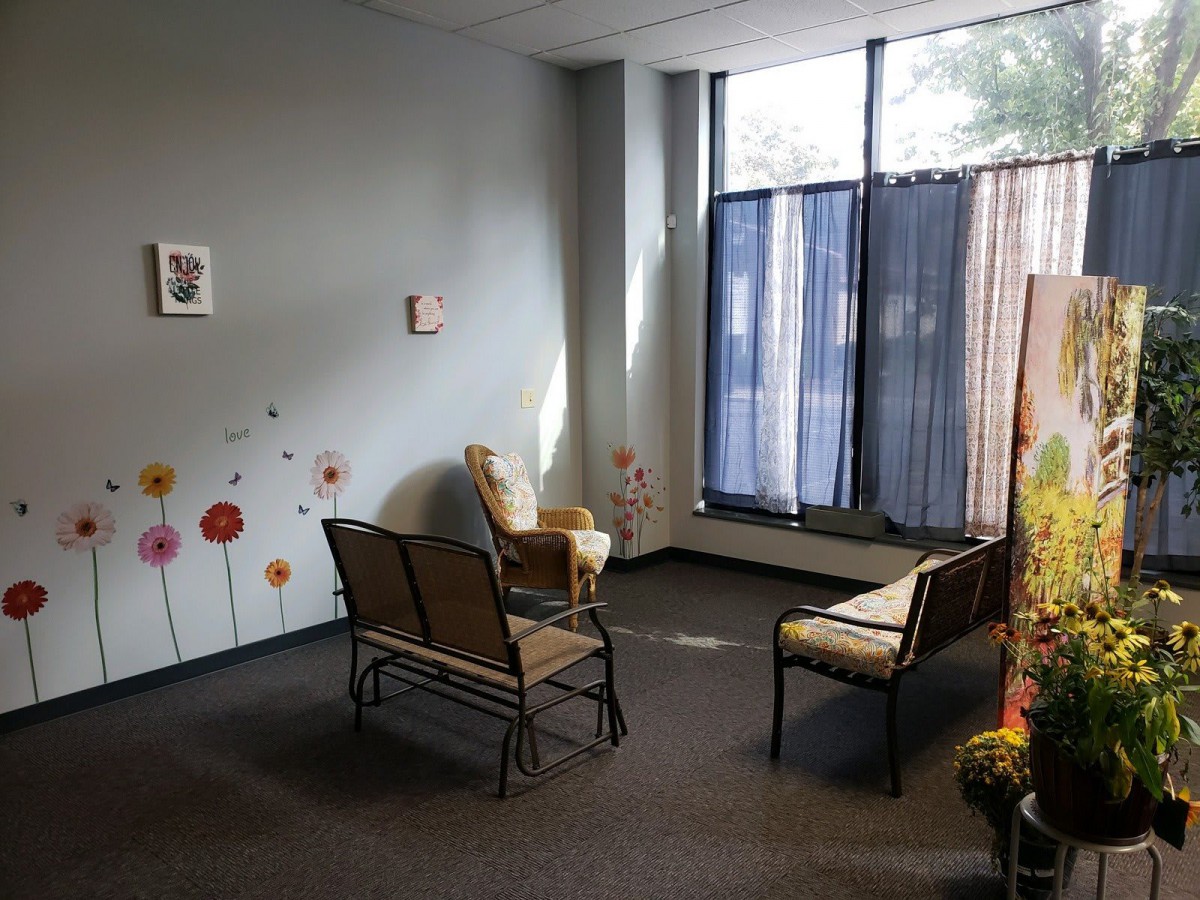
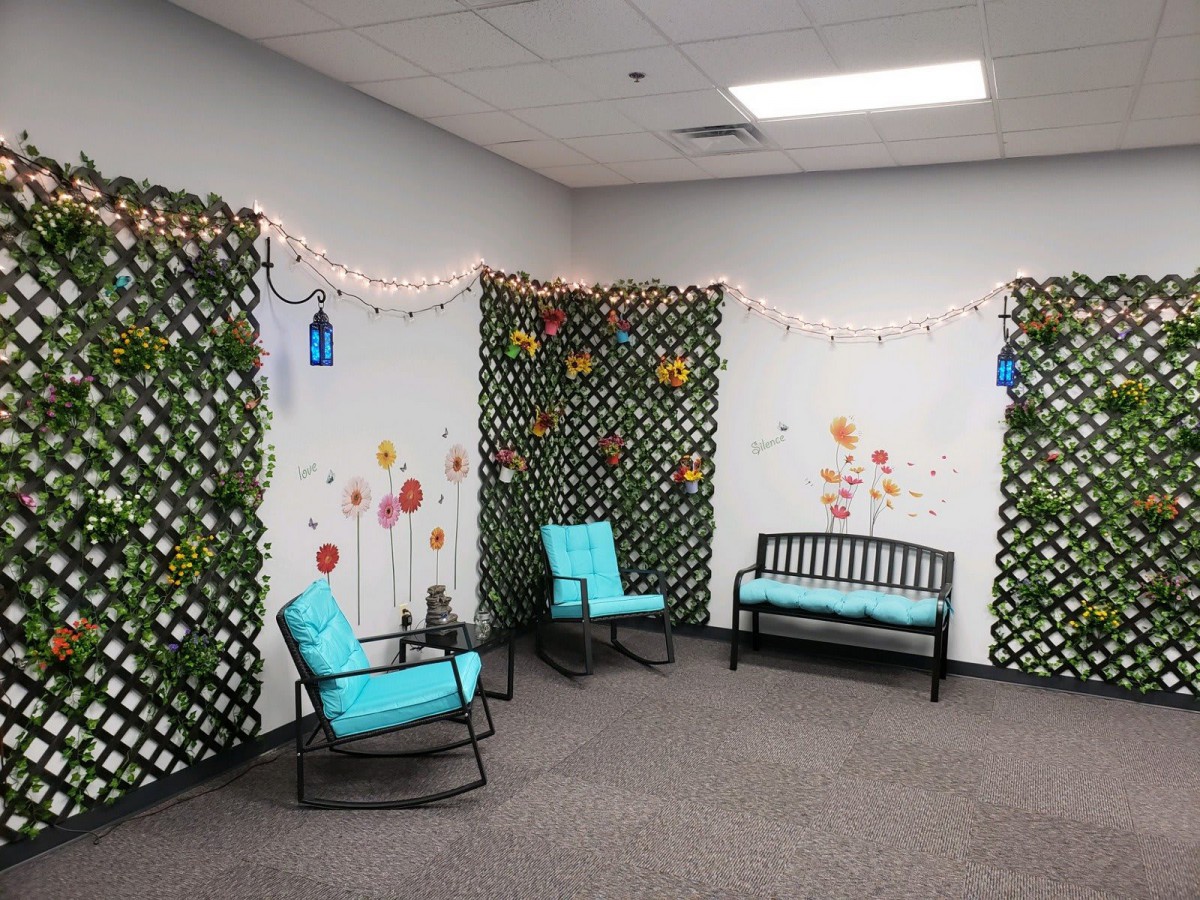
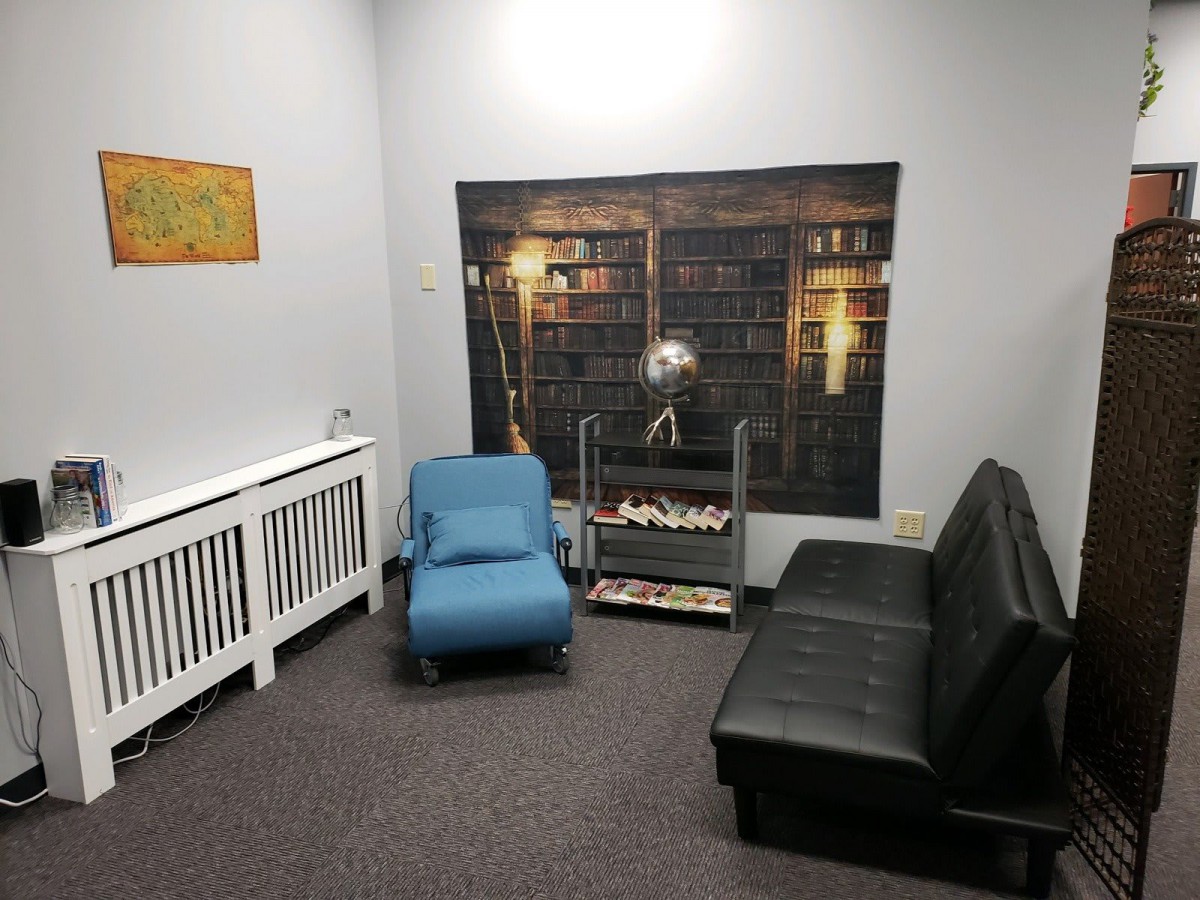
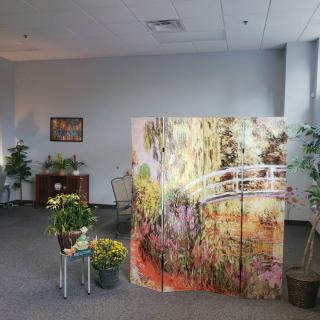
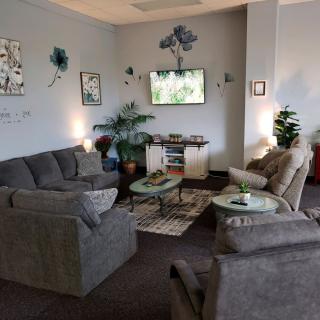
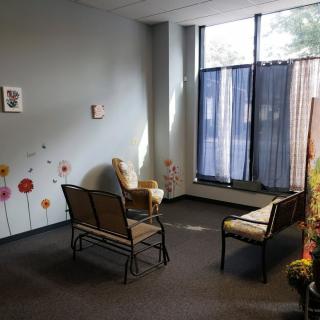
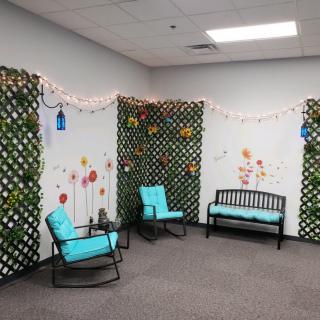
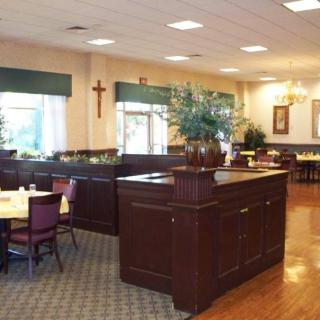
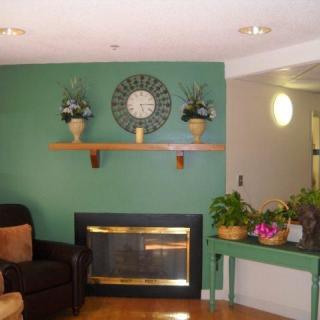
 Indoor common areas
 Wilkes-Barre Scranton International (11 miles away)
 Diabetic care
 Incontinence care
 Medication management
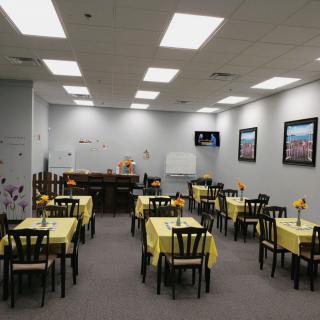
 Meals provided
 Art classes
 BBQs or picnics
 Day trips and outings
 Karaoke
 Live dance or theater performances
 Live musical performances
 Tai Chi
 Trivia games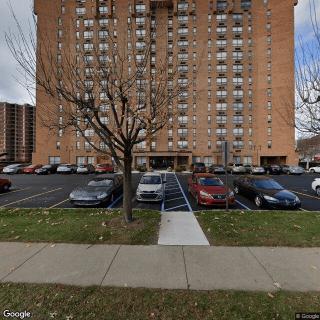


 Understanding the Sandwich Generation: Stress and Responsibilities for Multigenerational Caregivers
 8 Essential Assistive Devices for Older Adults
 Navigating the Financial Road to Nursing Home Care: In-Depth Guidance and Resources