
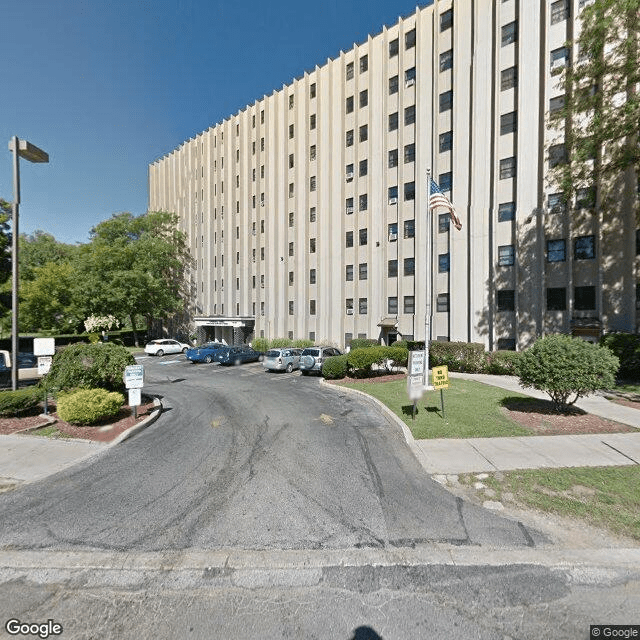
108 Oak St, Warren, PA 16365
To contact a resident: (814) 723-2312
For more information about senior living options: (866) 208-4318
Overall Review of Warren County Housing Auth
Pros
 They love living there.
- They haven't seen any cockroaches or bedbugs in their apartment.
- They described the apartment as the most beautiful they had.
- They called it a loving place to live and praised the staff as awesome.
- They felt they were treated right.
Cons
 The smokers outside are really loud and don’t care about anyone’s peace; they stay up all hours and the cigarette smell drifts through open windows.
- The workers do half-hearted jobs, and the building has a severe infestation of bedbugs and cockroaches.
- There are cockroaches and bedbugs; the place is infested, and not all apartments are sprayed, so the bugs travel between units, making Conewango Towers not worth renting.
- HAWC is described as a complete and utter joke, with tenants treated like lesser-than customers, and the director described as selfish and unkind, in need of a drastic overhaul.
Review
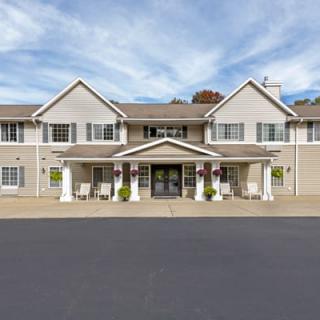
Warren County Housing Authority is best for cost-conscious seniors and other residents who rely on income-based housing and want a stable, familiar address in Warren, PA. When rent is linked to income, the monthly burden is predictable, and apartments can be comfortable if pest problems stay in check. This community emphasizes affordability and continuity over luxury or cutting-edge amenities, delivering a no-nonsense home environment. For tenants chasing long-term stability with responsive landlords and a sense of community, this property can be a dependable option. The trade-off comes in the form of older buildings and maintenance quirks that show up in resident feedback.
Yet those who demand a consistently pest-free environment or top-tier maintenance will want alternatives. Reviewers raise repeated concerns about cockroach and bedbug infestations, with some units spared while others struggle. Inconsistent upkeep and perceptions of management’s aloof or punitive approach also appear. Smokers outside create noise at late hours and deliver cigarette smells that permeate interiors. For families or individuals intolerant of pests, noise, or unpredictable service, exploring other affordable options or private-market senior housing with proven pest control will reduce risk.
On the plus side, when conditions align, the value proposition can be meaningful. Affordable rent tied to income matters greatly for fixed or limited budgets. Several residents praise the appearance of well-kept apartments and comfortable interiors. Supportive staff emerges in multiple accounts, described as friendly, responsive, and capable of addressing requests. A sense of community and belonging also surfaces, with anecdotes about being treated with respect and courtesy. For the right combination of unit condition and staff responsiveness, these elements translate into a genuinely livable home rather than simply a place to sleep.
Nevertheless, the principal drawbacks shadow the positives. The infestation issue is the most persistent and damaging fault, with clear claims of bedbugs and cockroaches and warnings about spread between towers. Inconsistent spraying across apartments means pests can persist or recur, undermining daily comfort and health. Maintenance quality is questioned by some, who call work incomplete or slow. Management reputation also suffers in certain voices, with critiques of a director perceived as overbearing or dismissive toward residents, eroding trust in the process of resolving problems.
Despite the flaws, affordability can still win out for the right tenant. The favorable rent-to-income ratio provides long-term stability that many seniors and low-income adults prioritize. If a unit is pest-free and placed away from heavy smoker zones, the living experience improves dramatically. The strongest case for this community rests on genuine, reliable staff conduct when issues are raised and on a home-like, forgiving atmosphere that minimizes stress. In short, affordability plus decent staff can create a workable, even warm, living situation, provided pest control and maintenance are handled competently.
Prospective residents should approach with a concrete plan. Gather input from current residents, request pest-control history for the chosen unit, and obtain a documented remediation protocol. Tour multiple units, especially in towers with frequent complaints, to assess cleanliness, upkeep, and noise. If affordability is the priority and pest issues can be avoided or controlled, this community offers a solid, stable home. If the emphasis is on immaculate pest-free living, modern amenities, and consistently proactive management, alternatives will deliver more predictable outcomes.
 Assisted Living
 Activities on-site
 Devotional services off-site
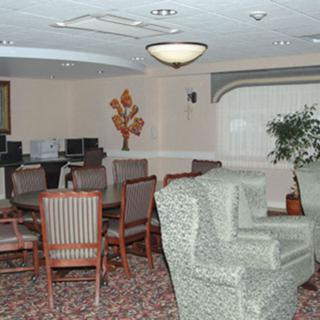
 Indoor common areas
 Ambulatory care
 Diabetic care
 Meals provided
 Comprehensive Supportive Living Arrangements for Adults with Disabilities
 Funding and Affording Assisted Living: A Thorough Overview
 Assisted Living Expenses and Long-Term Care Insurance: A Comprehensive Exploration