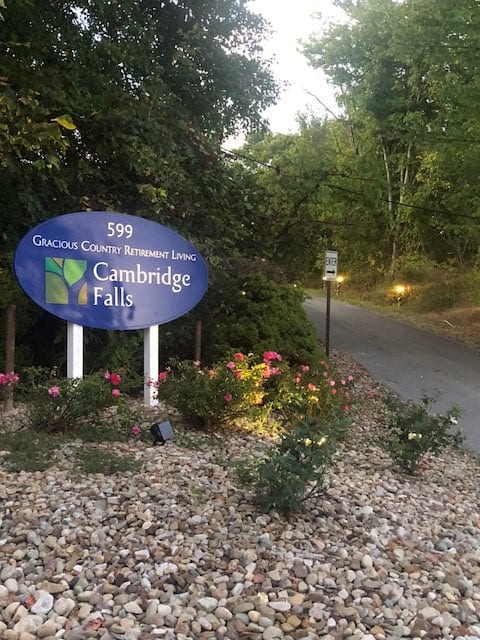


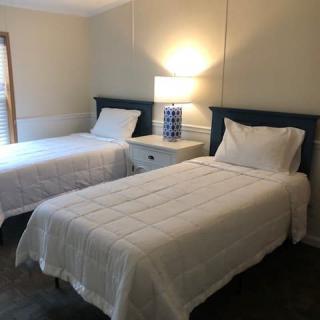
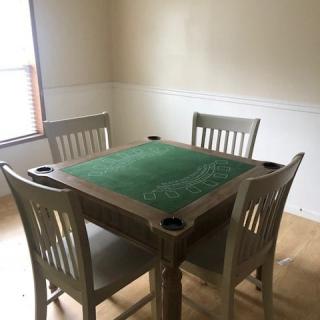
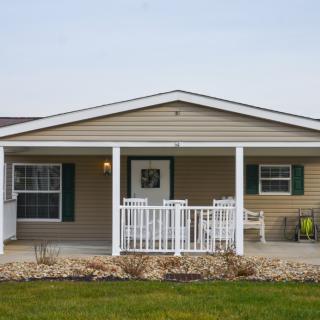
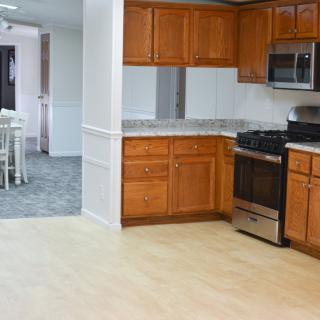
599 Norwood Drive, Wampum, PA 16157
For more information about senior living options: (866) 208-4318
Katera S Kove Personal Care And Secured Dementia Community Costs & Pricing
Katera S Kove Personal Care And Secured Dementia Community offers competitive pricing for its services when compared to the regional averages in Lawrence County and the broader state of Pennsylvania. The monthly costs for a semi-private room are $3,100, which is notably higher than the county's average of $2,338 but slightly below the state average of $3,542. For studio accommodations, the community charges $3,600 - this figure aligns more closely with Lawrence County's average of $3,213 while remaining slightly lower than Pennsylvania's statewide average of $3,737. Finally, residents opting for a one-bedroom apartment will find Katera S Kove's rate of $4,100 to be higher than both the county's average of $3,085 and nearly equivalent to the state's average of $4,006. Overall, this pricing structure suggests that while Katera S Kove is positioned at a premium relative to some local options, it maintains reasonable competitiveness against state averages, reflecting its specialized care offerings for those with dementia.
| Floor plans | Katera S Kove Personal Care And Secured Dementia Community | Lawrence County | Pennsylvania |
|---|---|---|---|
| Semi-Private | $3,100 | $2,338 | $3,542 |
| Studio | $3,600 | $3,213 | $3,737 |
| 1 Bedroom | $4,100 | $3,085 | $4,006 |
Memory care communities with a similar price nearby
-
from +$155 / mo
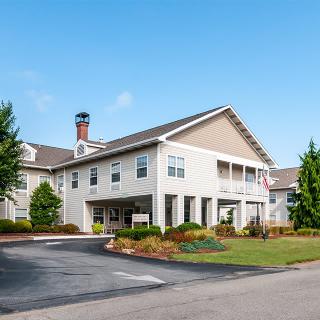
Newhaven Court at Clearview
$3,255 to $4,580 / month23.1 miles away -
from -$150 / mo
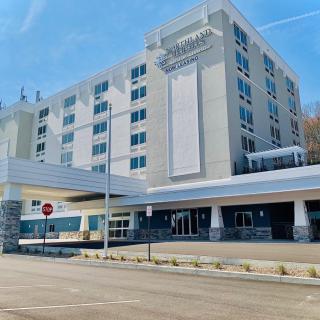
Northland Heights
$2,950 to $4,200 / month24.1 miles away -
from +$551 / mo
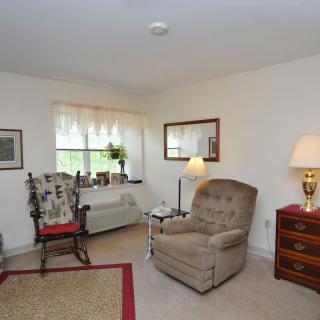
Celebration Villa of Chippewa
$3,651 to $5,090 / month4.3 miles away -
from +$495 / mo
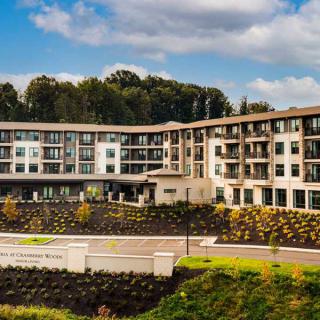
Atria at Cranberry Woods
$3,595 to $6,495 / month13.9 miles away -
from +$250 / mo
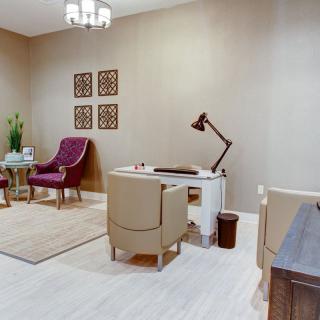
Tapestry Senior Living Moon Township II
$3,350 to $4,600 / month23.5 miles away
Overall Review of Katera S Kove Personal Care And Secured Dementia Community
Pros
 Very well managed.
Cons
 The care was horrible.
- The facility was not well managed, with patients taken to other facilities by state troopers by order of HHS amid allegations of months of unpaid bills, cash payments under the table, and staff walking out on patients.
Review
This community is best suited for families seeking secured dementia care in a small-town setting who can tolerate active advocacy and ongoing oversight on the resident’s behalf. It appears designed to keep wandering in check and provide around-the-clock supervision, which can be appealing for memory-care needs in a budget-conscious package. Yet the landscape requires vigilance: leadership and governance must be proved steady, transparent, and responsive to concerns. In practical terms, the best-fit resident is one whose family is prepared to stay engaged, request regular updates, and closely monitor care plans, staffing levels, and day-to-day operations.
Those who should seriously consider alternatives include families with non-negotiable demands for safety, consistent staffing, and transparent management. The reported history of inconsistent care and a highly negative incident years ago raise real questions about governance and reliability. For residents who require stronger medical oversight, smoother transitions to hospital or rehab services, or a consistently staffed environment, other local memory-care and assisted-living options are likely to deliver greater peace of mind. Location and price matter, but they cannot substitute for dependable care and predictable leadership.
On the upside, a minority of reviews signal that the facility can be “very well managed.” That lone positive thread, however, does not cancel the persistent warnings embedded in other accounts. The competing voices create a troubling inconsistency: families may experience periods of adequacy followed by what feels like leadership gaps or care disruptions. In practical terms, the potential upside is fragile and heavily contingent on an active, continuous effort by administrators to prove stability, implement robust care planning, and maintain steady staffing. Without that steadiness, the favorable impressions are unlikely to endure.
The most troubling indicator is the documented episode from 2017 involving alleged unpaid months, cash-based arrangements, and staff departures that prompted involvement by state authorities and residents being moved to other facilities. Even if years have passed, this history signals vulnerabilities in financial controls, regulatory compliance, and daily staffing continuity. It implies a tangible risk of abrupt shifts in care routines, room assignments, or resident safety protocols. Families must weigh the comfort of a seeming lower cost or intimate setting against the potential for governance upheaval that can destabilize day-to-day care.
If a decision leans toward pursuing this option, a disciplined due-diligence approach is essential. Demand current state inspection reports, up-to-date staffing schedules, and a transparent explanation of turnover and training practices. Insist on a thorough tour during peak activity, direct conversations with caregiving staff about routines and safety measures, and a clear, written dementia-care plan tailored to the resident’s stage. Compare this community to other nearby memory-care and assisted-living options on concrete metrics: safety records, medication management, emergency responsiveness, and verifiable resident-family feedback. Clarity on leadership, financial practices, and proactive problem-solving should drive the final call.
Bottom line: the combination of a low overall rating and a high-profile past incident creates a risk profile that warrants cautious consideration. For most families, exploring alternatives with stronger regulatory histories and demonstrable, stable management offers greater confidence in consistent, safe dementia care. If this option is retained, it must be accompanied by rigorous oversight, regular leadership updates, and a documented plan to address staffing stability and resident safety. The decision should hinge on current performance and tangible improvements rather than past impressions, ensuring a resilient, reliable care environment for the resident’s needs.
 79 resident community capacity
 Assisted Living
 Memory Care
 Respite Care
 Activities off-site
 Air-conditioning
 Beautician on-site
 Cable or satellite TV
 Computer center
 Devotional services on-site
 Dining room
 Fitness room
 Fully furnished
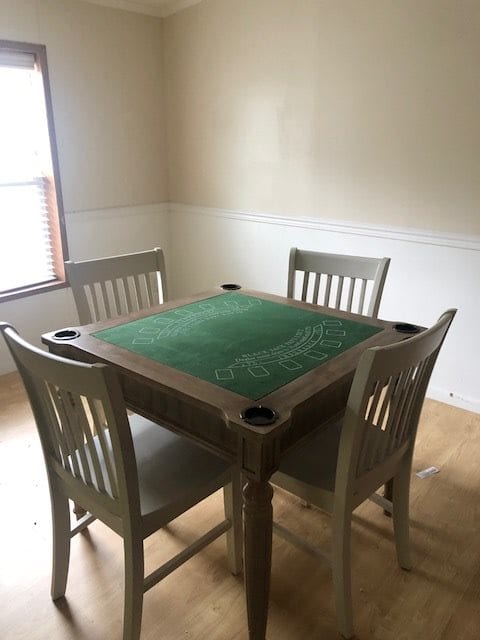
 Gaming room
 Garden
 Ground floor units
 Housekeeping services
 Indoor common areas
 Kitchenette
 Move-in coordination
 Outdoor common areas
 Private bathrooms
 Restaurant-style dining
 Small library
 Telephone
 Wellness center
 Wheelchair accessible showers
 Wi-Fi/high-speed internet available
 Pittsburgh International (23 miles away)
 Community operated transportation
 12-16 hour nursing
 24-hour call system
 Ambulatory care
 Assistance with bathing
 Assistance with dressing
 Assistance with transfers
 Diabetes diet
 Diabetic care
 High acuity care
 Incontinence care
 Medication management
 Mental wellness program
 Special dietary restrictions
 Art classes
 Catholic services
 Concierge services
 Day trips and outings
 Karaoke
 Live dance or theater performances
 Live musical performances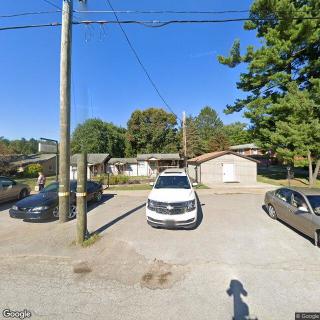



 Dementia, Paranoia, and Caregiver Guidance: Understanding the Connection
 Engaging Memory Care Activities That Enhance Quality of Life
 When to Transition from Assisted Living to Memory Care: Key Indicators, Steps, and Finding the Right Community