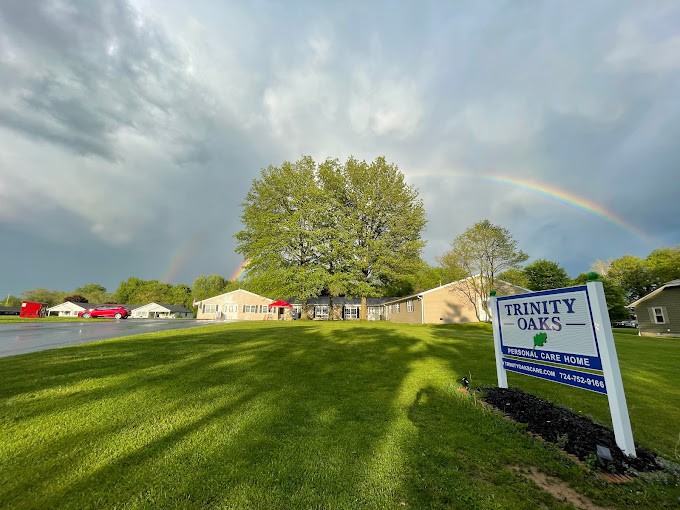
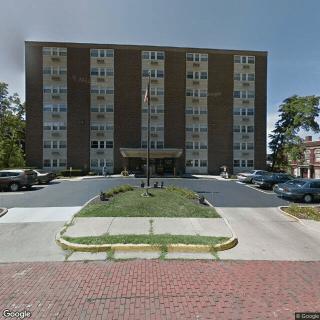
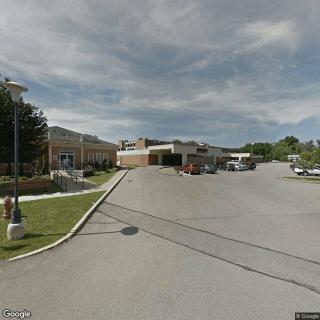
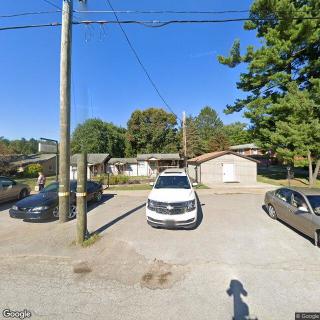
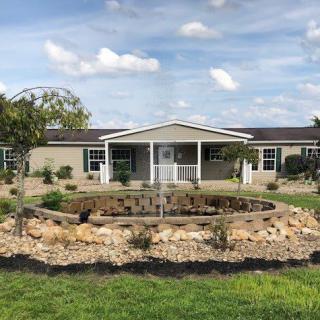
117 Shady Rest Road, Ellwood City, PA 16117
For more information about senior living options: (866) 208-4318
Overall Review of Trinity Oaks II
Pros
 Trinity Oaks is described as the best place for loved ones.
Cons
 Trinity Oaks does not deserve even one star.
- The staff's demeanor is consistently inconsiderate and rude, with an alarming level of incompetence.
- Bonnie, who appears to be in charge, lacks the necessary skills to manage a facility of this nature.
- Bonnie's decisions seem heavily influenced by George, the owner, whose abrasive attitude exacerbates challenges for residents and their families.
- The staff's negligence in monitoring residents leads to preventable accidents such as falls and residents wandering off the property.
- Trinity Oaks is the worst facility the reviewer has encountered in the area, possibly throughout Pennsylvania, and the overall experience has been nothing short of a nightmare.
Review
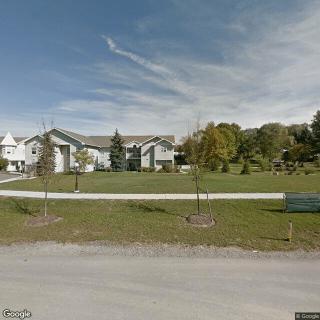
Trinity Oaks II in Ellwood City is best suited for families who must operate as hands-on overseers and are navigating elder-care options where cost matters and the setting feels intimate. The community may work for residents who do not demand flawless service or perfect staff attentiveness and who can tolerate variability in daily care. Still, this is not a plan for those who require consistently warm interactions, predictable safety oversight, and steady administrative leadership. In short, Trinity Oaks II leans toward a budget-conscious choice with the crucial caveat that daily care quality and safety are not reliably predictable.
Families weighing options should explicitly consider alternatives if safety and reliability are non-negotiable. This facility is unlikely to satisfy those who expect proactive, respectful staff and transparent governance. For residents with complex medical needs or those requiring robust skilled-nursing oversight, it is prudent to seek a facility with a proven track record of stable clinical teams and measurable safety outcomes. The decision becomes clearer: weigh cost against the paramount need for dependable care and trustworthy leadership.
The reviews point to a troubling disconnect between potential affordability and actual care experience. On the surface, a smaller operation can promise a more straightforward living environment and easier access to administration. Yet the central concerns lie in the tone and competence of staff, described as inconsistent and, at times, rude, with management decisions interpreted as abrasive. The most serious issues involve safety gaps, falls and residents wandering off, along with audible resident dissatisfaction. Taken together, these factors overwhelm any vague, unspoken benefits and cast doubt on the facility’s day-to-day reliability.
Prospective visitors should verify several concrete elements during tours and conversations. Ask for current staffing levels by shift, caregiver turnover rates, and the background of the leadership team. Request detailed incident logs, fall-prevention plans, and the facility’s process for addressing complaints. Seek recent state survey results and any corrective action plans, and gauge administrator accessibility and responsiveness. Most importantly, speak directly with current residents or families about perceived care quality, staff courtesy, and how concerns are resolved in practice.
When weighing Trinity Oaks II against nearby options, the emphasis should be on ongoing oversight and proven safety culture. Compare staffing stability, training programs, and visible accountability structures across facilities. Review state inspection histories and independent ratings, talk to multiple families, and consider repeating visits at different times to observe consistency. If a choice is made, it should rest on clear assurances that staff respond promptly, wandering risk is actively mitigated, and leadership remains engaged with resident welfare rather than detached from everyday caregiving.
The bottom line is practical and decisive: Trinity Oaks II carries an inherent risk profile suggested by reports of inconsistent staff behavior and safety lapses, and it requires vigilant family involvement to offset those gaps. For families that cannot sustain rigorous oversight or require dependable, compassionate care with a predictable safety record, alternatives in the area are the prudent path. If cost remains a priority, this option might still exist as a last resort only after confirming strong, tangible improvements in staff accountability, safety protocols, and resident satisfaction. In most scenarios, however, stronger-performing facilities with steadier leadership and clearer commitment to resident safety will deliver far more reliable peace of mind.
 30 resident community capacity
 Assisted Living
 Beauty salon
 Cable or satellite TV
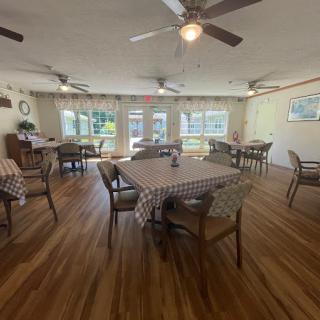
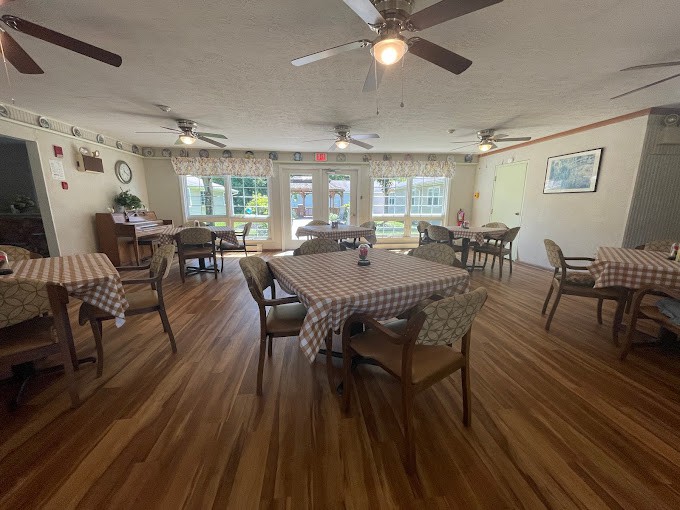
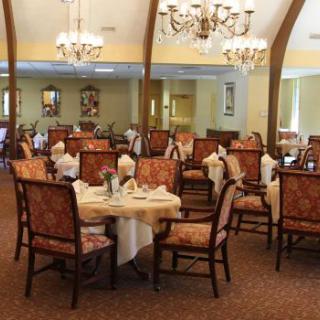
 Dining room
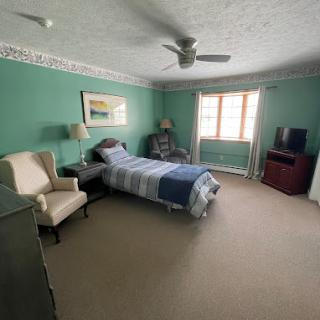
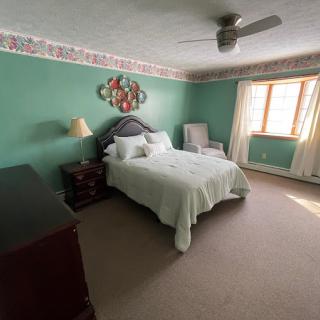
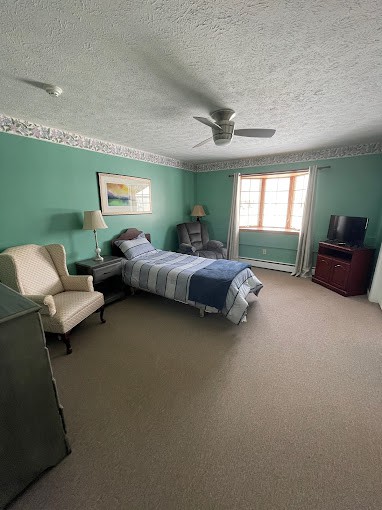
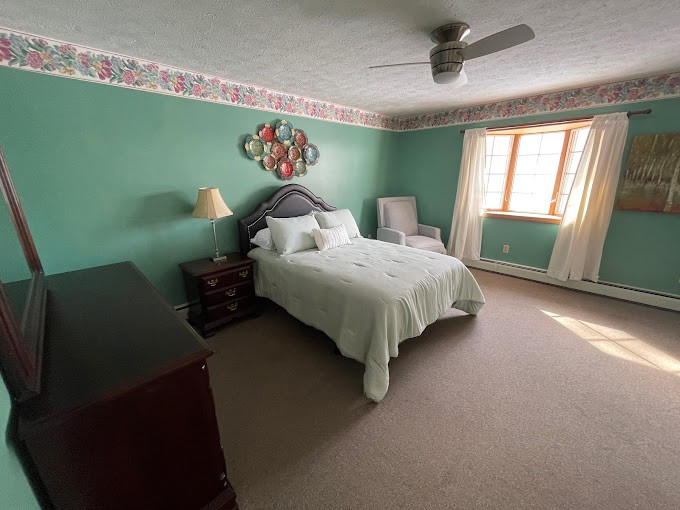
 Fully furnished
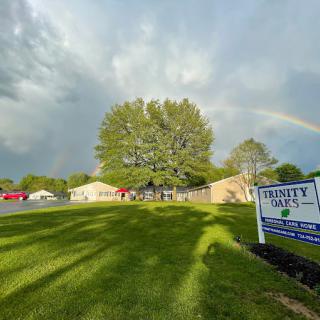
 Garden
 Housekeeping services
 Kitchenette
 Move-in coordination
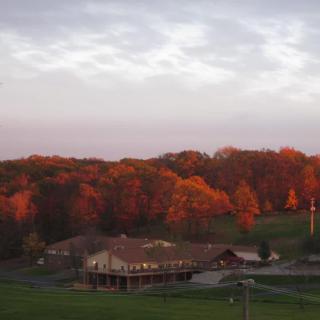
 Outdoor space
 Restaurant-style dining
 Small library
 Telephone
 Wi-Fi/high-speed internet available
 Pittsburgh International (24 miles away)
 24-hour call system
 Activities of daily living assistance
 Assistance with bathing
 Assistance with dressing
 Assistance with transfers
 Diabetes diet
 Medication management
 Mental wellness program
 Special dietary restrictions

 Beyond the Bingo Hall: 50+ Enriching Activities for Seniors in Assisted Living
 Understanding the Distinctions: Assisted Living and Memory Care Explained
 Guiding Elderly Parents Who Refuse Assisted Living: 6 Practical Steps