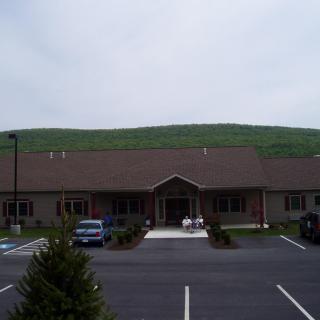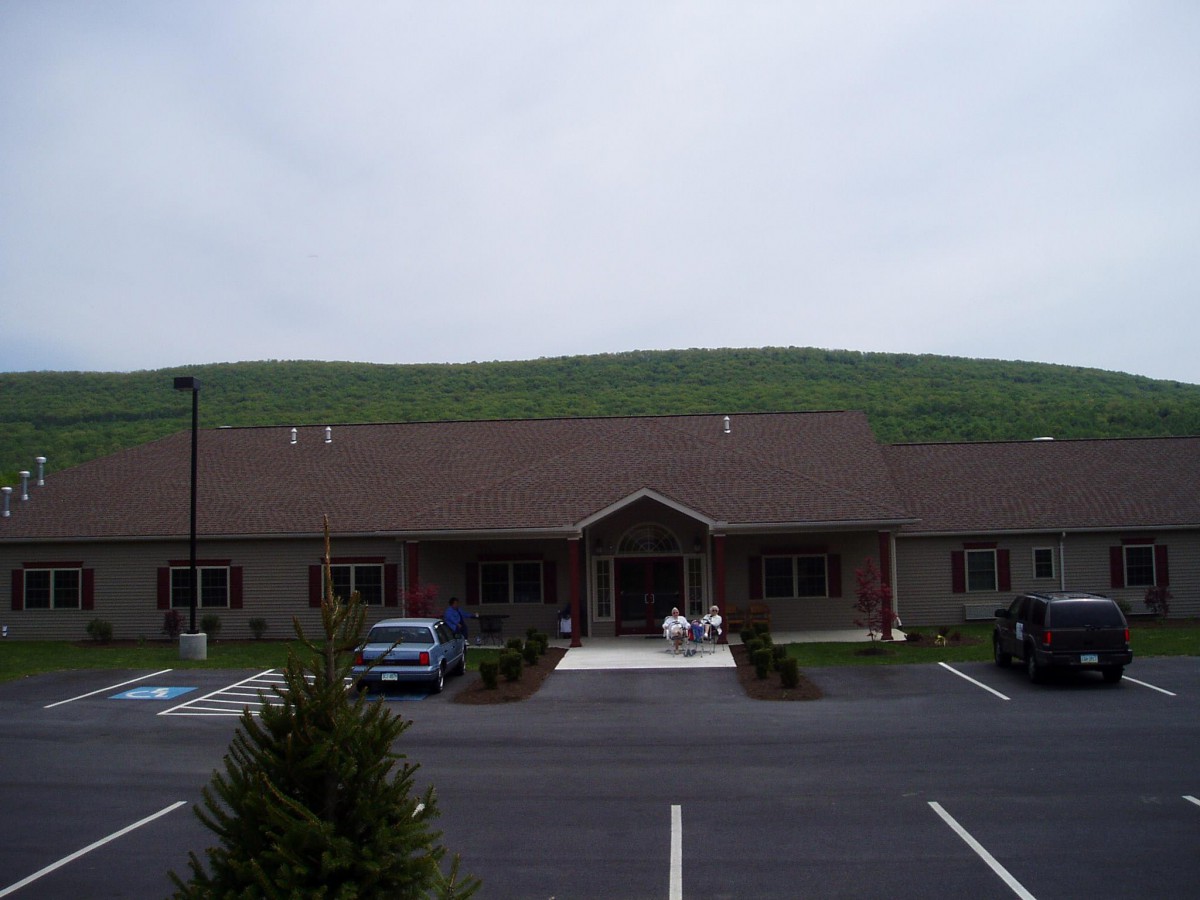

13771 S. Eagle Valley Road, Tyrone, PA 16686
To contact a resident: (814) 684-1005
For more information about senior living options: (866) 208-4318
Olivia Village Assisted Living Residence Costs & Pricing
Olivia Village Assisted Living Residence offers competitive pricing for its residents, with both the 1-bedroom and semi-private room types available at $2,700 per month. This rate is notably aligned with the average costs in Huntingdon County, reflecting a commitment to affordability within the local market. In comparison, assisted living rates across Pennsylvania can be considerably higher, with averages reaching $4,006 for a 1-bedroom and $3,542 for a semi-private room. This positions Olivia Village as an attractive option for those seeking quality care without the burden of excessive financial strain, providing valuable peace of mind in a welcoming environment.
| Floor plans | Olivia Village Assisted Living Residence | Huntingdon County | Pennsylvania |
|---|---|---|---|
| Semi-Private | $2,700 | $4,355 | $3,542 |
| 1 Bedroom | $2,700 | $2,700 | $4,006 |
Overall Review of Olivia Village Assisted Living Residence
Pros
 The staff are very interactive with the residents.
- Olivia Village is a small, family-owned community that makes residents feel valued.
- They make residents feel like a person, not a number.
- The staff are very good.
- The food is home-cooked and very good.
- The facility is super clean and the rooms are kept clean.
- The price is very reasonable for the care provided.
- The reviewers would absolutely recommend Olivia Village to other families.
Cons
 They could add more staff.
- They need to be more organized.
- The food they serve does not seem appropriate for the residents.
Review
Olivia Village is best suited for families seeking a small, intimate, family‑owned setting where residents are treated as individuals rather than numbers. The community shines for seniors who want home‑cooked meals, approachable staff, and the option of private or shared rooms within a straightforward, walkable footprint. It suits those who value hands‑on engagement from caregivers, regular social activities, and convenient access to a visiting therapist and doctor. For families prioritizing a warm, neighborly atmosphere and affordability without a clinical, impersonal vibe, Olivia Village delivers. Those needing a large campus with extensive institutional programming may want to consider alternatives, as the scale and staffing model here remain modest.
Families should consider alternatives if the priority is robust, around‑the‑clock clinical oversight or highly structured programs. The reviews acknowledge capable staff, but also hint at a need for more hands on deck during peak times. The small size can limit the breadth of programming and may lead to occasional organizational gaps. Moreover, while the dining is praised, the absence of a dedicated nutritionist suggests dietary oversight may not be as rigorous as some families require. In short, residents with complex medical needs or strict dietary management might fare better in a larger setting with formal medical and nutritional support.
The strongest positives, home‑style meals, perceived good value, and genuine staff engagement, help offset potential downsides. Food is described as satisfying and consistently “home cooked,” and families report easy communication with staff, a clean environment, and a welcoming, person‑centered atmosphere. The option of private rooms and shared layouts offers flexibility for couples or roommates, while outdoor access, bingo, and accessible common areas support social life and daily structure. The overall impression of care is favorable, and the reasonable price point is a meaningful offset for families balancing budget with care quality.
On the risk side, organization appears to be a recurring theme. Several reviews point to a need for more streamlined operations, with some concern that the staffing mix, particularly a higher proportion of younger staff, could affect continuity and responsiveness. The nutrition question also looms: without a dedicated dietitian, menus may not always meet every resident’s dietary requirements or preferences. While these concerns are not catastrophic, they signal where families should probe during tours and ask for specific care plans, menu cycles, and staff coverage schedules to ensure consistency.
When weighed against alternatives, Olivia Village holds real appeal for families who value individuality, warmth, and affordability over absolute clinical intensity. Larger communities with full‑time RNs, on‑site nutritionists, and more expansive activity staffs can deliver steadier clinical oversight and more standardized dining, but they often do so at a higher price and a more impersonal feel. For residents who thrive on a home‑like routine, predictable communication, and straightforward care needs, Olivia Village can be a better emotional and financial fit, provided expectations are aligned with the staffing and program scale.
Actionable next steps: visit with an eye toward staffing patterns, ask to see a current dining menu and a sample activity calendar, and confirm whether a dietitian is available or if meals are planned with outside input. Request specifics about room options, whether private or shared accommodations suit the resident, and how situations requiring more intensive care are handled. Inquire about transition plans if health status changes and verify the responsiveness of the care team to changes in mood, appetite, or mobility. For families prioritizing warmth, personal attention, and value, Olivia Village is a solid choice; for those needing stronger clinical protocols or explicit nutritional oversight, alternatives should be weighed carefully.
 Assisted Living
 Memory Care
 Skilled Nursing Facility
 Activities on-site
 Devotional services off-site
 Indoor common areas
 University Park (21 miles away)
 Ambulatory care
 Diabetic care
 Incontinence care
 Medication management
 Physical therapy
 Meals provided
 English




 Dementia, Paranoia, and Caregiver Guidance: Understanding the Connection
 Engaging Memory Care Activities That Enhance Quality of Life
 When to Transition from Assisted Living to Memory Care: Key Indicators, Steps, and Finding the Right Community