






166 Siemon Drive, Somerset, PA 15501
To contact a resident: (814) 444-1844
For more information about senior living options: (866) 208-4318
Siemon's Heritage Personal Care Home Costs & Pricing
Siemon's Heritage Personal Care Home offers competitive pricing for its services compared to both Westmoreland County and the broader state of Pennsylvania. For a semi-private room, residents pay $2,820 per month, which is notably more affordable than the county average of $2,955 and significantly lower than the state average of $3,542. The studio option is priced at $3,480, slightly above the county's rate of $3,436 but still favorable when juxtaposed with Pennsylvania's average of $3,737. Lastly, the one-bedroom suite is available for $4,020; while this exceeds the county average of $3,433, it falls closely in line with the state's average monthly cost of $4,006. Overall, Siemon's Heritage strikes a balance by offering various room types at accessible price points within a competitive regional landscape.
| Floor plans | Siemon's Heritage Personal Care Home | Westmoreland County | Pennsylvania |
|---|---|---|---|
| Semi-Private | $2,820 | $2,955 | $3,542 |
| Studio | $3,480 | $3,436 | $3,737 |
| 1 Bedroom | $4,020 | $3,433 | $4,006 |
Assisted Living communities with a similar price nearby
-
from +$435 / mo

The Villa Personal Care Home
$3,255 / month21.8 miles away -
from +$98 / mo
Barnes Place
$2,918 to $5,016 / month24.9 miles away
Overall Review of Siemon's Heritage Personal Care Home
Pros
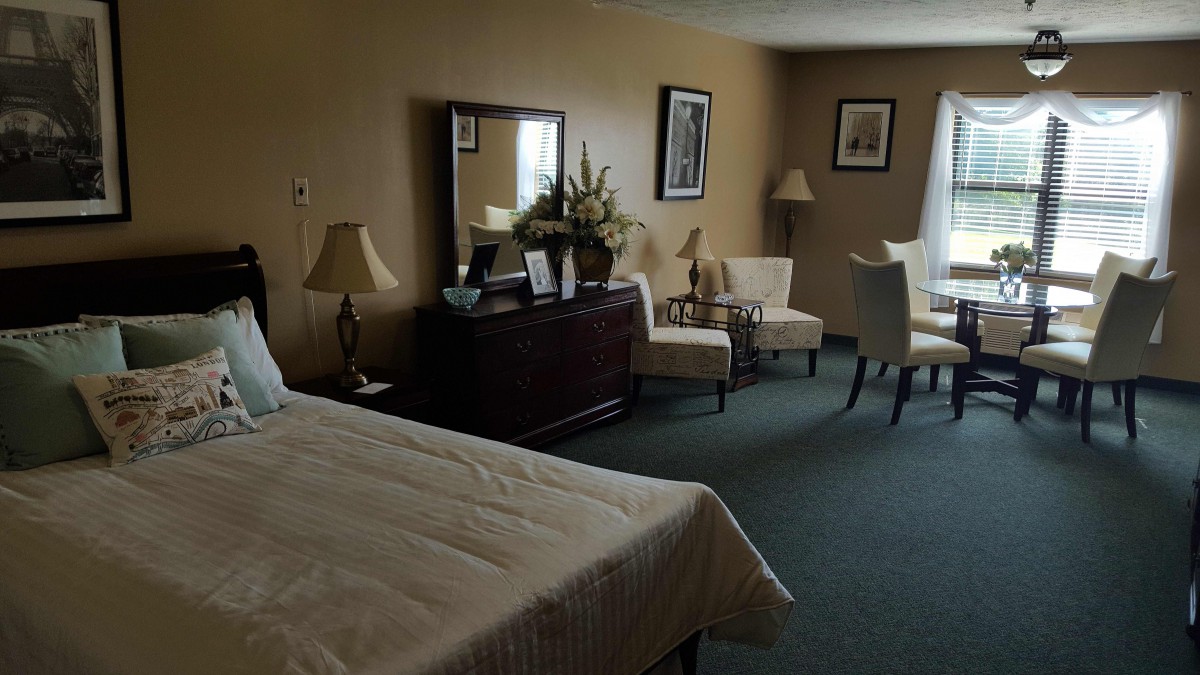
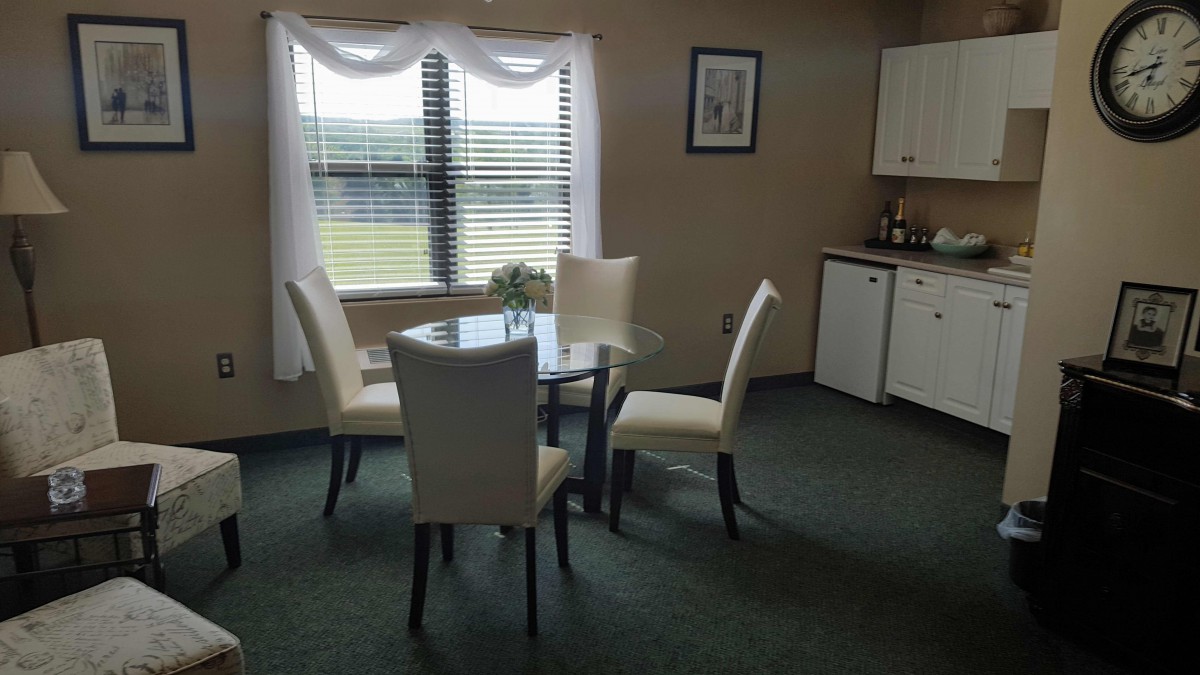
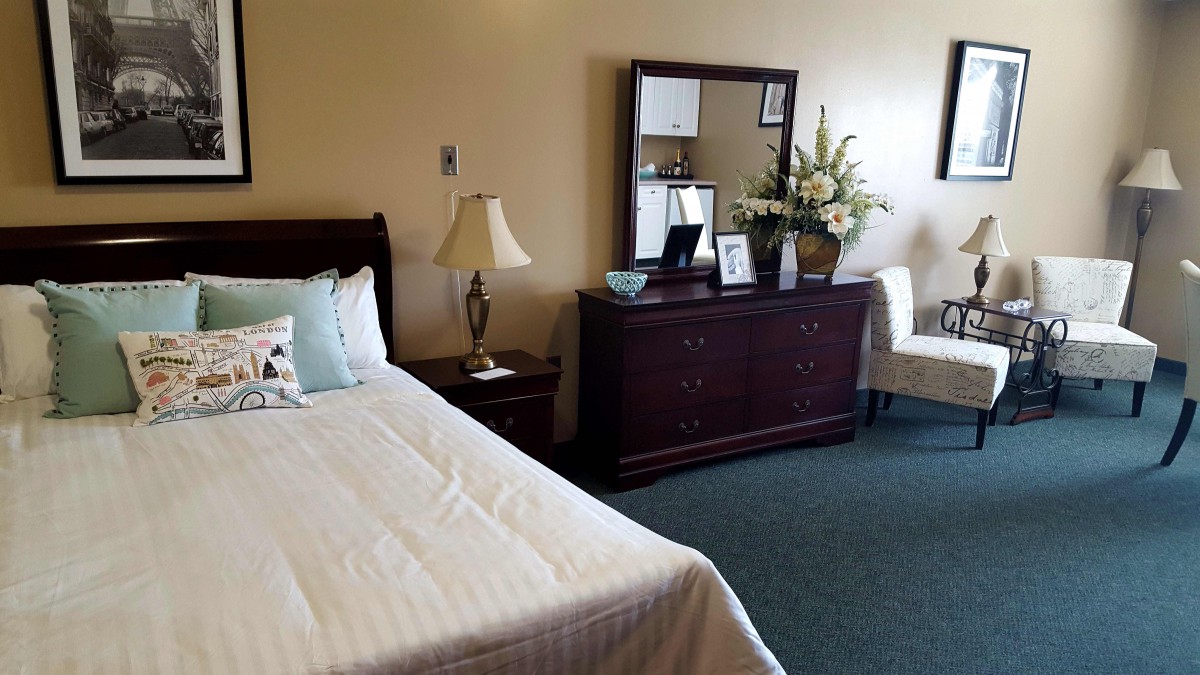
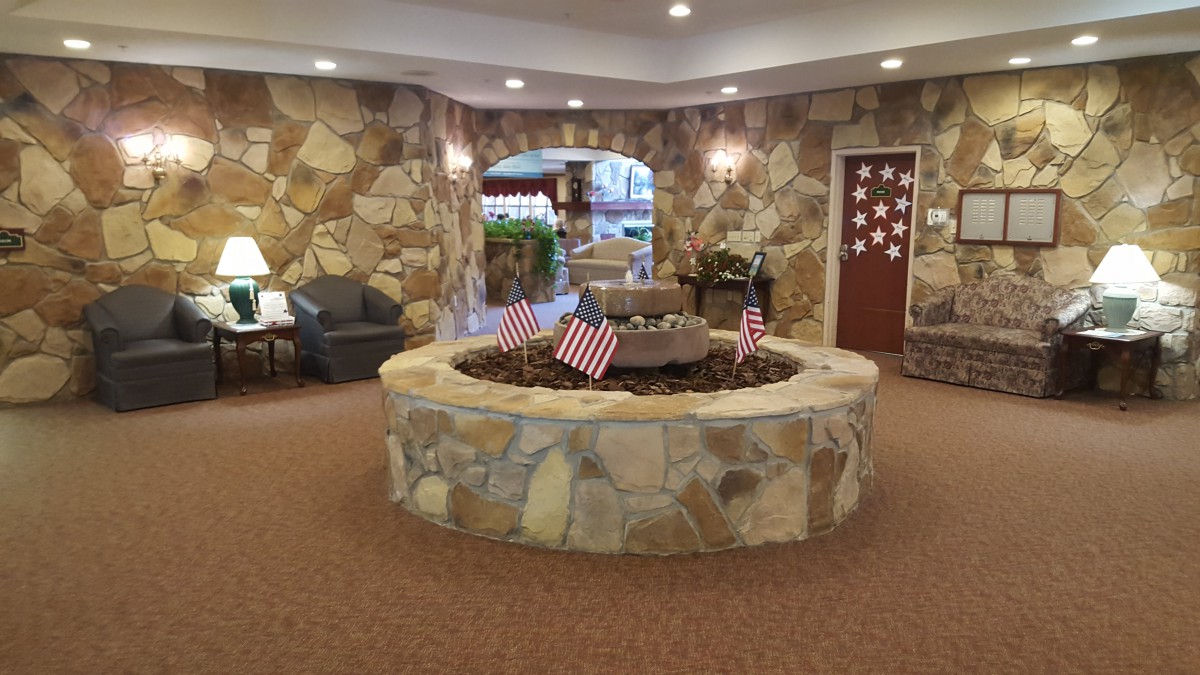
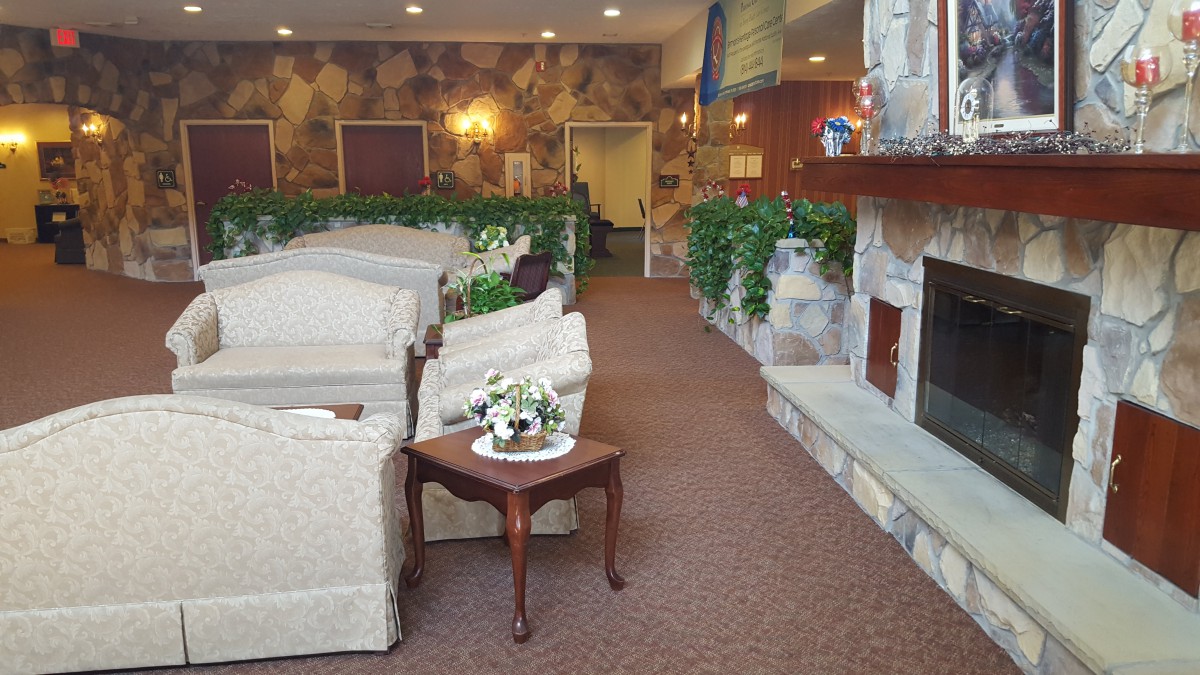
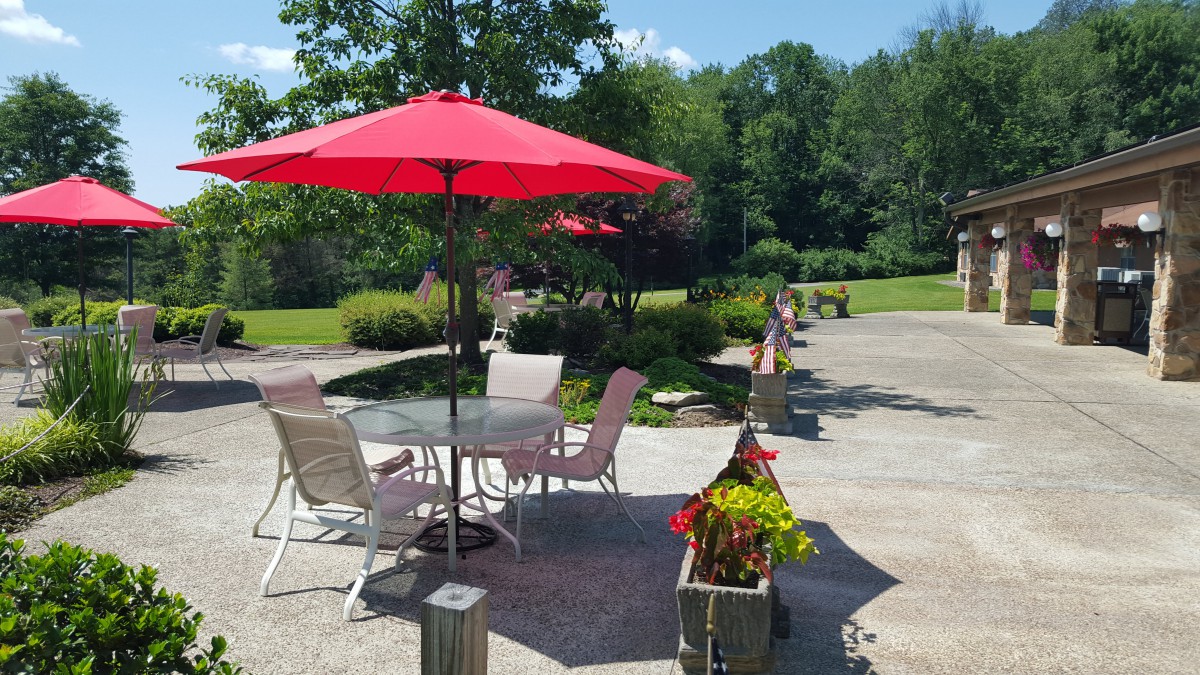
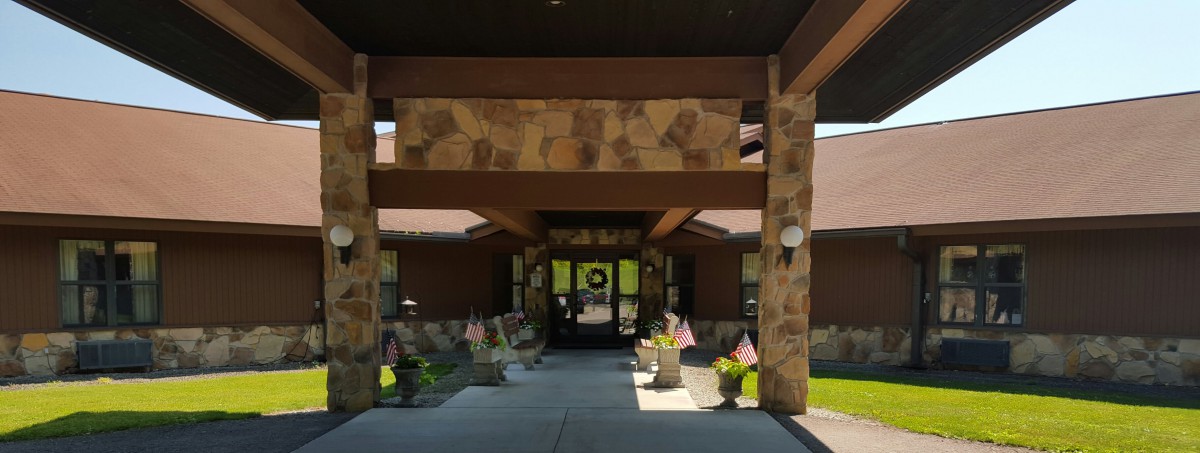
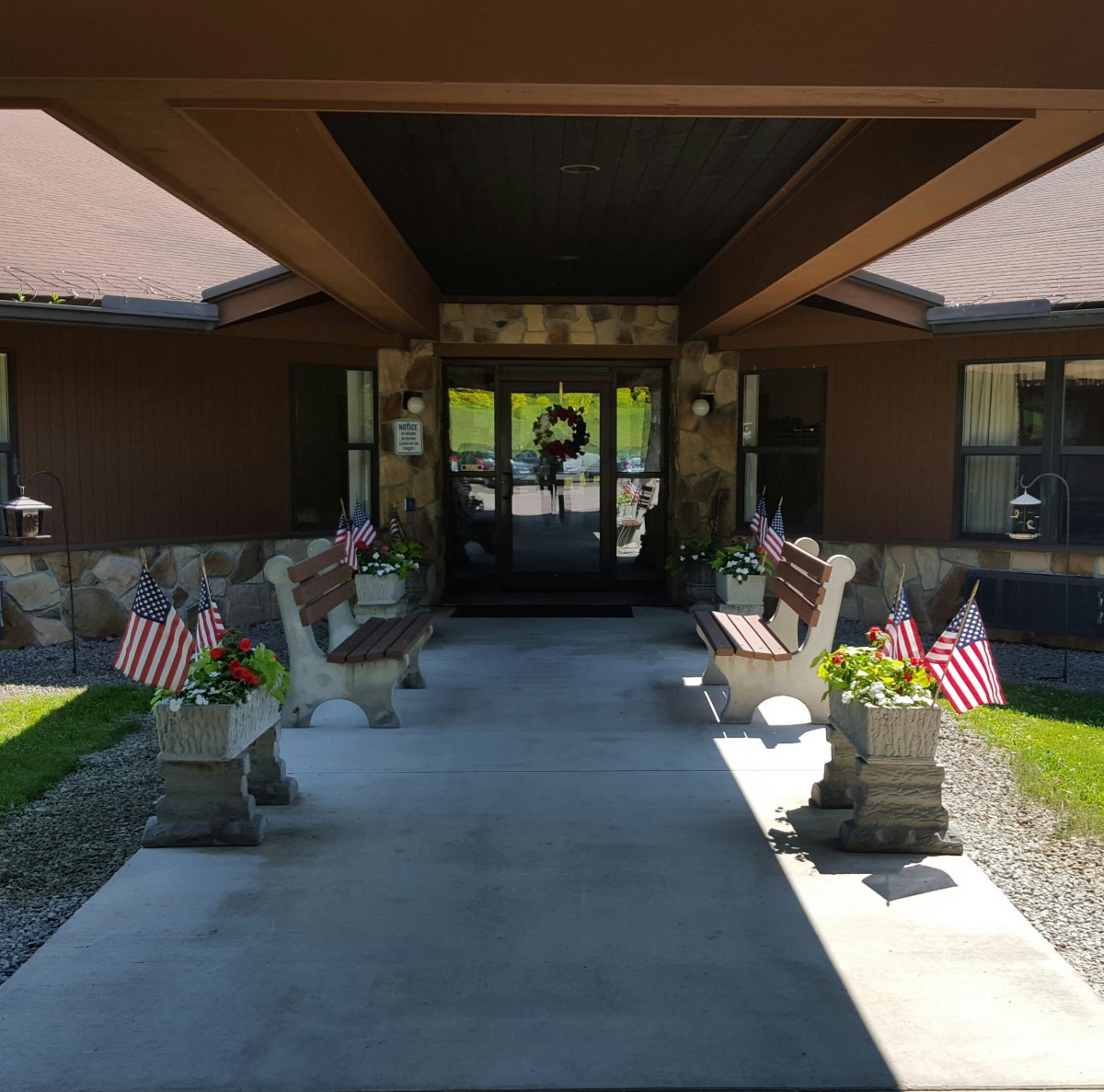
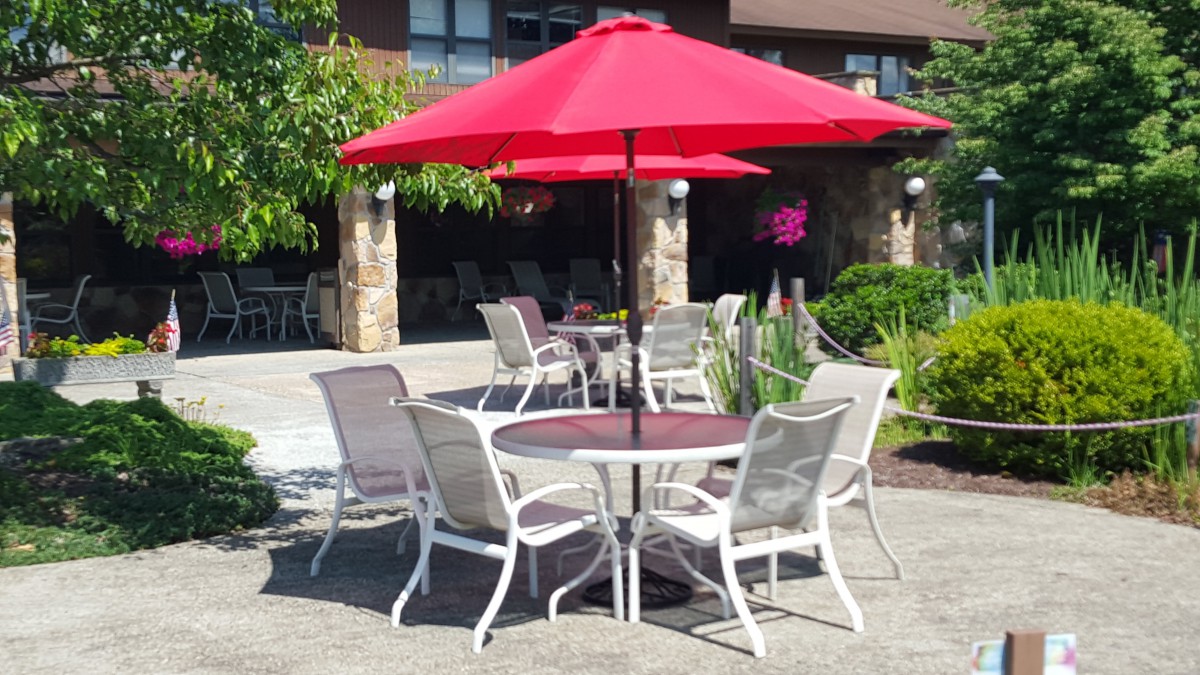
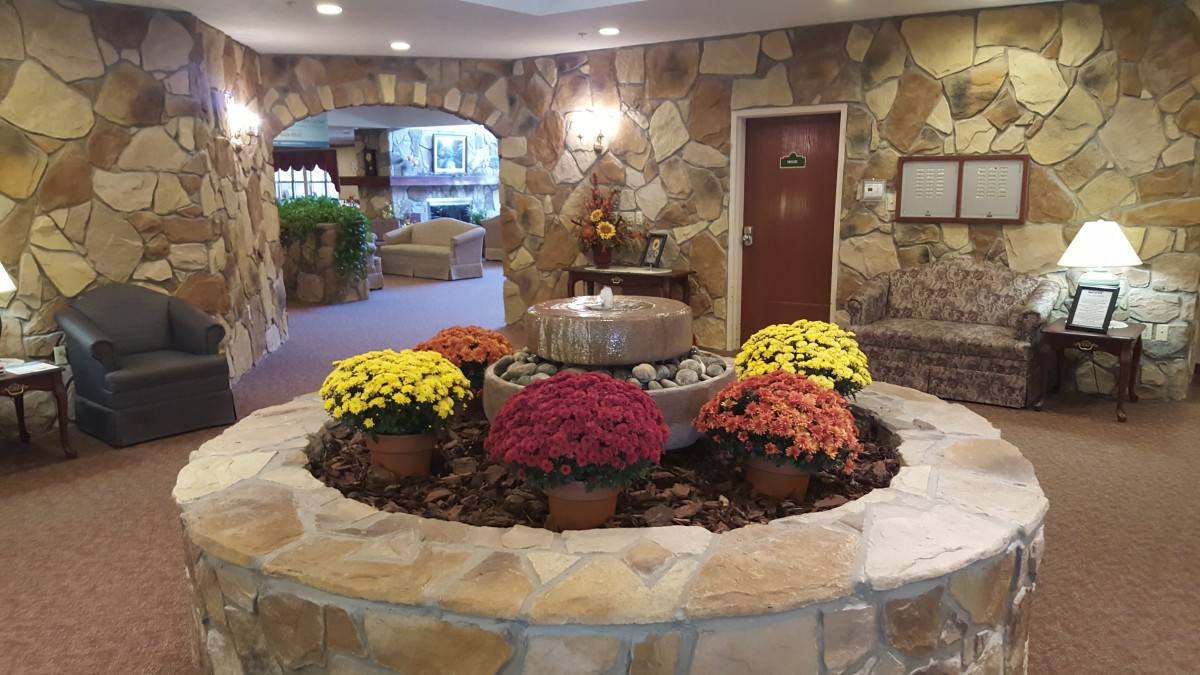
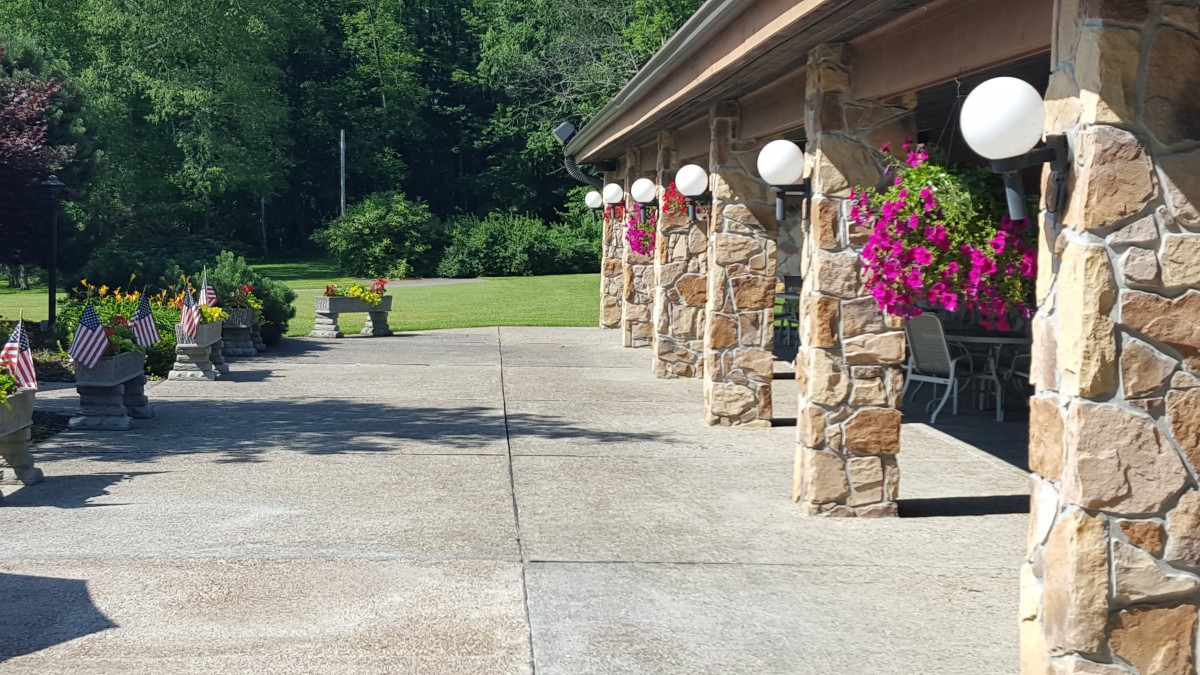
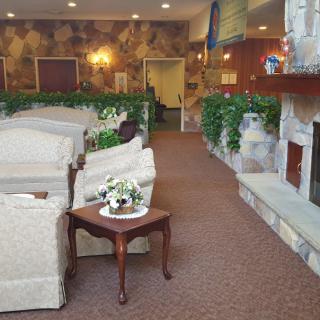
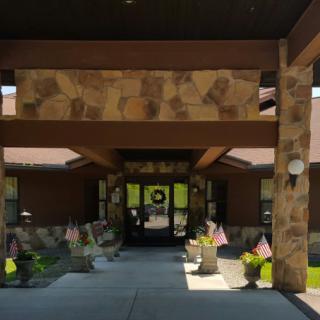
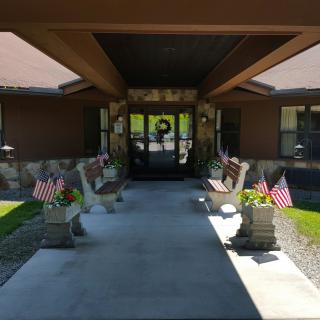
 The Siemon’s Heritage community is clean, cheerful, and welcoming.
 - The nursing staff and personal care aides are very friendly, caring, and hard-working.
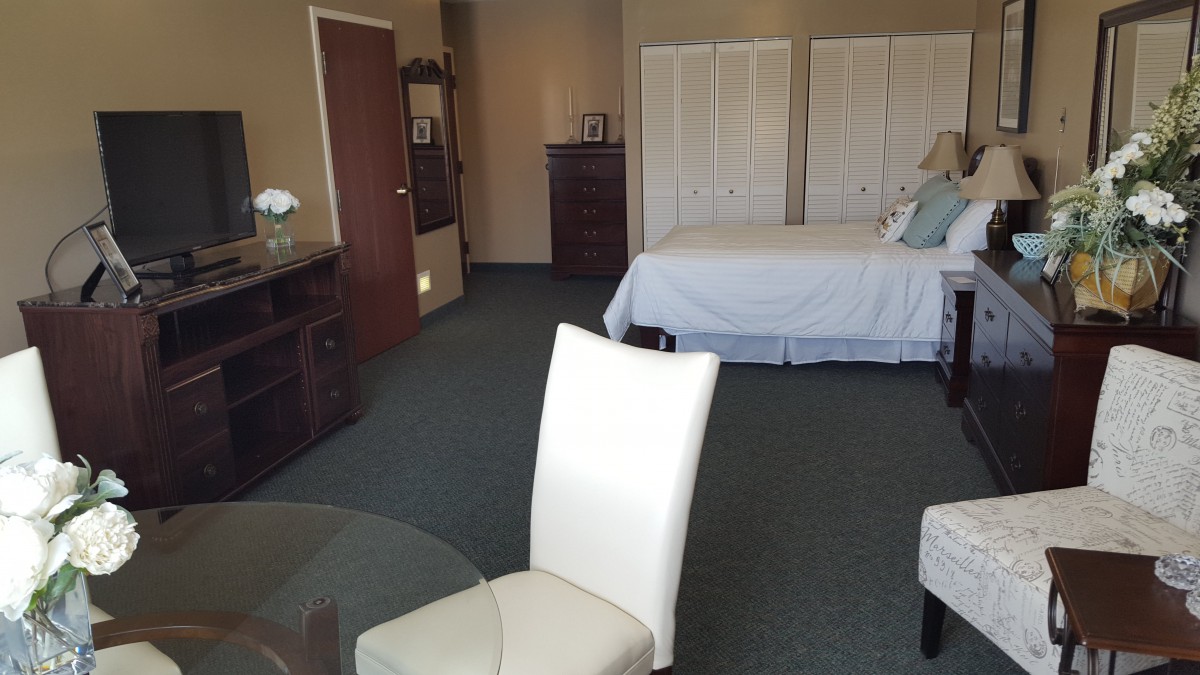
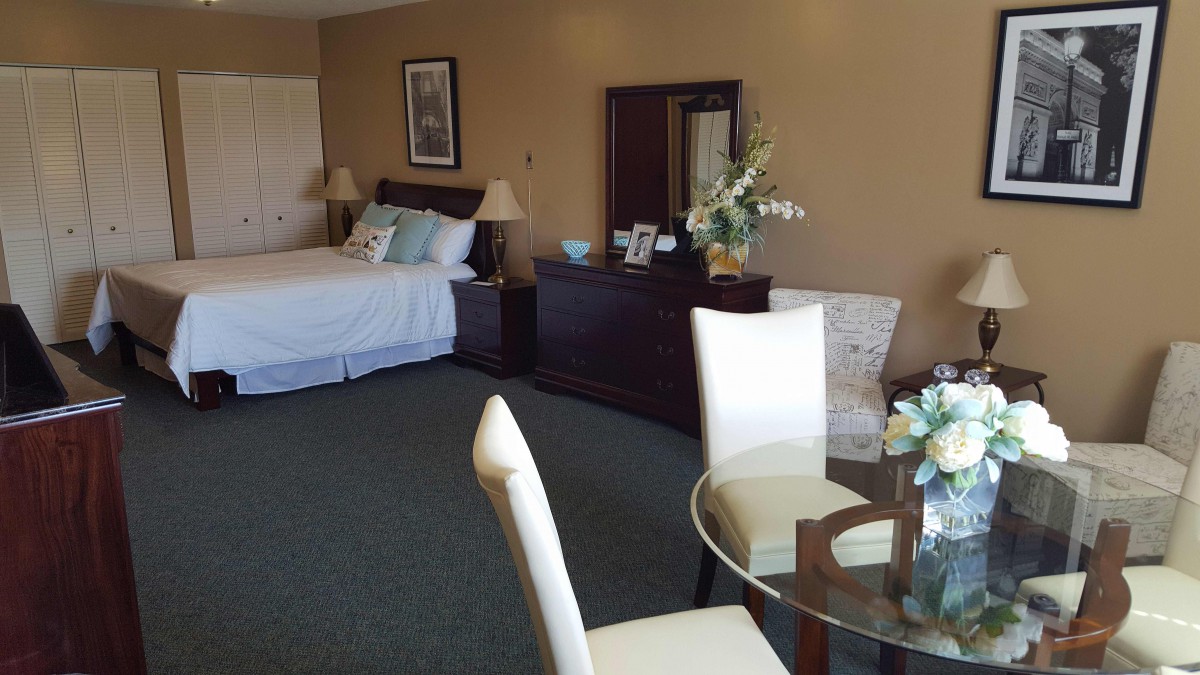
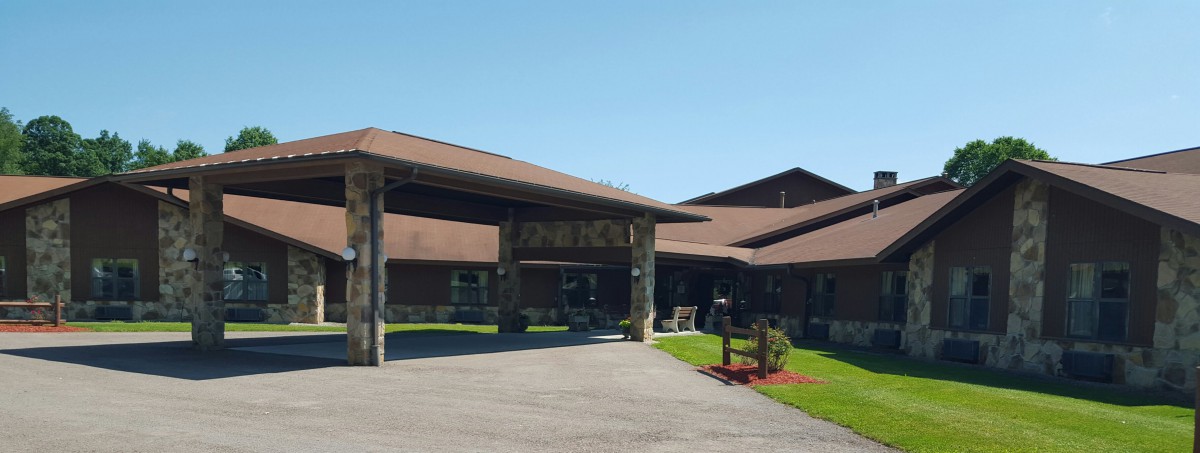
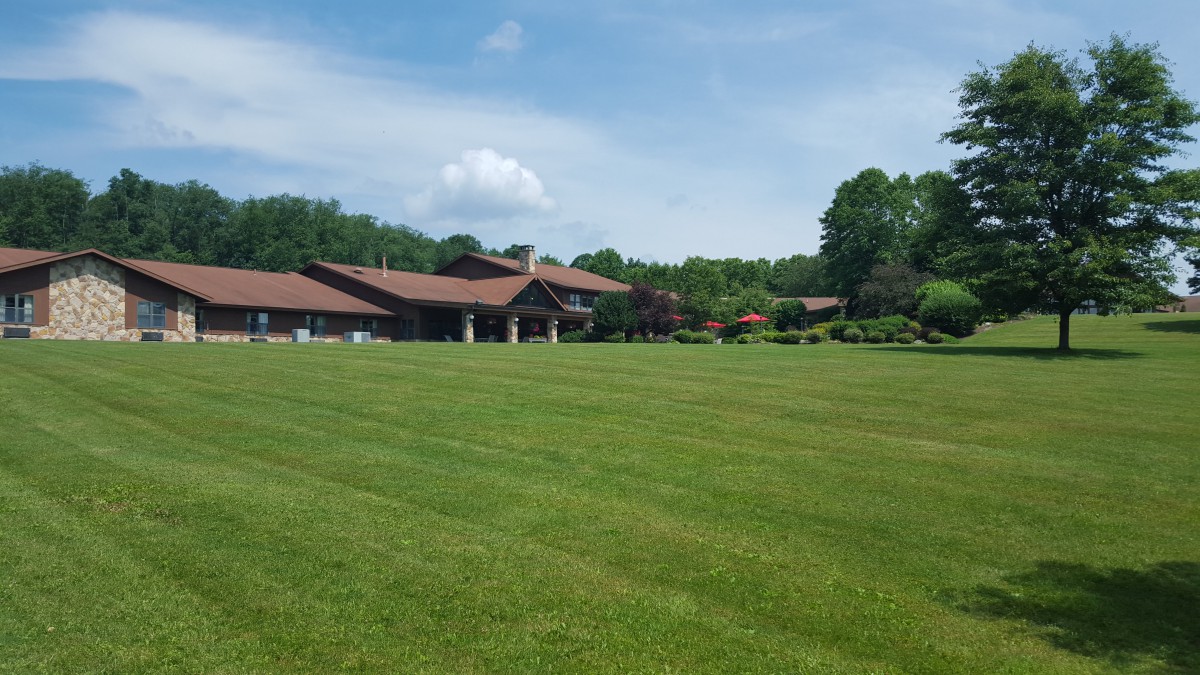
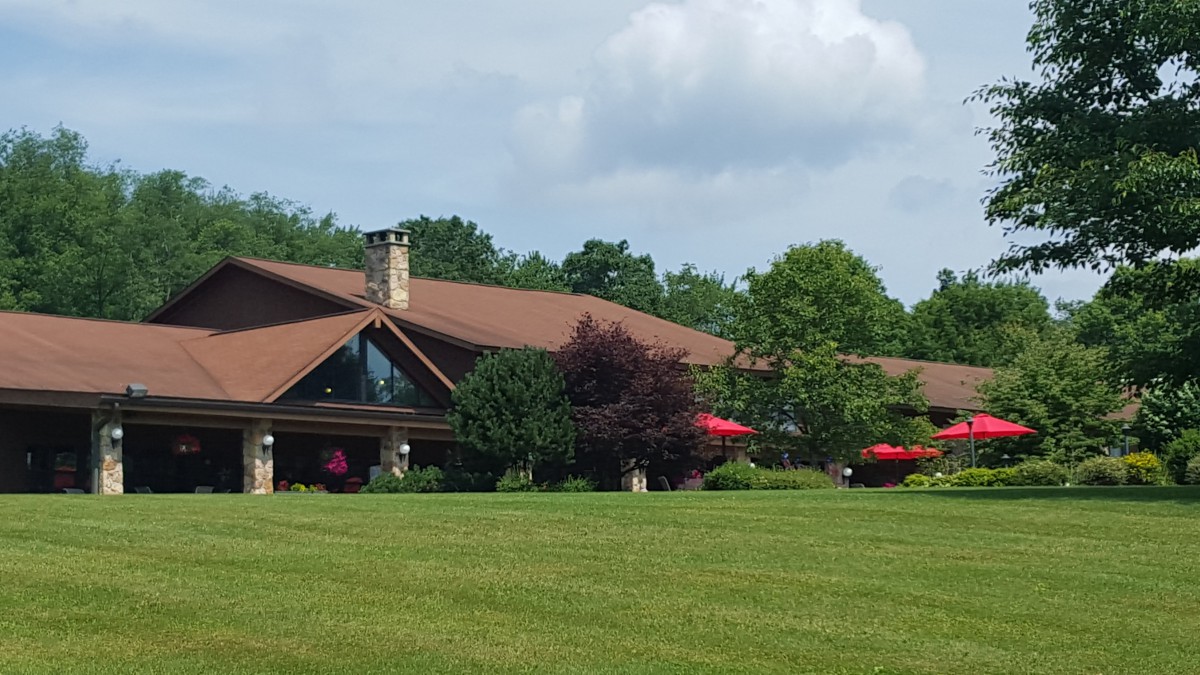
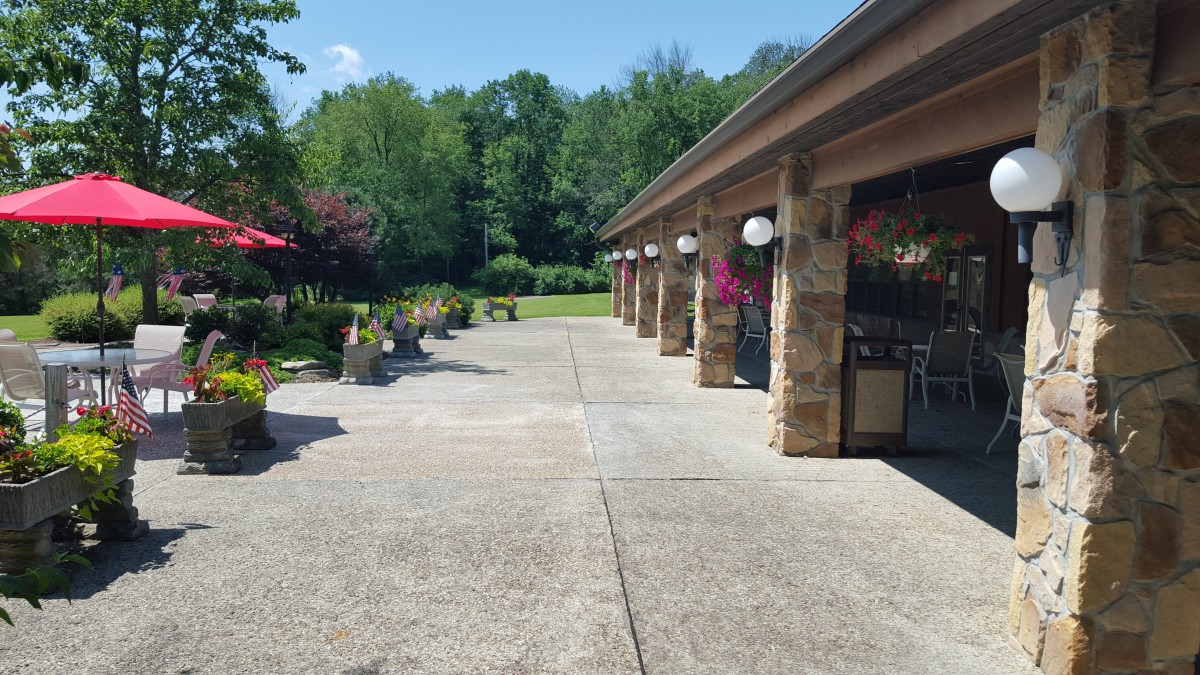
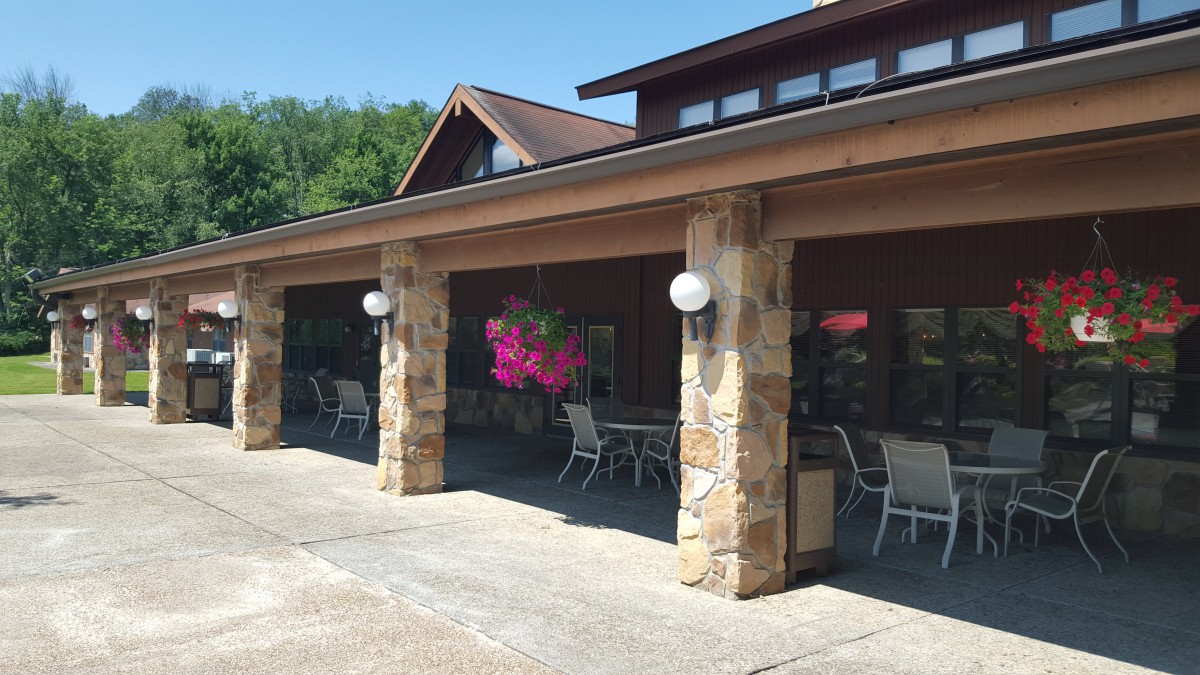
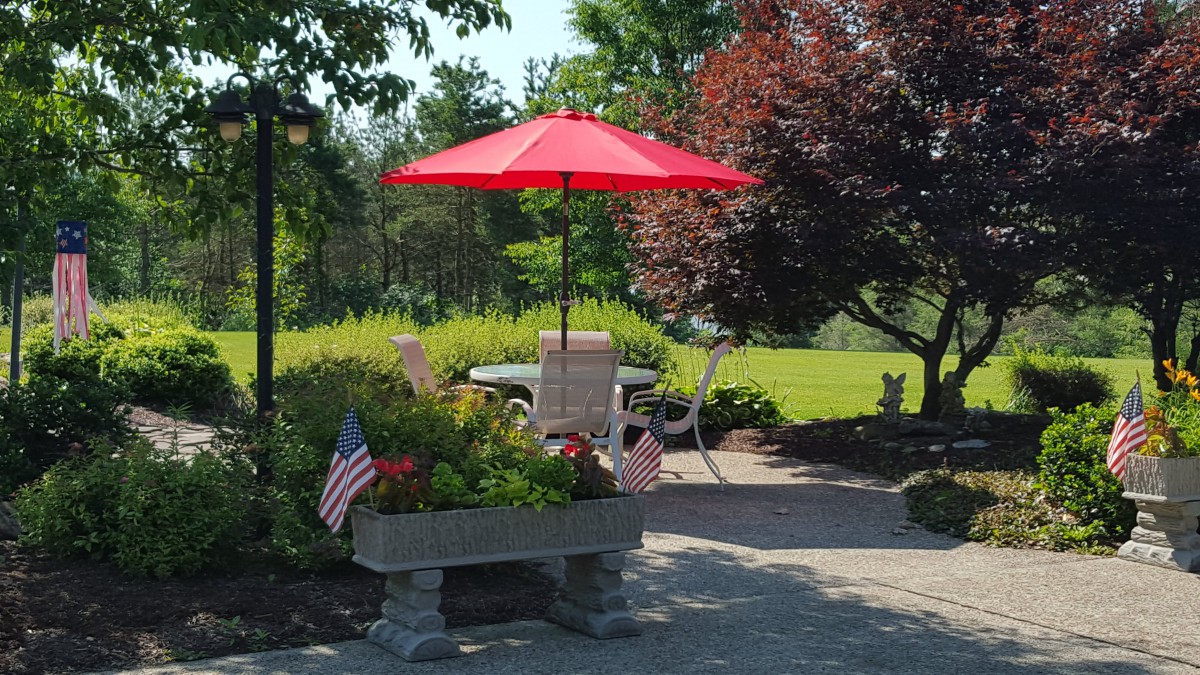
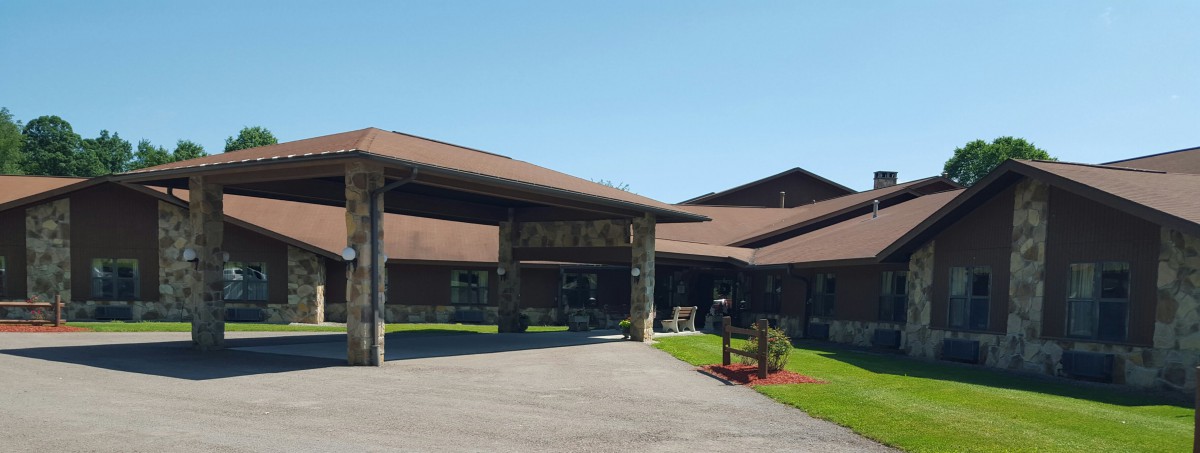
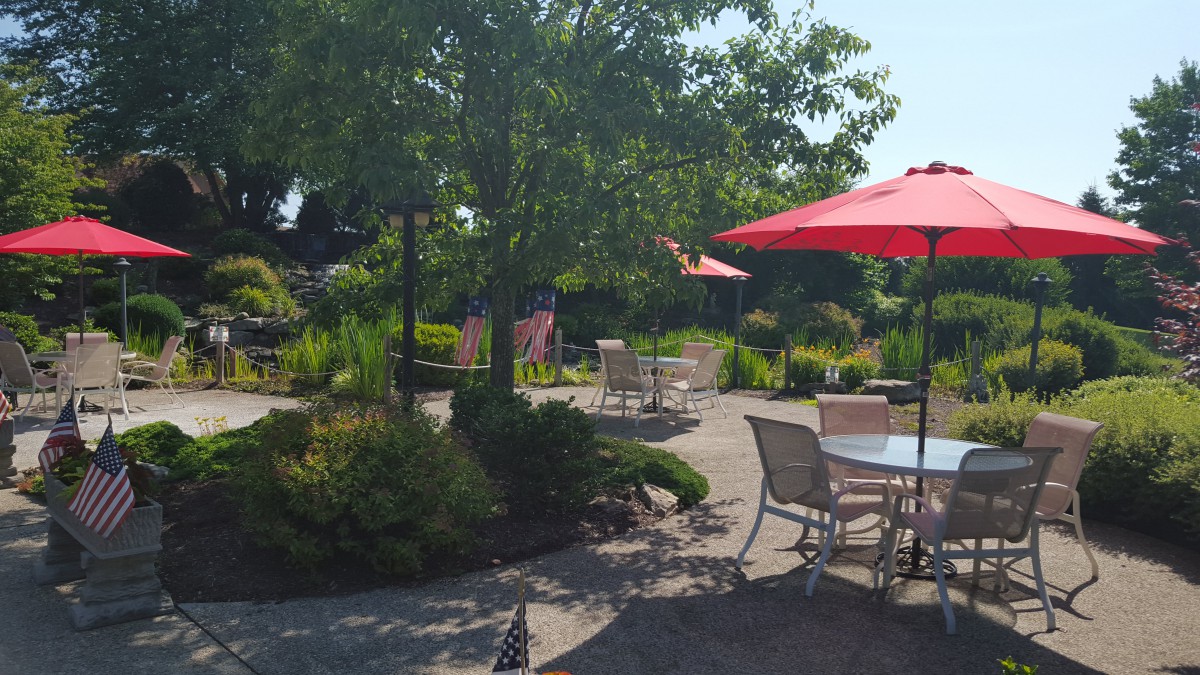
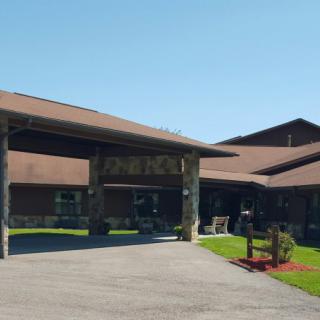
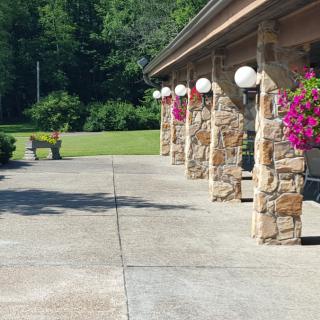
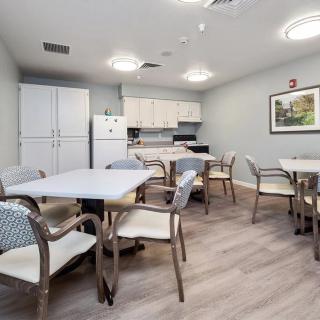
- The residence is very clean and spacious, with well-maintained grounds.
- The facility offers a predictable daily rate that covers varying levels of needed assistance, which families appreciate.
- The staff treat residents like family and are accommodating to families.
- Families would highly recommend the community to others.
Cons
 Aides didn't report important care information at times.
- If a patient was sick, they would email the doctor and wait 5-7 days for a response, instead of calling urgently.
- No one reported a sugar level of 30-40 for over six weeks.
- There was no help at meals, and aides stayed in rooms on their phones instead of assisting residents.
- If someone refused a shower once, staff didn't ask again for months.
- The toothbrush and toothpaste remained unused from January to November.
- It took more than 12 hours to get her to the hospital after she fell.
- The facility is a good deal money-wise only if residents don't need much help; otherwise care is lacking.
- The reviewer had to push and call the doctor themselves, or staff likely would not have acted.
Review
Siemon’s Heritage Personal Care Home in Somerset is best suited for seniors who want a clean, friendly, cost-conscious environment where light-to-moderate assistance is feasible and family involvement can drive care. It works particularly well for situations where financial constraints matter and the resident can maintain a degree of independence with aides providing basic support. Those who crave a lively, highly structured medical regime or require constant clinical oversight will want to consider alternatives. Families with limited budgets and a willingness to stay engaged in care planning may find this community a workable fit, provided expectations are aligned with the level of staffing and process maturity.
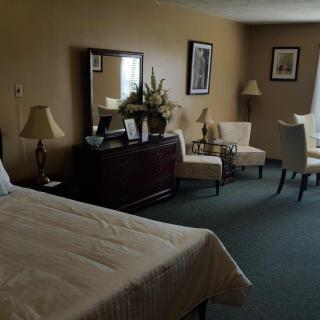
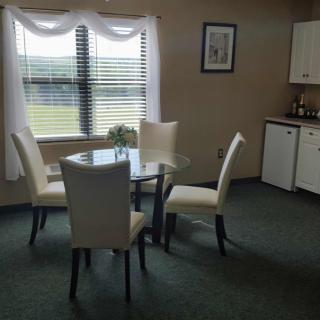
On the positive side, the facility earns real credit for its cleanliness, warmth, and overall atmosphere. Multiple reviewers describe well-maintained grounds, spacious resident rooms, and a facility that feels calm and home-like. The staff is consistently portrayed as friendly and caring, with administrators approachable and responsive to family needs. A flat-rate model for care is a notable convenience, eliminating the sticker shock of escalating monthly bills as assistance needs increase. For families prioritizing affordability without sacrificing a welcoming environment, these are meaningful advantages that reduce stress around the budget.
Yet the strong points are tempered by several hard truths about operations that cannot be wished away. Weekend coverage often skews toward aides rather than licensed nurses, and critical care information is not reliably communicated. Instances where doctors aren’t alerted promptly or where important health signals go unreported for days create real risk, especially when a resident’s condition changes suddenly. The facility relies heavily on paper-based monitoring and lacks integrated systems to track intake, output, or bowel movements, a gap that has produced distressing oversights. Medication safety has also been flagged as a concern, including documented moments when the wrong drug or multiple drugs were given, or when a serious illness like pneumonia was identified late.
These gaps matter because they directly offset the otherwise comforting environment and reasonable price. The presence of diligent, caring staff on the floor does not fully compensate for inconsistent clinical processes and weekend understaffing. Families often find themselves stepping in, pushing doctors, requesting updates, and managing communications, to fill the gaps. That reality can erode the sense of security for loved ones and place additional emotional labor on family members who already shoulder the decision-making burden. In short, the charm and affordability come with a trade-off: care quality that can drift when systems and staffing are stretched.
For decision-makers, this means a clear, practical triage: Siemon’s Heritage is a viable choice for those who can manage at least occasional advocacy and who do not require high-touch skilled nursing around the clock. It is less suitable for residents with complex medical needs, unstable conditions, or a history of needing rapid, coordinated medical responses. Prospective families should expect to engage actively, insist on weekend coverage plans, request a concrete care plan with escalation steps, and verify medication administration protocols. If the resident’s needs include persistent monitoring, timely doctor communication, or comprehensive wound care and charting, look at other options that offer more robust clinical oversight.
In the end, Siemon’s Heritage Personal Care Home stands out as a practical, cost-aware option with undeniable warmth and cleanliness. Its true value rests on how well a resident’s needs align with the care model, and how effectively families can partner with administration to address gaps in reporting and clinical workflow. If those conditions are met, if weekends don’t become a crisis of understaffing, if medication safety protocols can be validated, and if there is a plan to keep residents engaged with meaningful activities, the community can be a very good fit. When the resident requires steady skilled nursing, or when robust, hospital-grade monitoring is non-negotiable, alternatives should be pursued without hesitation.
 Assisted Living
 Activities on-site
 Air-conditioning
 Beautician on-site
 Cable or satellite TV
 Devotional services on-site
 Indoor common areas
 Outdoor common areas
 Respite or short term stays offered
 Wi-Fi/high-speed internet available
 Ambulatory care
 Diabetic care
 High acuity care
 Incontinence care
 Medication management
 Guest meals
 BBQs or picnics
 Cooking classes
 Gardening club
 Holiday parties
 Live musical performances
 Stretching classes
 Visiting chaplain or priest

 Assisted Living Support for Veterans: A Complete and Detailed Overview
 Exploring the Contrasts Between Assisted Living and Skilled Nursing
 8 Key Indicators That Suggest It May Be Time to Transition from Assisted Living to Skilled Nursing Care