
673 Murray Ave, Patton, PA 16668
To contact a resident: (814) 674-5363
For more information about senior living options: (866) 208-4318
Overall Review of Patton Terrace Garden Apts
Cons
 They evict tenants who are one day late on rent.
- They do not allow window air conditioners and offer no viable alternatives.
- They have multiple fire-code violations and fix issues slowly.
- The landlord is described as hateful and unhelpful to tenants.
- They never return security deposits.
- There is a severe bedbug problem in every building, along with a drug problem.
- Neighbors are loud and disruptive, and maintenance is never fixed.
- Maintenance neglect includes long-standing gutters, nonfunctional vents, and pressuring tenants to buy expensive AC units, plus poor outdoor upkeep like a damaged playground.
Review
Patton Terrace Garden Apts in Patton, PA is best suited for the housing-in-crisis category: tenants who have almost no room to negotiate and are willing to accept a pattern of neglect, safety concerns, and volatile management. This is not a community built for predictable service or steady upkeep. Seniors who depend on dependable maintenance, families with children, or anyone who cannot tolerate chronic repair delays should not consider this as a serious option. The overall climate here tends toward stress and instability, with repairs treated as afterthoughts and safety issues allowed to persist. In practical terms, it is housing that functions more like a stopgap in a pinch than a home with reliable protections or a responsive landlord.
Those weighing this property against alternatives should be explicit about the deal-breakers it presents. The most actionable red flags begin with a rent policy that feels punitive for any delay, an eviction threat is imagined after a one-day lateness. Window air conditioning is not permitted, with tenants pushed toward costly, stand-alone units. Fire code violations reportedly exist, and repairs are slow or non-existent. The landlord vibe appears openly hostile, and tenants describe a pattern of being dismissed or ignored. When income is precarious, the combination of eviction risk, maintenance delays, and an unhelpful office presence makes this community an unwise gamble. In short, anyone who values stability, safety, and prompt service should pursue stronger options.
The core negatives consistently overwhelm any potential upside. Bedbug infestations are reported across buildings, paired with a broader drug problem and high noise levels from neighbors. Maintenance requests are described as never getting fixed, with obvious hazards, guttering left hanging for extended periods, nonfunctional air vents, and widespread cracks and holes, left unaddressed. Water intrusion through window frames during rain seasons adds to the household risk, and residents are pressed to purchase their own costly cooling solutions rather than receiving relief from management. Security deposits are repeatedly not returned, and the impression of management apathy compounds every other fault. Taken together, the environment presents a persistent, multifaceted hazard profile rather than a merely inconvenient one.
Where, if anywhere, a few positives exist, they do not meaningfully offset the dominant deficiencies. A small handful of higher-rated reviews suggests that some tenants encounter brief, isolated improvements or moments of basic decency from staff. Yet those experiences do not counterbalance the recurrent failures: the bedbugs, the pest concerns, the chronic maintenance backlog, the unsafe living conditions, and the sense that concerns are acknowledged in words but never resolved in practice. The outdoor spaces and landscaping are mentioned as underwhelming or poorly maintained, reinforcing the impression that “liveable” is a tentative description rather than a standard. In a decision framework, the sporadic positive notes are insufficient to shift the risk calculus, especially for households with children or health vulnerabilities.
For families and seniors evaluating options, the prudent move is diligent comparison shopping and explicit inquiries about safety, pest control, and maintenance workflow before any commitment. If proceeding, insist on a formal, written remediation plan with clear timelines, and demand access to recent inspection reports where available. Request a realistic, enforceable response schedule for every open defect, along with compensation or relocation support if conditions deteriorate. Verify the policy on security deposits, whether and when refunds are processed, and under what conditions deductions may occur. Demand transparent communications: who handles escalations, expected response times, and a guarantee that urgent hazards will be prioritized. In short, treat the tenancy as a trial period with a tight contract and measurable milestones.
The bottom line is decisive: Patton Terrace Garden Apts is not a suitable long-term home for households that prize safety, reliability, and respectful management. The accumulation of late-fee pressure, maintenance neglect, pest and safety concerns, and questionable financial practices creates a living environment that undermines well-being and peace of mind. Alternatives, whether other affordable options in the region or well-regarded subsidized communities, should be pursued aggressively, especially by seniors, families, or anyone managing chronic health needs. If the choice is to stay, approach with a zero-tolerance stance on neglect: insist on written guarantees, quick escalation paths, and a documented plan for every outstanding issue. The practical verdict is clear: this is a last-resort option at best, and for most households, it is worth stepping away in favor of safer, more reliable surroundings.
 Assisted Living
 Activities on-site
 Devotional services off-site
 Indoor common areas
 Ambulatory care
 Diabetic care
 Meals provided
 Intimate 15-resident community with personalized care, 24-hour supervision, ADL support, and diabetes-friendly dining.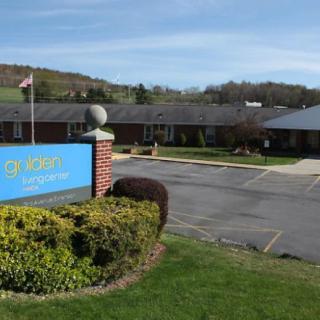


 Is Assisted Living Deductible on Your Taxes? Understanding the Complexities of Assisted Living Expenses and Deductions
 Assisted Living Support for Veterans: A Complete and Detailed Overview
 Exploring the Contrasts Between Assisted Living and Skilled Nursing