At The Palmerton, the monthly costs for various accommodations offer a compelling value compared to both Monroe County and the broader Pennsylvania averages. For a semi-private room, residents pay $2,550, significantly lower than the county's average of $3,566 and the state average of $3,542. Similarly, for studio accommodations, The Palmerton's rate of $3,550 is competitive against Monroe County's average of $3,100 but remains notably lower than Pennsylvania's average of $3,737. This positioning not only reflects The Palmerton's commitment to affordability but also underscores its appeal as a desirable option for those seeking quality living arrangements without compromising on cost.
Floor plans
The Palmerton
Monroe County
Pennsylvania
Semi-Private
$2,550
$3,566
$3,542
Studio
$3,550
$3,100
$3,737
Memory care communities with a similar price nearby
Many residents and families describe staff as attentive, respectful, and genuinely invested in care.
Across the reviews, families repeatedly mention kind, helpful staff who treat residents with respect and keep them safe. Several also say staff communicate concerns, support families with questions, and help residents adjust. A smaller set of reviews take the opposite view, describing inadequate supervision or lack of recognition when issues arise, which is a key reason care expectations can vary from family to family.
common12 reviews mention this
Cleanliness is a frequent plus
Residents and visitors often highlight the facility’s cleanliness and organized feel.
Cleanliness comes up often, with multiple reviewers describing a spotless, well-kept environment and a facility that feels orderly. Several mentions also connect cleanliness with feeling comfortable and confident day to day. A few reviews mention problems like bruising after falls or general neglect, but even those accounts still include observations about the building being clean enough at times.
common14 reviews mention this
Activities keep residents engaged
Reviews frequently describe daily engagement through activities and special events.
Many families say residents have a variety of activities throughout the day, including outings, events, and group engagement. Multiple reviews mention room for different ability levels and highlight participation in gatherings like church, music, and other programs. A few reviews criticize activity programming in memory care as limited, including one account describing coloring sheets rather than fuller engagement.
common9 reviews mention this
Meals are a mix of praise
Dining earns both praise for variety and criticism when expectations aren’t met.
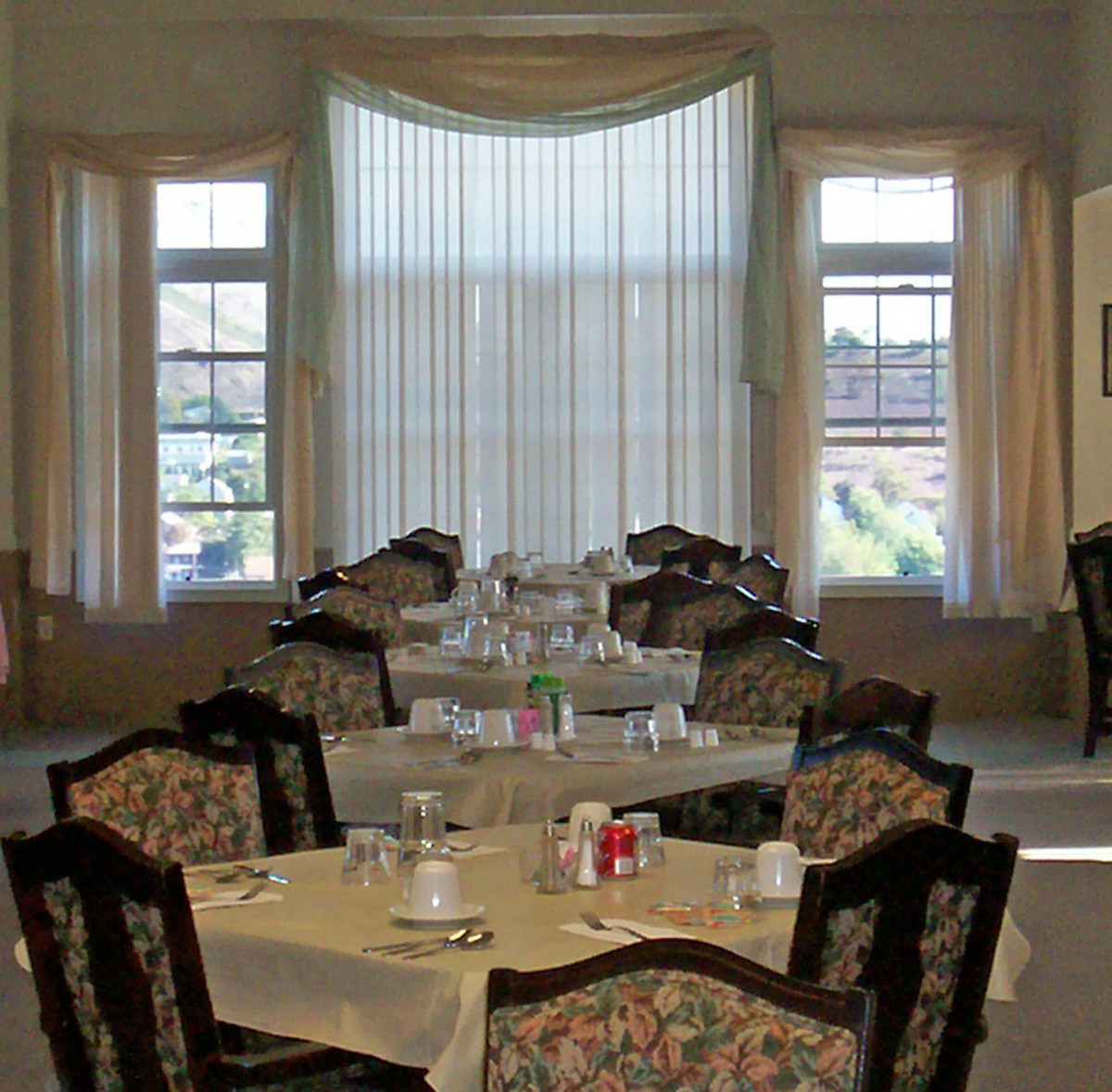
Several reviewers describe provided meals as good, with variety and options, and some mention dining experiences like menu choices and a dining hall setup. Reviews also align with the community offering restaurant-style dining and multiple dietary accommodations such as low/no-sodium, gluten-free, and vegetarian options. On the other hand, a few residents and families complain that food quality was subpar or not home-made, showing that dining satisfaction is not universal.
caveat7 reviews mention this
Care staffing and safety concerns
Some reviews raise serious concerns about staffing levels and resident safety.
While many families feel staff keep residents safe, several reviews describe understaffing, missed events, or situations where observers believe no one was watching closely. A few accounts describe falls without timely notice, bruising after falls, and confusion about what staff did or did not recognize. There are also mentions of management communication gaps and the need for advocacy when families feel nursing follow-through was lacking.
caveat5 reviews mention this
Pricing feels affordable, but inconsistent
Reviews and pricing signals point to cost as a mixed factor for families.
Families do discuss cost in contrasting ways, with some saying the community is priced lower for similar services and others saying it is expensive for the personal attention received. The published pricing positioning also indicates the community’s typical rates for studio and semi-private options are below both county and state benchmarks. Still, there are also reviews describing surprise or additional charges, and that kind of uncertainty can outweigh the headline pricing for some families.
How we summarize
Counts show how many written reviews mention each theme; a review can touch several themes, and only frequently mentioned themes are displayed.
Features
Housing
70 resident community capacity
Studio apartments
Types of Care
Assisted Living
Memory Care
Respite Care
Pets
Cats allowed
Dogs allowed
Amenities
Activities off-site
Activities on-site
Air-conditioning
Beautician on-site
Beauty salon
Cable or satellite TV
Computer center
Devotional services on-site
Dining room
Fitness room
Fully furnished
Gaming room
Garden
Ground floor units
Housekeeping services
Indoor common areas
Kitchenette
Move-in coordination
Outdoor common areas
Outdoor space
Private bathrooms
Respite or short term stays offered
Restaurant-style dining
Small library
Telephone
Wellness center
Wheelchair accessible showers
Wi-Fi/high-speed internet available
Transportation
Lehigh Valley International (14 miles away)
Community operated transportation
Transportation arrangement
Transportation arrangement (non-medical)
Transportation to doctors appointments
Care Services
12-16 hour nursing
24-hour call system
24-hour supervision
Activities of daily living assistance
Ambulatory care
Assistance with bathing
Assistance with dressing
Assistance with transfers
Coordination with health care providers
Dementia waiver
Diabetes diet
Diabetic care
Hospice waiver
Incontinence care
Meal preparation and service
Medication management
Mental wellness program
Mild cognitive impairment
Special dietary restrictions
Specialized memory care programming
Transportation arrangement (medical)
Transportation to doctors appointments
Dining
Diabetes diet
Gluten-free
Guest meals
Kosher
Low / no sodium
Meals provided
No Sugar
Organic
Restaurant style dining
Special dietary restrictions
Vegetarian
Activities
Art classes
Brain fitness
Community-sponsored activities
Concierge services
Cooking classes
Day trips and outings
Devotional activities on-site
Fitness programs
Gardening club
Happy hour
Karaoke
Live dance or theater performances
Live musical performances
Planned day trips
Resident-run activities
Scheduled daily activities
Stretching classes
Trivia games
Wii bowling
Yoga / chair yoga
Videos
Nearby Places of Interest
This part of Palmerton, Pennsylvania, offers a variety of amenities that may appeal to seniors looking for a peaceful and convenient place to live. With several physicians located within a short distance, residents have easy access to medical care. Additionally, there are multiple restaurants in the area, providing options for dining out. The nearby parks offer opportunities for outdoor recreation and relaxation, while the proximity to pharmacies ensures easy access to medications and healthcare supplies. For entertainment, there are drive-in theaters and cafes to enjoy. Places of worship are also within reach for spiritual fulfillment. Overall, this neighborhood provides a well-rounded environment for seniors seeking a comfortable and convenient living situation with essential services close at hand.
Physicians
Lehigh Family & Geriatrics Associates (0.3 miles)
Dr Wakstein And Dr Holendar Office (0.3 miles)
DaVita Palmerton Dialysis Center (0.4 miles)
Carbon Medical Associates (0.4 miles)
Carbon Surgical Associates (0.4 miles)
Blue Mountain Psychiatry (0.6 miles)
St Luke's Family Practice - Dr Doherty (3.2 miles)
Restaurants
One Ten Tavern (0.3 miles)
Joey B (1 miles)
West End Saloon (1.1 miles)
Riverwalck Saloon (2.9 miles)
McDonald's (3.4 miles)
Burger King (3.5 miles)
D'Sopranos Pizzeria (3.7 miles)
Parks
Palmerton Park (0.5 miles)
Beltzville State Park (4.3 miles)
Jim Thorpe Memorial Park & Grave (7.9 miles)
Cementon Park (9.8 miles)
Mauch Chunk Lake Park (10 miles)
Bob Rodale Cycling and Fitness Park (13.3 miles)
Pharmacies
Rite Aid (3.5 miles)
Rite Aid (5.2 miles)
Northeast Pharmacy Services (5.6 miles)
Mauch Chunk Pharmacy (7.8 miles)
Whitehall Pharmacy (9.7 miles)
CVS Pharmacy (10.3 miles)
Rite Aid (10.4 miles)
Theaters
Becky's Drive-In Theatre (3.7 miles)
Shankweiler's Drive-In Theatre (11 miles)
Hospitals
Edgemont Park Roller Ring (3.8 miles)
Gnaden Huetten Memorial Hospital (5.2 miles)
Blue Mountain Hospital-Gnaden Huetten Campus (6 miles)
Blue Mountain Health System (6 miles)
Imaging at St. Luke's Urgent Care - Jim Thorpe (7.8 miles)
At The Palmerton, the monthly costs for various accommodations offer a compelling value compared to both Monroe County and the broader Pennsylvania averages. For a semi-private room, residents pay $2,550, significantly lower than the county's average of $3,566 and the state average of $3,542. Similarly, for studio accommodations, The Palmerton's rate of $3,550 is competitive against Monroe County's average of $3,100 but remains notably lower than Pennsylvania's average of $3,737. This positioning not only reflects The Palmerton's commitment to affordability but also underscores its appeal as a desirable option for those seeking quality living arrangements without compromising on cost.
The Palmerton's comprehensive range of features is designed to support residents with dementia or Alzheimer's disease at various stages of their condition. With 24-hour supervision, residents receive constant oversight, ensuring safety and timely assistance whenever needed. Activities of daily living assistance, including help with bathing, dressing, and transfers, promote independence while ensuring personal hygiene and comfort. The inclusion of brain fitness programs engages cognitive functions, while specialized memory care programming addresses the unique needs of individuals with memory impairments. Coordination with health care providers and medication management ensures that medical needs are met promptly and accurately. Additionally, meal preparation focuses on nutritional requirements tailored for residents' health, and incontinence care offers dignity in personal management. The mental wellness program provides emotional support, while transportation arrangements facilitate access to medical appointments, making it easier for families to navigate their loved ones' health care journeys effectively.
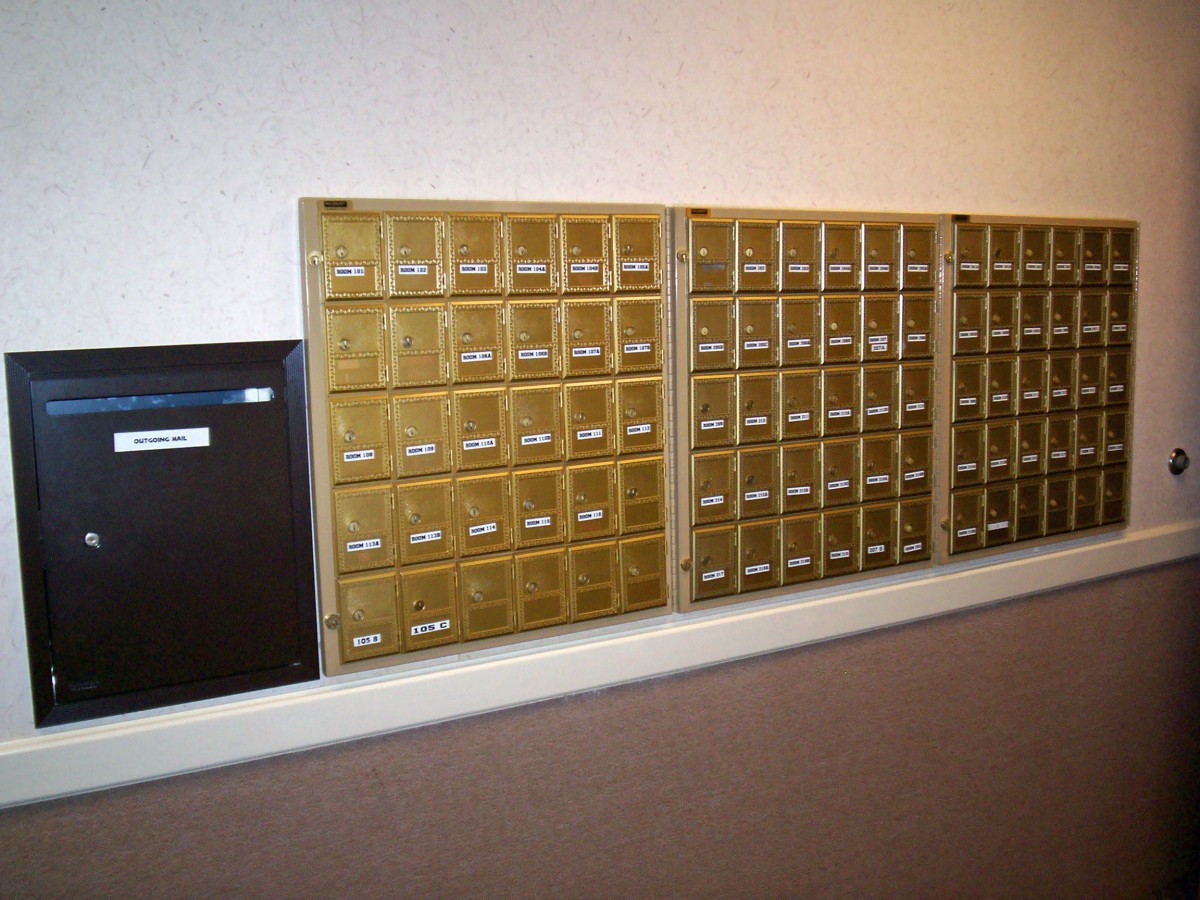
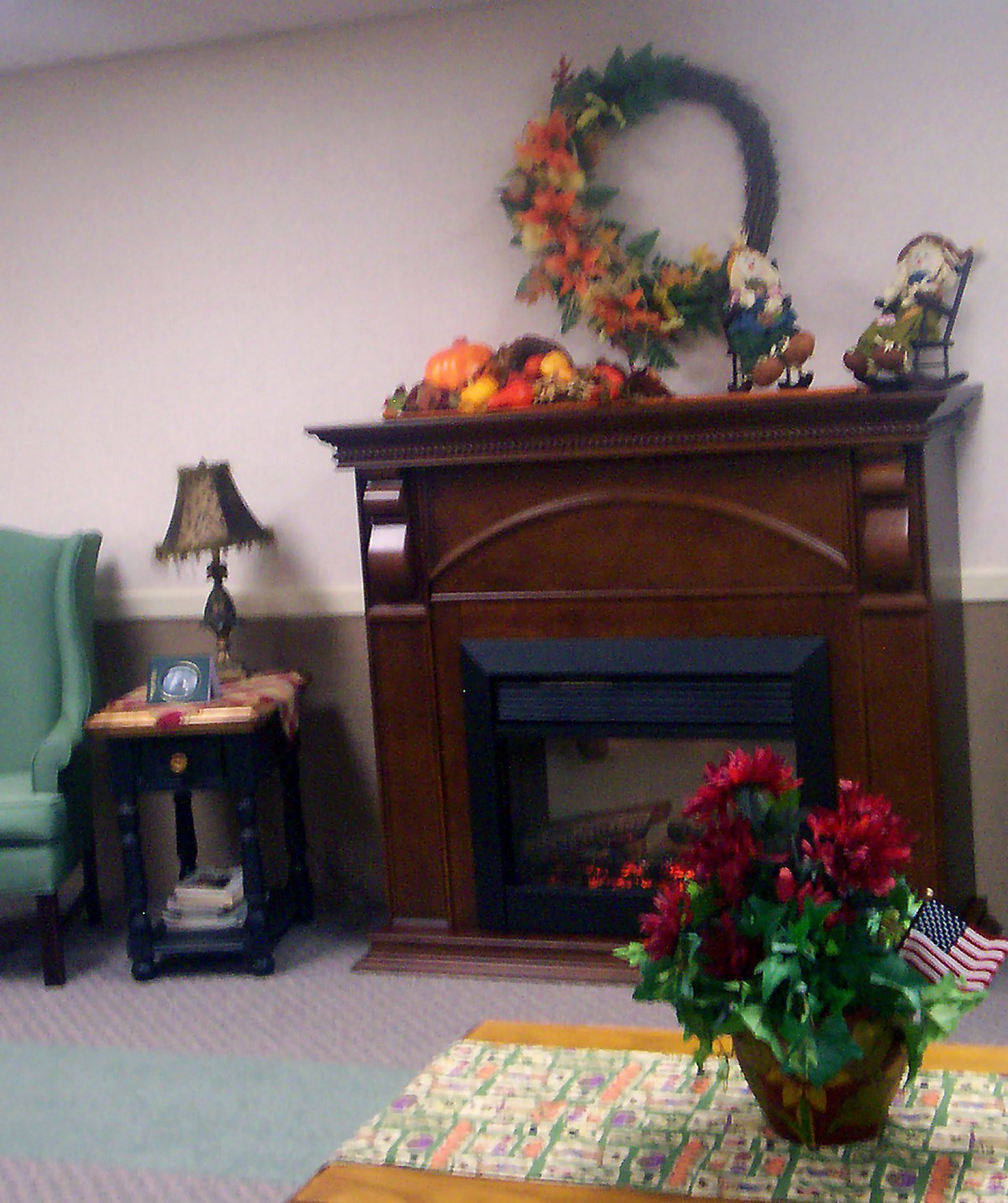
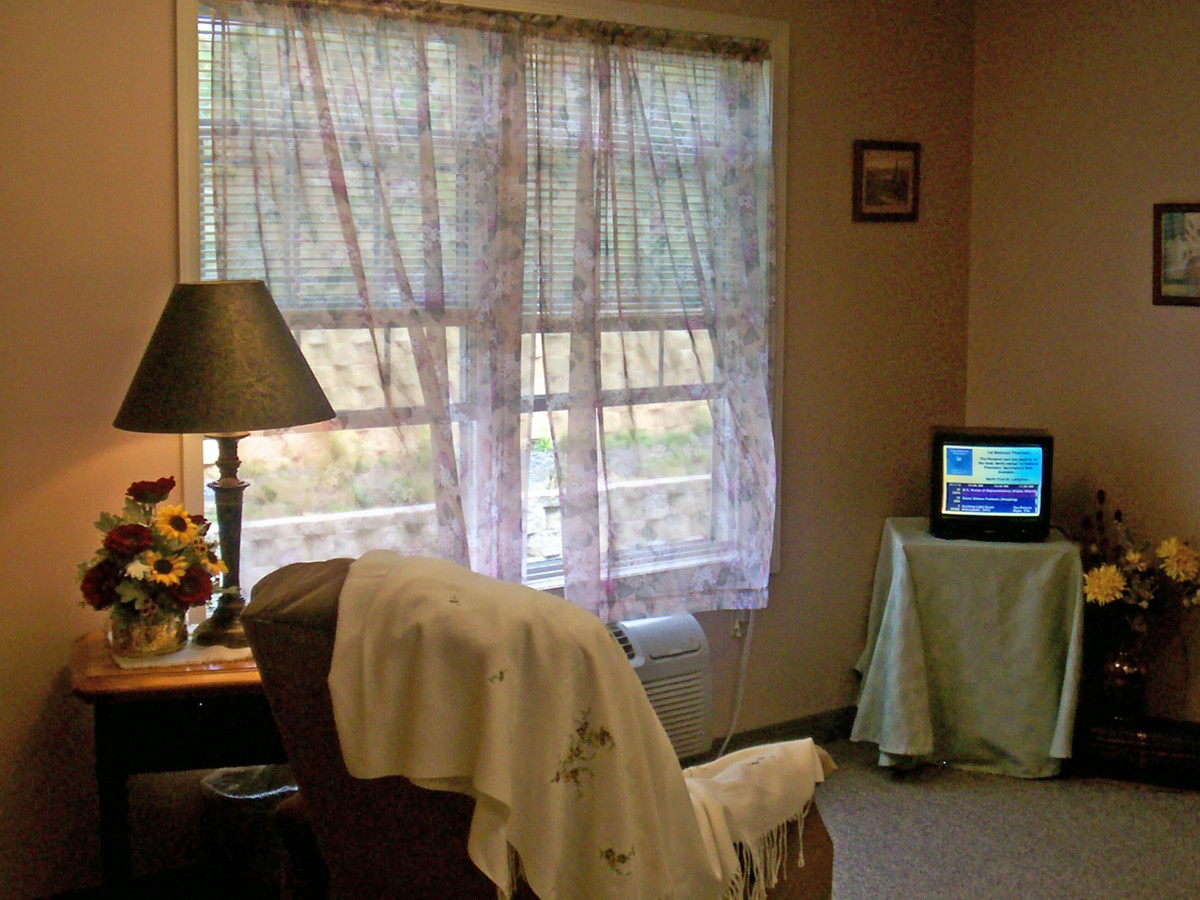
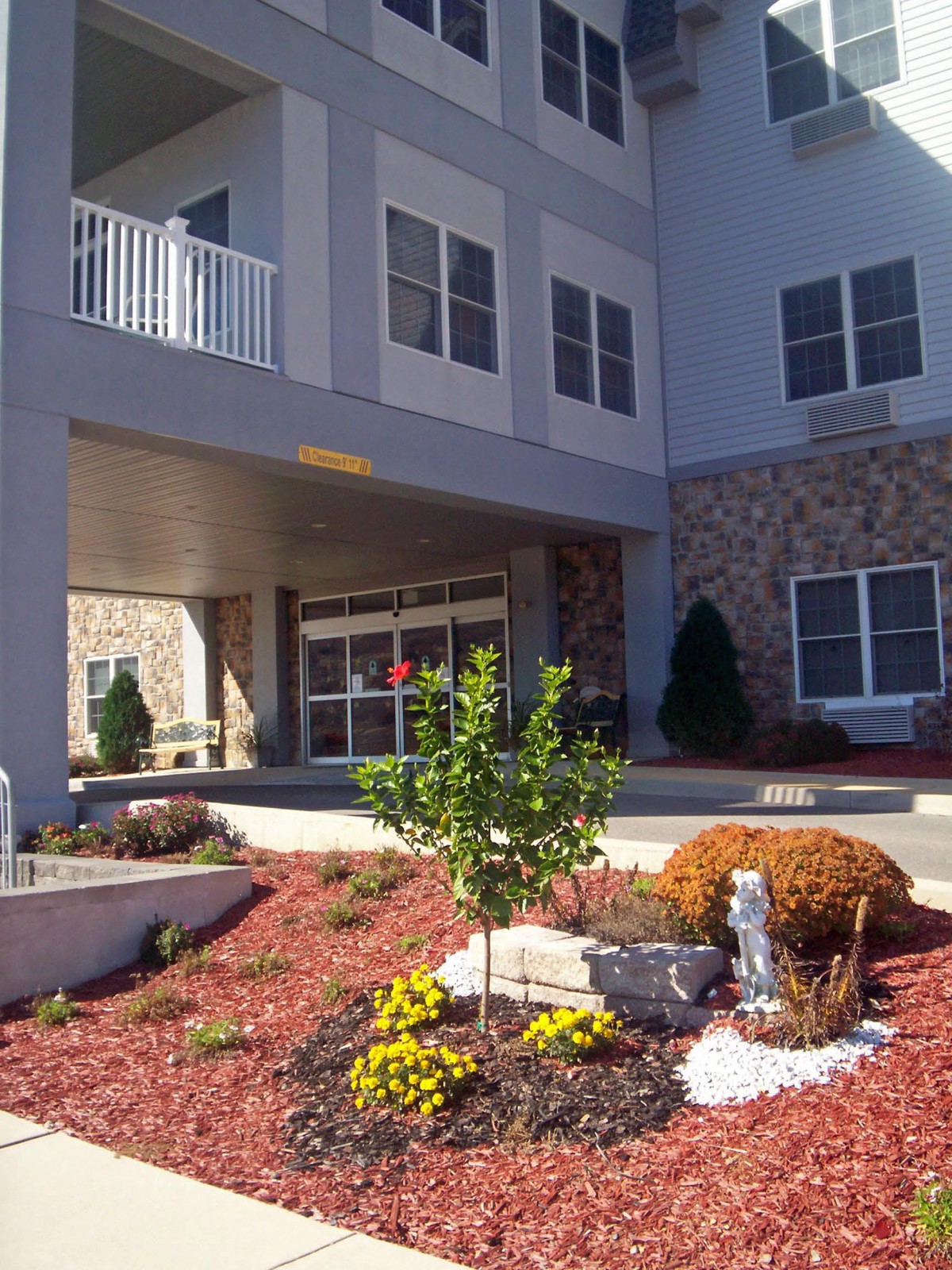
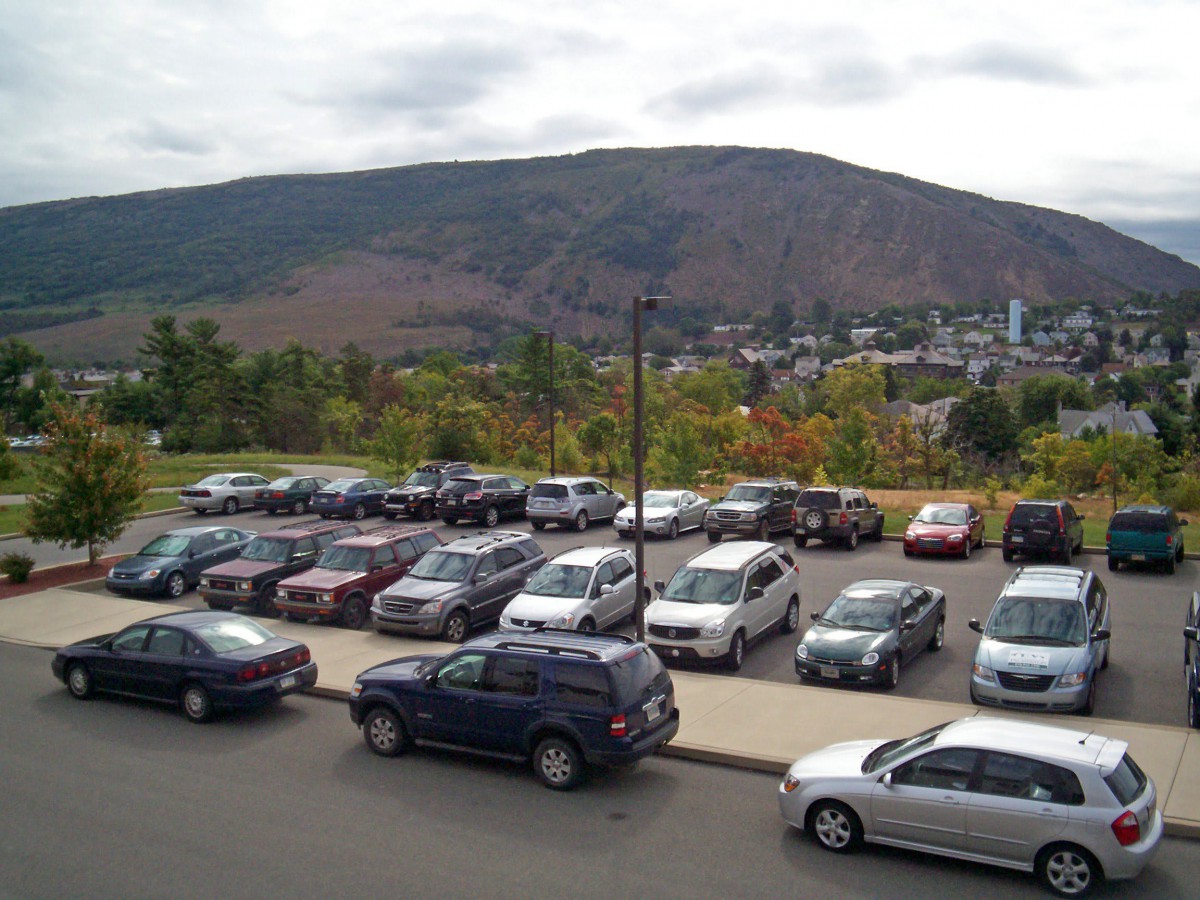
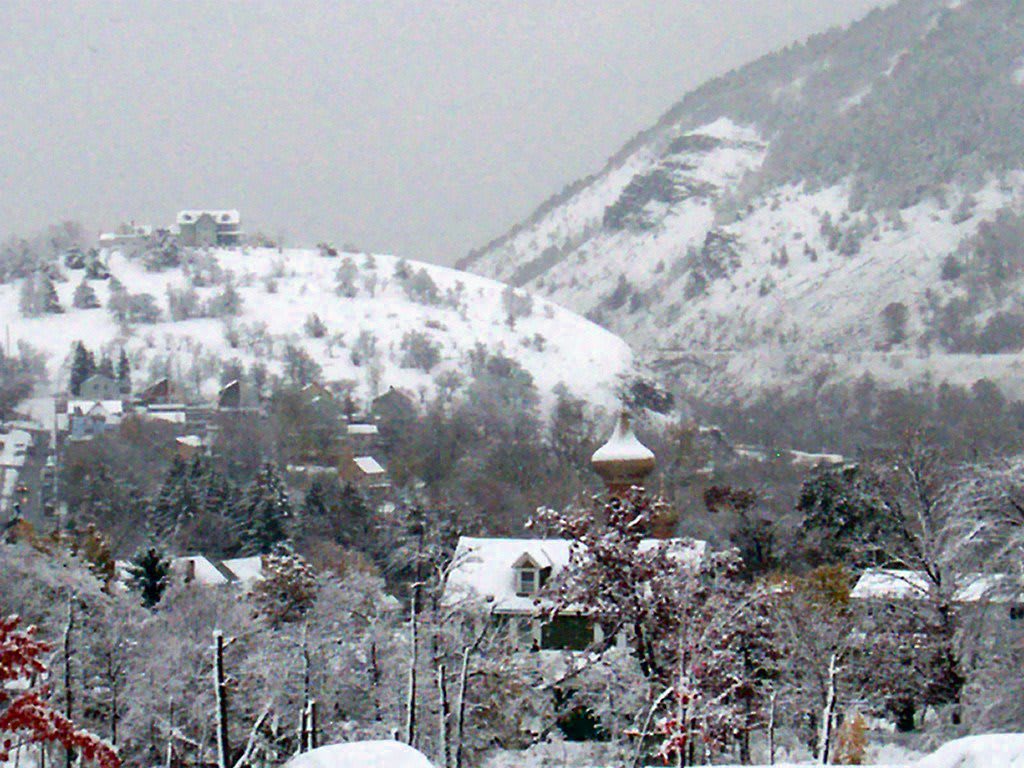
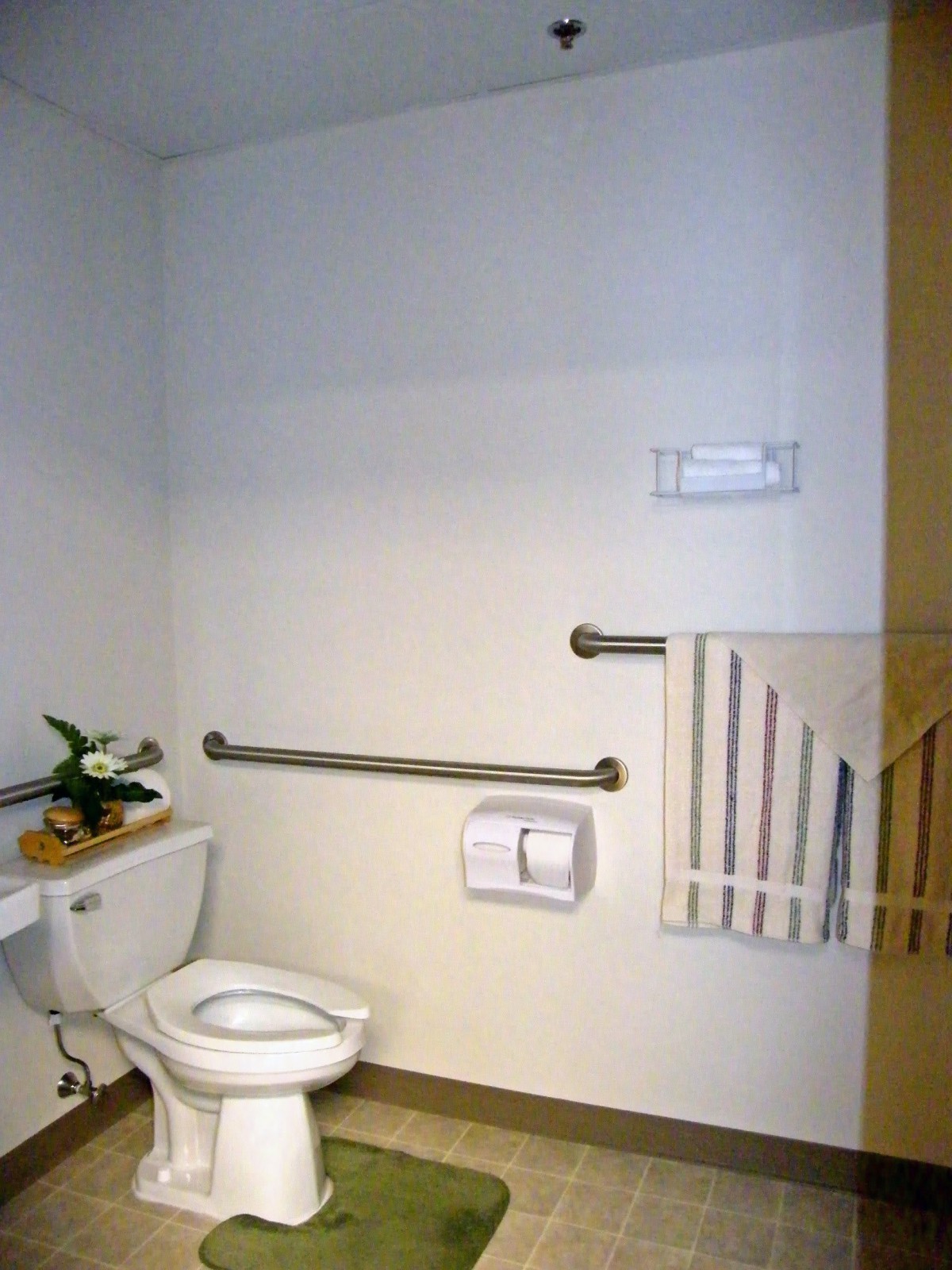
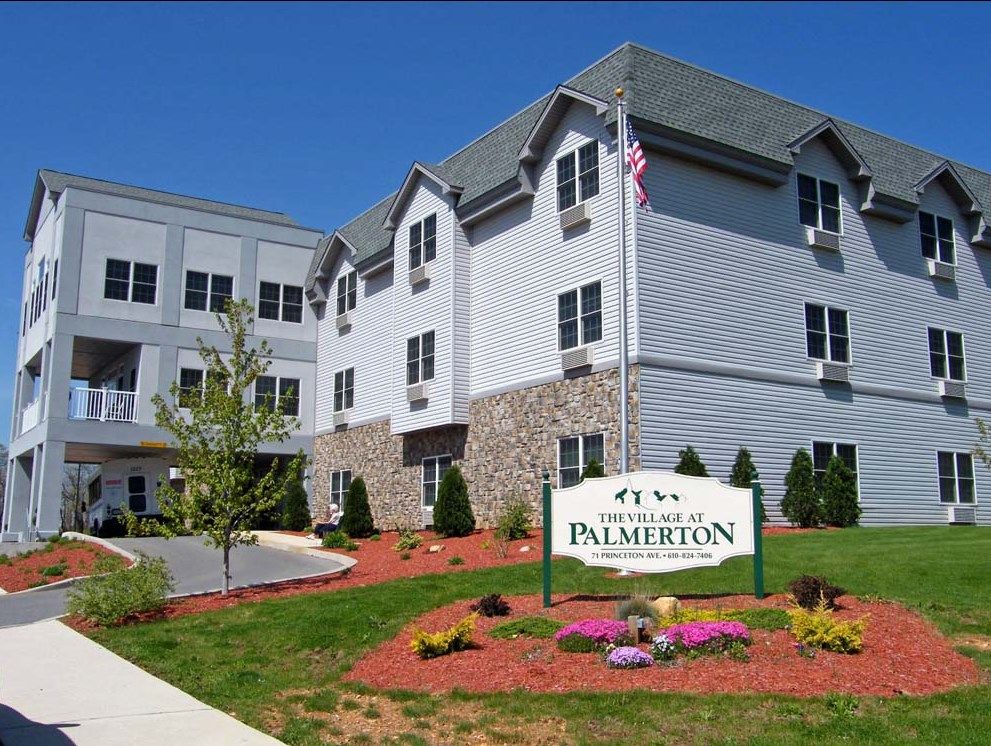
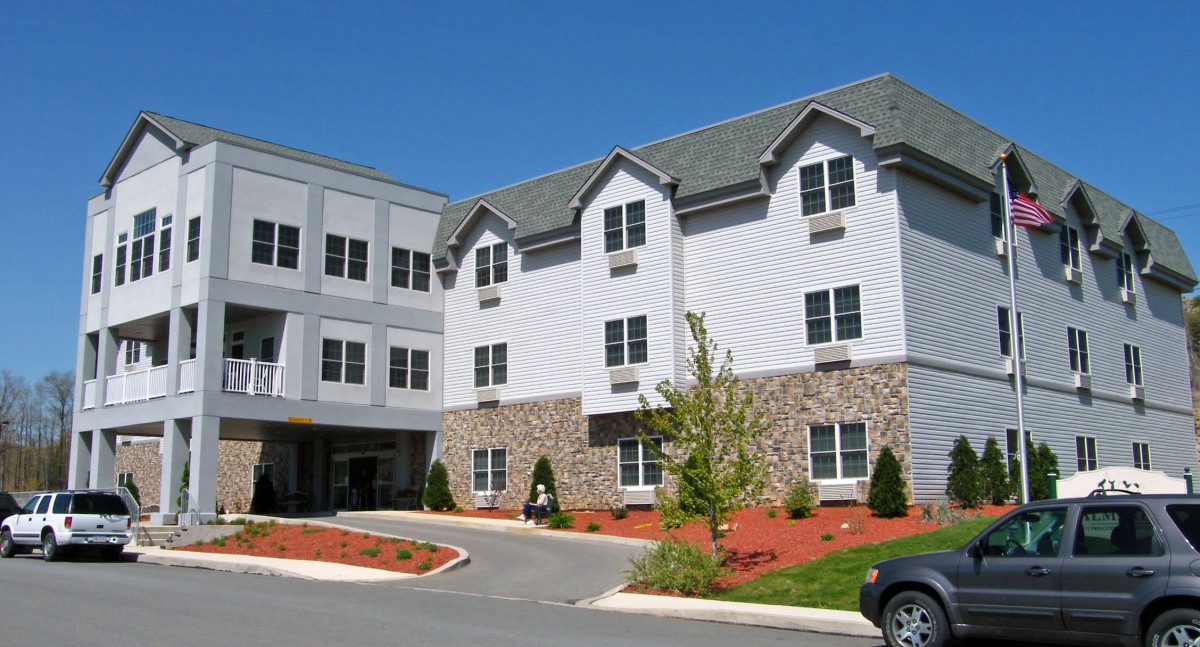
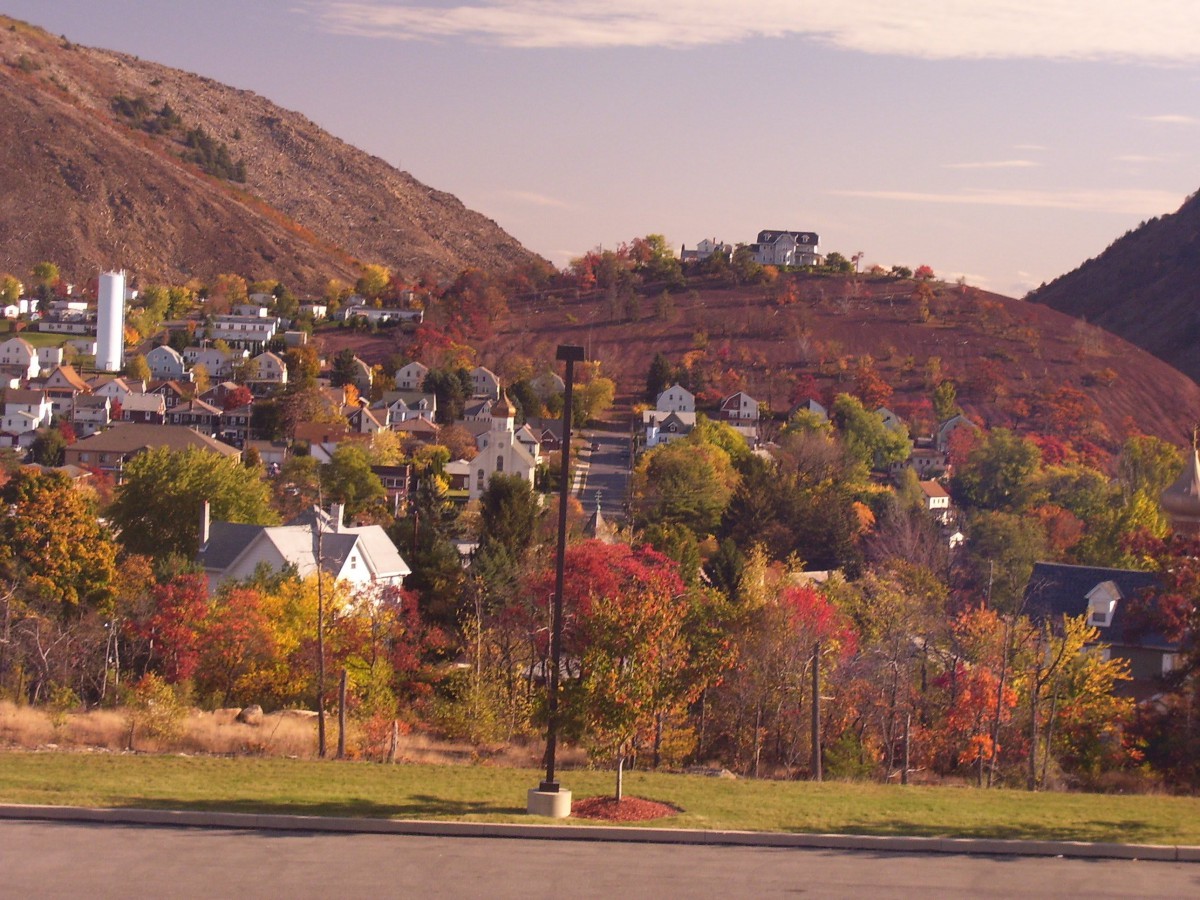
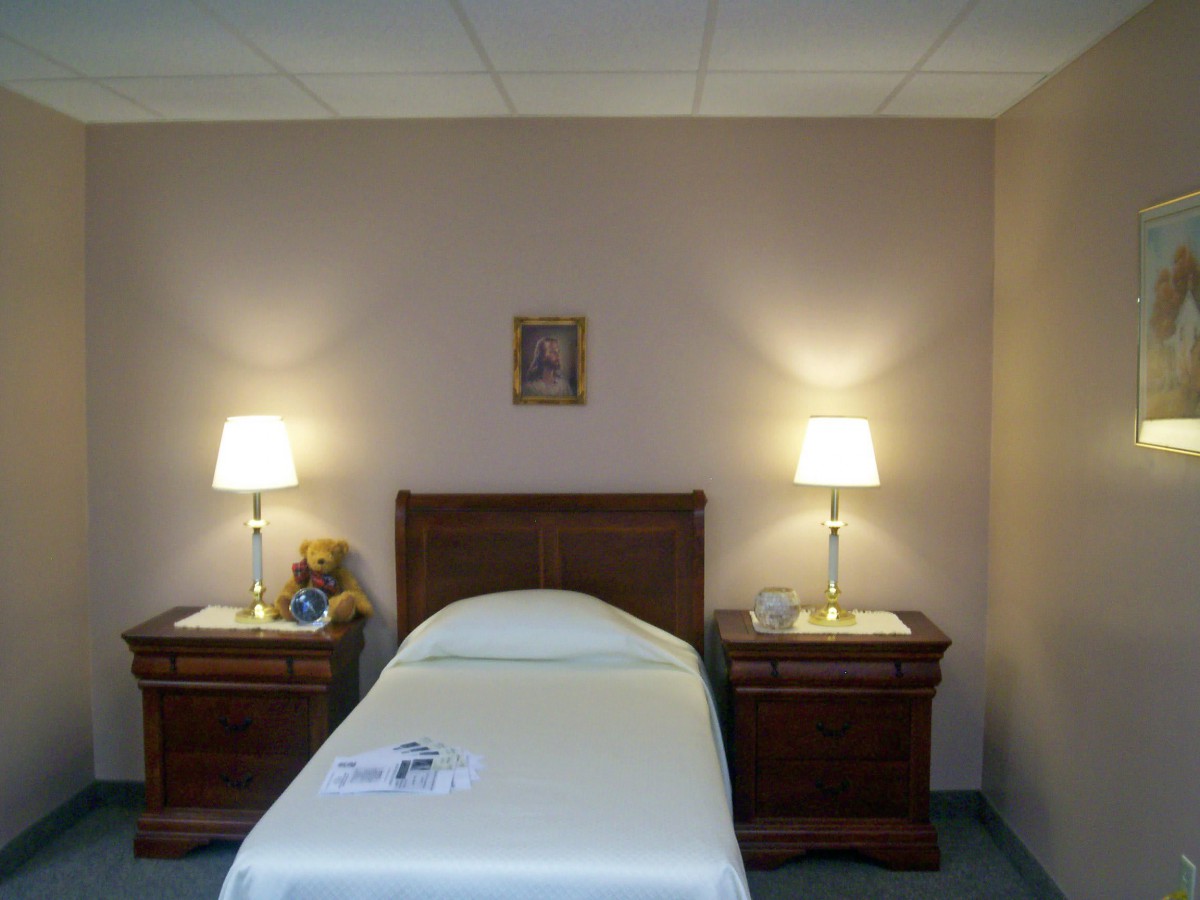
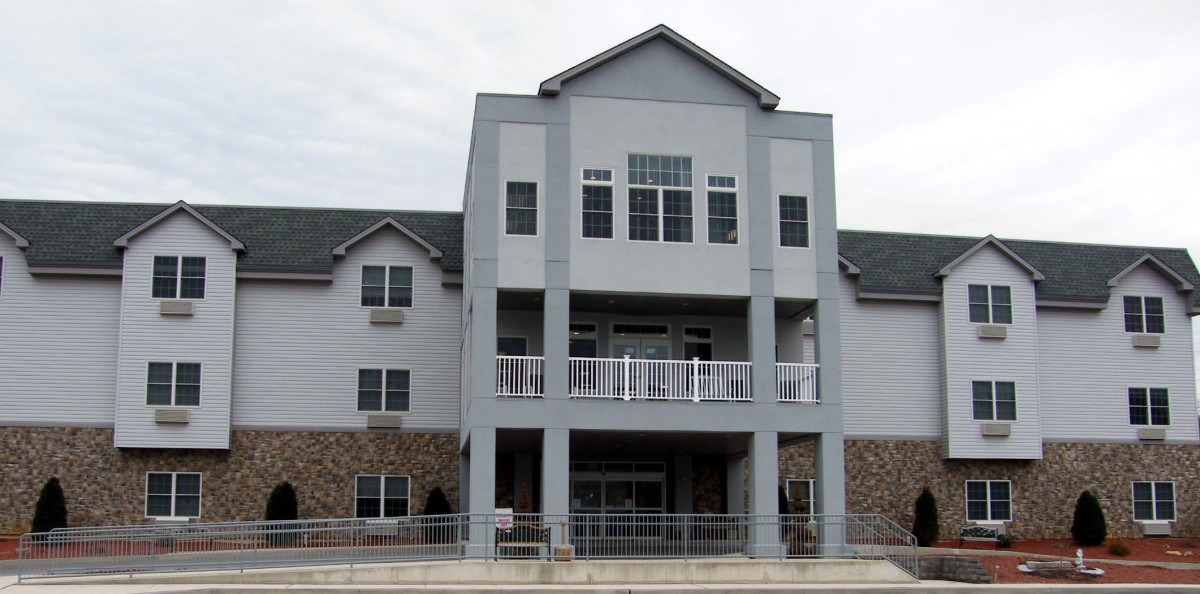
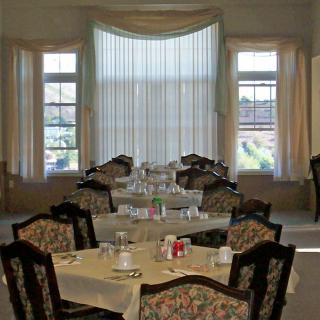
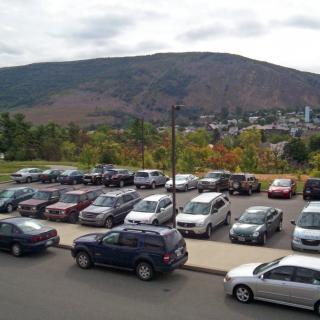
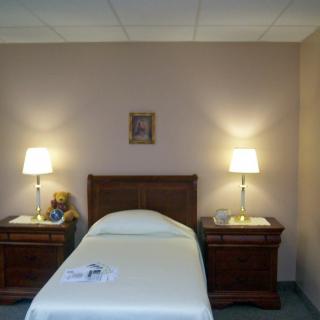
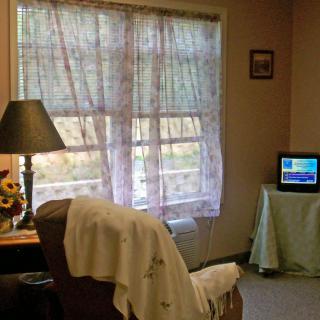
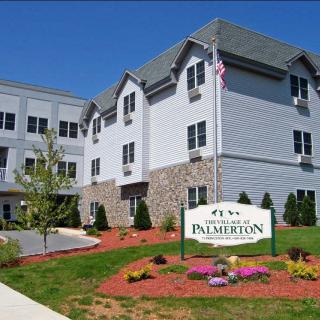
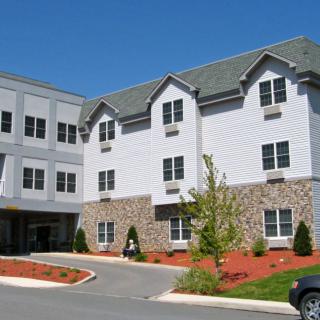
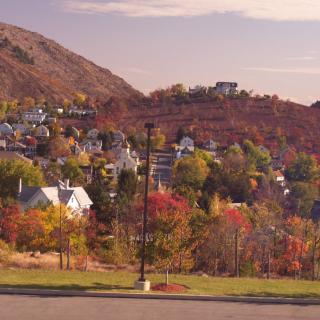
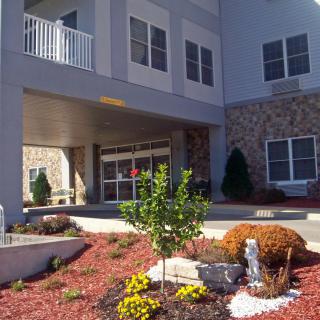
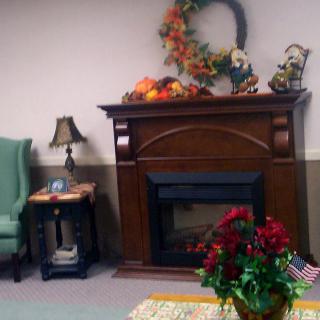
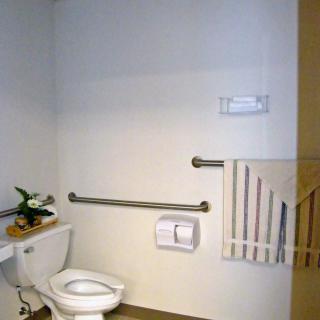
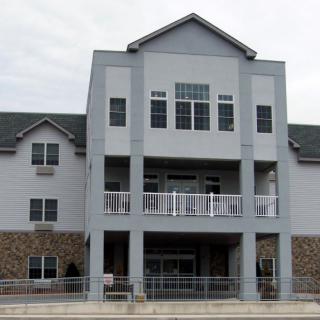
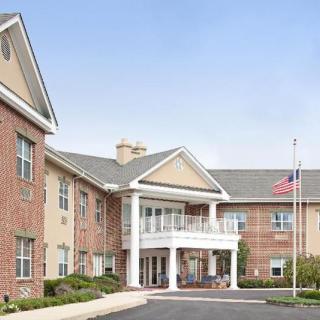
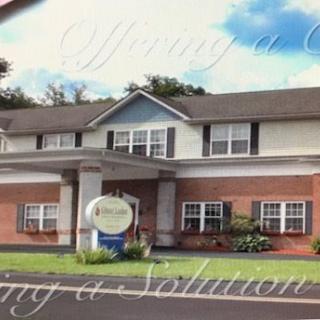
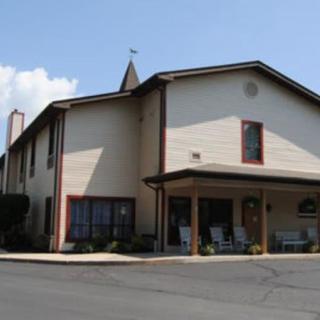
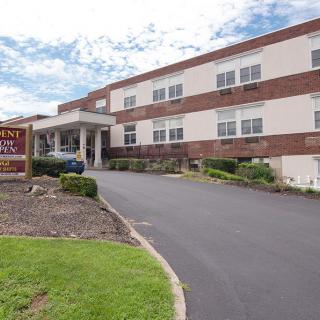
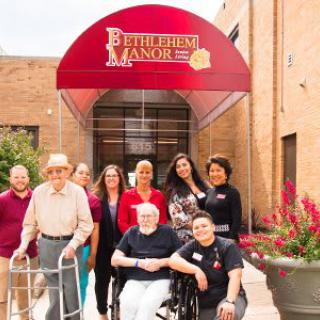
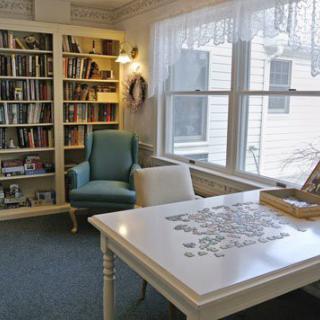
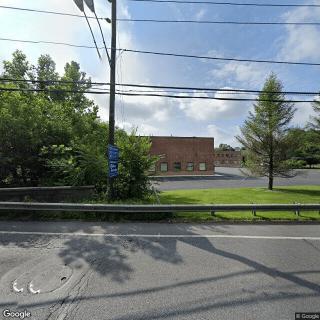
The Palmerton on seniors.fyi includes 13 photos including images showing landscaping, building, architecture, interior, decor, dining, windows, mountains, and more.
Nearby Communities
Renee S Countryside Farm Personal Care Home
Palmerton, PA
5 from 4 reviews
$1,800 to $2,550 / month
Well-maintained facility with caring staff and engaging activities.
Pine Meadows Personal Care Inc
Palmerton, PA
5 from 1 review
Personalized care with diabetic support and on-site activities and meals.
Pond View Manor
Walnutport, PA
4.1 from 18 reviews
Small, personalized care with comprehensive services.
Pond View Manor Personal Care Home
Walnutport, PA
4.5 from 34 reviews
$3,200 to $3,600 / month
Small, home-like setting with attentive staff and personalized care.
Riverstone Manor
Walnutport, PA
4 from 11 reviews
Comprehensive amenities and care (restaurant-style dining, on-site transportation, fitness/wellness options, diabetes care, and engaging activities).
Senior Helpers - Lehighton, PA
Lehighton, PA
1 from 1 review
Convenient access to a wide range of nearby amenities (cafes, parks, pharmacies, physicians, restaurants, places of worship, hospitals) paired with reputable assisted living care.
Liza S House
Danielsville, PA
4.5 from 23 reviews
Warm, homey environment with personalized staff attention in a small, clean setting.
Mrs Bush S Personal Care Home I
Kunkletown, PA
4.8 from 20 reviews
24/7 supervision with restaurant-style dining
Sacred Heart Senior Living by the Creek
Northampton, PA
4 from 30 reviews
$2,300 to $3,400 / month
Compassionate staff with a clean, home-like environment and engaging activities.
"Memory Care Pathways: A Holistic Guide to Dementia Support" outlines the complexities of dementia and its various types, emphasizing early detection, patient-centered care strategies, caregiver support, and long-term care options while addressing legal and financial considerations to enhance the quality of life for individuals with dementia and their families.
Sundown syndrome, or sundowning, is a phenomenon in dementia patients characterized by increased confusion and agitation during late afternoon and evening, influenced by factors like disrupted circadian rhythms and fatigue. Effective caregiver strategies include establishing routines and managing environmental light while addressing caregiver stress through support services.
Delirium is a rapidly onset, reversible cognitive disturbance often caused by acute medical issues, while dementia is a gradual and irreversible decline due to chronic neurodegenerative diseases. Accurate differentiation between the two is essential for appropriate treatment and management in older adults.
Get PricingAsk A QuestionSchedule A TourContact Senior Advisor
By clicking submit, you agree to our Partner's Terms of Use. You
also consent to receive calls and texts, which may be autodialed, from our Partner. Your consent is not a condition to
using our Partner's service. Please visit our Partner's Privacy Policy for information about their privacy practices.


 70 resident community capacity
 Studio apartments
 Assisted Living
 Memory Care
 Respite Care
 Cats allowed
 Dogs allowed
 Activities off-site
 Air-conditioning
 Beautician on-site
 Cable or satellite TV
 Computer center
 Devotional services on-site
 Dining room
 Fitness room
 Fully furnished
 Gaming room
 Garden
 Ground floor units
 Housekeeping services
 Indoor common areas
 Kitchenette
 Move-in coordination
 Outdoor common areas
 Private bathrooms
 Restaurant-style dining
 Small library
 Telephone
 Wellness center
 Wheelchair accessible showers
 Wi-Fi/high-speed internet available
 Lehigh Valley International (14 miles away)
 Community operated transportation
 12-16 hour nursing
 24-hour call system
 Ambulatory care
 Assistance with bathing
 Assistance with dressing
 Assistance with transfers
 Diabetes diet
 Diabetic care
 Hospice waiver
 Incontinence care
 Medication management
 Mental wellness program
 Special dietary restrictions
 Transportation arrangement (medical)
 Art classes
 Brain fitness
 Concierge services
 Cooking classes
 Day trips and outings
 Happy hour
 Karaoke
 Live dance or theater performances
 Live musical performances
 Trivia games
 Wii bowling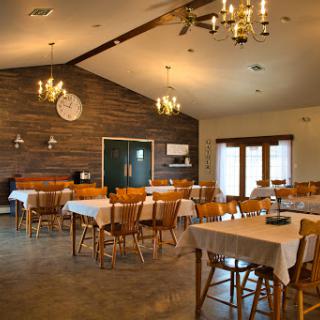
 Well-maintained facility with caring staff and engaging activities.

 Memory Care Pathways: A Holistic Guide to Dementia Support
 Comprehending Evening Confusion in Dementia: Causes, Manifestations, and Support
 Delirium and Dementia: Unraveling the Key Differences