
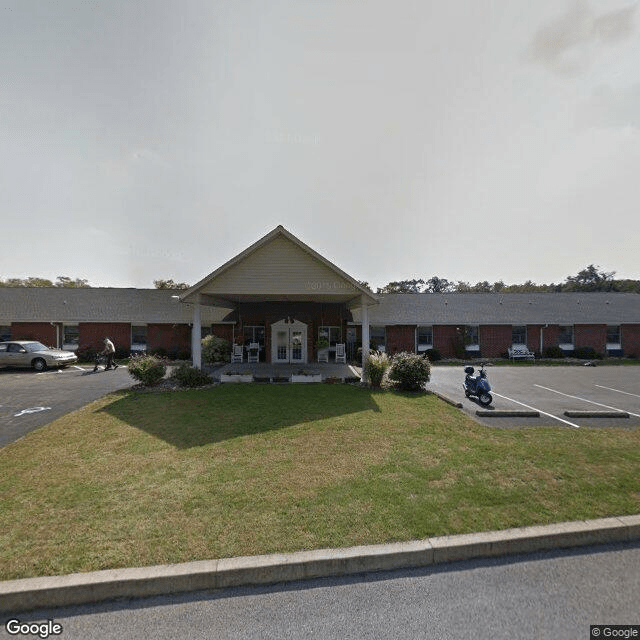
800 Priestly Avenue, Northumberland, PA 17857
For more information about senior living options: (866) 208-4318
Overall Review of Emmanuel Home
Pros
 Visitors love visiting here.
- The staff are friendly and take great care of the residents.
- The residents seem very relaxed and comfortable.
Review
Emmanuel Home is best suited for seniors who value a faith-centered, intimate assisted living experience where daily life unfolds in a warm, homelike setting. The Northumberland, PA community emphasizes a nurturing, relationship-driven approach to care, rather than a clinical or impersonal atmosphere. It is ideal for residents who want regular staff engagement, predictable routines, and opportunities to participate in religious and community activities that reinforce a sense of belonging. The small scale translates into steady faces at mealtimes and in the hallways, supporting a predictable cadence of care and a genuine feeling of safety. For families seeking a place where staff know residents by name and care about more than just the basics, Emmanuel Home delivers a compelling fit.
However, alternatives should be considered for residents who prioritize secular programming, a broader range of on-site amenities, or more intensive medical oversight. A larger campus with a more varied activity calendar may offer more diverse social opportunities and quicker access to specialist services. For seniors who require significant memory care or complex clinical management, a facility with dedicated dementia units or on-site physician presence may be preferable. Families with strong preferences for nonreligious environments or for residents who wish to explore multiple faith communities might look for options that align more closely with those values. In short, Emmanuel Home excels in faith-forward, personal care but may feel limiting for those who want broader programming or higher-level medical support.
The strongest pro is the care team's warmth and attentiveness. Reviews highlight friendly staff who take great care of residents, a factor that directly mitigates common anxieties about aging in place, loss of independence, loneliness, and miscommunication. A relaxed, comfortable resident population suggests a stable, low-stress environment where activities are likely predictable and supportive rather than chaotic. The faith-based framework adds another layer of cohesion, offering structured routines, regular worship opportunities, and a moral community that can bolster residents' emotional well-being. These elements help offset potential downsides of a smaller operation, such as limited specialist availability or fewer advanced amenities, by ensuring daily life feels meaningful, personalized, and secure.
Relational continuity is another clear benefit. When staff repeatedly interact with the same residents, it reduces miscommunication and fosters trust, critical for families navigating transitions. The emphasis on comfort and serenity among residents signals a living environment that supports dignity and independence where possible. For many families, this translates into fewer alarming care escalations and more confidence that routine needs, from assistance with daily tasks to reminders and supervision, are met with respect and kindness. In practice, the combination of a tight-knit staff circle and a faith-centered culture tends to produce a cohesive daily rhythm that aligns with residents' values and expectations, reinforcing the sense of belonging that many families prioritize in senior living decisions.
Potential cautions stem from the small scale. A compact setting can limit dining options, enrichment activities, or on-site medical resources beyond routine assistance. For residents with evolving memory care needs or who require frequent clinical intervention, the absence of a larger care team may become a constraint. However, the positive staff-resident dynamics often translate into quicker, more personalized problem-solving, as caregivers are more likely to spot subtle changes and respond with flexibility. The faith framework also matters here: for residents who thrive on community rituals and spiritual support, the pros sharply outweigh the need for broader programming. Families should verify how medical responses are structured, what kind of transportation is available for appointments, and how emergencies are handled before making a final choice.
In deciding, place priority on alignment of values and the anticipated cadence of daily life. Emmanuel Home serves best for those who want a close-knit, faith-oriented community with dependable, personable care. It is worth considering alternatives if secular programming, a wide activity slate, or advanced medical services are essential. Pros like staff warmth and a calm resident environment can meaningfully offset the limitations of a smaller campus, but verification of practical details, care levels, visitation policies, medication management, and care coordination, remains essential. For families, a targeted visit focusing on staff interactions, resident routines, and opportunities for spiritual engagement will reveal how well Emmanuel Home matches the resident’s preferences and care needs. If the fit is right, it promises a dignified, comforting chapter.
 38 resident community capacity
 Assisted Living
 Board and Care Home
 Beauty salon
 Cable or satellite TV
 Dining room
 Fully furnished
 Garden
 Housekeeping services
 Kitchenette
 Move-in coordination
 Outdoor space
 Restaurant-style dining
 Small library
 Telephone
 Wi-Fi/high-speed internet available
 24-hour call system
 Activities of daily living assistance
 Assistance with bathing
 Assistance with dressing
 Assistance with transfers
 Diabetes diet
 Medication management
 Mental wellness program
 Special dietary restrictions

 Understanding the Distinctions: Assisted Living and Memory Care Explained
 Guiding Elderly Parents Who Refuse Assisted Living: 6 Practical Steps
 Your Comprehensive Guide to Luxury Assisted Living: Elevated Facilities, Amenities, and Costs