

27 River Rd, New Columbia, PA 17856
To contact a resident: (570) 568-1090
For more information about senior living options: (866) 208-4318
Overall Review of Country Comfort Assisted Lvng
Pros
 The staff and owner are very friendly and caring.
- The reviewer feels extremely comfortable knowing their brother is well taken care of.
Cons
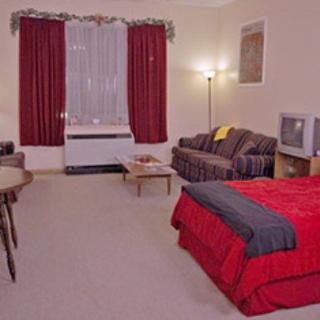
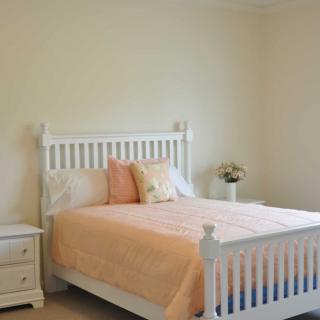
 The rooms are very small.
- There is no air conditioning.
- The hallways are narrow.
- The reviewer doubts the facility is ADA compliant.
Review
Country Comfort Assisted Living in New Columbia is best suited for seniors who prize a tightly knit, caregiver-focused atmosphere over expansive amenities. Families seeking a homelike, intimate setting where staff presence is constant and direct, and where personal attention from an involved owner is visible daily, should consider this community seriously. The environment is clearly designed around relationships and reliable daily oversight, which can translate into genuine peace of mind for relatives. That said, this is not the pick for those who demand generous square footage, superb climate comfort, or broad, modern accessibility features.
Those who may want to consider alternatives are primarily residents who require more space, better climate control, or stronger assurances about accessibility. The current footprint and layout raise legitimate concerns for anyone living with mobility challenges or who expects a modern standard of comfort. If the resident requires sunlit, air-conditioned interiors, or wide, obstacle-free corridors for walkers or wheelchairs, options with larger rooms, robust HVAC, and clear ADA-compliant design will likely serve better. Families should also weigh the need for more comprehensive medical or rehabilitative services, as smaller homes often struggle to accommodate rapid changes in health status.
The strongest pro at Country Comfort is the warm, attentive staff and owner. The reviews consistently highlight a caring, friendly culture where caregivers know residents by name and respond promptly. This level of personal involvement can compensate for many gaps in space or device-assisted care, offering emotional security for families and real comfort for residents who thrive on consistent human interaction. A well-led, approachable team can make daily routines smoother, reduce anxiety around transitions, and foster a sense of being seen and understood, an often undervalued dimension of quality senior living.
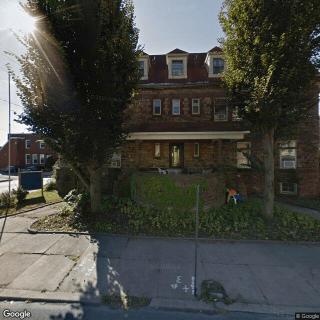
Yet the proof of trade-offs is in the physical environment. Very small rooms immediately limit privacy and personal expression, making it harder for residents to settle into a comfortable routine or to personalize living space. No air conditioning is a material drawback in seasons with heat or humidity, potentially affecting comfort and safety for older adults, especially those sensitive to warmth or with certain medical conditions. Narrow hallways compound accessibility concerns, creating risk for ambulatory aids and complicating transfers or emergency evacuations. The questions this raises about ADA compliance are not trivial; they matter for safety, independence, and long-term suitability.
When weighing the pros against these cons, the balance tilts in favor of Country Comfort only for families prioritizing relationship-driven care over physical breadth. For seniors who value daily oversight, a familiar face at every shift, and a sense of community rooted in genuine care, the advantages can outweigh the constraints. But for anyone who cannot tolerate cramped living quarters, summer heat without cooling, or tighter corridors that challenge mobility devices, the drawbacks are not easily dismissed. In practical terms, this community serves as a practical option for caretaking emphasis, but not as a universal solution for all mobility levels or climate preferences.
Prospective families should take concrete steps to validate fit before committing. Arrange a visit focused on room size, window placement, and whether any temporary cooling measures or climate considerations can be provided during hot months. Inspect hallways for width, floor transitions, and the ease of navigation with walkers or wheelchairs. Ask detailed questions about ADA features, door widths, bathroom accessibility, grab bars, shower setups, and emergency call systems, and request specific demonstrations. Speaking with current residents about daily routines, meal quality, and activity variety will reveal whether the intimate pace works in practice. If possible, request a trial stay to observe how care, space, and climate interact in real life.
In summary, Country Comfort Assisted Living embodies practical, hands-on care delivered with warmth and attentiveness. It is a sound choice when the priority is a small, well-supported community where staff reliability and personal connections trump spaciousness and modern infrastructure. However, for seniors needing generous private rooms, reliable climate control, and clearly accessible design, alternatives should be pursued. The decision hinges on whether the resident can embrace a compact, intimate setting with a highly engaged care team, or whether comfort and accessibility at a larger, more open facility are non-negotiable.
 Board and Care Home


 Comprehensive Insights and Practical Strategies to Help Older Adults Avoid Falls
 6 Crucial Ways an Elder Law Attorney Assists Families
 Navigating the Tax Landscape of Caregiving: Credits, Deductions, and Beyond