
10546 River Road, New Columbia, PA 17856
For more information about senior living options: (866) 208-4318
Overall Review of Country Comfort Alternative Living
Pros
 The staff and owner are very friendly and caring.
- The reviewer feels extremely comfortable knowing their brother is well taken care of.
Cons
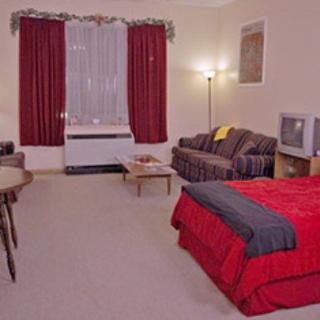
 The rooms are very small.
- There is no air conditioning.
- The hallways are narrow.
- It doesn’t seem to be ADA compliant.
Review
Country Comfort Alternative Living in New Columbia, PA is best suited for seniors who crave an intimate, caregiving-focused environment where staff and ownership are visibly engaged in daily life. This is a setting where caregivers know residents by name, routines feel personalized, and communication with families can feel direct and ongoing. The strongest asset is a hands-on culture: a small-community feel where compassion and attentiveness are evident, and where family members can observe care dynamics without a distant, impersonal atmosphere. For someone who prizes a warm, steady human touch over expansive common areas or resort-like amenities, this community presents a clear potential fit.
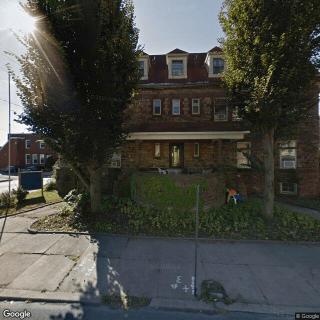
Nevertheless, families should consider alternatives if certain fundamentals matter more than care warmth. The most glaring concerns in the available feedback are space and climate. Very small rooms, narrow hallways, and questions about accessibility highlight a built-in constraint that can affect daily comfort and ease of movement, particularly for residents who use mobility aids or require more generous layouts for safety. The absence of air conditioning is another practical deficit that can influence quality of life, especially on warm days or in seasons when heat becomes difficult to manage. For families evaluating facilities with stronger climate control, broader corridors, and visibly ADA-ready infrastructure, this community may fall short of expectations.
On the upside, the pros are concrete and meaningful. The staff and owner are described as friendly, caring, and dependable, with a sense of genuine investment in residents’ welfare. Families report feeling extremely reassured knowing a loved one is well cared for, and the relationship between caregivers and residents seems to foster trust and continuity. This level of personal attention often translates into better daily monitoring, easier crisis recognition, and clearer, more consistent communication with families, benefits that can, in meaningful ways, offset more modest physical footprints or fewer bells and whistles.
The main drawbacks, however, cannot be dismissed. The small room sizes can erode privacy and restrict a resident’s ability to personalize living space or accommodate assistive equipment. Narrow hallways may hinder safe navigation for walkers, wheelchairs, or temporary mobility devices, and they can complicate the delivery of some therapies or activities that rely on unobstructed space. The lack of air conditioning is not a minor comfort issue; it can influence sleep quality, daytime energy, and overall mood, particularly for residents sensitive to heat or with certain medical conditions. Finally, questions about ADA compliance cast a shadow on long-term usability for residents with significant mobility or safety needs, suggesting that the building’s design may not support evolving care requirements as they intensify.
Weighing the available advantages against the drawbacks leads to a practical conclusion. For residents who prize a dependable, personable caregiving team and who are comfortable with a compact living environment, Country Comfort Alternative Living offers genuine value. The warmth of the staff can create a sense of security and belonging that matters deeply to families seeking peace of mind. Yet for anyone whose priorities tilt toward ample space, reliable climate control, and infrastructure confidently aligned with current accessibility standards, this option may not hold up over time. The decision hinges on the resident’s tolerance for tighter spaces and the predictable summer heat, balanced against the certainty of daily, attentive care.
In the end, this community is a viable choice for families prioritizing trust, personal connection, and hands-on supervision, particularly when a resident is content with smaller quarters and can adapt to a warmer environment. Those who require generous room dimensions, a robust cooling system, or a facility that clearly demonstrates compliant accessibility features should actively explore alternatives. A decisive path forward should include in-person tours at varied times, verifications of room sizes, a clear plan for heat management, and direct questions about ADA readiness and future upgrades. With careful evaluation, the fit will become evident: a heartfelt, intimate option for some, and a mismatch for others who demand broader comfort and accessibility.
 20 resident community capacity
 Assisted Living
 Board and Care Home
 Activities on-site
 Beauty salon
 Cable or satellite TV
 Devotional services off-site
 Dining room
 Fully furnished
 Garden
 Housekeeping services
 Indoor common areas
 Kitchenette
 Move-in coordination
 Outdoor space
 Telephone
 Wi-Fi/high-speed internet available
 24-hour call system
 Ambulatory care
 Assistance with bathing
 Assistance with dressing
 Assistance with transfers
 Diabetes diet
 Diabetic care
 Meal preparation and service
 Medication management
 Mental wellness program
 Special dietary restrictions
 Transportation arrangement (medical)
 Transportation to doctors appointments




 Assisted Living Expenses and Long-Term Care Insurance: A Comprehensive Exploration
 Securing Financial Support for Assisted Living: A Comprehensive Overview
 Social Security Benefits and Assisted Living: Navigating Options Across the U.S.