
222 Salisbury St, Meyersdale, PA 15552
To contact a resident: (814) 634-5160
For more information about senior living options: (866) 208-4318
Overall Review of Johnson's Personal Care Home
Pros
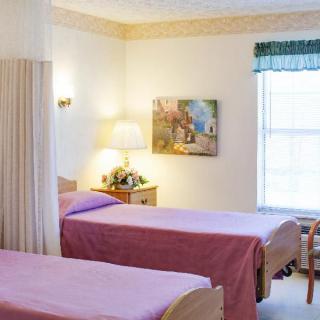
 It is better than most, despite its appearance.
Cons
 The facility provides poor care for residents.
- Administrators engage in monetary discrepancies by failing to provide monthly statements for residents’ accounts.
- The meals are unhealthy and safety issues exist.
- No regular fire drills are conducted; when they occur, residents are evacuated to the front porch and the alarm is pulled.
- Residents are charged two to three times for services they pay out of pocket.
- The administrator is unavailable when residents request to speak with her, reportedly in a basement office.
- Residents who voice complaints face strong retribution.
- The reviewer intends to seek another placement for their family member.
- The business should be shut down by the Department of Health.
Review
Johnson's Personal Care Home in Meyersdale, Pennsylvania is best suited for families operating on a tight budget who can tolerate uneven care quality and limited administrative responsiveness while navigating care at a lower-cost option. The setting is modest, and the cost appeal may attract families seeking to stretch resources, but that savings comes with tradeoffs in staffing consistency and safety discipline. For anyone prioritizing transparent billing, routine safety practices, and consistently responsive administration, this home is unlikely to meet expectations. In short, it serves as a last-resort option for price-conscious families rather than a dependable, resident-centered choice.
Those who value reliable daily care, clear financial communication, predictable routines, and a safety-first culture should look elsewhere. The reviews flag recurring issues: gaps in care, billing discrepancies, meals considered unhealthy, and safety concerns that are not clearly addressed. Administrator accessibility is questioned, and complaints reportedly provoke pushback. These patterns point to governance and oversight weaknesses that can undermine wellbeing. When choosing a senior living option, this facility stands out as a cautionary example rather than a model to emulate.
The lone positive takeaway embedded in the feedback is a suggestion that, despite a plain appearance, the facility may feel “better than most” in some unspecified respects. However, this faint upside does not meaningfully offset the most damaging downsides: irregular care, financial irregularities, and evident safety lapses. The apparent disconnect between appearances and performance matters for families weighing safety, predictability, and trustworthy billing against any perceived thrift. In practice, the thin margin offered by a lower price quickly collapses under the weight of persistent problems.
The most troubling concerns cluster around care quality and safety. Reports describe insufficient attention to residents’ daily needs, with meals deemed unhealthy and environments lacking consistent fire drills or robust emergency practices. Financial transparency is a recurring red flag, including repeated charges for services and difficulty obtaining timely, itemized statements. The administrator’s unavailability, described as a basement-office retreat, compounds distrust and reduces opportunities to resolve concerns. When residents speak up, the reviews allege retaliation, eroding the sense of security that families expect from a trusted caregiver.
For families seriously evaluating options, a disciplined due-diligence process is essential. Request current state inspection reports, verify licensing status, and examine a facility’s most recent surveys for safety and staffing concerns. Ask for a detailed, itemized monthly statement and a clear contract that spells out what is included in the base rate and what incurs extra charges. Visit at different times to observe staffing levels, watch how meals are handled, and note whether routine drills and evacuations are practiced and properly supervised. Probe how complaints are handled, who oversees resolution, and whether there is an independent ombudsman or family liaison available. If the answers reveal ongoing uncertainty, it is prudent to widen the search to other licensed communities with stronger governance and demonstrable safety practices.
Ultimately, Johnson's Personal Care Home should not be the default choice for families prioritizing care quality, transparency, and safety. It may offer a budget-friendly option for those able to vigilantly oversee care but, given the documented concerns, it warrants serious caution. If budget constraints are non-negotiable, exploring alternatives with robust oversight, clearer billing, and consistent safety routines is advisable. For anyone proceeding, a clear exit plan and an understanding of transition options should be established up front, ensuring a path to a higher standard of care if needs escalate or dissatisfaction rises.
 Assisted Living
 Activities on-site
 Devotional services off-site
 Indoor common areas
 Ambulatory care
 Diabetic care
 Meals provided





 Exploring the Contrasts Between Assisted Living and Skilled Nursing
 8 Key Indicators That Suggest It May Be Time to Transition from Assisted Living to Skilled Nursing Care
 Vibrant Senior Living: A Comprehensive Guide for Active Older Adults