Residents and families frequently describe attentive, caring staff and good support day to day.
Across many reviews, families say residents are genuinely cared for, with staff who are kind, responsive, and professional. Several also praise real nursing support and strong day-to-day care, including rehab-focused support for recovery. One review does raise concerns about delays and uneven attention, so not every experience is described as perfectly consistent.
common6 reviews mention this
Clean, well-kept grounds and rooms
Residents and visitors comment on a clean, well-maintained facility.
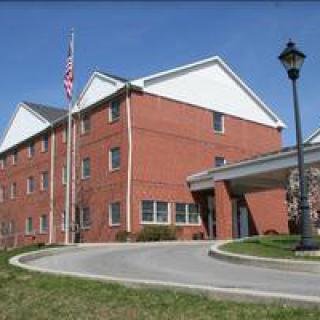
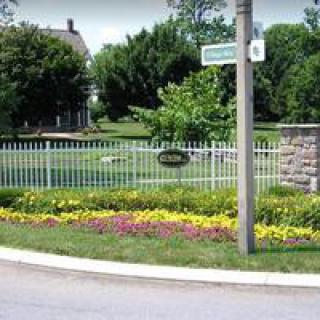
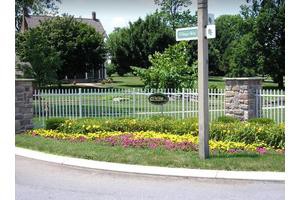
Multiple reviews mention the building and grounds as clean and well kept, including praise for the facility’s appearance during visits. Families also describe a maintained environment with appealing outdoor spaces and areas where residents can gather. Even with the few negative comments in other categories, cleanliness shows up repeatedly as a positive point.
differentiator3 reviews mention this
Higher and lower care options
Families like that care levels can increase within the same community rather than requiring a move.
Several reviews describe a setup where residents can start at one level of support and later receive more help on-site. One family specifically explains a step-up path from independent living with assistance into higher levels of care inside the same facility. Another review notes the community is connected to independent living options, including cottages and houses that keep support nearby when needs change.
common2 reviews mention this
Scheduled activities and community events
The community provides activities and events residents can join.
Residents and families describe opportunities to connect with others through entertainment, games, and scheduled group experiences, including Sunday church services. Reviews also mention the community holding events for children, suggesting activities extend beyond daily resident-only programming. The community offers scheduled daily activities and resident involvement in activities, which aligns with what reviewers highlight.
caveat2 reviews mention this
Food portions and diabetes needs
Food quality is mixed, with at least one complaint about portions and blood-sugar management.
One review says staff made an effort to serve foods the resident liked, along with opportunities for residents to share meals and meals as part of daily life. However, another review reports dissatisfaction with what was served at breakfast and mentions blood-sugar concerns. The community also offers support for diabetes and special dietary restrictions, but the reviews indicate residents’ dining experiences don’t all feel equally consistent.
How we summarize
Counts show how many written reviews mention each theme; a review can touch several themes, and only frequently mentioned themes are displayed.
Features
Housing
25 resident community capacity
Types of Care
Assisted Living
Respite Care
Amenities
Beauty salon
Cable or satellite TV
Dining room
Fully furnished
Garden
Housekeeping services
Kitchenette
Move-in coordination
Outdoor space
Restaurant-style dining
Small library
Telephone
Wi-Fi/high-speed internet available
Care Services
24-hour call system
24-hour supervision
Activities of daily living assistance
Assistance with bathing
Assistance with dressing
Assistance with transfers
Diabetes diet
Meal preparation and service
Medication management
Mental wellness program
Special dietary restrictions
Dining
Diabetes diet
Special dietary restrictions
Activities
Community-sponsored activities
Resident-run activities
Scheduled daily activities
Videos
Nearby Places of Interest
Places of Worship
Martinsburg Grace Brethren Church (0.3 miles)
Roaring Spring Mennonite Church (4.7 miles)
Crossroads Community Church (9.8 miles)
St Catherine of Siena (10.1 miles)
Frankstown Park Missionary Church (10.6 miles)
Westminster Orthodox Presbyterian Church (11.1 miles)
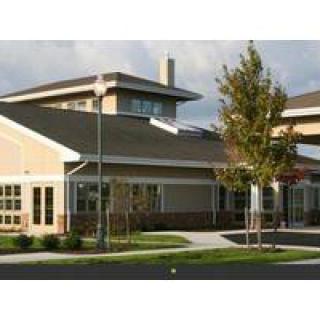
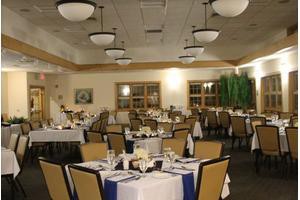
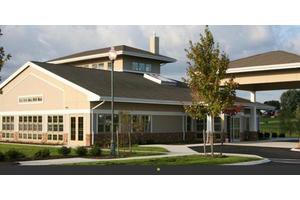
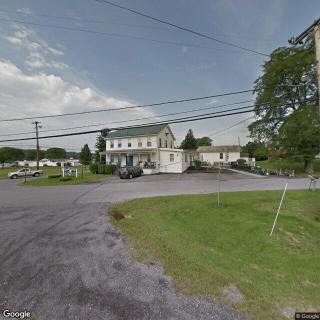
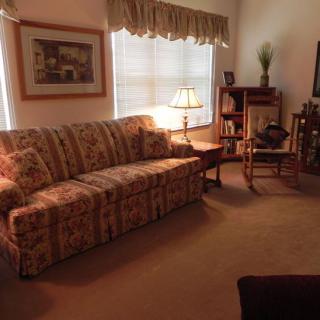
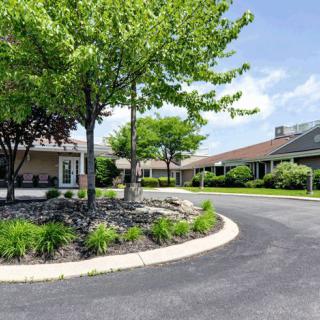
The Village At Morrisons Cove on seniors.fyi includes 5 photos including images showing landscaping, dining, building, trees, interior, lighting, place settings, architecture, and more.
Nearby Communities
Morrisons Cove Home
Martinsburg, PA
4.3 from 59 reviews
Comprehensive care with 24/7 supervision and a wide range of on-site amenities.
Homewood At Martinsburg
Martinsburg, PA
4.6 from 8 reviews
Friendly, helpful staff; clean, upbeat environment; engaging activities; balconies or patios in every room; flexible care options from independent living to skilled nursing with outdoor access.
Cornerstone Personal Care Home
Claysburg, PA
4.2 from 11 reviews
$1,110 / month
Clean, home-like setting with compassionate, well-trained staff and quality dining.
Home Instead - Saxton, PA
Saxton, PA
4.9 from 13 reviews
Compassionate, accommodating staff who help families care for seniors at home.
Autumn Estate Personal Care Home
Hollidaysburg, PA
5 from 2 reviews
Diabetes-focused assisted living with strong healthcare access.
Hollidaysburg Veterans Home
Hollidaysburg, PA
3.3 from 16 reviews
Extensive care options with 24/7 supervision and on-site amenities (dining, salon, fitness, library) plus transportation and social activities.
The Winds at Mattern Orchard
Duncansville, PA
4.7 from 38 reviews
Friendly, attentive staff in a clean, upscale setting with engaging activities and high-quality dining.
Garvey Manor and Our Lady of the Alleghenies Residence
Hollidaysburg, PA
4.4 from 14 reviews
Compassionate staff in a well-maintained, hotel-like environment with engaging activities.
Celebration Villa of Altoona
Duncansville, PA
4.7 from 76 reviews
$2,931 to $5,592 / month
Caring staff, clean and inviting environment, good meals, engaging activities, and personalized apartment options.
Assisted living facilities provide support for older adults needing help with daily activities without extensive medical care, but their costs can be high and vary by location and services offered. Families often seek various funding options and financial strategies to manage these expenses effectively while considering future needs and potential price increases.
The article discusses assisted living expenses, the importance of long-term care insurance in covering these costs, and various financing options, highlighting the need for careful policy review and early planning to address potential needs. It also clarifies common misconceptions about Medicare and private health insurance limitations regarding long-term care coverage.
Assisted living facilities offer crucial support for older adults needing help with daily activities but come with varying and significant costs, which can be financed through personal savings, government assistance programs, long-term care insurance, and home equity options. Professional guidance from experts can aid families in navigating these financial complexities to establish a sustainable budgeting approach for assisted living services.
Get PricingAsk A QuestionSchedule A TourContact Senior Advisor
By clicking submit, you agree to our Partner's Terms of Use. You
also consent to receive calls and texts, which may be autodialed, from our Partner. Your consent is not a condition to
using our Partner's service. Please visit our Partner's Privacy Policy for information about their privacy practices.



 25 resident community capacity
 Assisted Living
 Respite Care
 Beauty salon
 Cable or satellite TV
 Dining room
 Fully furnished
 Garden
 Housekeeping services
 Kitchenette
 Move-in coordination
 Outdoor space
 Restaurant-style dining
 Small library
 Telephone
 Wi-Fi/high-speed internet available
 24-hour call system
 Activities of daily living assistance
 Assistance with bathing
 Assistance with dressing
 Assistance with transfers
 Diabetes diet
 Medication management
 Mental wellness program
 Special dietary restrictions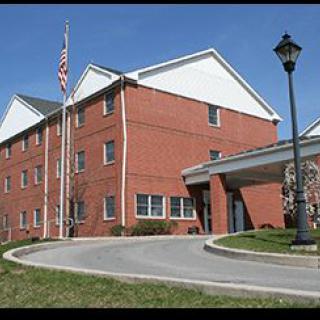
 Comprehensive care with 24/7 supervision and a wide range of on-site amenities.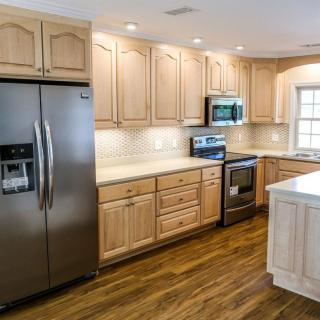


 Funding and Affording Assisted Living: A Thorough Overview
 Assisted Living Expenses and Long-Term Care Insurance: A Comprehensive Exploration
 Securing Financial Support for Assisted Living: A Comprehensive Overview