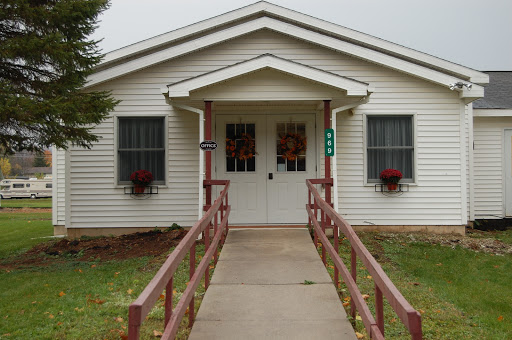

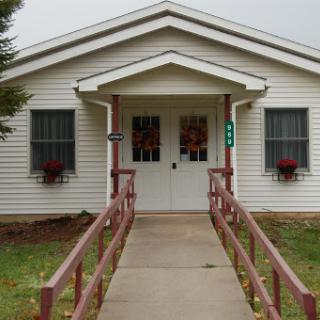
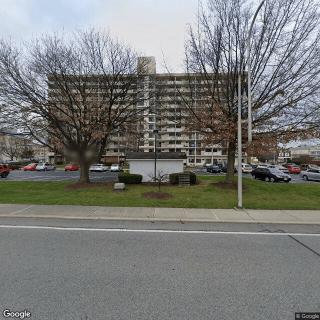
969 Bedford Street, Claysburg, PA 16625
For more information about senior living options: (866) 208-4318
Cornerstone Personal Care Home Costs & Pricing
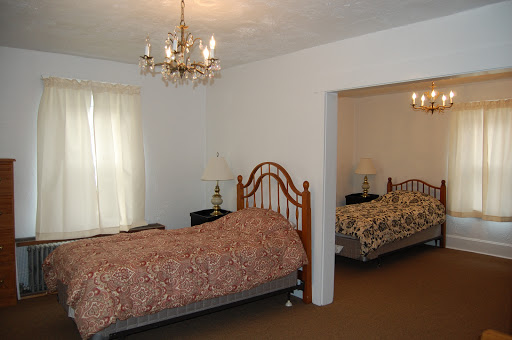
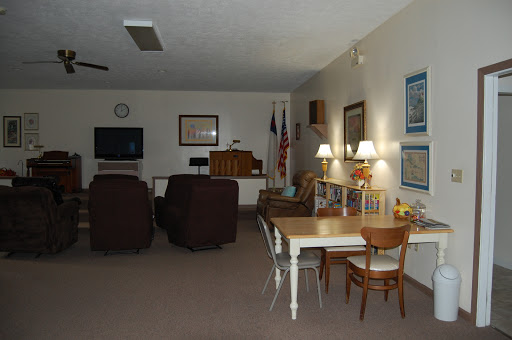
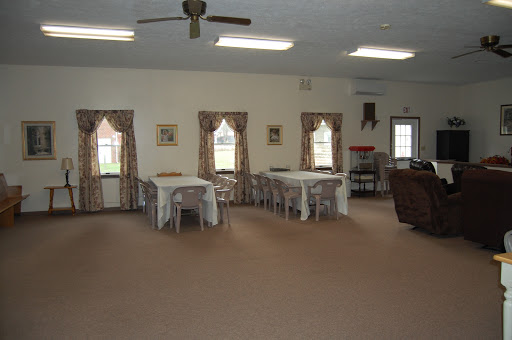
Cornerstone Personal Care Home offers a competitively priced semi-private room at $1,110 per month, significantly lower than both the county average of $3,279 and the state average of $3,542 in Pennsylvania. This pricing structure highlights Cornerstone's commitment to providing affordable care without compromising on quality. It stands out as a financially accessible option for families seeking personal care services in Blair County, reflecting the home's dedication to supporting residents and their loved ones with cost-effective solutions while ensuring a nurturing and safe environment.
| Floor plans | Cornerstone Personal Care Home | Blair County | Pennsylvania |
|---|---|---|---|
| Semi-Private | $1,110 | $3,279 | $3,542 |
Assisted Living communities with a similar price nearby
-
About the same

Autumn Estate
$1,100 to $1,800 / month9.4 miles away
Overall Review of Cornerstone Personal Care Home
Pros
 The facility is wonderful and clean.
- The facility offers great food and a family atmosphere.
- The staff are highly trained and compassionate.
- They would definitely recommend it for a loved one.
- The staff and ownership are there for you, no matter what the need.
- They love their mom.
Cons
 The reviewer says the place isn’t fit to keep a dog there.
- The reviewer claims it isn’t managed right.
Review
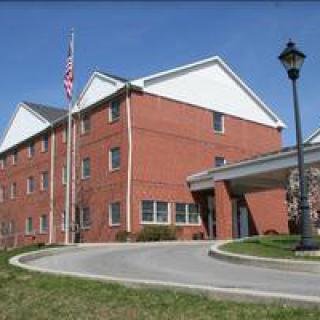
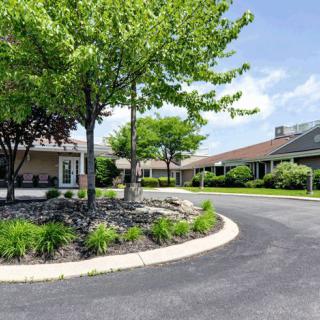
Cornerstone Personal Care Home in Claysburg, Pennsylvania is best suited for families seeking a small, neighborly setting where care feels personal, and leadership is highly present. The community earns a solid 4.2 rating from 11 reviews, underscored by consistent praise for a clean campus, home-style meals, and a family atmosphere. Families who value daily warmth, predictable routines, and direct access to caregivers will find that Cornerstone delivers the comfort of a close-knit, hands-on environment. In short, it works best for seniors who thrive on visible attentiveness, steady interaction with staff, and care that feels as much about companionship as about chores.
That said, there is a notable caution from a reviewer who referenced past history and management concerns. The message is not that the facility is unsafe, but that governance issues may have affected consistency in the past. For families prioritizing rigorous risk management, transparent decision-making, and proven stability over time, these signals warrant closer examination. There is enough positive momentum in staff and daily life to counterbalance the worry, but honest appraisal requires verifying current leadership structures, quality-control processes, and a clear plan for preserving standards going forward.
On balance, the strongest advantages are undeniable: a clean facility, appealing food, and a genuinely familial feel that keeps residents engaged. The caregiving team is repeatedly described as highly trained and compassionate, with ownership and staff seen as accessible and invested in each individual's well-being. Such dynamics translate into practical benefits: quicker response to needs, more personalized activity and dining experiences, and a palpable sense that residents are known well. Those benefits are meaningful when day-to-day life centers on dignity, respect, and consistent interaction, and they can offset some questions about governance by demonstrating dependable, hands-on care.
Ownership involvement matters in concrete terms. The repeated assertion that "Staff Ownership are there for You" and the extension that "no matter what the need" are not slogans but indicators of a culture where accountability is visible and problem-solving is practical. When issues arise, a locally owned home tends to move faster than a distant corporation to adjust care plans, facilitate transfers, or adapt schedules. However, this strength hinges on transparent communication and documented processes. Families should confirm that care plans, medication management, and emergency procedures align with medical needs, and ask how ownership oversight translates into measurable quality metrics.
For families evaluating Cornerstone, the likely fit is clear: seniors who want intimate staffing, consistent daily contact, and a warm, home-like environment without the complexity or impersonality of larger campuses. Those needing robust memory-care programming, specialized clinical oversight, or a track record of formal regulatory compliance across years may want to compare alternatives in the region. Prospective reviewers should tour the facility, observe interactions, and speak with both staff and current residents’ families. Request recent inspection results, staffing ratios, and a sample care plan; ask for references who can speak to governance and the handling of past concerns.
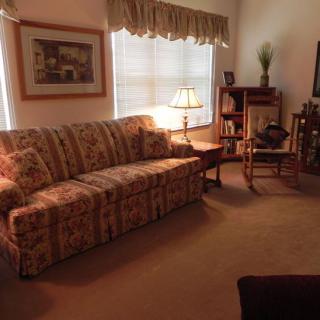
In the end, Cornerstone Personal Care Home is a compelling option for the right family in Claysburg: one that prizes cleanliness, a homey atmosphere, and front-and-center leadership. Its blend of strong caregiving staff and owner involvement creates a reliable platform for daily quality of life. If governance stability and a documented, long-term track record are essential, however, it pays to explore alternatives with more formalized oversight or broader clinical resources. The prudent course is a scheduled visit with specific questions, reviewed references, and a clear understanding of how care plans will be managed over time.
 24 resident community capacity
 Assisted Living
 Activities off-site
 Beauty salon
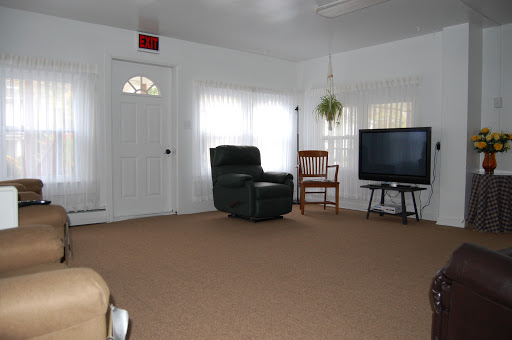
 Cable or satellite TV
 Devotional services off-site
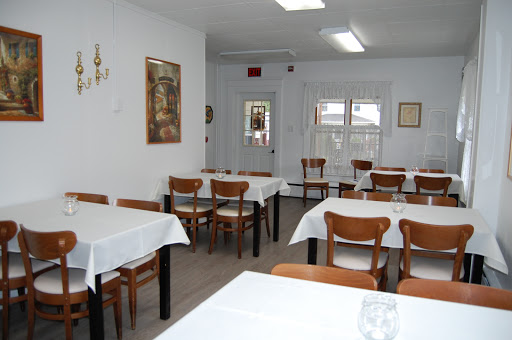
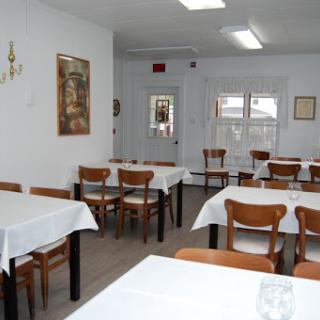
 Dining room
 Fully furnished
 Garden
 Housekeeping services
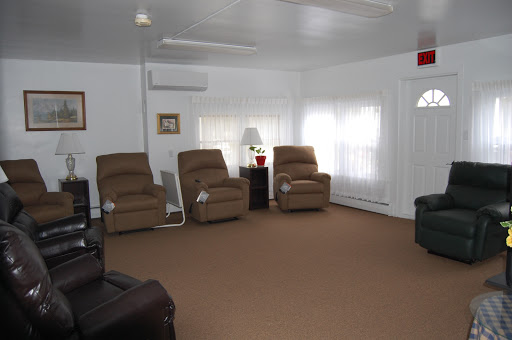
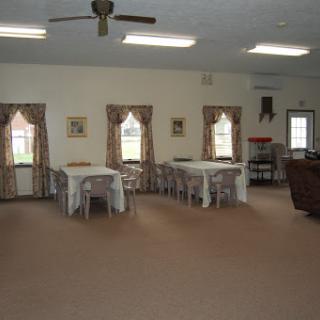
 Indoor common areas
 Kitchenette
 Move-in coordination
 Outdoor common areas
 Respite or short term stays offered
 Telephone
 Wi-Fi/high-speed internet available
 24-hour call system
 Ambulatory care
 Assistance with bathing
 Assistance with dressing
 Assistance with transfers
 Diabetes diet
 Diabetic care
 Incontinence care
 Meal preparation and service
 Medication management
 Mental wellness program
 Special dietary restrictions
 Transportation arrangement (medical)
 Transportation to doctors appointments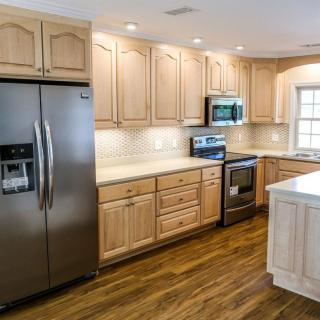


 Exploring the Path to Senior Living: A Comprehensive Look at Independent Living and Assisted Living
 Is Assisted Living Deductible on Your Taxes? Understanding the Complexities of Assisted Living Expenses and Deductions
 Assisted Living Support for Veterans: A Complete and Detailed Overview