Stone Brook Manor--CLOSED

Save
Stone Brook Manor--CLOSED

Stone Brook Manor--CLOSED

507 Rowe Rd PO Box 606, Manor, PA 15665

For more information about senior living options: (844) 490-3973

3.2 from 6 reviews
5 stars
3
4 stars
0
3 stars
0
2 stars
1
1 stars
2

Assisted Living

Stone Brook Manor--CLOSED Costs & Pricing

Stone Brook Manor, which is now closed, offered competitive pricing compared to both Westmoreland County and the broader landscape of Pennsylvania. For a semi-private room, the monthly cost was $1,500, significantly lower than the county average of $2,955 and the state average of $3,542. Similarly, for those seeking a one-bedroom accommodation, Stone Brook Manor's rate of $2,600 also stood well below the county's $3,433 and the state's $4,006. These figures illustrate that Stone Brook Manorially positioned itself as an affordable option for residents in need of assisted living services before its closure.

Floor plansStone Brook Manor--CLOSEDWestmoreland CountyPennsylvania
Semi-Private$1,500$2,955$3,542
1 Bedroom$2,600$3,433$4,006

Overall Review of Stone Brook Manor--CLOSED

Pros

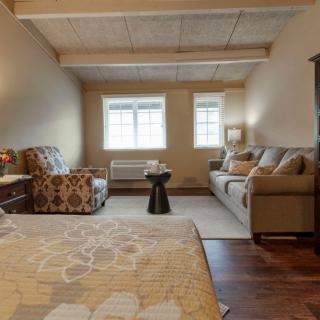
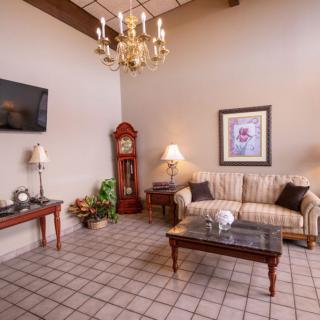
  • pro The inside is beautiful.
  • pro Residents were throughout the building and sitting outside enjoying the sunny weather.
  • pro It is a clean place to live.
  • pro Activities are provided.
  • pro The staff is exceptional and caring.

Cons

  • pro The smell of food mixed with strong cleaning products or urine greeted visitors.
  • pro If a loved one is not content to sit in a chair and sleep all day, Stone Brook Manor should not be chosen.
  • pro Within five months, the resident who was mobile became unable to complete a sentence or stand on his own.
  • pro Medication was administered unbeknownst to the family.
  • pro The facility does not offer long-term care or apartment living, and rooms are not large enough for a husband and wife.

Review

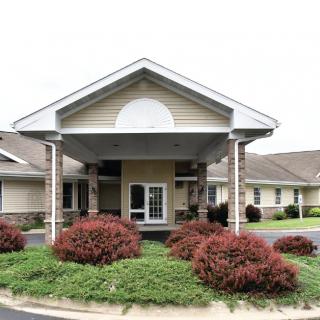
Stone Brook Manor in Manor, PA, was best suited for seniors who wanted a home-like, affordable personal-care option with a small-community feel. It appealed to families seeking a place that felt less clinical than a nursing home, where staff could form genuine relationships with residents and where social routines and activities kept daily life engaging. The setting favored individuals who are still reasonably mobile and who value being able to have visitors join their loved ones and, when desired, to leave with family or friends for outings. In short, it aimed at those who prefer intimate care over high-end amenities and who prioritize warmth and a sense of belonging over luxury. That described a definite need - yet the current status of Stone Brook Manor complicates the decision: the facility is closed, so this assessment reflects what families would have weighed when it was available and what to look for in comparable options today.

For families weighing alternatives, the obvious caveat is that Stone Brook Manor did not offer true long-term skilled nursing or apartment-style living. Those whose loved ones require 24/7 medical oversight, complex interventions, or the privacy of an apartment shared by a spouse should seek facilities that provide continuous nursing care or two-room arrangements. Couples who want to stay together in a single living space will likely find the layout and room configurations at many assisted living settings more suitable. The combination of a casual, homey environment with limited medical depth also makes this community less appropriate for residents who need higher acuity care, frequent clinical monitoring, or robust rehabilitation services.

From a practical perspective, the strongest positives - beautiful interiors, a clearly engaged resident population outdoors enjoying good weather, and a staff that feels attentive and caring - built a convincing sense of trust. The leadership and office team were described as responsive and reassuring, taking time to answer questions and address concerns rather than pushing money-first outcomes. Residents could come and go as family or friends requested, which fostered a flexible, social atmosphere. Activities were noted as part of daily life, and the overall vibe emphasized a clean, orderly, and comfortable space that resonated with families seeking a modest, peaceful setting rather than a high-cost, luxury experience.

Nevertheless, multiple red flags temper the enthusiasm. The most serious concern centered on safety and governance around medications, with a report that a loved one experienced cognitive decline and loss of mobility after placement, and that medications were administered without family awareness. This kind of lapse signals a fundamental risk for anyone whose day-to-day needs depend heavily on reliable, transparent medication management. More generally, Stone Brook Manor disclosed that it did not provide long-term care or apartment living, and it could not accommodate couples sharing a single residence. The physical footprint also proved limiting: rooms were not large enough for a husband and wife to share, which can be a decisive factor for couples seeking to stay together in later years. A sensory note - an entry with a strong smell of cleaning products and urine - also underscored lapses in environmental maintenance that can undermine comfort and trust.

In weighing the positives against the negatives, the familial, home-like advantage can offset certain drawbacks for residents who are primarily seeking companionship, routine, and a gentler pace of living. A strong, caring staff and a welcoming environment can mitigate concerns about feeling institutional, provided there is solid medication oversight, clear communication with families, and predictable safety practices. The affordability and lack of pretension can be meaningful benefits for seniors whose health needs are modest, whose independence remains a priority, and who prize social engagement over all-inclusive medical services. Yet these offsetting factors do not erase the fundamental gaps: a dependence on formal nursing care, the inability to house couples together, and the risk of medication mismanagement.

For families evaluating similar opportunities today, the key takeaway is to target communities that offer robust medication management, clear governance, and transparent reporting, while matching living arrangements to couple status and medical needs. If choosing an option inspired by Stone Brook Manor's strengths, insist on a facility that combines a warm, home-like culture with a strong clinical backbone - regular medication audits, nurse oversight, and accessible rehabilitation services. Ensure rooms can accommodate a shared living arrangement if preserving a spouse's presence is a priority. Above all, verify the current status of the community - closure changes the decision entirely - and pursue nearby alternatives with demonstrated continuity of care, clear safety protocols, and a track record of steady, hands-on engagement from both administration and caregiving staff.

Features

Types of Care

  • Assisted Living Assisted LivingAssisted living facilities provide crucial support and care for seniors who may need help with daily tasks such as medication management, bathing, and meal preparation. These communities offer a safe and comfortable environment where seniors can maintain their independence while receiving the assistance they need to thrive in their golden years.

Amenities

  • Activities off-site Activities off-siteEngaging in off-site activities is crucial for seniors to maintain social connections, stay active, and stimulate their minds. It promotes overall well-being and helps combat feelings of isolation and loneliness.
  • Activities on-site Activities on-siteActivities on-site are important for seniors because they provide opportunities for socialization, mental stimulation, physical activity, and overall well-being. Engaging in activities can help seniors stay active, maintain their independence, and improve their quality of life.
  • Bath tubs Bath tubsBath tubs are important for seniors because they provide a safe and relaxing way to bathe, helping to prevent slips and falls while promoting independence and overall well-being.
  • Beautician on-site Beautician on-siteHaving a beautician on-site at a senior living community is important for seniors as it allows them to easily access grooming and personal care services, boosting their self-esteem and overall well-being. It also provides convenience and helps seniors maintain their sense of independence and personal style.
  • Devotional services on-site Devotional services on-siteDevotional services on-site provide seniors with spiritual support and a sense of community, as well as an opportunity for reflection and guidance during their senior living experience. This can promote emotional well-being and connection to others, leading to a more fulfilling and enriching lifestyle in their later years.
  • Indoor common areas Indoor common areasIndoor common areas are crucial for seniors as they provide a space for socialization, recreation, and community engagement, promoting overall well-being and reducing feelings of isolation and loneliness.
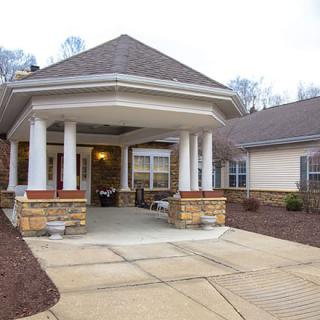
  • Outdoor common areas Outdoor common areasOutdoor common areas are important for seniors as they provide a space for socialization, physical activity, and relaxation. Being outside in nature can improve mood and overall well-being, while also encouraging movement and engagement with others. These spaces can help combat feelings of isolation and promote a sense of community among residents.
  • Respite or short term stays offered Respite or short term stays offeredRespite or short term stays provide seniors with a temporary solution when their regular caregiver is unavailable, offering them the opportunity to receive additional care and support during times of need, while also giving caregivers a chance to rest and recharge.

Care Services

  • Ambulatory care Ambulatory care"Ambulatory care services provide essential medical support and treatment to seniors without requiring hospitalization, allowing them to maintain their independence and quality of life while managing chronic conditions or receiving routine medical care."
  • Diabetic care Diabetic careDiabetic care is crucial for seniors as they are more susceptible to developing diabetes due to aging and other health conditions. Proper management of diabetes can help prevent complications such as heart disease, vision loss, and nerve damage, improving the overall quality of life for seniors in senior living communities.
  • Incontinence care Incontinence careIncontinence care is essential for seniors to maintain their dignity, hygiene, and overall quality of life. By addressing incontinence issues promptly and effectively, seniors can enjoy a sense of independence and comfort in their daily activities.

Dining

  • Kosher KosherKosher options are important for seniors because they adhere to dietary laws that are significant to many Jewish individuals, providing them with peace of mind and an opportunity to maintain their cultural traditions and beliefs while living in a senior living community.
  • Meals provided Meals provided"Meals provided" are crucial for seniors in assisted living communities as it ensures they have access to nutritious, balanced meals without the stress of meal planning and preparation. This can help promote overall health and well-being for seniors who may have limited mobility or cognitive abilities.
  • Vegetarian VegetarianA vegetarian diet is important for seniors because it can help lower the risk of chronic diseases, maintain a healthy weight, and provide essential nutrients needed for aging bodies. Additionally, plant-based diets are often easier on digestive systems and can contribute to overall well-being in older adults.

Activities

  • Activities off-site Activities off-siteEngaging in off-site activities is crucial for seniors to maintain social connections, stay active, and stimulate their minds. It promotes overall well-being and helps combat feelings of isolation and loneliness.
  • Activities on-site Activities on-siteActivities on-site are important for seniors because they provide opportunities for socialization, mental stimulation, physical activity, and overall well-being. Engaging in activities can help seniors stay active, maintain their independence, and improve their quality of life.
  • Devotional activities on-site Devotional activities on-siteDevotional activities on-site provide seniors with a sense of community, spiritual fulfillment, and emotional support, promoting overall well-being and a positive sense of purpose in their lives.

Description

Stone Brook Manor is a closed assisted living community located in Manor, PA. Despite its closure, it still offers a range of amenities and care services for seniors. Residents had access to various activities on-site, providing a vibrant and engaging environment for socializing and entertainment. The facility also featured bath tubs for relaxation and a beautician on-site to cater to the residents' grooming needs.

Devotional services were available within the community, allowing residents to practice their faith conveniently. Indoor common areas provided comfortable spaces for relaxation and socialization, while outdoor common areas allowed residents to enjoy the fresh air and nature. Stone Brook Manor also offered respite or short-term stays for individuals in need of temporary assistance.

The care services provided at Stone Brook Manor focused on specific needs such as diabetic care and incontinence care. Staff members were trained to assist residents with managing their diabetes and ensuring their well-being. Additionally, they offered support and personalized care for those dealing with incontinence.

Meals were provided at the assisted living community, with an option for vegetarian dishes to cater to dietary preferences or restrictions. Residents could enjoy delicious and nutritious meals without any hassle or worry.

In terms of nearby amenities, Stone Brook Manor was conveniently located near various cafes, parks, pharmacies, physicians' offices, restaurants, places of worship, and hospitals. This ensured that residents had easy access to a wide range of facilities outside the community.

Overall, Stone Brook Manor was a closed assisted living community that provided numerous amenities, specialized care services, delicious dining options, and convenient access to nearby amenities.

Nearby Places of Interest

Manor, Pennsylvania offers a peaceful and tranquil setting for senior living with a variety of amenities nearby. The community boasts several parks like The Woods at Brandywine Community and Irwin Park, providing opportunities for outdoor recreation and leisurely walks. Additionally, there are numerous dining options such as L & I's Food & Spirits and Fontana's Cafe, ensuring convenient access to delicious meals. For medical needs, there are reputable physicians' offices like Magee WomenCare and Partners in Health- Level Green along with pharmacies like Walgreens and Rite Aid in close proximity. In terms of healthcare facilities, Latrobe Hospital and Excela Health are within a short distance for any emergencies or ongoing medical care. Places of worship like Norwin Christian Church and Mother of Sorrows Church offer spiritual support within the community. Overall, Manor presents a safe and welcoming environment for seniors seeking a comfortable retirement lifestyle.

Parks

  • The Woods at Brandywine Community (0.6 miles)
  • Irwin Park (2.7 miles)
  • Hempfield Parks and Rec (5.6 miles)
  • Twin Lakes Dog Park (6.3 miles)
  • Heritage Park (6.4 miles)
  • St Clair Park (6.8 miles)
  • Monroeville Community Park (7.3 miles)

Restaurants

  • L & I's Food & Spirits (1.7 miles)
  • Fontana's Cafe (2 miles)
  • Black Sheep Bar and Grill (2 miles)
  • Vincent's Pizza Park (2.2 miles)
  • Eat'n Park (2.2 miles)
  • The Firepit Wood Fired Grill (2.2 miles)
  • Jersey Mike's (2.3 miles)

Cafes

  • Starbucks (2.1 miles)
  • Panera Bread (2.1 miles)
  • Panera Bread (5 miles)
  • Aroma Joe's (5.1 miles)
  • First Watch - Murrysville (6 miles)

Physicians

  • Magee WomenCare (2.2 miles)
  • East Suburban OB/GYN Associates (2.3 miles)
  • Partners in health- Level Green (4 miles)
  • The Center For Medical Imaging (4.6 miles)
  • Eyecare Greengate (5.3 miles)
  • Oral & Maxillofacial Surgery (5.5 miles)
  • Partners In Health Upmc (5.7 miles)

Pharmacies

  • Walgreens (2.3 miles)
  • Rite Aid (2.4 miles)
  • Rite Aid (4.2 miles)
  • Walmart Pharmacy (5 miles)
  • Rite Aid (5.1 miles)
  • Walgreens (5.2 miles)
  • Rite Aid (5.4 miles)

Hospitals

  • Latrobe Hospital (3.2 miles)
  • Excela Health (6.5 miles)
  • LifeCare Hospitals of Pittsburgh-Monroeville (7 miles)
  • AHN Hempfield Neighborhood Hospital (7.2 miles)
  • Forbes Regional Hospital (7.3 miles)
  • Forbes Hospital (7.3 miles)

Places of Worship

  • Norwin Christian Church (3.3 miles)
  • Bridge City Church (5.6 miles)
  • Mother of Sorrows Church (6 miles)
  • St Pauls Church (6.6 miles)
  • North American Martyrs (7.2 miles)

Frequently Asked Questions

How much does it cost to live at Stone Brook Manor--CLOSED in Manor, PA?
Where is Stone Brook Manor--CLOSED?

Nearby Communities

  • Stone Brook Manor

    Stone Brook Manor

    Manor, PA


    pro 24-hour supervision with diabetes-friendly dining in a homelike setting.

  • Paula Teacher & Associates

    Paula Teacher & Associates

    Harrison City, PA

     
    $2,250 to $3,200 / month

    pro Competitive memory-care pricing with comprehensive services and on-site amenities.

  • Golden Heights Personal Care

    Golden Heights Personal Care

    Irwin, PA

    3.9 from 35 reviews
    $1,680 to $2,460 / month

    pro Genuine, attentive staff; clean, well-maintained spaces; and engaging activities for residents.

  • Golden Heights Personal Care Home

    Golden Heights Personal Care Home

    Irwin, PA

    3.5 from 4 reviews
     

    pro Clean, well-maintained facility with a nice activity room, private rooms, and engaging daily activities.

  • Waldens View of North Huntingdon

    Waldens View of North Huntingdon

    North Huntingdon, PA

    3.9 from 29 reviews
    $2,800 to $3,910 / month

    pro Memory-care focused senior living with 24/7 supervision, comprehensive care services, and extensive on-site amenities.

  • Walden's View Senior Living

    Walden's View Senior Living

    North Huntingdon, PA

    3.6 from 63 reviews
    $2,400 to $2,950 / month

    pro Friendly staff, clean environment, and engaging activities.

  • Transitions Healthcare North Huntingdon

    Transitions Healthcare North Huntingdon

    North Huntingdon, PA

    3.5 from 64 reviews
     

    pro Friendly staff and engaging activities with good dining.

  • Brookdale Murrysville

    Brookdale Murrysville

    Export, PA

    4.4 from 56 reviews
    $6,795 to $8,405 / month

    pro Clean, well-maintained environment with caring staff and engaging activities.

  • Hempfield Manor

    Hempfield Manor

    Greensburg, PA

    3.3 from 41 reviews
     

    pro Compassionate, attentive staff in many cases.

Related Resources

  • activities of daily livingComprehensive Insights into Activities of Daily Living (ADLs) and Their Assessment

    Activities of Daily Living (ADLs) are fundamental tasks vital for an individual's independence, particularly in older adults over 85, and include functions like bathing and dressing; assessing ADLs alongside Instrumental Activities of Daily Living (IADLs) helps determine the level of required assistance due to age-related health challenges. Tailored support plans, involving family and community resources, are essential for maintaining dignity and autonomy in assisted living environments.

  • does medicare pay for assisted livingMedicare Coverage for Assisted Living: An In-Depth Exploration

    Medicare does not cover assisted living costs, as it focuses on acute medical needs and short-term care, with exceptions for certain medically necessary services like physical therapy. Individuals must explore other options such as Medicaid, veterans' benefits, or long-term care insurance to manage these expenses effectively.

  • assisted living vs nursing homeChoosing the Right Senior Care: A Detailed Exploration of Assisted Living and Nursing Homes

    Choosing between assisted living and nursing homes involves evaluating emotional and financial factors, with assisted living offering independence and support for daily activities at a lower cost, while nursing homes provide intensive medical care for individuals with significant health needs. The decision is influenced by personal preferences, health status, cognitive function, and varying Medicaid coverage across states.