For more information about senior living options: (866) 208-4318
4 from 35 reviews
5 stars
25
4 stars
1
3 stars
0
2 stars
1
1 stars
8
Waldens View of North Huntingdon Costs & Pricing
Waldens View of North Huntingdon offers competitive pricing for its living arrangements, particularly when compared to both Westmoreland County and the broader Pennsylvania state averages. For a semi-private room, residents can expect to pay $2,800 per month, which is notably lower than the county average of $2,955 and significantly less than the state average of $3,542. Similarly, their studio apartments are priced at $3,910, which is higher than the county's average of $3,436 but remains within a reasonable range compared to the state average of $3,737. Overall, Waldens View presents an appealing cost structure that balances affordability with quality care in a supportive community environment.
Floor plans
Waldens View of North Huntingdon
Westmoreland County
Pennsylvania
Semi-Private
$2,800
$2,955
$3,542
Studio
$3,910
$3,436
$3,737
Memory care communities with a similar price nearby
Overall Review of Waldens View of North Huntingdon
differentiator4 reviews mention this
Memory care experience stands out
Residents’ families highlight strong memory care support and dementia-informed care.
Several reviewers describe help with dementia and advancing cognitive needs, including staff recognizing “normal” behaviors versus signs of a problem. Others specifically call out the transition into memory care as made easier, and recommend the community for memory care or assisted living decisions. Taken together, it comes through as a core strength reviewers associate with the staff and care approach for memory care.
common7 reviews mention this
Cleanliness is a clear theme
Reviews repeatedly mention cleanliness, from well-kept spaces to worries about odors.
Many reviewers say the facility is clean and well maintained, with housekeeping keeping common areas and private rooms in good shape. A couple of reviews go the other direction, describing hallways as filthy with strong odors and general cleanliness concerns. Overall, cleanliness comes through as something reviewers feel they notice right away—positive or negative.
common18 reviews mention this
Staff caring and respectful
Residents and families describe staff members as caring, respectful, and attentive to needs.
A large share of reviewers describe friendly, respectful staff who make a point to get to know residents, provide updates, and respond to concerns. Others specifically praise care coordination during moves and highlight compassion, including comforting communication and dignity in daily support. There are also a few harsher reviews about staff problems, but the overall pattern in the reviews is that people feel supported by the team.
common5 reviews mention this
Activities help residents stay engaged
Families frequently point to active programming as part of everyday life.
Reviewers often mention that residents enjoy activities, with praise for activity staff and an activities director who keeps people busy. Families also describe social and day-to-day engagement as a benefit after moving in, including new friendships and participation in scheduled activities. The community’s focus on activities is one of the more consistent day-to-day positives in the reviews.
caveat4 reviews mention this
Food quality draws mixed reviews
Dining earns both praise and strong complaints about quality and taste.
Some reviewers say meals are good or that residents enjoy the food, including praise for delicious meals. Other reviews describe the food as awful, tasteless, or poor quality, and one reviewer specifically says fresh fruit and vegetables were not seen. This looks like a meaningful area where experiences vary for residents and families.
caveat6 reviews mention this
Communication and staffing are questioned
A recurring concern is delayed help, difficult communication, and staffing shortfalls.
Several reviewers report trouble reaching staff or getting calls returned, and some describe delays when residents press call buttons. Multiple reviews also raise understaffing concerns and say care was not delivered promptly, including medication timing problems in at least one account. While other reviewers describe reliable communication and dependable care, this theme is substantial enough that it stands out as a recurring worry.
How we summarize
Counts show how many written reviews mention each theme; a review can touch several themes, and only frequently mentioned themes are displayed.
Features
Housing
90 resident community capacity
Studio apartments
Types of Care
Memory Care
Pets
Cats allowed
Dogs allowed
Amenities
Activities on-site
Air-conditioning
Beautician on-site
Beauty salon
Cable or satellite TV
Computer center
Devotional services off-site
Devotional services on-site
Dining room
Financing advice
Fitness room
Fully furnished
Gaming room
Garden
Guasts at mealtime
Guest parking
Housekeeping services
Indoor common areas
Kitchenette
Laundry
Move-in coordination
Outdoor space
Overnight guests
Party space
Private bathrooms
Private cleaning services
Resident parking
Restaurant-style dining
Small library
Spa
TV room
Telephone
VA Benefits Consultation
Wellness center
Wi-Fi/high-speed internet available
Transportation
Community operated transportation
Transportation & parking
Transportation arrangement
Transportation arrangement (non-medical)
Transportation to doctors appointments
Care Services
12-16 hour nursing
24-hour call system
24-hour supervision
Activities of daily living assistance
Ambulatory care
Assistance with bathing
Assistance with dressing
Assistance with transfers
Diabetes diet
Diabetic care
Hospice care
Incontinence care
Meal preparation and service
Medication management
Mental wellness program
Mild cognitive impairment
Physical therapy
Special dietary restrictions
Specialized memory care programming
Dining
Diabetes diet
Meals provided
Special dietary restrictions
Activities
Activities off-site
Activities on-site
Arts and crafts
Book club
Community-sponsored activities
Concierge services
Cooking club
Devotional activities offsite
Devotional activities on-site
Educational speakers / life long learning
Fitness programs
Games
Gardening club
Live musical performances
Planned day trips
Religious services
Resident-run activities
Scheduled daily activities
Stories
Tai Chi
Wii bowling
Yoga / chair yoga
Languages Spoken
English
Nearby Places of Interest
North Huntingdon, Pennsylvania offers a variety of amenities and services that cater to senior living. With a selection of restaurants, cafes, pharmacies, physicians, places of worship, parks, and hospitals within close proximity, residents can easily access essential resources. The area boasts popular dining options such as Jersey Mike's and Panera Bread for convenient meals. Additionally, there are reputable healthcare facilities like Magee WomenCare and AHN Hempfield Neighborhood Hospital nearby for medical needs. The presence of parks like Irwin Park and Youngwood Area Park & Pool provides opportunities for outdoor recreation and relaxation. Overall, North Huntingdon provides a well-rounded community with convenient access to essential services for seniors looking to settle in the area.
Waldens View of North Huntingdon offers competitive pricing for its living arrangements, particularly when compared to both Westmoreland County and the broader Pennsylvania state averages. For a semi-private room, residents can expect to pay $2,800 per month, which is notably lower than the county average of $2,955 and significantly less than the state average of $3,542. Similarly, their studio apartments are priced at $3,910, which is higher than the county's average of $3,436 but remains within a reasonable range compared to the state average of $3,737. Overall, Waldens View presents an appealing cost structure that balances affordability with quality care in a supportive community environment.
Waldens View of North Huntingdon offers a comprehensive approach to memory care that directly addresses the unique needs of individuals with dementia or Alzheimer's disease. The provision of 24-hour supervision ensures residents are consistently monitored for safety and support, fostering a secure environment. Assistance with activities of daily living, including bathing, dressing, and transfers, promotes dignity while ensuring personal hygiene and mobility are maintained. Incontinence care is also essential in preserving comfort and self-esteem. Nutritional needs are met through thoughtful meal preparation and service, which can enhance overall well-being. Medication management helps maintain health by ensuring adherence to prescribed regimens. The integration of a mental wellness program provides cognitive stimulation tailored to mild cognitive impairment while specialized memory care programming offers targeted activities designed to engage residents meaningfully. Additionally, physical therapy supports mobility and strength, further enhancing quality of life for those navigating the challenges associated with advanced stages of dementia.
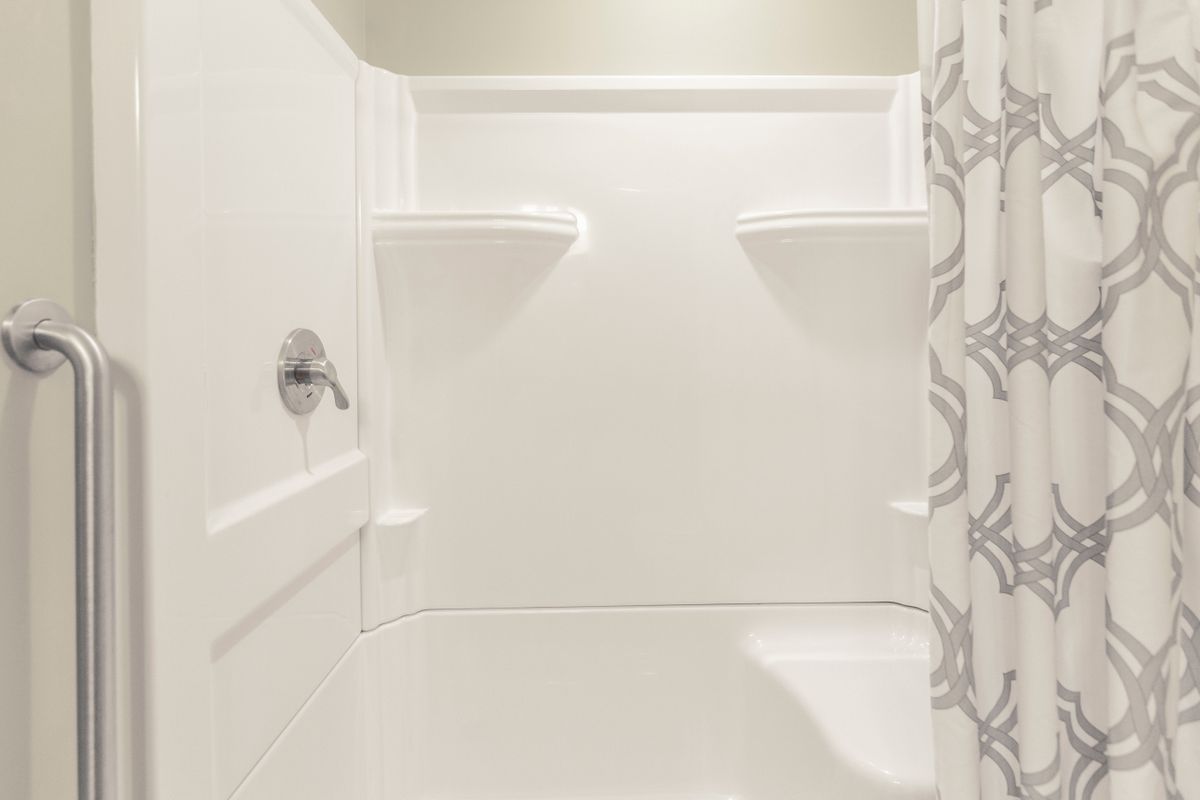
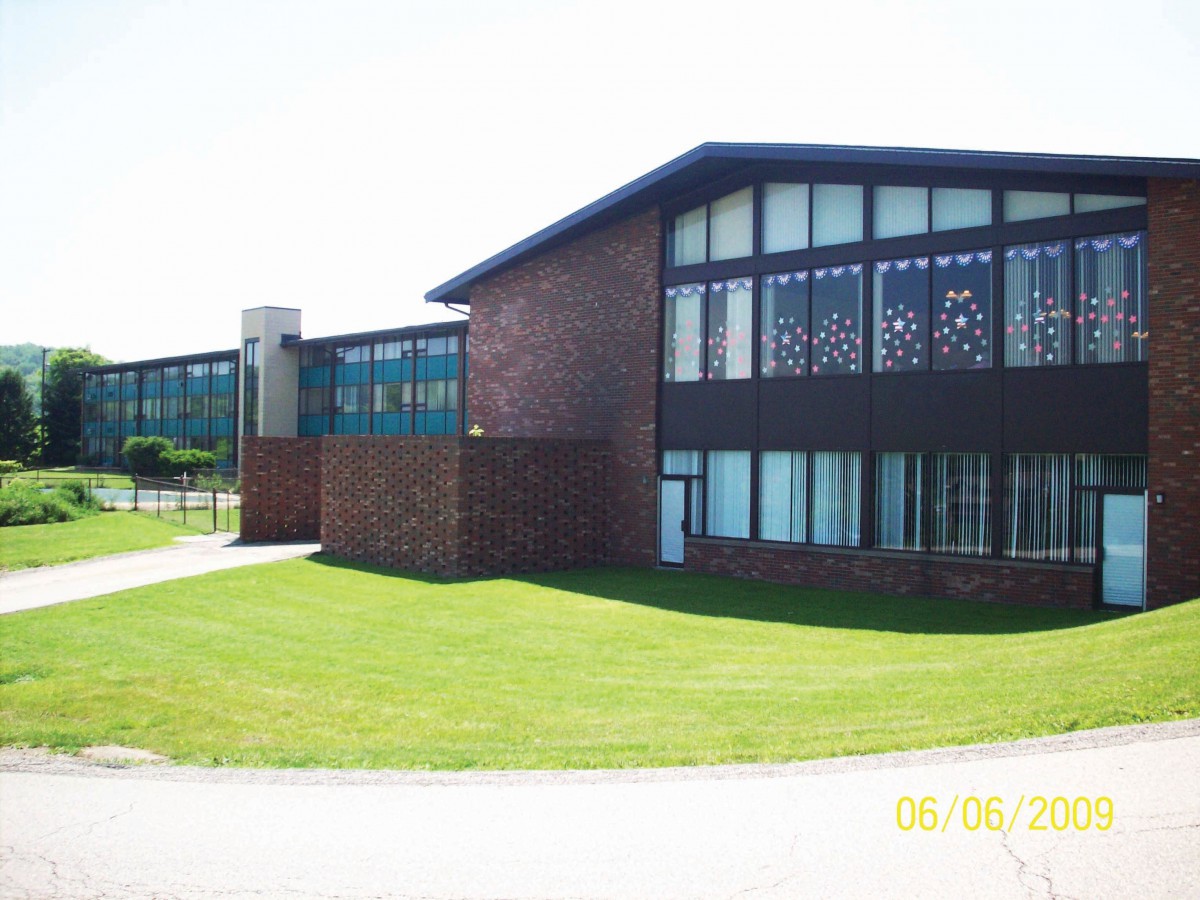
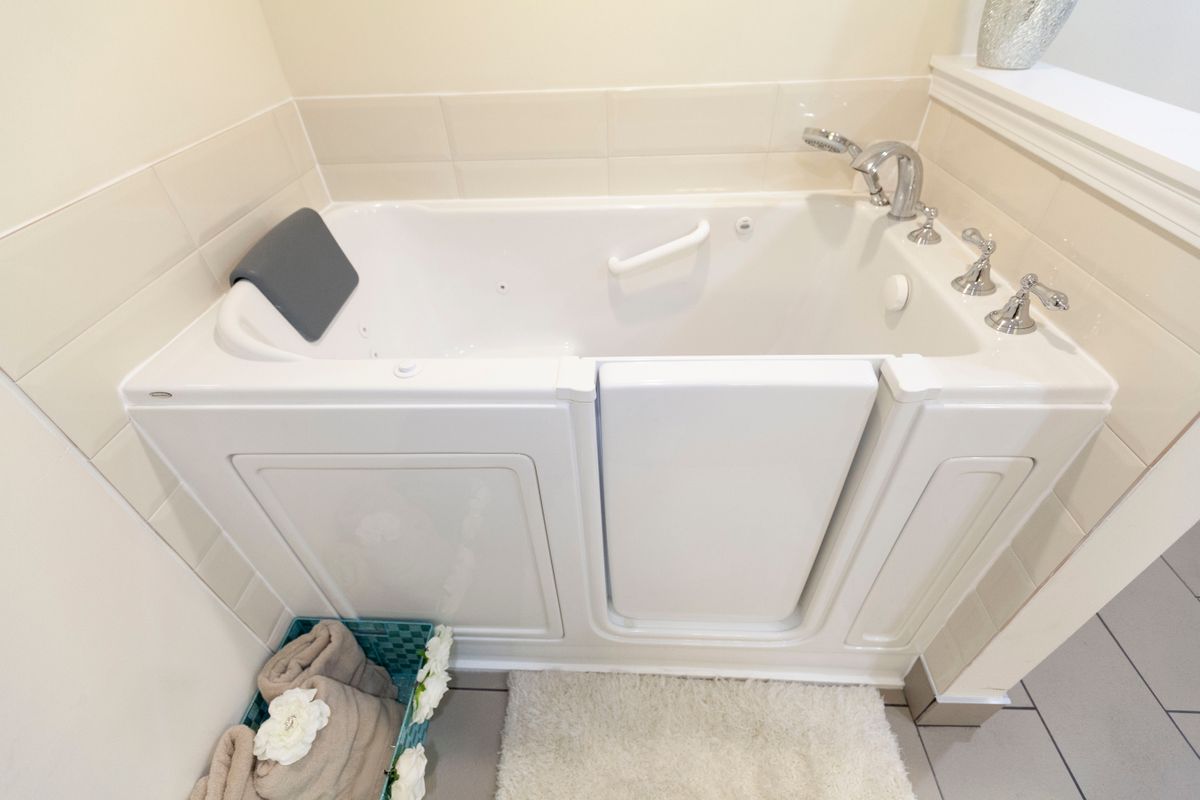
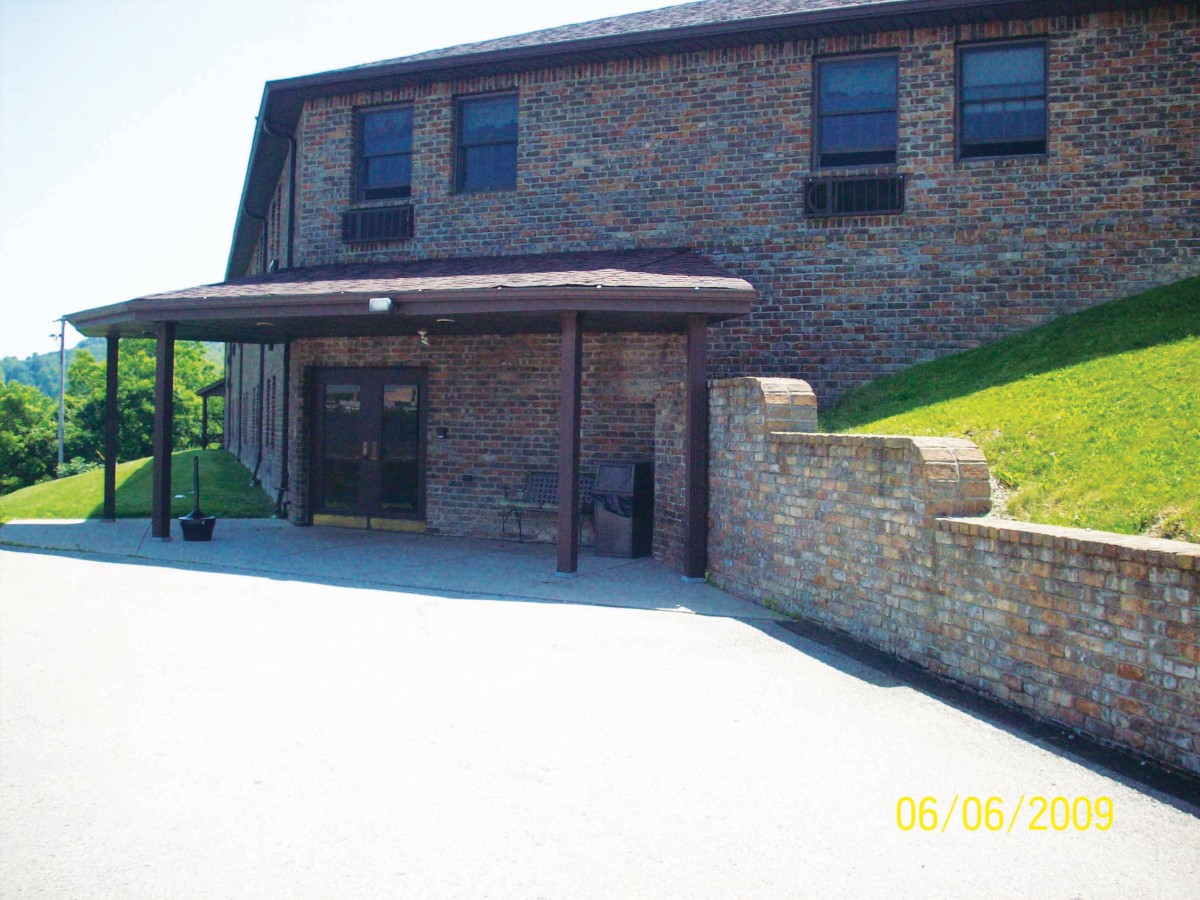
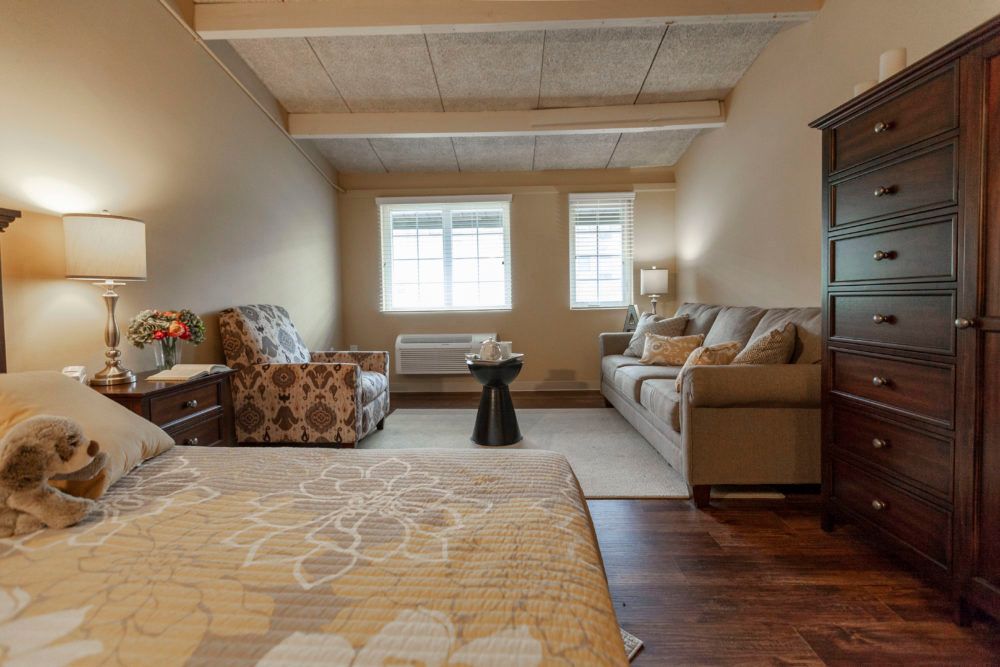
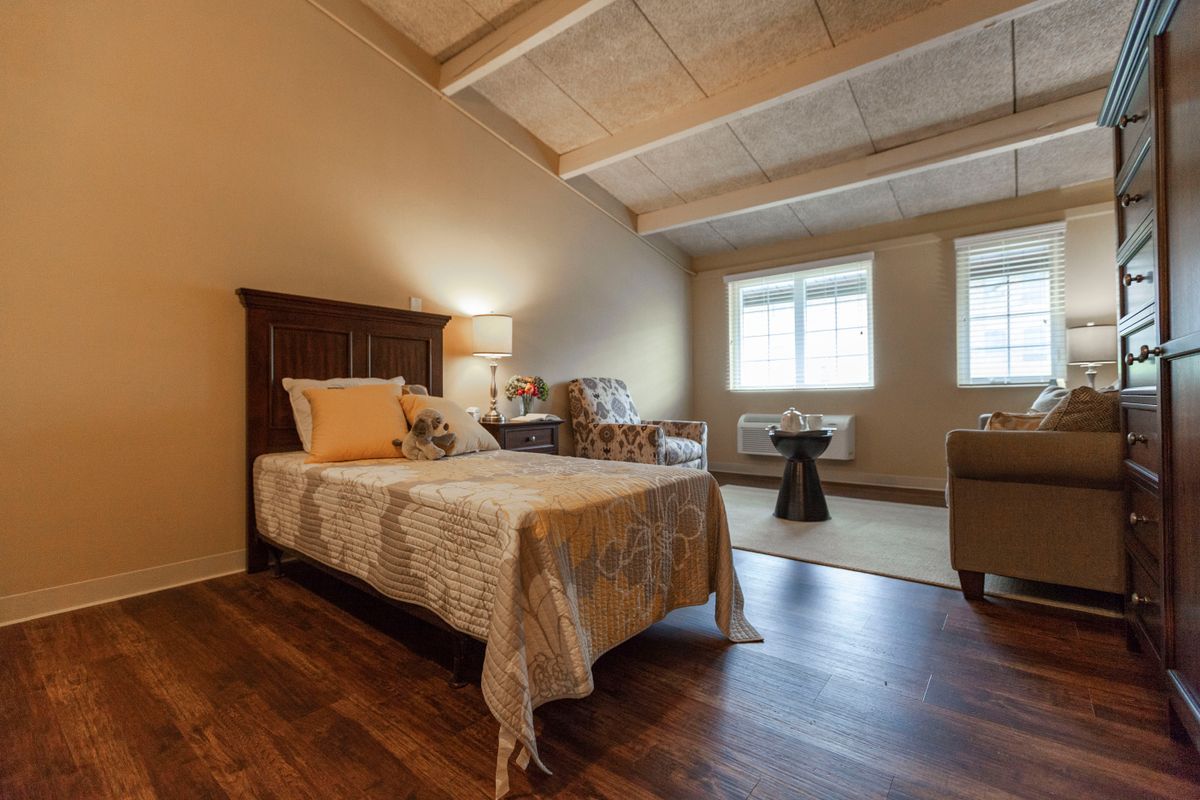
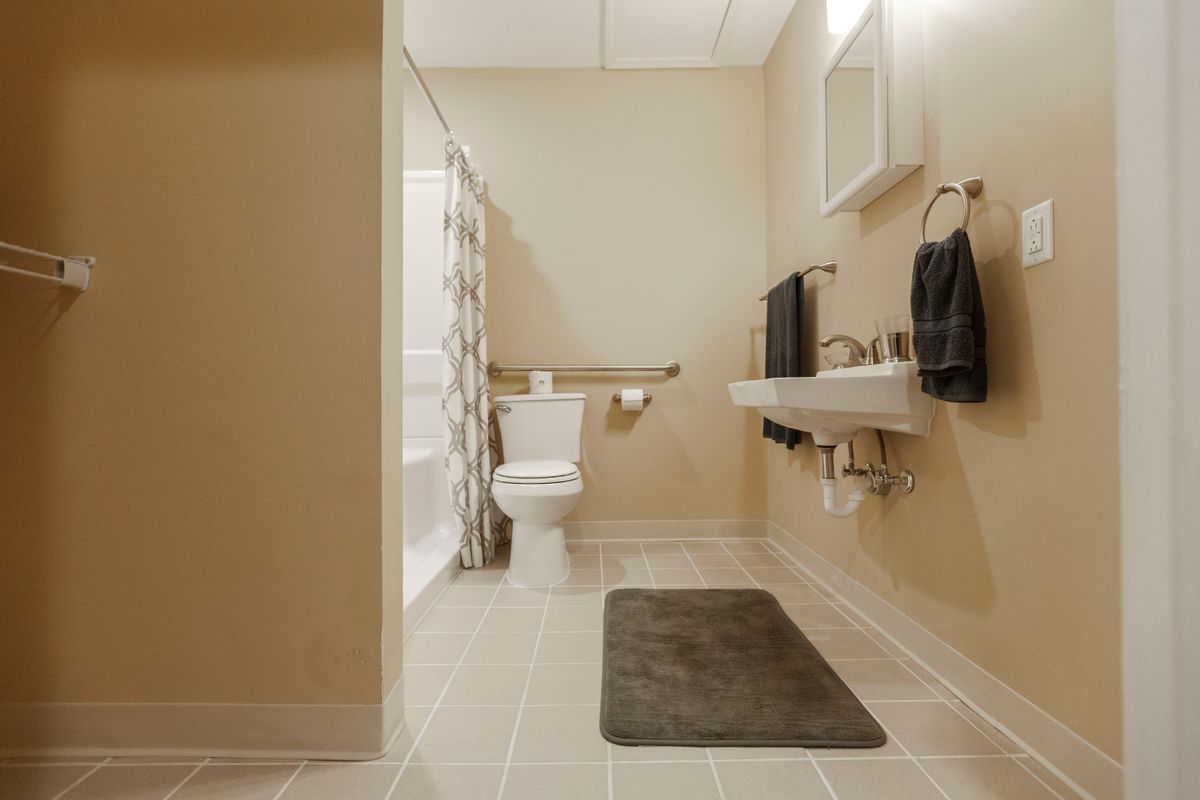
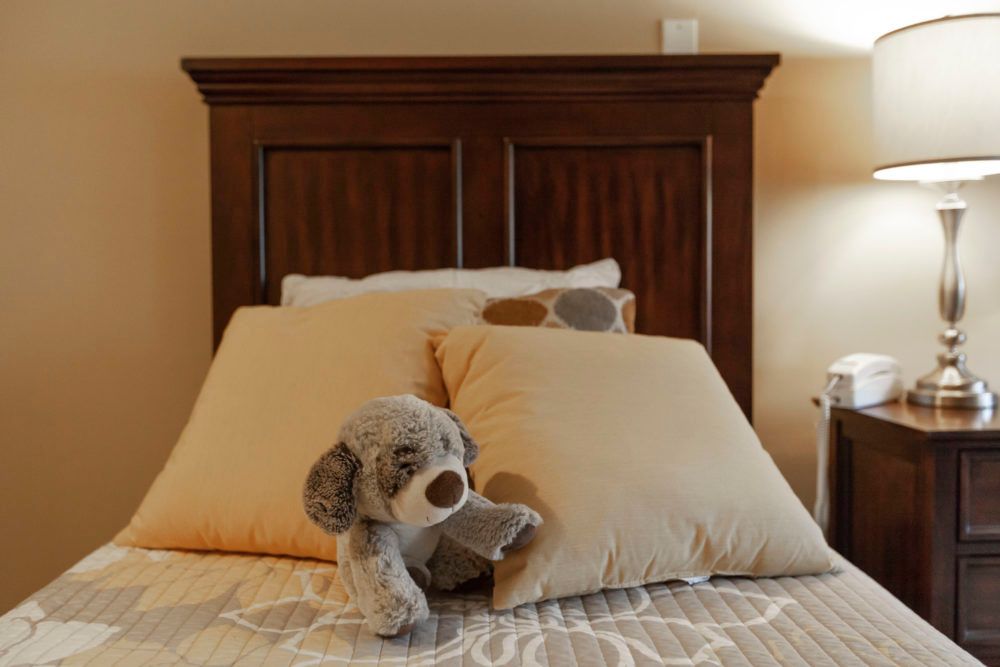
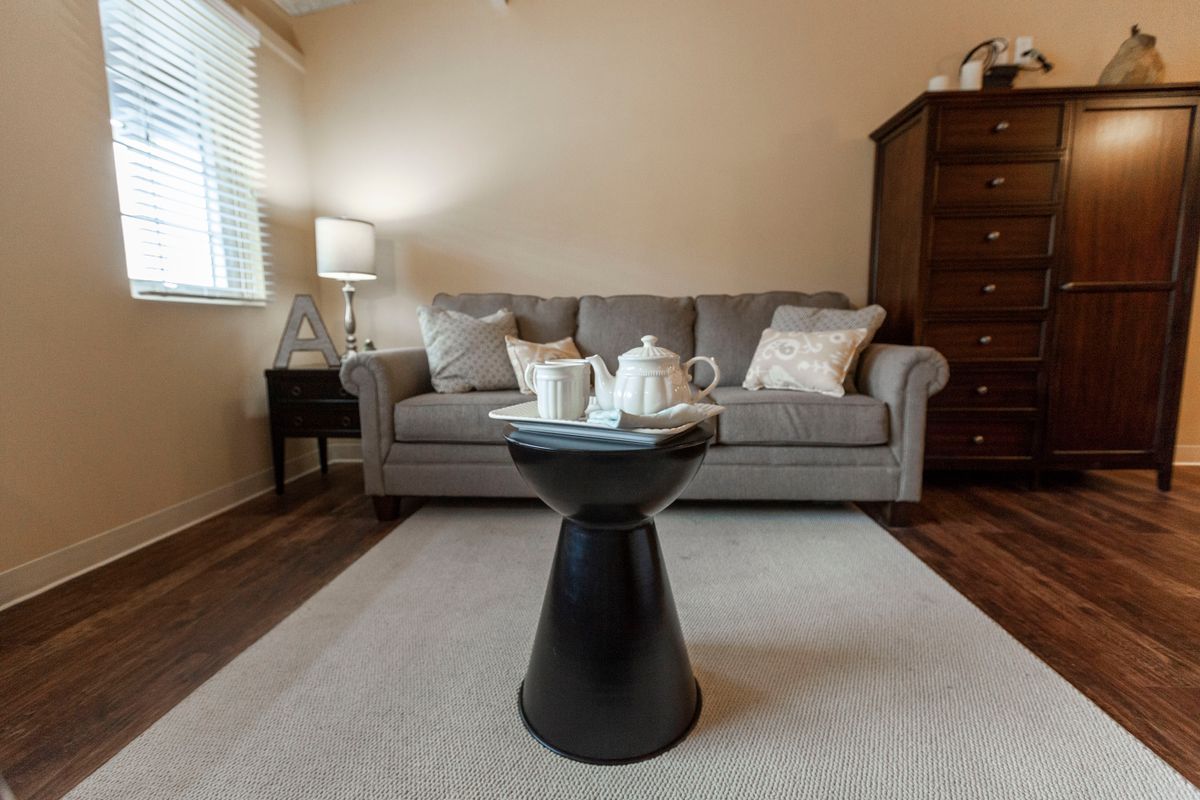
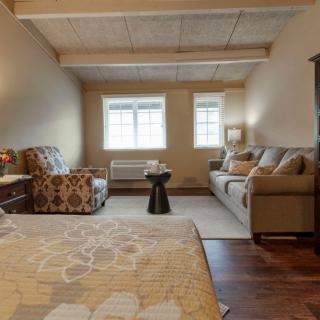
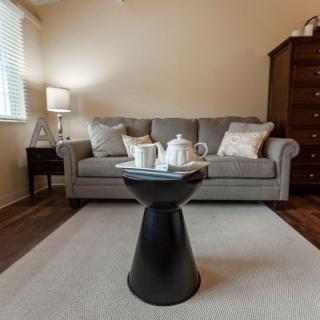
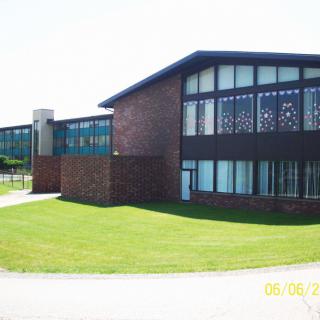
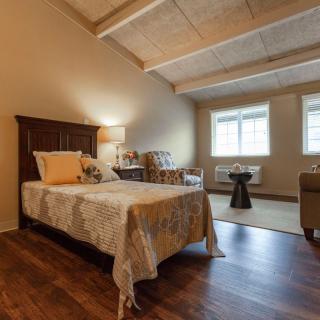
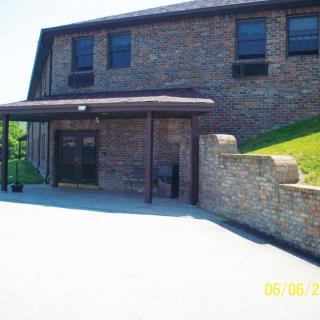
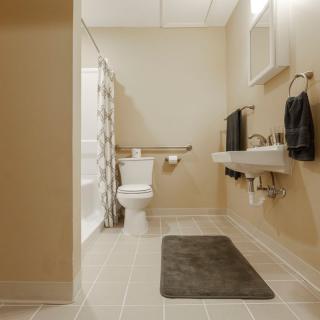
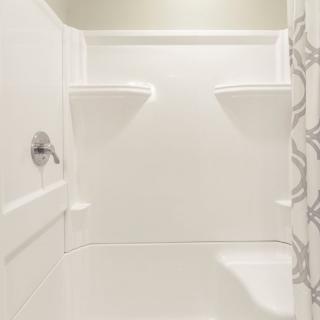
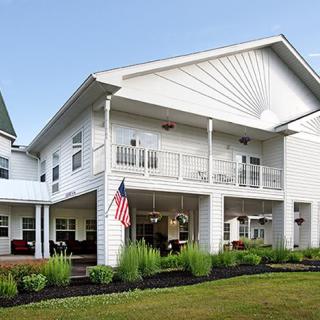
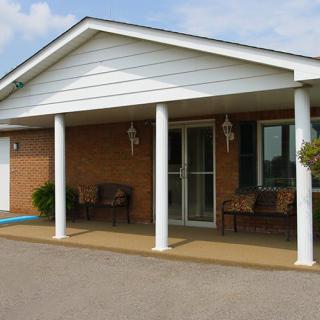
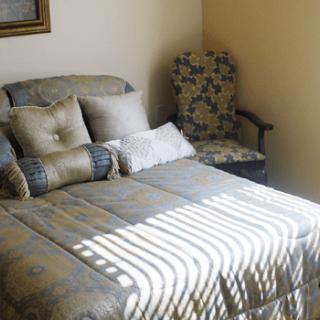
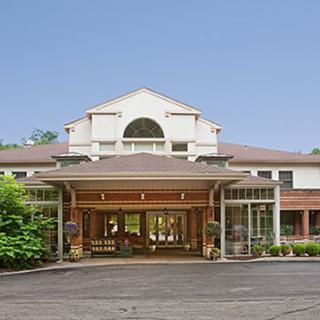
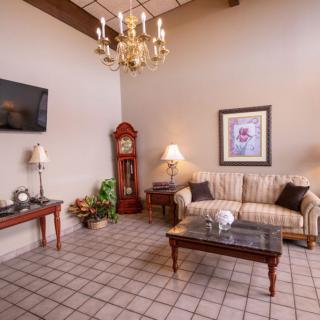
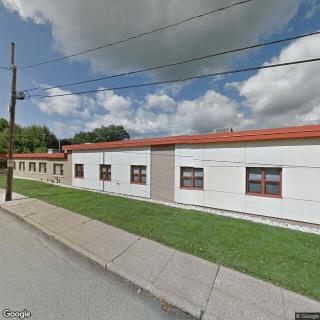
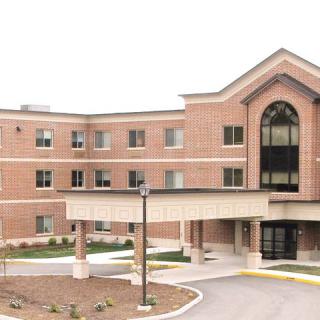
Waldens View of North Huntingdon on seniors.fyi includes 10 photos including images showing bathroom, interior, bedroom, shower, living room, rug, natural light, brick building, and more.
Nearby Communities
Walden's View Senior Living
North Huntingdon, PA
3.6 from 63 reviews
$2,400 to $2,950 / month
Friendly staff, clean environment, and engaging activities.
The Neighborhoods At Walden View
Irwin, PA
3.9 from 29 reviews
Respite-capable assisted living with restaurant-style dining and 24/7 care.
Transitions Healthcare North Huntingdon
North Huntingdon, PA
3.4 from 75 reviews
Friendly staff and engaging activities with good dining.
Bristol House
Irwin, PA
5 from 1 review
Intimate 16-bed community with comprehensive assisted living services (24-hour supervision, ADL & transfers, medication management) plus on-site dining, housekeeping, transportation, and outdoor spaces.
Golden Heights Personal Care Home
Irwin, PA
3.5 from 4 reviews
Clean, well-maintained facility with a nice activity room, private rooms, and engaging daily activities.
Stone Brook Manor
Manor, PA
5 from 1 review
24-hour supervision with diabetes-friendly dining in a homelike setting.
Golden Heights Personal Care
Irwin, PA
3.9 from 37 reviews
$1,680 to $2,460 / month
Genuine, attentive staff; clean, well-maintained spaces; and engaging activities for residents.
Hempfield Manor
Greensburg, PA
3.2 from 48 reviews
Compassionate, attentive staff in many cases.
Point Pleasant
North Versailles, PA
4.7 from 156 reviews
$3,160 to $3,980 / month
Friendly staff, clean facilities, and engaging activities.
Dementia, particularly Lewy body dementia, often involves hallucinations that can significantly distress both patients and caregivers due to disruptions in sensory processing and neurotransmitter imbalances. Effective management includes compassionate communication, environmental adjustments, and a multidisciplinary approach to care while addressing the emotional needs of caregivers.
Alzheimer’s disease is a progressive neurological disorder that significantly impacts memory and cognitive functions, accounting for 60-80% of dementia cases, with early diagnosis being crucial yet challenging. It involves brain changes like beta-amyloid plaques and tau tangles, influenced by genetic and lifestyle factors, and while there is no cure, symptom management and support for caregivers are essential.
Dementia, influenced by aging and certain medications, may be exacerbated by drug classes such as anticholinergics, benzodiazepines, and antipsychotics, which are associated with cognitive impairment. Regular medication reviews by healthcare professionals are crucial for older adults to manage risks and optimize cognitive health.
Landscaping, Windows, Building, Architecture, Exterior, and Brick
Bathroom
Outdoor, Entrance, Brick Building, and Awning
Natural Light
Shower
Rug
Get PricingAsk A QuestionSchedule A TourContact Senior Advisor
By clicking submit, you agree to our Partner's Terms of Use. You
also consent to receive calls and texts, which may be autodialed, from our Partner. Your consent is not a condition to
using our Partner's service. Please visit our Partner's Privacy Policy for information about their privacy practices.


 90 resident community capacity
 Studio apartments
 Memory Care
 Cats allowed
 Dogs allowed
 Activities on-site
 Air-conditioning
 Beautician on-site
 Cable or satellite TV
 Computer center
 Devotional services off-site
 Dining room
 Financing advice
 Fitness room
 Fully furnished
 Gaming room
 Garden
 Guest parking
 Housekeeping services
 Indoor common areas
 Kitchenette
 Laundry
 Move-in coordination
 Outdoor space
 Overnight guests
 Party space
 Private bathrooms
 Restaurant-style dining
 Small library
 Spa
Spa Telephone
 Wi-Fi/high-speed internet available
 Community operated transportation
 12-16 hour nursing
 24-hour call system
 Ambulatory care
 Assistance with bathing
 Assistance with dressing
 Assistance with transfers
 Diabetes diet
 Diabetic care
 Hospice care
 Incontinence care
 Medication management
 Mental wellness program
 Physical therapy
 Special dietary restrictions
 Arts and crafts
 Book club
 Concierge services
 Cooking club
 Educational speakers / life long learning
 Games
Games Live musical performances
 Planned day trips
 Wii bowling
 English
 Friendly staff, clean environment, and engaging activities.

 Dementia-Related Hallucinations: Causes, Experiences, and Practical Approaches
 Illuminating Insights About Alzheimer's Disease: Ten Crucial Realities
 A Thorough Discussion of Medications Potentially Linked to Dementia Risk