Transitions Healthcare North Huntingdon

Save

Transitions Healthcare North Huntingdon

Information last verified:

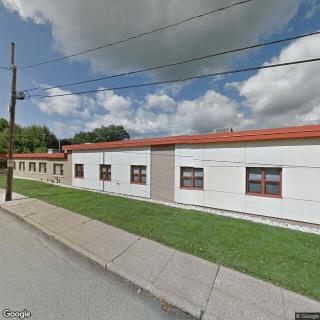
8850 Barnes Lake Road, North Huntingdon, PA 15642

For more information about senior living options: (844) 490-3973

3.4 from 67 reviews
5 stars
37
4 stars
2
3 stars
2
2 stars
6
1 stars
20

Overall Review of Transitions Healthcare North Huntingdon

Pros

  • pro The staff here is really nice and amazing.
  • pro Jenna is absolutely lovely, hardworking, and goes above and beyond for her patients.
  • pro The Physical Therapy department was phenomenal; Lisa, Susan, Joe, and the team were amazing.
  • pro The skilled nursing team is attentive and professional, and they really seem to understand the individual needs of each resident.
  • pro The in-house dialysis service makes a huge difference; it’s convenient and reduces the stress of travel for treatments.
  • pro The therapy services are excellent; the therapists are knowledgeable and develop personalized recovery plans.
  • pro The staff is friendly, attentive, and truly caring.
  • pro It is a wonderful skilled nursing facility with very dedicated staff.
  • pro Colin Johnson is the very best; he is an advocate for families and helps with placement.
  • pro The nurses and aides are wonderful and take good care of residents.

Cons

  • pro The reviewers describe the facility as horrible and disgusting and advise avoiding it at all costs.
  • pro They claim the staff are unprofessional and ignore residents, with call bells going unanswered.
  • pro Call lights are said to take up to 65 minutes to get a response.
  • pro Residents are reportedly left in wheelchairs for hours without assistance.
  • pro The facility is described as dirty and run-down, with stained carpets and outdated equipment.
  • pro There are claims of open bed sores going untreated and patients left on bedpans or in urine for hours.
  • pro The administration is accused of anger issues and yelling at staff.
  • pro The facility is accused of prioritizing money over patient care.
  • pro Privacy is said to be lacking due to shared rooms and minimal HIPAA privacy.
  • pro Medication errors and delays in pain management are reported, along with miscommunication.
  • pro Families say they must advocate strongly for basic needs because staff are often short-staffed.
  • pro Verbal abuse of patients by nurses is reported by some reviewers.

Review

This community is best suited for families pursuing aggressive post-acute rehabilitation and ongoing medical support, especially when dialysis and therapy access on site are priorities. Transitions Healthcare North Huntingdon has earned a strong reputation in therapy, with a standout PT/OT team capable of driving meaningful mobility gains. The in-house dialysis service is repeatedly praised for reducing travel stress and coordinating care, which matters greatly for residents who require regular treatments while rebuilding strength. For families who want a facility that emphasizes rehab milestones, structured therapy plans, and consistent nursing attention from caregivers who stay long enough to understand a resident’s routines, this is a compelling option. The practical upside is clear: pronounced rehab momentum, programs designed around恢复 goals, and a staff culture that, in many cases, values hands-on help and patient progression. Yet the mix of experiences demands careful screening before committing, because the upside hinges on staffing stability and reliable responsiveness.

Alternatives should be considered for residents whose needs center more on predictable, highly responsive care, 24/7 oversight, and a serene environment with strong privacy. Several reviews flag chronic staffing shortages as a core challenge, with long call-light wait times and inconsistent attention to daily comfort. If a family cannot be present to advocate, monitor response times, and intervene when care gaps appear, this facility may fall short of expectations. Private rooms are not the norm, and the infrastructure shows signs of wear in places, factors that can magnify frustration if a loved one requires quiet, private space, or if the parent needs constant supervision. Families seeking a consistently ‘every hour on call’ environment, with near-immediate nurse availability and a spotless, modern ambiance, will likely find better alignment elsewhere. In short, this option becomes much harder to recommend without robust family involvement.

The most persuasive positives revolve around therapy excellence and resident-centered nursing when staffing aligns. The therapy department is repeatedly described as dedicated and effective, producing real walking progress and functional gains. When therapists are available and engaged, residents report meaningful improvements, and families note the emotional lift that comes from seeing tangible mobility recovery. In-house dialysis is a notable logistical benefit, consolidating medical routines and reducing the burden of external appointments. A subset of nurses and aides, Cindy and Lynn among them, are cited for compassionate care and dependable, person-centered attention. Activity programming, social workers, and long-tenured staff further reinforce a sense of continuity for families who prioritize reassurance that “someone knows my loved one.” These pros clearly offset some risk factors when the unit operates smoothly and staffing is stable.

Yet the cons cast a long shadow over overall reliability. The most recurring theme is inconsistency: days when call lights go unanswered for extended periods, lapses in basic comfort and hygiene, and reports of staff becoming overwhelmed or disengaged during high-clood periods. Several families describe administrative communication as uneven, with mixed experiences about leadership responsiveness and problem resolution. There are credible claims of medication errors and care gaps, which understandably provoke deep concern when a resident’s well-being hangs on timely, accurate care. The tension between a capable therapy team and a strained frontline crew underscores a fundamental reality: the quality of care here rises and falls with staffing levels and supervisor responsiveness. For families, this means proactive oversight, clear escalation paths, and a willingness to intervene when signals point to trouble.

Overall, the decision hinges on expectations about supervision, privacy, and day-to-day dependability. When a resident is a good candidate for rehab and efficient, on-site medical services, the site can deliver life-changing mobility gains and practical medical support. That said, the chorus of negative experiences, claims of neglect, delayed med administration, and parts of the facility that feel aged or under-maintained, cannot be dismissed. Families should insist on specific, current metrics: nurse-to-resident ratios during peak hours, average call-light response times, the availability of private rooms, and a transparent plan for addressing bed sores, wound care, or medication changes. A tour with direct conversations with therapists, nurses on the floor, and a patient advocate should be nonnegotiable. If these assurances cannot be obtained, or if persistent red flags arise, exploring alternatives becomes prudent.

In practical terms, Transitions North Huntingdon can be a strong pick for families who need robust rehabilitation and on-site dialysis, and who are prepared to engage actively with staff to safeguard every facet of care. The facility’s best advocates, notably the therapy team, certain nurses, and dedicated administrators, endure as anchors of reliability even amid contested reviews. For others, especially those who require near-constant attentiveness, an unflaggingly clean environment, or private-room privacy without compromise, the prudent path may be to compare with nearby options and request up-to-date occupancy and staffing data. The prudent conclusion is decisiveness: this community works exceptionally well for rehab-forward residents when families commit to vigilant oversight and direct engagement; it warrants a cautious, strongly informed appraisal for anyone prioritizing steady, immediate care and privacy above all else.

Features

Housing

  • 120 resident community capacity 120 resident community capacity

Types of Care

  • Skilled Nursing Facility Skilled Nursing FacilitySkilled Nursing Facilities are crucial for seniors as they provide round-the-clock medical care, rehabilitation services, and assistance with daily activities. These facilities ensure that seniors receive the specialized care they need to maintain their health and well-being as they age.

Amenities

  • Air-conditioning Air-conditioningAir conditioning is important for seniors as they are more vulnerable to heat-related illnesses and may have underlying health conditions that make it difficult for them to regulate their body temperature. It helps to keep them comfortable, safe, and healthy in hot weather.
  • Beauty salon Beauty salonBeauty salons are important for seniors because they provide a space for them to feel pampered, socialize, and maintain their personal grooming and hygiene. Regular visits to a beauty salon can help boost seniors' self-esteem and overall well-being.
  • Cable or satellite TV Cable or satellite TVCable or satellite TV is important for seniors because it provides entertainment, news, and companionship, helping to combat loneliness and boredom. It also offers a wide range of programming options tailored to different interests and preferences.
  • Computer center Computer centerA computer center is essential for seniors as it provides access to technology, communication tools, and resources that can enhance their daily lives. It allows them to stay connected with loved ones, engage in online activities, and learn new skills, ultimately promoting socialization and mental stimulation.
  • Dining room Dining roomDining rooms are important for seniors as they provide a space for socialization, connection, and nutritious meals. They offer opportunities for residents to bond over shared meals, foster a sense of community, and promote healthy eating habits. Dining rooms also ensure that seniors have access to well-balanced meals tailored to their dietary needs and preferences.
  • Fitness room Fitness roomHaving a fitness room in a senior living community is essential for seniors to stay active, maintain their physical health, and improve their overall well-being. Regular exercise can help prevent falls, reduce the risk of chronic diseases, and promote mental sharpness. It also provides social opportunities for residents to connect with others and enjoy a sense of community.
  • Fully furnished Fully furnishedFully furnished senior living communities are important for seniors because they provide convenience, comfort, and a hassle-free moving experience. Seniors can easily settle into their new living space without the stress of having to buy and move furniture. This allows them to focus on enjoying their new home and community.
  • Gaming room Gaming roomGaming rooms are important for seniors as they provide a fun and engaging environment for socializing, cognitive stimulation, and physical activity. Games can improve memory, problem-solving skills, and overall mental well-being while fostering friendships and reducing feelings of isolation.
  • Garden GardenGardens are important for seniors as they provide a peaceful and therapeutic environment for relaxation, physical activity, and socialization. Being in nature has been shown to reduce stress, improve mood, and promote overall well-being. Gardens also offer opportunities for seniors to engage in gardening activities, which can improve mobility, flexibility, and cognitive function. Additionally, gardens create a sense of community and connection with others who share a passion for plants and outdoor spaces.
  • Housekeeping services Housekeeping servicesHousekeeping services are important for seniors because they help maintain a clean and safe living environment, promote independence, and reduce the risk of accidents or illnesses. Additionally, having assistance with household chores can alleviate physical strain and allow seniors to focus on other aspects of their well-being.
  • Kitchenette KitchenetteKitchenettes are important for seniors living in senior living communities because they provide the convenience and independence of being able to prepare simple meals and snacks in the comfort of their own living space. This can help promote a sense of autonomy and well-being for seniors, allowing them to maintain some level of control over their dietary choices and daily routines.
  • Move-in coordination Move-in coordinationMove-in coordination is important for seniors because it helps ease the transition into their new living environment. It ensures that all logistics, such as packing, organizing movers, and setting up utilities are taken care of, allowing seniors to focus on settling in and adjusting to their new home. Having a smooth move-in process can alleviate stress and anxiety, making the transition smoother and more enjoyable for seniors.
  • Outdoor space Outdoor spaceOutdoor spaces are important for seniors as they provide opportunities for physical activity, social interaction, exposure to natural light and fresh air, and a sense of connection to nature. Having access to outdoor spaces can improve overall well-being and quality of life for older adults living in senior communities.
  • Private bathrooms Private bathroomsPrivate bathrooms are important for seniors in senior living communities because they provide independence, dignity, and comfort. Having a private bathroom allows seniors to maintain their personal hygiene routines without the need for assistance, promoting a sense of autonomy and privacy. Additionally, private bathrooms help prevent the spread of infections and provide a safe and clean environment for seniors to navigate safely.
  • Restaurant-style dining Restaurant-style diningRestaurant-style dining is important for seniors because it allows them to enjoy delicious, nutritious meals in a social and upscale setting. This enhances their dining experience, promotes healthy eating habits, and fosters socialization with fellow residents, ultimately contributing to their overall well-being and quality of life.
  • Small library Small librarySmall libraries are important for seniors as they provide access to a variety of reading materials, including books, newspapers, and magazines. This can help stimulate their minds, keep them engaged, and provide a sense of community through book clubs and other social activities. Additionally, reading has been shown to improve cognitive function and overall mental well-being in older adults.
  • Telephone TelephoneTelephones are important for seniors as they provide a lifeline for communication with loved ones, emergency services, and healthcare providers. They offer a sense of security and independence, enabling seniors to stay connected and access assistance when needed.
  • Wellness center Wellness centerWellness centers are important for seniors because they offer a variety of programs and services that promote physical, mental, and emotional well-being. These centers provide opportunities for exercise, socialization, education, and relaxation, helping seniors maintain their overall health and quality of life.
  • Wi-Fi/high-speed internet available Wi-Fi/high-speed internet availableWi-Fi/high-speed internet is important for seniors to stay connected with loved ones, access online resources, and participate in virtual activities to combat feelings of loneliness and isolation. It also allows them to easily manage healthcare needs, access entertainment, and engage in lifelong learning opportunities.

Transportation

  • Community operated transportation Community operated transportationCommunity operated transportation is crucial for seniors as it provides them with the means to access essential services, social activities, and medical appointments. It allows seniors to maintain their independence and quality of life by ensuring they can participate in activities outside of their homes. Additionally, community-operated transportation services offer a safe and reliable way for seniors to travel without having to rely on family or friends for assistance.
  • Transportation arrangement Transportation arrangementTransportation arrangements are crucial for seniors as they may face challenges with driving, mobility, or access to public transportation. Having reliable transportation services ensures that seniors can easily attend appointments, social activities, and maintain their independence and quality of life.
  • Transportation arrangement (non-medical) Transportation arrangement (non-medical)Transportation arrangements are essential for seniors as they provide access to essential services, activities, and social interactions outside the home. This service helps maintain independence, mobility, and overall well-being for seniors who may have limited transportation options.
  • Transportation to doctors appointments Transportation to doctors appointmentsTransportation to doctors appointments is crucial for seniors as it ensures they have access to necessary medical care and support, promoting their health and well-being. It allows them to receive timely treatment, monitor existing conditions, and address any new health concerns efficiently. Additionally, transportation services can help seniors maintain their independence and quality of life by enabling them to stay connected with their healthcare providers.

Care Services

  • 12-16 hour nursing 12-16 hour nursing12-16 hour nursing care is crucial for seniors in order to ensure around-the-clock monitoring, timely medication administration, and prompt response to any health concerns or emergencies. This level of care helps to promote the overall well-being and safety of seniors living in senior living communities.
  • 24-hour call system 24-hour call system24-hour call systems are important for seniors because they provide peace of mind and immediate assistance in case of emergencies. This technology ensures that help is always available, promoting safety and security for elderly individuals living alone or in assisted living facilities.
  • 24-hour supervision 24-hour supervision24-hour supervision is important for seniors to ensure their safety, well-being, and access to immediate assistance in case of emergencies or health issues. This constant support provides peace of mind for both seniors and their loved ones, allowing them to age in place with dignity and security.
  • Activities of daily living assistance Activities of daily living assistanceActivities of daily living assistance are important for seniors because they provide essential support with tasks such as eating, bathing, dressing, and mobility. This assistance helps seniors maintain their independence, dignity, and overall quality of life as they age.
  • Assistance with bathing Assistance with bathingAssistance with bathing is crucial for seniors as it helps maintain personal hygiene, prevents infections, and ensures their overall well-being and comfort. It also provides a sense of dignity and independence for seniors who may struggle with this task on their own.
  • Assistance with dressing Assistance with dressingAssistance with dressing is important for seniors because it helps maintain their independence, promotes personal hygiene, prevents accidents and injuries, and improves overall quality of life. This service ensures that seniors can continue to dress comfortably and confidently, despite any physical limitations they may have.
  • Assistance with transfers Assistance with transfersAssistance with transfers is crucial for seniors as it helps prevent falls and injuries, maintains their independence, and ensures they can safely navigate their living environment. It also provides peace of mind for both seniors and their loved ones.
  • Diabetes diet Diabetes dietA diabetes diet is crucial for seniors as it helps manage blood sugar levels, reduce risks of complications, and improve overall health and well-being. By following a balanced and nutritious diet tailored to their specific needs, seniors can better control their diabetes and enhance their quality of life.
  • Meal preparation and service Meal preparation and serviceMeal preparation and service are crucial for seniors as they may have limited mobility or energy to cook nutritious meals. Having access to healthy and convenient food options can ensure they are getting the proper nutrition needed to maintain their overall health and well-being.
  • Medication management Medication managementMedication management is crucial for seniors to ensure they are taking the right medications at the correct dosages and times. This helps prevent adverse drug interactions, reduces the risk of medication errors, and promotes overall health and well-being. Proactive management also allows for adjustments as needed based on changing health conditions or new prescriptions.
  • Mental wellness program Mental wellness programMental wellness programs are essential for seniors as they promote cognitive stimulation, emotional support, and social engagement. These programs help prevent isolation, depression, and cognitive decline, ultimately enhancing the overall quality of life for older adults.
  • Special dietary restrictions Special dietary restrictionsSpecial dietary restrictions are important for seniors because age-related changes in metabolism and health conditions can make it difficult for their bodies to process certain foods. By following a diet tailored to their specific needs, seniors can maintain their overall health and well-being, manage chronic conditions, and reduce the risk of complications such as malnutrition or food interactions with medications.

Dining

  • Diabetes diet Diabetes dietA diabetes diet is crucial for seniors as it helps manage blood sugar levels, reduce risks of complications, and improve overall health and well-being. By following a balanced and nutritious diet tailored to their specific needs, seniors can better control their diabetes and enhance their quality of life.
  • Special dietary restrictions Special dietary restrictionsSpecial dietary restrictions are important for seniors because age-related changes in metabolism and health conditions can make it difficult for their bodies to process certain foods. By following a diet tailored to their specific needs, seniors can maintain their overall health and well-being, manage chronic conditions, and reduce the risk of complications such as malnutrition or food interactions with medications.

Activities

  • Community-sponsored activities Community-sponsored activitiesCommunity-sponsored activities are important for seniors as they provide opportunities for social interaction, mental stimulation, and physical activity. These activities can help improve overall well-being, combat loneliness and isolation, and promote a sense of belonging and purpose among older adults.
  • Concierge services Concierge servicesConcierge services are essential for seniors as they provide assistance with daily tasks and errands, enhance their quality of life by offering convenience and personalized care, and promote a sense of safety and security.
  • Fitness programs Fitness programsFitness programs are crucial for seniors as they help improve strength, flexibility, balance, and overall well-being. Staying active can reduce the risk of chronic diseases, improve mental health, and enhance quality of life in older adults.
  • Planned day trips Planned day tripsPlanned day trips are important for seniors because they offer opportunities for socialization, mental stimulation, and physical activity. They provide a change of scenery and help seniors stay engaged and connected to their community, promoting overall well-being and quality of life.
  • Resident-run activities Resident-run activitiesResident-run activities are important for seniors as they encourage social interaction, creativity, and a sense of autonomy. These activities empower seniors to stay engaged and active in their community while fostering meaningful connections with their peers.
  • Scheduled daily activities Scheduled daily activitiesScheduled daily activities are important for seniors because they provide structure, socialization, mental stimulation, and physical activity. Engaging in regular activities can improve overall well-being and quality of life for seniors living in a community setting.

Description

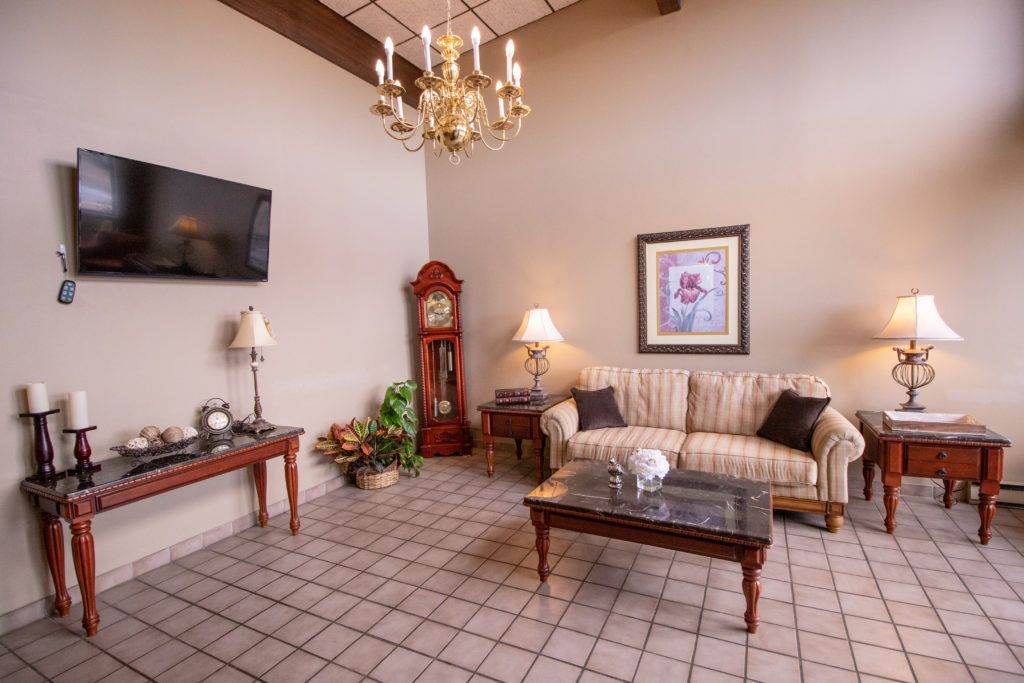
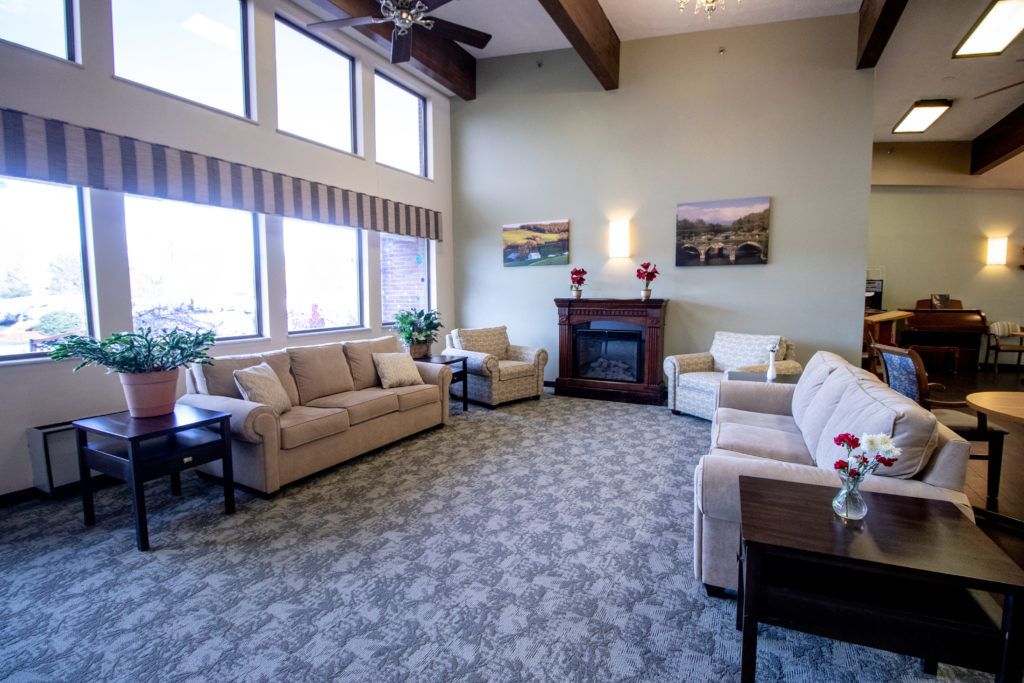
Transitions Healthcare North Huntingdon in North Huntingdon, PA provides a comfortable and welcoming assisted living community for seniors. The community offers a wide range of amenities to enhance the residents' quality of life.

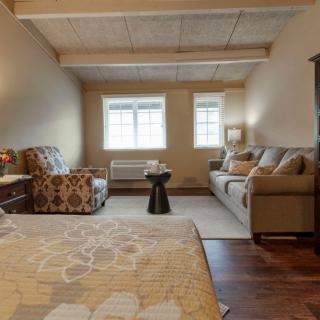
For convenience and relaxation, residents can enjoy the on-site beauty salon, cable or satellite TV in their fully furnished accommodations, and access to a gaming room and small library. Outdoor space is available for those who enjoy spending time in nature, and there is also a fitness room and wellness center for physical activity.

The dining experience at Transitions Healthcare North Huntingdon is exceptional with restaurant-style dining and special dietary restrictions catered to. Care services are provided around the clock, including assistance with activities of daily living such as bathing and dressing, transfers, medication management, and diabetes diet.

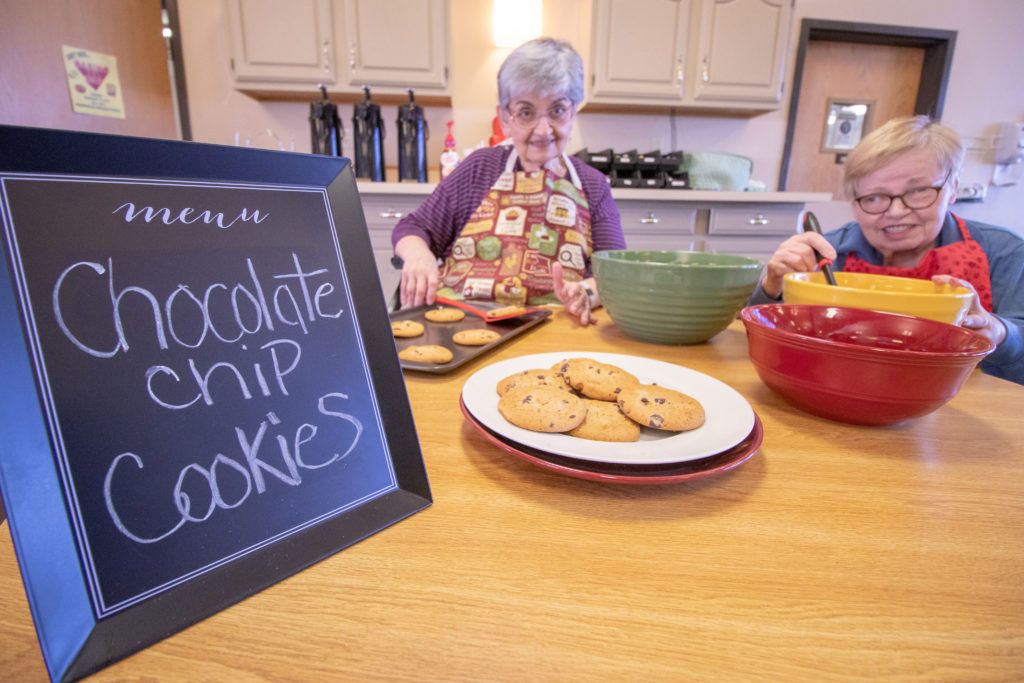
A variety of activities are organized to keep residents engaged and entertained. Fitness programs are available along with planned day trips and resident-run activities. Daily activities are scheduled to ensure there is always something enjoyable happening within the community.

Conveniently located nearby are two cafes, parks, pharmacies, physicians' offices, restaurants, places of worship, and hospitals. The community also offers transportation arrangements both for non-medical purposes as well as for transportation to doctors' appointments.

Overall, Transitions Healthcare North Huntingdon strives to provide a comfortable and enriching environment for seniors with its comprehensive amenities, outstanding care services, engaging activities, convenient location near various amenities in the surrounding area.

Nearby Places of Interest

Pharmacies

  • Walgreens (0.3 miles)
  • Rite Aid (0.4 miles)
  • Rite Aid (2.8 miles)
  • Walmart Pharmacy (5.8 miles)
  • Rite Aid (5.8 miles)
  • Walgreens (6 miles)
  • Rite Aid (6.4 miles)

Restaurants

  • Vincent's Pizza Park (0.3 miles)
  • The Firepit Wood Fired Grill (0.3 miles)
  • Eat'n Park (0.3 miles)
  • Jersey Mike's (0.4 miles)
  • Arby's (0.5 miles)
  • Rodney's Lounge (1.1 miles)
  • Fontana's Cafe (1.1 miles)

Physicians

  • Magee WomenCare (0.4 miles)
  • East Suburban OB/GYN Associates (1.5 miles)
  • Partners in health- Level Green (5.1 miles)
  • The Center For Medical Imaging (5.3 miles)
  • Eyecare Greengate (6 miles)
  • Cardio-Thoracic Surgical Associates (7.3 miles)
  • BKB Building (7.3 miles)

Cafes

  • Panera Bread (0.4 miles)
  • Starbucks (0.4 miles)
  • Panera Bread (5.8 miles)
  • Aroma Joe's (6 miles)
  • First Watch - Murrysville (7.8 miles)

Places of Worship

  • Norwin Christian Church (0.8 miles)
  • St Pauls Church (7.1 miles)
  • Bridge City Church (7.7 miles)
  • Mother of Sorrows Church (7.9 miles)
  • Saint Patrick Church (8.1 miles)

Parks

  • Irwin Park (1.6 miles)
  • The Woods at Brandywine Community (2.7 miles)
  • Twin Lakes Dog Park (7.1 miles)
  • Hempfield Parks and Rec (7.4 miles)
  • Heritage Park (7.5 miles)
  • Renziehausen Park (7.7 miles)
  • St Clair Park (7.8 miles)

Hospitals

  • Latrobe Hospital (4.2 miles)
  • Excela Health (7.3 miles)
  • AHN Hempfield Neighborhood Hospital (8 miles)
  • LifeCare Hospitals of Pittsburgh-Monroeville (8.1 miles)

Frequently Asked Questions

Where is Transitions Healthcare North Huntingdon?
What photos are available for Transitions Healthcare North Huntingdon in North Huntingdon, Pennsylvania?

Nearby Communities

  • Waldens View of North Huntingdon

    Waldens View of North Huntingdon

    North Huntingdon, PA

    3.9 from 33 reviews
    $2,800 to $3,910 / month

    pro Memory-care focused senior living with 24/7 supervision, comprehensive care services, and extensive on-site amenities.


  • Walden's View Senior Living

    Walden's View Senior Living

    North Huntingdon, PA

    3.6 from 63 reviews
    $2,400 to $2,950 / month

    pro Friendly staff, clean environment, and engaging activities.

  • The Neighborhoods At Walden View

    The Neighborhoods At Walden View

    Irwin, PA

    3.9 from 29 reviews
     

    pro Respite-capable assisted living with restaurant-style dining and 24/7 care.

  • Golden Heights Personal Care Home

    Golden Heights Personal Care Home

    Irwin, PA

    3.5 from 4 reviews
     

    pro Clean, well-maintained facility with a nice activity room, private rooms, and engaging daily activities.

  • Bristol House

    Bristol House

    Irwin, PA

    5 from 1 review
     

    pro Intimate 16-bed community with comprehensive assisted living services (24-hour supervision, ADL & transfers, medication management) plus on-site dining, housekeeping, transportation, and outdoor spaces.

  • Irwin Manor

    Irwin Manor

    Irwin, PA

    4 from 4 reviews
     

  • Golden Heights Personal Care

    Golden Heights Personal Care

    Irwin, PA

    3.9 from 36 reviews
    $1,680 to $2,460 / month

    pro Genuine, attentive staff; clean, well-maintained spaces; and engaging activities for residents.

  • Point Pleasant

    Point Pleasant

    North Versailles, PA

    4.7 from 156 reviews
    $3,160 to $3,980 / month

    pro Friendly staff, clean facilities, and engaging activities.

  • Hempfield Manor

    Hempfield Manor

    Greensburg, PA

    3.4 from 44 reviews
     

    pro Compassionate, attentive staff in many cases.

Related Resources

  • what is hospice care at homeUnderstanding Hospice Care at Home: Comprehensive Services, Key Benefits, and Eligibility

    Hospice care at home provides specialized end-of-life support that focuses on comfort and dignity for individuals with life-limiting illnesses, offering a range of services including medical management, emotional and spiritual support, and logistical assistance tailored to the family's needs. It involves collaboration to create individualized care plans and extends to bereavement support after a loved one's passing.

  • how much does 24/7 in home care cost per monthUnderstanding the Full Cost of 24/7 In-Home Care: A Detailed Overview

    The guide outlines the rising costs of 24/7 in-home care, ranging from $10,000 to over $20,000 monthly, driven by factors such as location and caregiver qualifications. It discusses the limited coverage by Medicare and private insurance, potential Medicaid support, and the emotional and living condition considerations influencing families' decisions on care arrangements.

  • home health nurseExploring the World of Home Health Nurses: Qualifications, Roles, and Hiring Tips

    Home health nursing is an expanding field where licensed professionals provide specialized medical care in patients' homes, addressing the needs of an aging population through personalized services like assessments and medication management. Effective collaboration with healthcare teams, cultural sensitivity, and quality assurance measures are essential for fostering trust and ensuring positive patient outcomes.