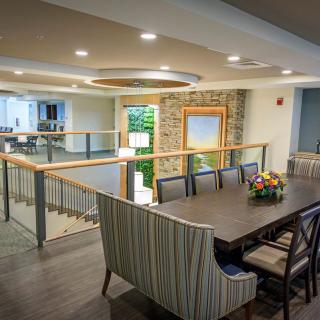
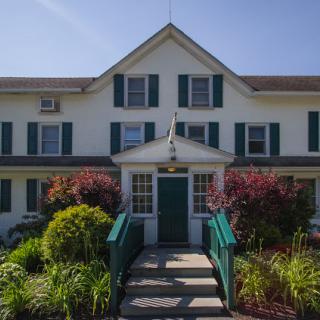
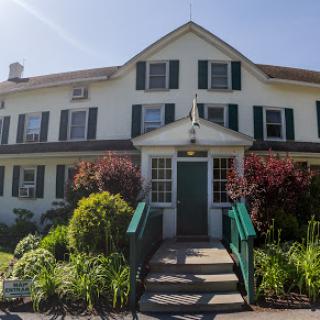
Remed King Street

Save
Remed King Street Remed King Street

Remed King Street

198 West King Street, Malvern, PA 19355

For more information about senior living options: (844) 490-3973

3.7 from 77 reviews
5 stars
44
4 stars
9
3 stars
1
2 stars
3
1 stars
20

Assisted Living Board and Care Home

Overall Review of Remed King Street

Pros

  • pro The staff at Malvern King Road are caring and genuinely understand patients.
  • pro The program provides valuable resources and support to pursue sobriety and has helped save lives.
  • pro The staff are among the best and consistently care for everyone who comes through the program.
  • pro The facility is clean and well-maintained, with pleasant grounds and outdoor activities.
  • pro King Road is praised for its laid-back atmosphere, non-segregated groups, and good food.
  • pro Patients describe the community as supportive and the staff as helping them get clean.
  • pro Many reviewers consider Malvern to be one of the best treatment centers, with staff who go above and beyond.

Cons

  • pro The facility overmedicates patients early to keep them quiet and restricts phone access.
  • pro There is widespread favoritism within the facility, causing tension among patients.
  • pro There are reports of inappropriate sexual activity among patients, with individuals being removed multiple times.
  • pro Detox care is described as negligent, with patients vomiting for hours before transfer to the hospital.
  • pro Suboxone misuse was observed in the detox wing.
  • pro Admissions were perceived as prioritizing bed numbers over patient care.
  • pro A patient was kicked out at 11 p.m. in freezing weather and not offered a ride.
  • pro Aftercare recommendations were disappointing and felt prison-like.
  • pro The program lacks a structured curriculum and adequate book/work-based therapy.
  • pro On arrival, there was no house food provided.

Review

Across Malvern treatment centers, including the King Road location and the Willow Grove site, a wide range of experiences emerge from those who have walked through their programs. Many reviewers describe profound, life-changing impacts, crediting caring staff, supportive communities, and practical help that feels tailored to individual sobriety journeys. Pervasive praise centers on staff who listen, encourage, and go the extra mile to connect people with resources they need to carry their sobriety forward after treatment. Phrases like "the staff is very caring and really understands," "they saved my life," and "they helped me get the resources I needed to continue on your sobriety journey" surface repeatedly, painting a picture of centers that, for many, function as a turning point toward a sober life.

At the King Road campus, several accounts emphasize a welcoming, community-driven atmosphere. Reviewers highlight the grounds, the opportunity to engage in outdoor activities, and the sense that the facility is clean and well-kept. The program is described as including walking trails, outdoor games, comfortable seating areas, and even a sense of ritual or social life with sing-along evenings, poetry hour, and church services that participants found enjoyable. The staff range is praised for their accessibility and dedication, with many names dropped as examples of people who made a difference - counselors and nurses who provided ongoing encouragement and practical support. One reviewer specifically notes, "the staff were great, they all seemed to actually give a damn," and another emphasizes the effort of a particular counselor who "put in the extra 10 percent to make me comfortable." For some, the option to stay longer in detox, at their request, was especially affirming.

However, reviewers also draw attention to differences between campuses and to gaps they'd like to see addressed. A common thread comparing King Road with Willow Grove is that the two locations operate with different curriculums and approaches. King Road is often favored for its more laid-back, less segregated environment and its emphasis on rest when needed, whereas Willow Grove is described as more segregated by gender and stricter in its day-to-day structure. Several readers feel the King Road approach better supports meaningful recovery through a broader, less restrictive atmosphere, while acknowledging that neither site is without room for improvement. A recurring suggestion is introducing more formal, structured curriculum - more book work and cognitive-behavioral learning that helps patients "understand themselves more and learn how to practice healthy coping skills and positive self-talk," rather than relying primarily on open-floor group discussions.

Not every experience at Malvern is portrayed positively. There are serious concerns raised by some reviewers, including accounts of medical and logistical shortcomings during detox. One reviewer describes being "VERY sick" while detoxing from tranquilizers, with a six-hour vomiting episode that culminated in a hospital transfer after prolonged delays and what they characterized as negligence. They contrast this with a more favorable hospital experience at Paoli, suggesting a significant discrepancy in the level of urgent care provided. Another reviewer recounts a negative early admission experience, including a perception that admissions decisions were influenced by bed availability and institutional priorities rather than patient readiness. Such accounts fuel worries about how urgent medical needs are managed in the detox setting, and they underscore calls for more timely, responsive medical care in crisis moments.

The topic of aftercare also draws mixed responses. Some reviewers note strong post-treatment support and community connections that extend beyond the facility, while others express disappointment with aftercare planning. Specific criticisms point to external referrals and the perceived prioritization of bed numbers over patient needs. One reviewer mentions being directed to MVP Media for aftercare and cautions others about Halfway House programs, describing the aftercare pathway as potentially limited or misaligned with personal circumstances. A sense of systemic rigidity - where aftercare feels like a formal referral process rather than a tailored, ongoing support system - appears in several comments, with some patients feeling gatekept or constrained by the way referrals are managed through case managers or community services.

Despite these concerns, a clear throughline in the feedback is the extraordinary variability of individual experiences. For many, Malvern's King Road and Willow Grove centers represent a transformative opportunity - places where the right combination of compassionate staff, accessible resources, and a supportive community can catalyze sustained sobriety. People describe moments of personal breakthrough, strong peer groups, and day-to-day experiences that feel humane and hopeful. The contrast between the very positive testimonials and the more critical ones suggests that outcomes may be highly contingent on factors such as staff alignment, the exact program structure at a given location, the accessibility of timely medical care, and the quality and continuity of aftercare planning.

Ultimately, the collection of experiences paints a portrait of Malvern as a setting with substantial potential to help individuals reclaim their lives, tempered by notable concerns about medical responsiveness, program structure, and aftercare. The most compelling encouragements come from those who credit the centers with saving lives, offering practical supports, and fostering a sense of community and possibility after treatment. The more guarded notes call for stronger medical protocols in detox, more consistent, evidence-based curriculum, and clearer, more personalized aftercare pathways to ensure that the momentum of treatment translates into lasting recovery beyond the walls of the facility.

Features

Housing

  • 5 resident community capacity 5 resident community capacity

Types of Care

  • Assisted Living Assisted LivingAssisted living facilities provide crucial support and care for seniors who may need help with daily tasks such as medication management, bathing, and meal preparation. These communities offer a safe and comfortable environment where seniors can maintain their independence while receiving the assistance they need to thrive in their golden years.
  • Board and Care Home Board and Care HomeBoard and care homes provide a smaller, more intimate setting for seniors who require assistance with daily tasks but do not need the level of care offered by a nursing home. They offer personalized care, meals, and social activities in a homelike environment, ensuring that seniors receive individualized attention and support in their golden years.

Amenities

  • Cable or satellite TV Cable or satellite TVCable or satellite TV is important for seniors because it provides entertainment, news, and companionship, helping to combat loneliness and boredom. It also offers a wide range of programming options tailored to different interests and preferences.
  • Dining room Dining roomDining rooms are important for seniors as they provide a space for socialization, connection, and nutritious meals. They offer opportunities for residents to bond over shared meals, foster a sense of community, and promote healthy eating habits. Dining rooms also ensure that seniors have access to well-balanced meals tailored to their dietary needs and preferences.
  • Fully furnished Fully furnishedFully furnished senior living communities are important for seniors because they provide convenience, comfort, and a hassle-free moving experience. Seniors can easily settle into their new living space without the stress of having to buy and move furniture. This allows them to focus on enjoying their new home and community.
  • Garden GardenGardens are important for seniors as they provide a peaceful and therapeutic environment for relaxation, physical activity, and socialization. Being in nature has been shown to reduce stress, improve mood, and promote overall well-being. Gardens also offer opportunities for seniors to engage in gardening activities, which can improve mobility, flexibility, and cognitive function. Additionally, gardens create a sense of community and connection with others who share a passion for plants and outdoor spaces.
  • Housekeeping services Housekeeping servicesHousekeeping services are important for seniors because they help maintain a clean and safe living environment, promote independence, and reduce the risk of accidents or illnesses. Additionally, having assistance with household chores can alleviate physical strain and allow seniors to focus on other aspects of their well-being.
  • Move-in coordination Move-in coordinationMove-in coordination is important for seniors because it helps ease the transition into their new living environment. It ensures that all logistics, such as packing, organizing movers, and setting up utilities are taken care of, allowing seniors to focus on settling in and adjusting to their new home. Having a smooth move-in process can alleviate stress and anxiety, making the transition smoother and more enjoyable for seniors.
  • Outdoor space Outdoor spaceOutdoor spaces are important for seniors as they provide opportunities for physical activity, social interaction, exposure to natural light and fresh air, and a sense of connection to nature. Having access to outdoor spaces can improve overall well-being and quality of life for older adults living in senior communities.
  • Telephone TelephoneTelephones are important for seniors as they provide a lifeline for communication with loved ones, emergency services, and healthcare providers. They offer a sense of security and independence, enabling seniors to stay connected and access assistance when needed.
  • Wi-Fi/high-speed internet available Wi-Fi/high-speed internet availableWi-Fi/high-speed internet is important for seniors to stay connected with loved ones, access online resources, and participate in virtual activities to combat feelings of loneliness and isolation. It also allows them to easily manage healthcare needs, access entertainment, and engage in lifelong learning opportunities.

Transportation

  • Philadelphia International (19 miles away) Philadelphia International (19 miles away)

Care Services

  • 24-hour supervision 24-hour supervision24-hour supervision is important for seniors to ensure their safety, well-being, and access to immediate assistance in case of emergencies or health issues. This constant support provides peace of mind for both seniors and their loved ones, allowing them to age in place with dignity and security.
  • Activities of daily living assistance Activities of daily living assistanceActivities of daily living assistance are important for seniors because they provide essential support with tasks such as eating, bathing, dressing, and mobility. This assistance helps seniors maintain their independence, dignity, and overall quality of life as they age.
  • Assistance with bathing Assistance with bathingAssistance with bathing is crucial for seniors as it helps maintain personal hygiene, prevents infections, and ensures their overall well-being and comfort. It also provides a sense of dignity and independence for seniors who may struggle with this task on their own.
  • Assistance with dressing Assistance with dressingAssistance with dressing is important for seniors because it helps maintain their independence, promotes personal hygiene, prevents accidents and injuries, and improves overall quality of life. This service ensures that seniors can continue to dress comfortably and confidently, despite any physical limitations they may have.
  • Assistance with transfers Assistance with transfersAssistance with transfers is crucial for seniors as it helps prevent falls and injuries, maintains their independence, and ensures they can safely navigate their living environment. It also provides peace of mind for both seniors and their loved ones.
  • Coordination with health care providers Coordination with health care providersCoordination with health care providers is crucial for seniors to ensure proper medical care, medication management, and overall well-being. This collaboration helps prevent overlapping treatments, track progress more effectively, and provide comprehensive support tailored to individual needs.
  • Diabetes diet Diabetes dietA diabetes diet is crucial for seniors as it helps manage blood sugar levels, reduce risks of complications, and improve overall health and well-being. By following a balanced and nutritious diet tailored to their specific needs, seniors can better control their diabetes and enhance their quality of life.
  • Meal preparation and service Meal preparation and serviceMeal preparation and service are crucial for seniors as they may have limited mobility or energy to cook nutritious meals. Having access to healthy and convenient food options can ensure they are getting the proper nutrition needed to maintain their overall health and well-being.
  • Medication management Medication managementMedication management is crucial for seniors to ensure they are taking the right medications at the correct dosages and times. This helps prevent adverse drug interactions, reduces the risk of medication errors, and promotes overall health and well-being. Proactive management also allows for adjustments as needed based on changing health conditions or new prescriptions.
  • Special dietary restrictions Special dietary restrictionsSpecial dietary restrictions are important for seniors because age-related changes in metabolism and health conditions can make it difficult for their bodies to process certain foods. By following a diet tailored to their specific needs, seniors can maintain their overall health and well-being, manage chronic conditions, and reduce the risk of complications such as malnutrition or food interactions with medications.
  • Transportation arrangement (medical) Transportation arrangement (medical)Transportation arrangements for medical purposes are essential for seniors as they may have difficulty driving themselves to appointments or accessing public transportation. Having reliable and safe transportation options ensures that seniors can receive timely medical care and maintain their health and well-being.
  • Transportation to doctors appointments Transportation to doctors appointmentsTransportation to doctors' appointments is crucial for seniors as it ensures they have access to necessary medical care and support for their health needs. Without reliable transportation, seniors may struggle to attend important appointments, leading to potential delays in treatment and health complications. Providing transportation services helps seniors maintain their overall well-being and quality of life.

Dining

  • Diabetes diet Diabetes dietA diabetes diet is crucial for seniors as it helps manage blood sugar levels, reduce risks of complications, and improve overall health and well-being. By following a balanced and nutritious diet tailored to their specific needs, seniors can better control their diabetes and enhance their quality of life.
  • Special dietary restrictions Special dietary restrictionsSpecial dietary restrictions are important for seniors because age-related changes in metabolism and health conditions can make it difficult for their bodies to process certain foods. By following a diet tailored to their specific needs, seniors can maintain their overall health and well-being, manage chronic conditions, and reduce the risk of complications such as malnutrition or food interactions with medications.

Activities

  • Community-sponsored activities Community-sponsored activitiesCommunity-sponsored activities are important for seniors as they provide opportunities for social interaction, mental stimulation, and physical activity. These activities can help improve overall well-being, combat loneliness and isolation, and promote a sense of belonging and purpose among older adults.
  • Scheduled daily activities Scheduled daily activitiesScheduled daily activities are important for seniors because they provide structure, socialization, mental stimulation, and physical activity. Engaging in regular activities can improve overall well-being and quality of life for seniors living in a community setting.

Description

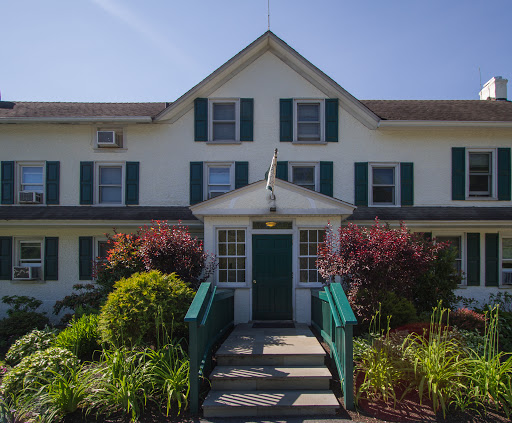
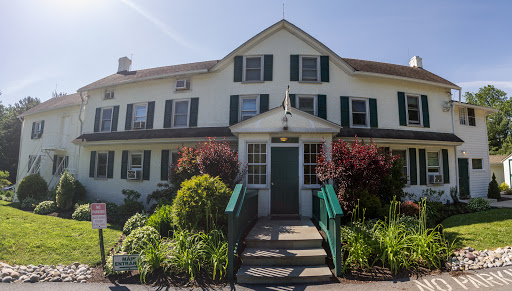
Remed King Street in Malvern, PA offers a comfortable and supportive environment for individuals in need of board and care home services. Our community is fully furnished and features a spacious dining room where residents can enjoy delicious meals prepared by our dedicated staff.

At Remed King Street, we prioritize the well-being and convenience of our residents. Our housekeeping services ensure that living spaces are always clean and tidy, while move-in coordination makes the transition seamless for new residents. Outdoor spaces and a garden provide opportunities for relaxation and enjoying nature.

Residents have access to essential amenities including telephone service and Wi-Fi/high-speed internet, allowing them to stay connected with loved ones. Additionally, our caring staff provides assistance with activities of daily living such as bathing, dressing, and transfers. We also offer medication management services to ensure that residents take their medications on time.

We cater to individuals with special dietary restrictions or diabetes diets by providing meal preparation according to their needs. Transportation arrangements for medical purposes, as well as transportation to doctors' appointments, are available for our residents' convenience.

To keep residents engaged and active, we organize scheduled daily activities for socialization and entertainment. In the vicinity of Remed King Street, there are numerous cafes, parks, pharmacies, physicians' offices, restaurants, places of worship, and hospitals conveniently located nearby.

At Remed King Street in Malvern, PA, we strive to create an assisted living community that promotes comfort, independence, and a high quality of life for all our residents.

Nearby Places of Interest

Restaurants

  • Anthony's Pizza & Italian Restaurant (0.1 miles)
  • Flying Pig Saloon (0.4 miles)
  • Brick & Brew Gastropub (0.6 miles)
  • Venice Pizza & Pasta (0.7 miles)
  • Sly Fox Taphouse at the Grove (1.4 miles)
  • Chick-Fil-A (1.5 miles)
  • Cedar Hollow Inn Restaurant & Bar (2.7 miles)

Transportation

  • Septa Malvern Station (0.3 miles)
  • SEPTA/Amtrak: Paoli Station (2 miles)
  • Exton Station (EXT) (5.5 miles)
  • Septa: Radnor Station (7.6 miles)

Pharmacies

  • Wegmans (1 miles)
  • CVS Pharmacy (1 miles)
  • Walgreens (2.3 miles)
  • CVS Pharmacy (2.4 miles)
  • Endo Pharmaceuticals (2.6 miles)
  • CVS Pharmacy (3.5 miles)
  • Penn Medicine Valley Forge Pharmacy (3.6 miles)

Cafes

  • Starbucks (1 miles)
  • Starbucks (1.5 miles)
  • Starbucks (1.7 miles)
  • Starbucks (5.4 miles)
  • Starbucks (5.5 miles)
  • Starbucks (5.5 miles)
  • Stolen Sun (6 miles)

Hospitals

  • Paoli Hospital (1.1 miles)
  • Chester County Hospital (6.2 miles)
  • Phoenixville Hospital (6.2 miles)
  • Family Lounge (6.2 miles)
  • Universal Health Services (8.5 miles)

Physicians

  • Main Line Center For Oral & Facial Surgery (1.2 miles)
  • Bowen, Anne Main Line Healthcare Westtown Family Medicine (4.7 miles)
  • Fern Hill Medical Campus (5.4 miles)
  • Phoenixville Valley Forge Dermatology Associates (5.9 miles)
  • Chin, Katherine Gateway Internal Medicine of West Chester (6.2 miles)
  • Dr Solis's Office (6.6 miles)
  • Mid Atlantic Retina (6.6 miles)

Places of Worship

  • St Paul's Episcopal Church (3.7 miles)
  • Willistown United Methodist Church (5 miles)
  • St Anastasia Rectory (7.9 miles)

Parks

  • Wilson Farm Park (4.3 miles)
  • Marshall Square Park (6.6 miles)
  • Valley Forge National Historical Park (6.9 miles)
  • Ridley Creek State Park (7.3 miles)
  • Goose Creek Park (7.3 miles)
  • Lionville Park (7.5 miles)

Theaters

  • Movie Tavern Exton (5.8 miles)
  • Regal UA King Of Prussia 4DX, IMAX & RPX (7.6 miles)

Frequently Asked Questions

Where is Remed King Street?

Nearby Communities

Related Resources

  • assisted living vs memory careAssisted Living and Memory Care: Understanding Their Core Differences

    Assisted living provides moderate support for seniors seeking independence, while memory care offers specialized support for individuals with dementia or cognitive impairments through structured routines and trained staff. Key differences include care approaches, environment security measures, staff training levels, activity types, and cost considerations.

  • assisted living activitiesBeyond the Bingo Hall: 50+ Enriching Activities for Seniors in Assisted Living

    Assisted living communities offer diverse activities beyond traditional games to enhance seniors' physical health, cognitive well-being, emotional enrichment, and social connections, including fitness classes, creative expression, and intergenerational interactions. These enriching programs foster community bonds and support residents' independence and happiness.

  • assisted living vs memory careUnderstanding the Distinctions: Assisted Living and Memory Care Explained
    The article differentiates between assisted living and memory care, explaining that assisted living supports seniors with daily activities while promoting independence, whereas memory care provides specialized services for individuals with dementia, focusing on secure environments and cognitive support. It also addresses staff training, safety considerations, costs, family involvement, and transition strategies for families navigating these care options.