Barnes Place offers competitive pricing for its accommodations, particularly when compared to both Westmoreland County and statewide averages in Pennsylvania. For a semi-private room, residents will find a monthly cost of $2,918, which is slightly lower than the county average of $2,955 and significantly more affordable than the state average of $3,542. In terms of studio apartments, Barnes Place's rate of $4,164 exceeds the county's average of $3,436 but remains within a reasonable range compared to Pennsylvania's state average of $3,737. For one-bedroom units, however, Barnes Place charges $5,016 per month - this is notably higher than both the county's average of $3,433 and the state's average of $4,006. Overall, while some room types reflect higher costs at Barnes Place relative to local and state benchmarks, others are positioned firmly within a competitive framework that highlights its offerings for potential residents seeking quality care and accommodation.
Floor plans
Barnes Place
Westmoreland County
Pennsylvania
Semi-Private
$2,918
$2,955
$3,542
Studio
$4,164
$3,436
$3,737
1 Bedroom
$5,016
$3,433
$4,006
Assisted Living communities with a similar price nearby
Residents and families repeatedly describe attentive, approachable staff.
Across many reviews, families describe getting quick answers and direction when they had questions, along with staff members who feel welcoming day to day. Multiple residents or visitors also call out friendly interactions across roles, from the front desk and aides to custodial and nursing staff. A few reviews are less positive about care delivery and staffing levels, but even there, the feedback is still centered on whether staff are available and responsive enough for residents’ needs.
common26 reviews mention this
Cleanliness and upkeep stand out
Clean, well-kept spaces come up more than once in reviews.
Many reviewers emphasize that the building feels clean, bright, and well maintained, including resident rooms and common areas. Several comments also connect cleanliness with peace of mind for families visiting regularly. While a small number of negative reviews describe cleanliness problems in bedrooms, the overall pattern in feedback is that residents and families notice ongoing upkeep.
common22 reviews mention this
Activities keep residents engaged
Activities and social events are a regular part of life here.
Residents and families describe scheduled daily activities, community-sponsored events, and outings that give people options beyond their rooms. Reviews mention group social time such as gatherings and parties, along with smaller things like games, trivia, and religious services. A few reviewers say their loved ones participated less, but the community’s activity programming is still frequently referenced as a reason families felt comfortable.
differentiator18 reviews mention this
Dining is frequently praised
Restaurant-style dining and meal quality are repeatedly highlighted.
Dining comes up often, with multiple reviewers saying the food is good and that residents can share a meal with visitors. Families also describe a dining experience that feels more like a restaurant than a cafeteria. The community offers restaurant-style dining and meals provided, along with support for special diets such as diabetes diet needs and vegetarian options.
caveat6 reviews mention this
Price increases are a concern
Some families worry about rising costs over time.
Several reviews express concern that pricing has increased significantly over the years and that additional services have shifted from being included to being billed separately. That worry shows up most strongly in comments about affordability for fixed incomes. The pricing positioning provided for studios, semi-private options, and one-bedrooms is also described as above county and state benchmarks, which aligns with why cost is a recurring topic for some families.
caveat10 reviews mention this
Care and staffing feel uneven
Reviews describe both care support and gaps in care delivery.
Some families praise the care team for being responsive and for helping residents with needs, including support around bathing and adjustments after falls. Other reviews, however, describe a steady decline in care over time, understaffing, and problems such as delayed service or missed assistance tasks. One recurring tension in the feedback is whether there are enough trained people available consistently to meet daily needs, especially during weekends or changing staffing conditions.
How we summarize
Counts show how many written reviews mention each theme; a review can touch several themes, and only frequently mentioned themes are displayed.
Features
Housing
68 resident community capacity
1-bedroom apartments
Studio apartments
Types of Care
Assisted Living
Independent Living
Pets
Cats allowed
Dogs allowed
Amenities
Activities off-site
Activities on-site
Air-conditioning
Bath tubs
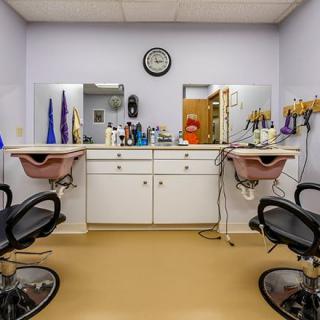
Beautician on-site
Beauty salon
Cable or satellite TV
Computer center
Devotional services on-site
Dining room
Fitness room
Fully furnished
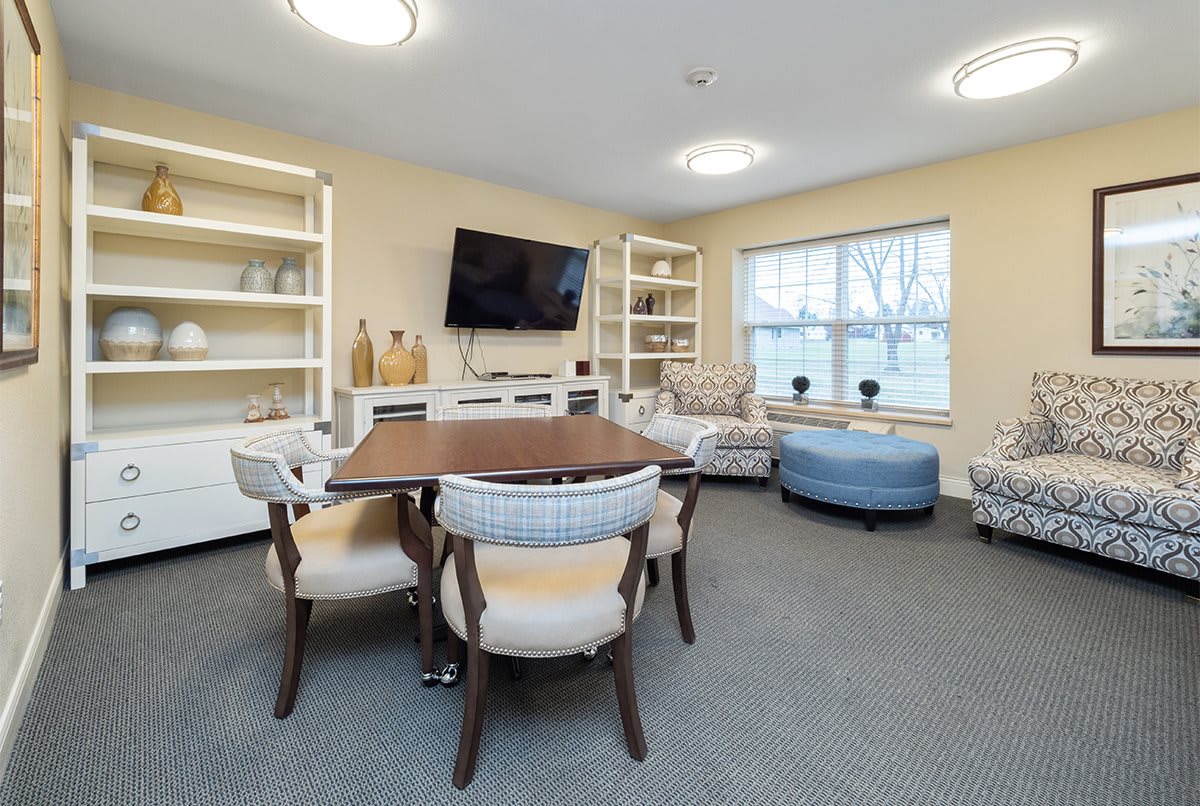
Gaming room
Garden
Ground floor units
Housekeeping services
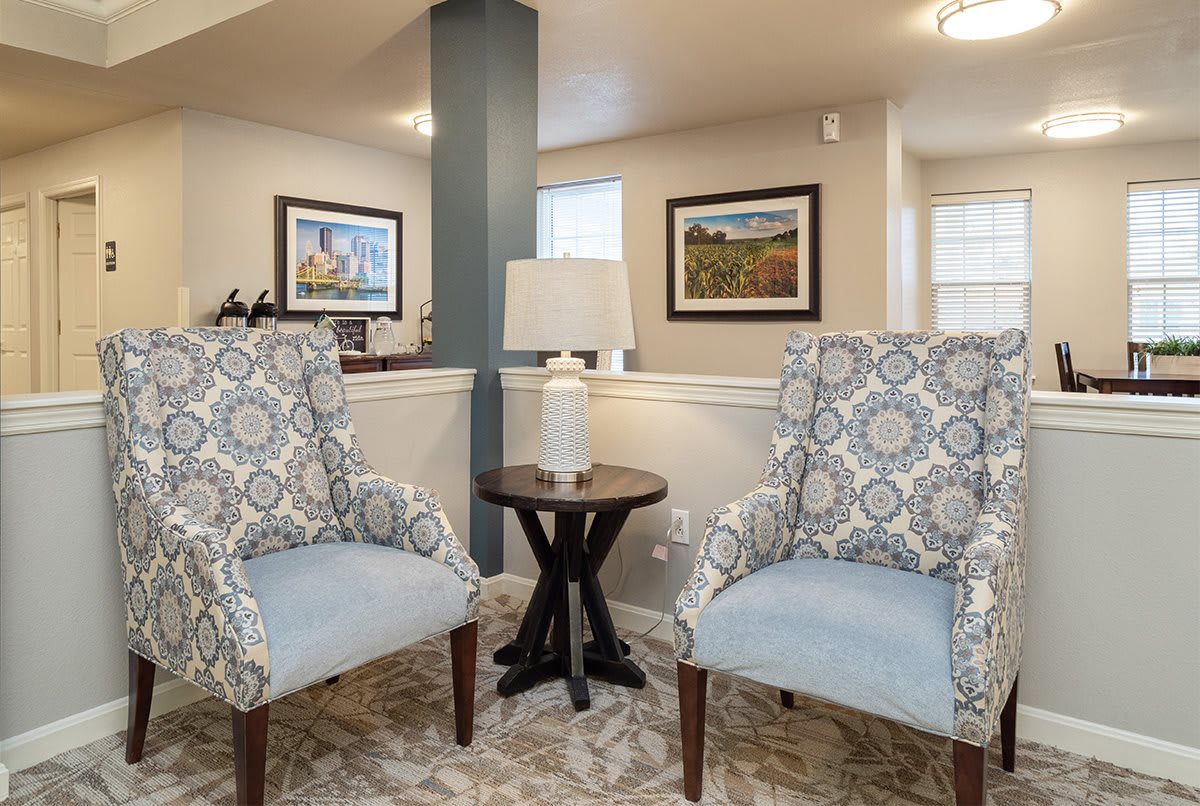
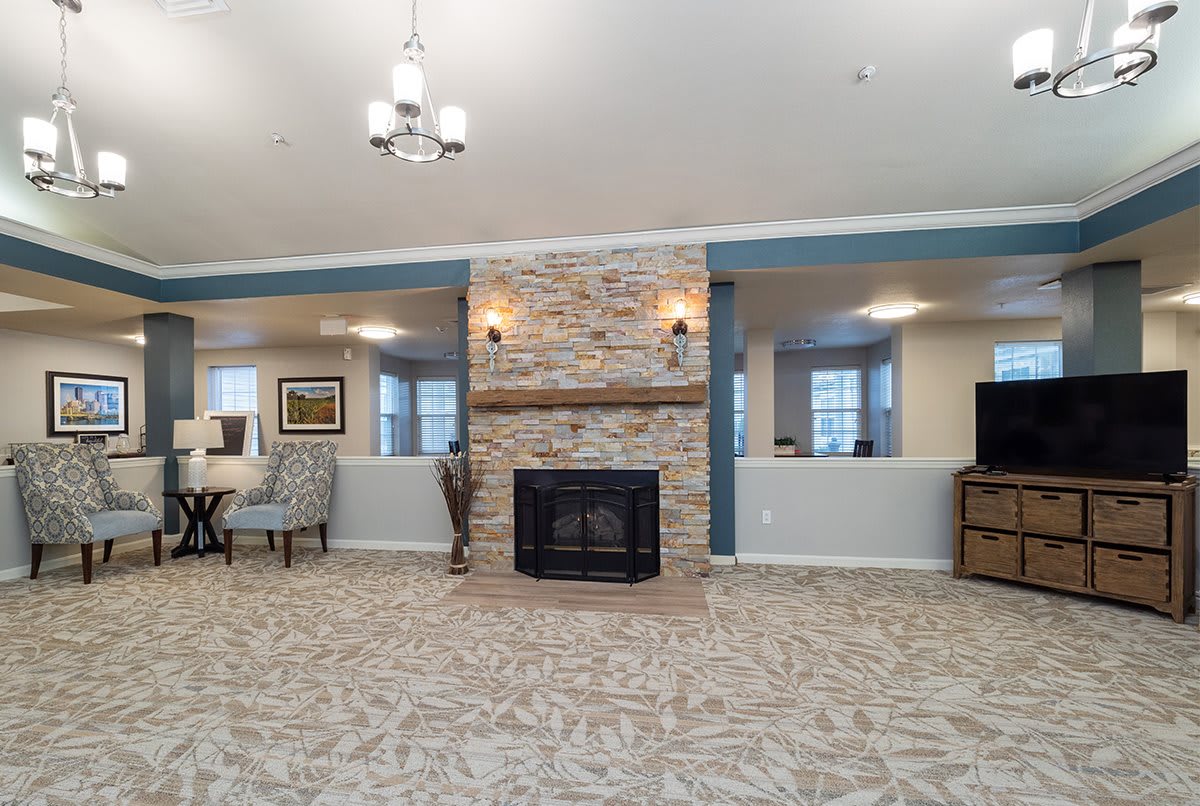
Indoor common areas
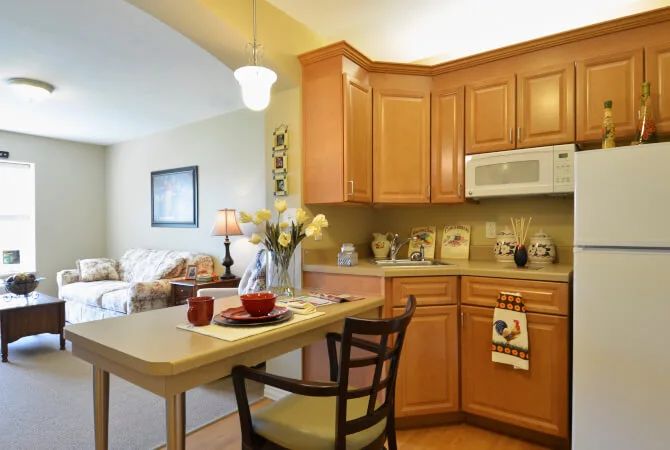
Kitchenette
Laundry
Move-in coordination
Outdoor common areas
Outdoor space
Overnight guests
Private bathrooms
Respite or short term stays offered
Restaurant-style dining
Small library
Telephone
Wellness center
Wheelchair accessible showers
Wi-Fi/high-speed internet available
Transportation
Community operated transportation
Transportation & parking
Transportation arrangement
Transportation arrangement (non-medical)
Care Services
12-16 hour nursing
24-hour call system
24-hour supervision
Activities of daily living assistance
Assistance with bathing
Assistance with dressing
Assistance with transfers
Coordination with health care providers
Diabetes diet
Diabetic care
Incontinence care
Meal preparation and service
Medication management
Mental wellness program
Special dietary restrictions
Transportation arrangement (medical)
Transportation to doctors appointments
Dining
Diabetes diet
Guest meals
Meals provided
Restaurant style dining
Special dietary restrictions
Vegetarian
Activities
Activities off-site
Activities on-site
BBQs or picnics
Birthday parties
Community-sponsored activities
Concierge services
Cooking classes
Day trips and outings
Devotional activities on-site
Fitness programs
Happy hour
Karaoke
Live dance or theater performances
Live musical performances
Live well programs
Planned day trips
Religious services
Resident-run activities
Scheduled daily activities
Trivia games
Wine tasting
Languages Spoken
English
Videos
Nearby Places of Interest
This part of Latrobe, Pennsylvania, offers a convenient and accessible living environment for seniors. With a variety of restaurants including fast food options like McDonald's and Denny's as well as local favorites like Jioio's Restaurant, seniors will have plenty of dining choices. There are also several places of worship nearby for those who value their spiritual practices. For outdoor activities, there are parks such as Legion-Keener Park and Latrobe Rotary Community Park for leisurely walks or picnics. In terms of healthcare, there are multiple physicians' offices and pharmacies within a short distance. The presence of hospitals like Select Specialty Hospital Laurel Highlands provides peace of mind for any potential medical needs. Overall, this area offers convenience and amenities that could make it a comfortable choice for senior living.
Restaurants
McDonald's (0.4 miles)
B C Kenlys (0.8 miles)
Jioio's Restaurant (1.5 miles)
French Express (2 miles)
Denny's (2 miles)
KFC (2 miles)
Dino's Sports Lounge (2 miles)
Places of Worship
Christ United Church of Christ (0.7 miles)
Latrobe United Presbyterian Church (0.8 miles)
Latrobe Christian Church (1.4 miles)
Saint Vincent Basilica Parish (2.2 miles)
St Mary's Byzantine Catholic Church (7.7 miles)
Epiphany Anglican Fellowship (7.9 miles)
Pioneer Presbyterian Church (8.2 miles)
Parks
Latrobe Memorial Stadium Latrobe (0.8 miles)
Legion-Keener Park (1.2 miles)
Latrobe Rotary Community Park (2.2 miles)
Keystone State Park (4.4 miles)
Jumpin' Jungle idlewildpark (5.8 miles)
Twin Lakes Park Maintenance (6.1 miles)
Peach Plaza (6.3 miles)
Physicians
Chestnut Ridge Primary Care (0.8 miles)
Dr Reyna (0.9 miles)
Vittone Eye Associates (0.9 miles)
Gyno Associates (0.9 miles)
Chestnut Ridge Medical Office Dr Bursch (0.9 miles)
Barnes Place offers competitive pricing for its accommodations, particularly when compared to both Westmoreland County and statewide averages in Pennsylvania. For a semi-private room, residents will find a monthly cost of $2,918, which is slightly lower than the county average of $2,955 and significantly more affordable than the state average of $3,542. In terms of studio apartments, Barnes Place's rate of $4,164 exceeds the county's average of $3,436 but remains within a reasonable range compared to Pennsylvania's state average of $3,737. For one-bedroom units, however, Barnes Place charges $5,016 per month - this is notably higher than both the county's average of $3,433 and the state's average of $4,006. Overall, while some room types reflect higher costs at Barnes Place relative to local and state benchmarks, others are positioned firmly within a competitive framework that highlights its offerings for potential residents seeking quality care and accommodation.
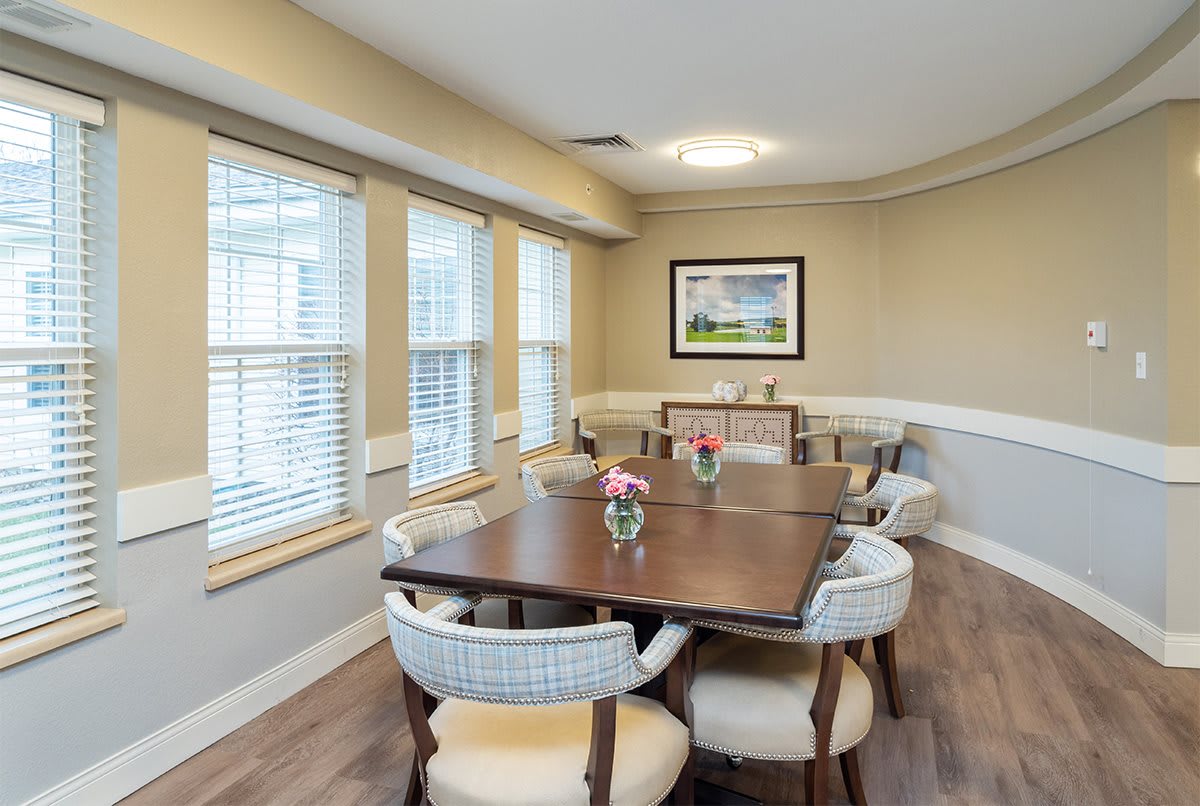
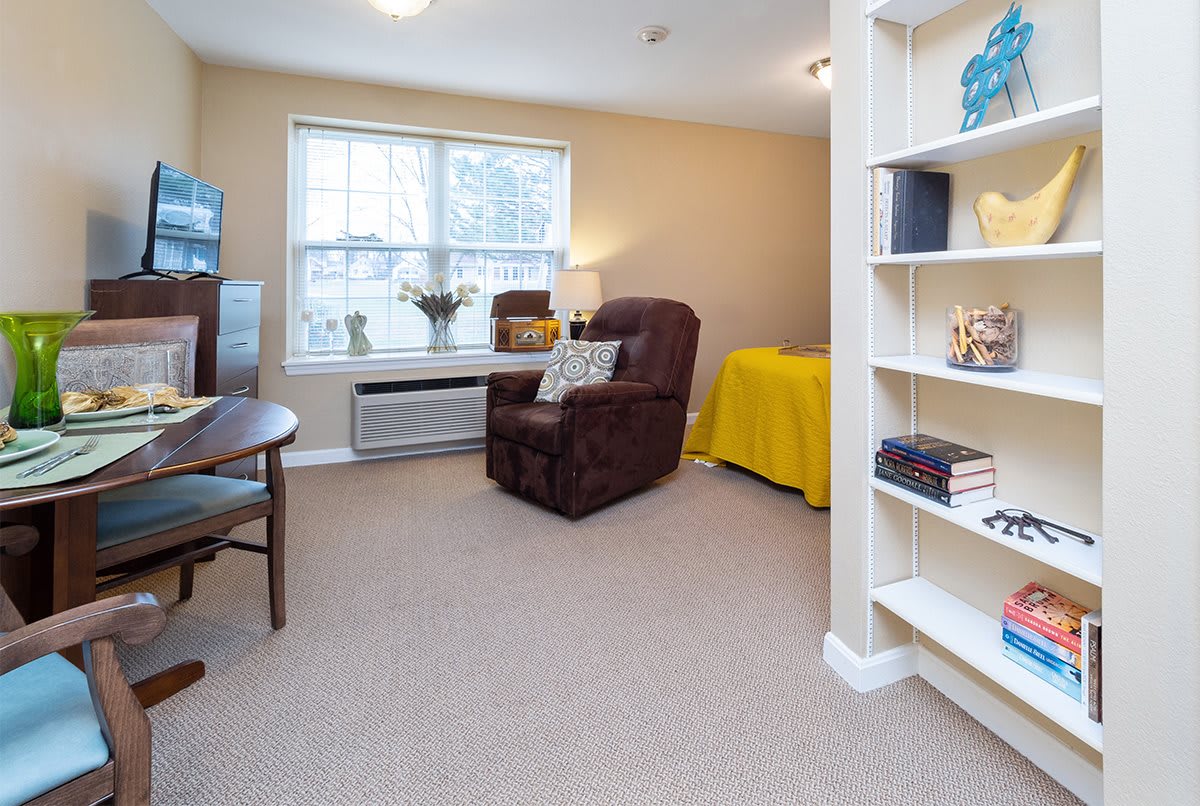
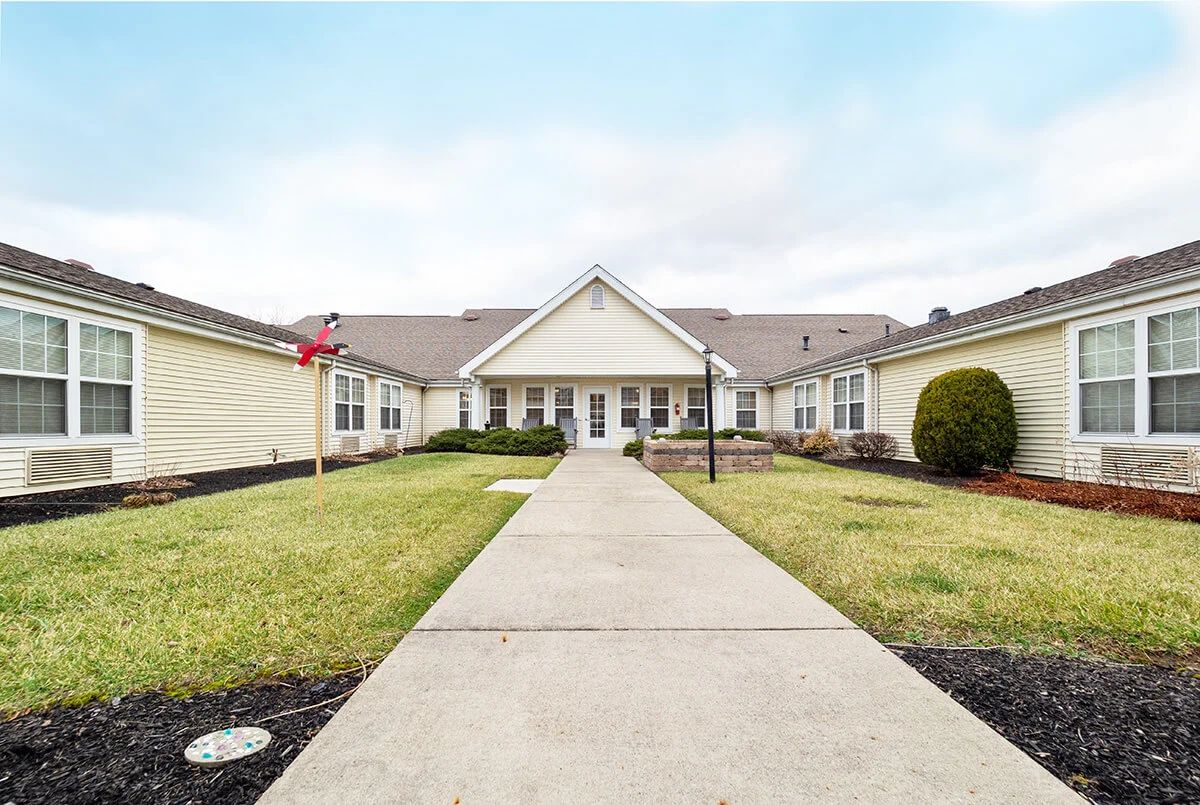
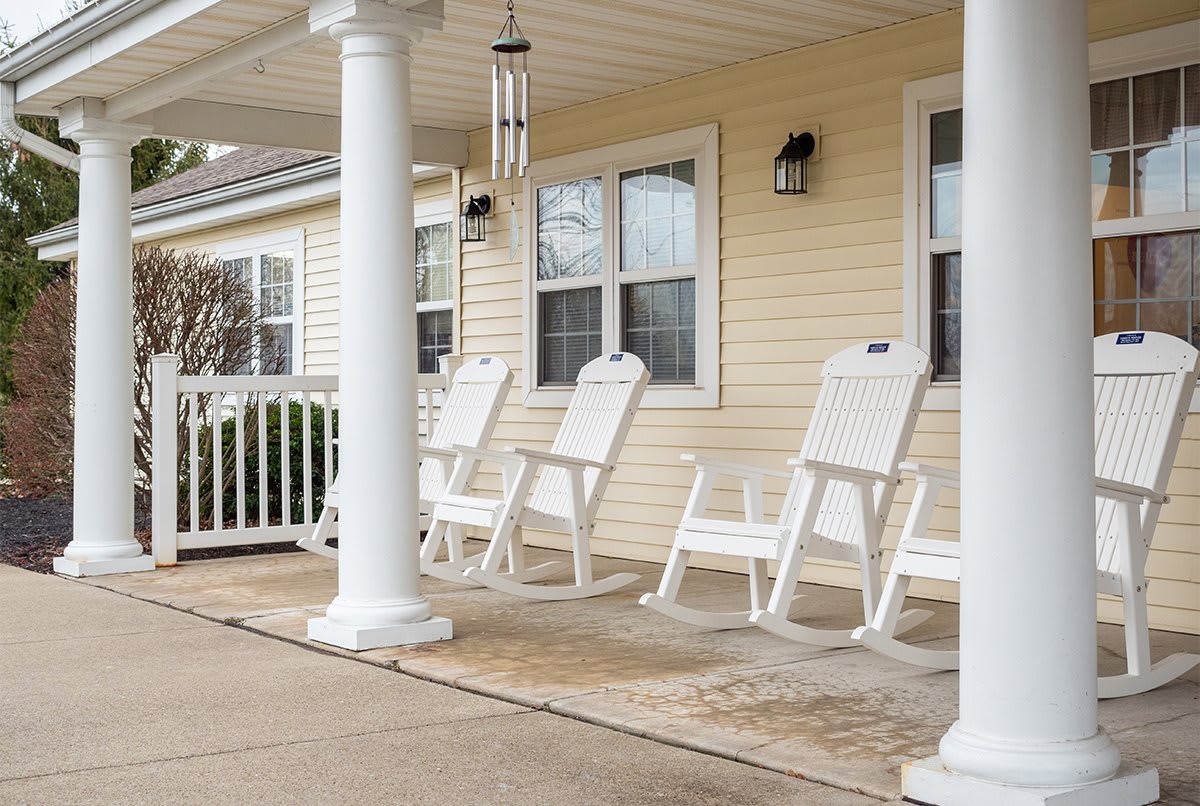
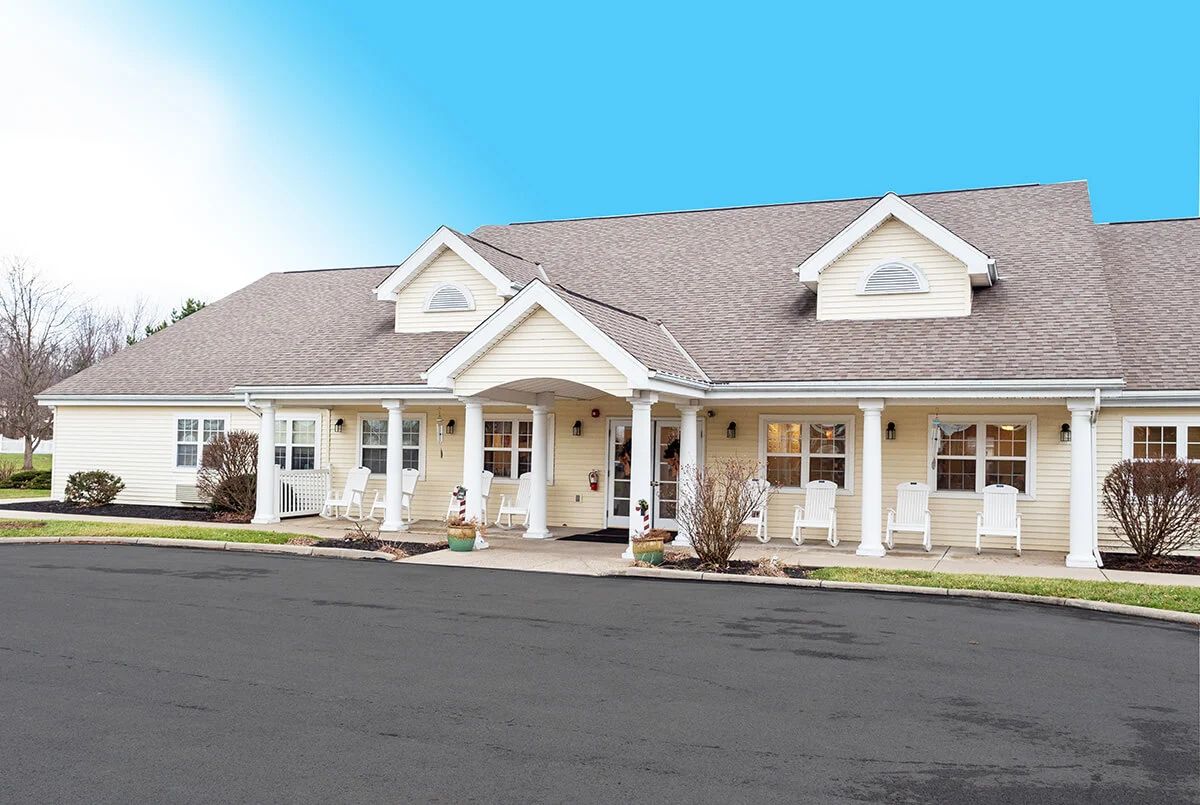
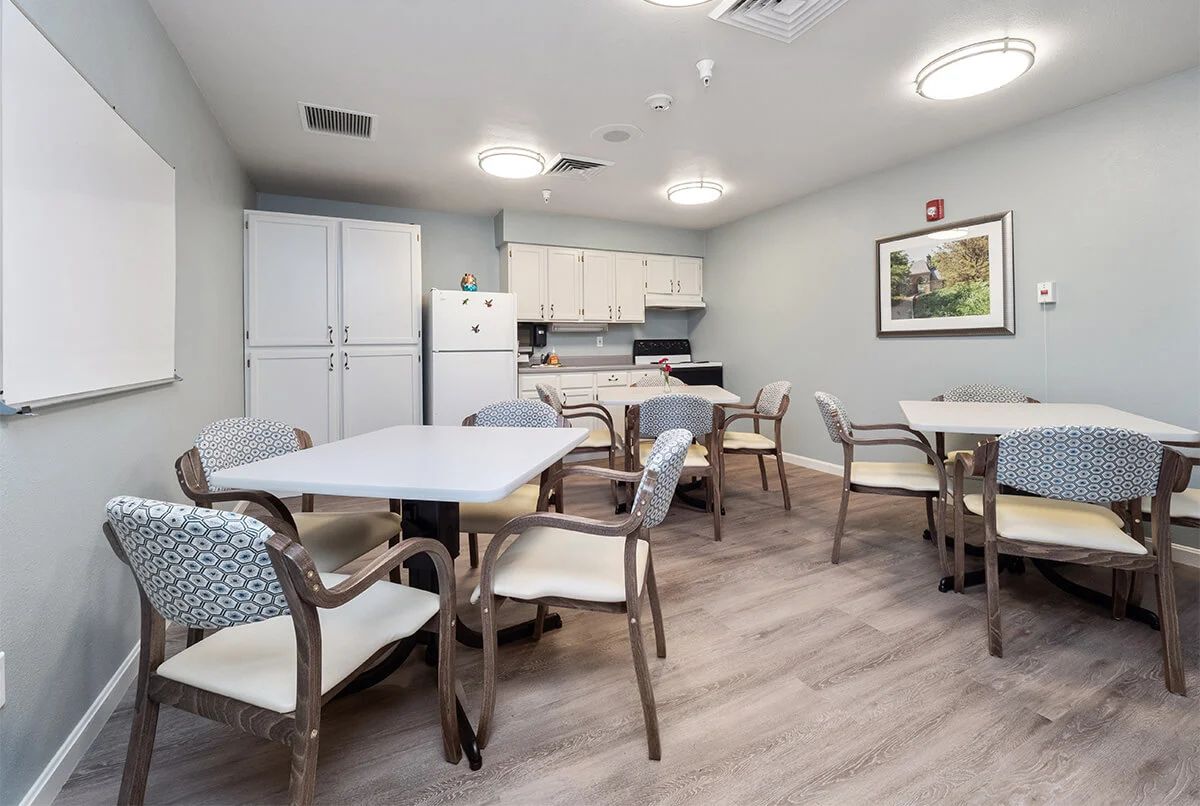
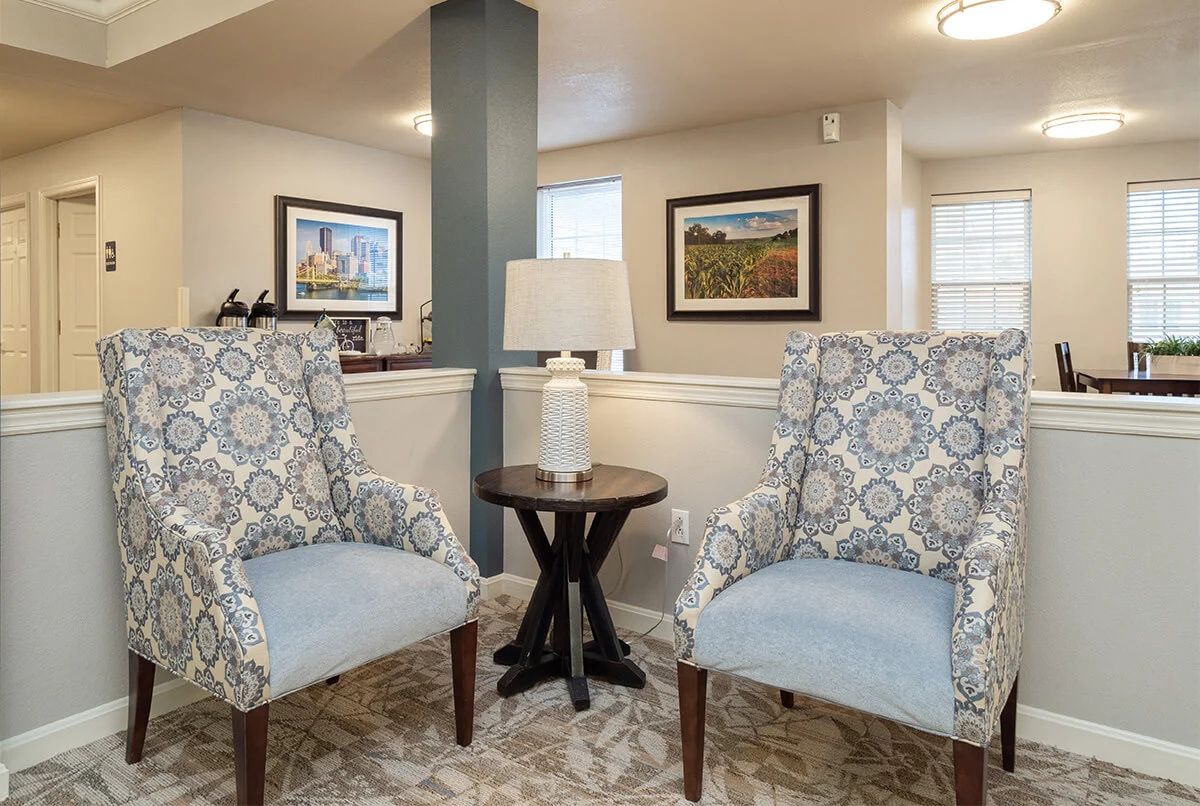
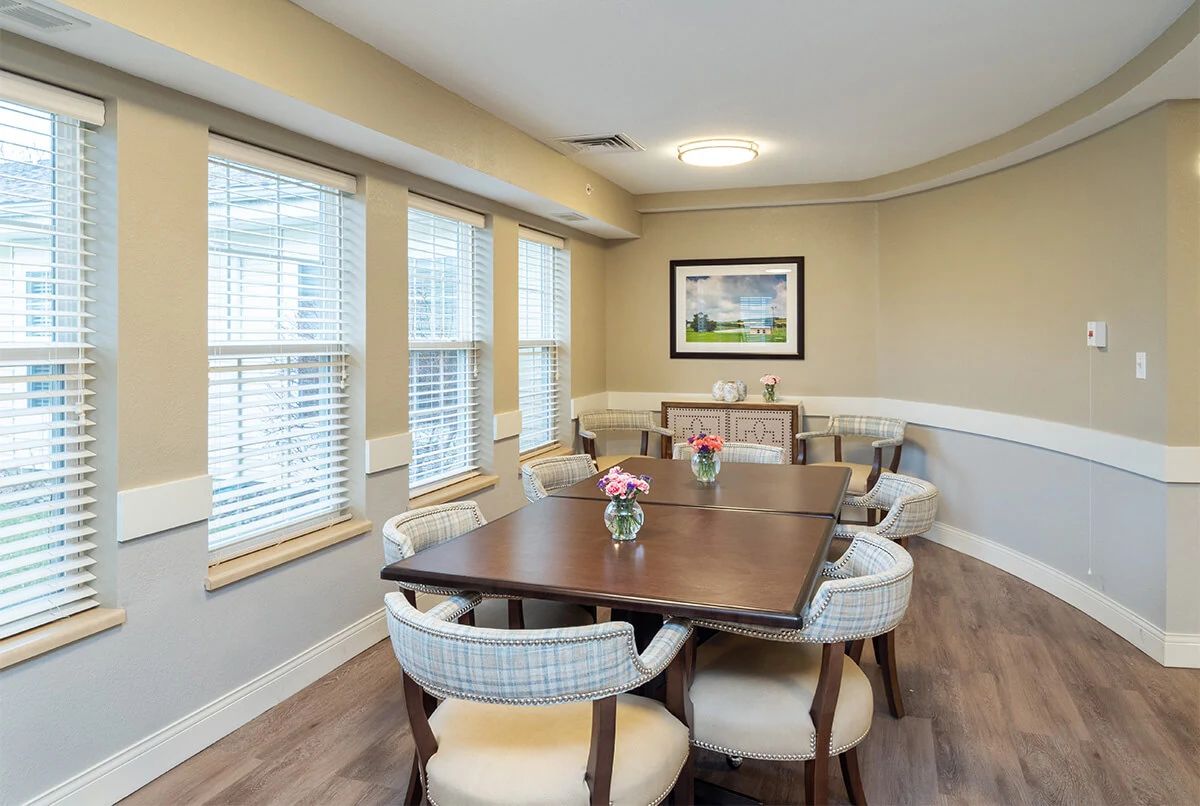
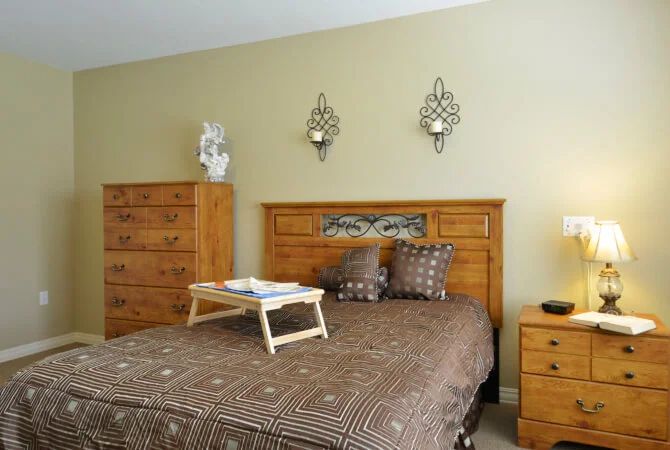
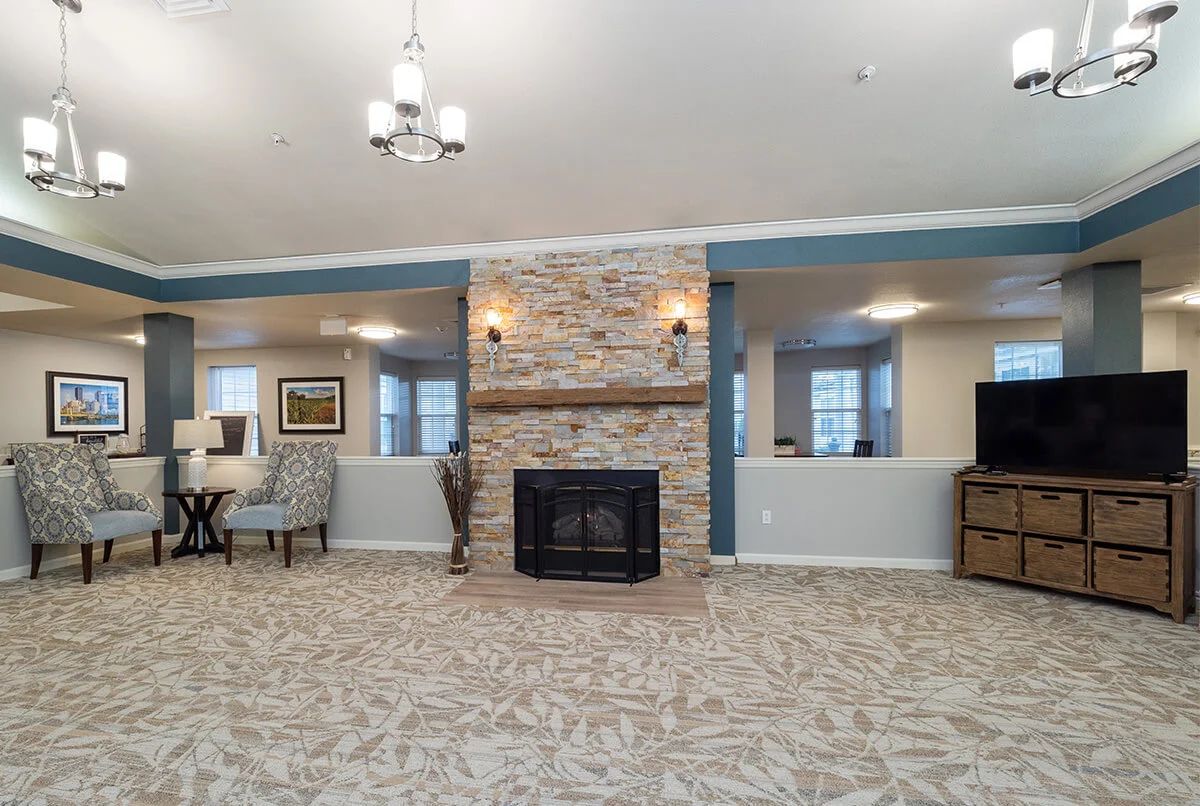
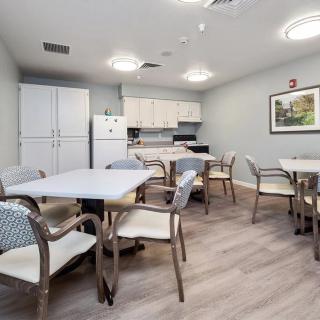
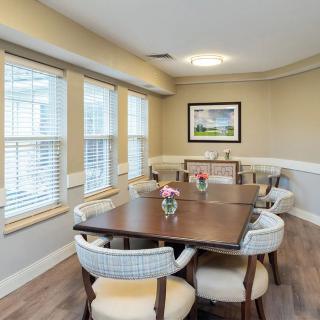
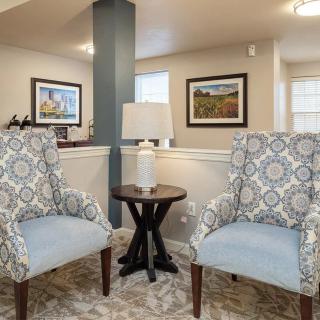
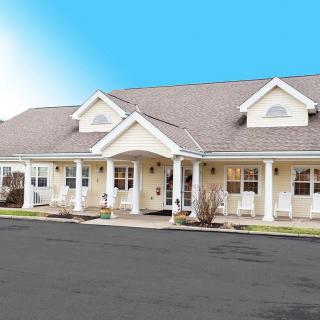
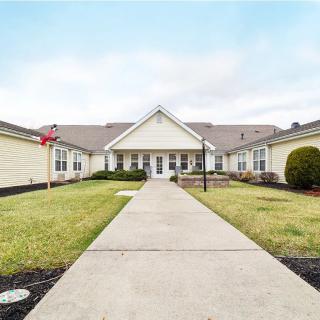
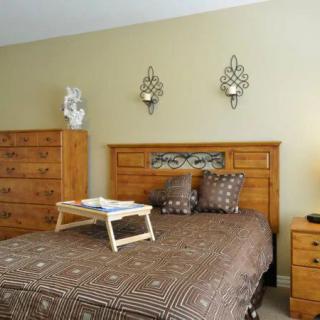
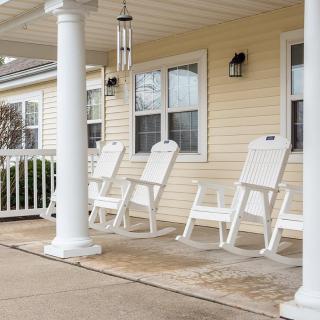
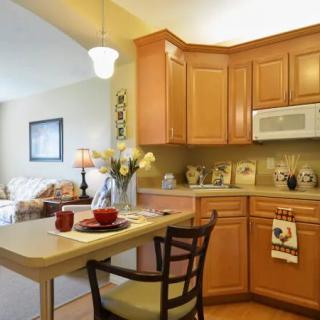
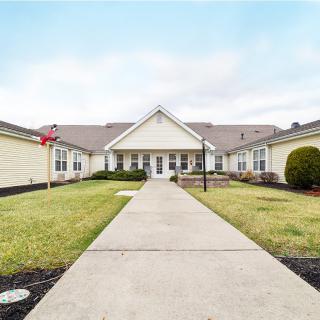
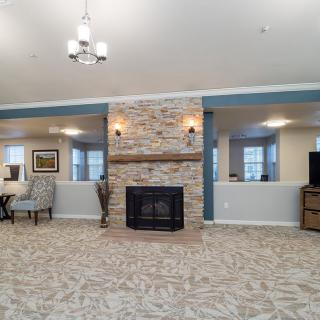
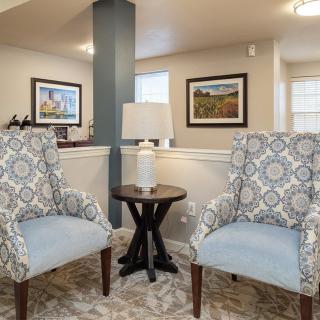
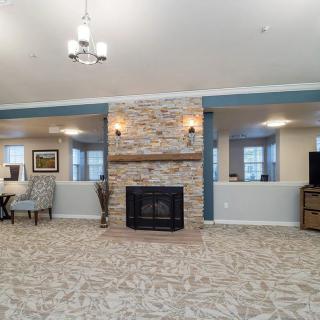
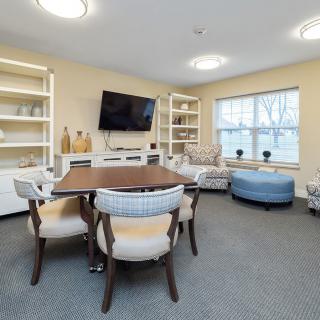
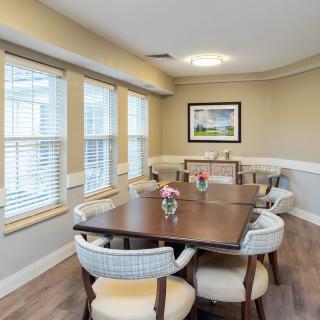
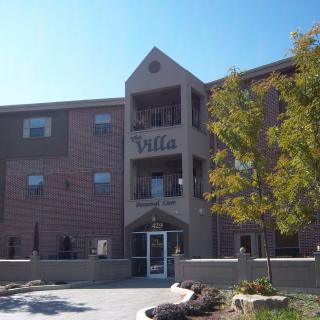
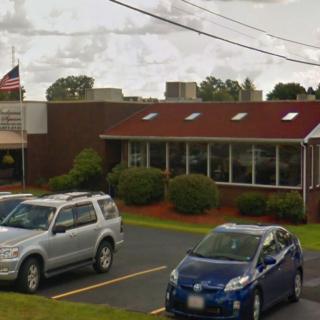
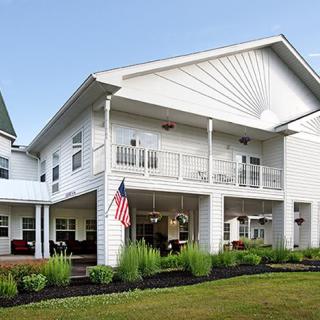
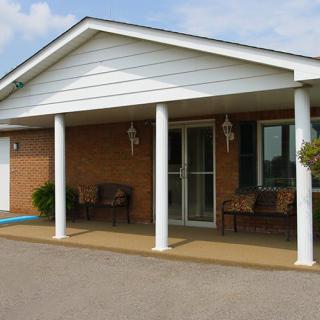
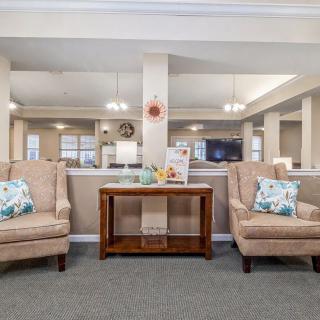
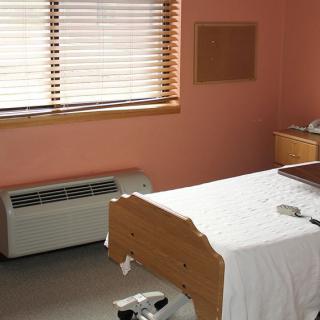
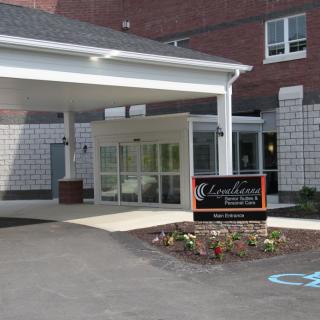
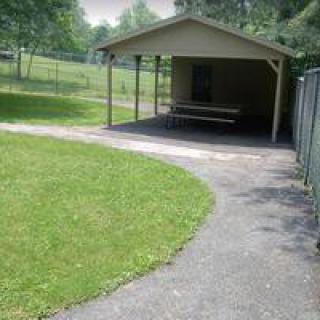
Barnes Place on seniors.fyi includes 16 photos including images showing interior, living room, windows, decor, dining, building, artwork, architecture, and more.
Nearby Communities
Gables Manor
Latrobe, PA
4.2 from 6 reviews
$2,350 to $2,700 / month
Kind staff and recent renovations (new lounges) improve resident experience.
Loyalhanna Health Care Associates
Latrobe, PA
Comprehensive amenities and 24/7 supervision for assisted living.
Loyalhanna Continuing Care Campus
Latrobe, PA
Continuum of care on one campus (independent living to skilled nursing) with extensive on-site amenities.
Loyalhanna Senior Suites and Personal Care
Latrobe, PA
4.7 from 10 reviews
$2,369 to $3,200 / month
Beautiful campus with engaging activities and friendly staff.
Grove At Latrobe
Latrobe, PA
3.4 from 41 reviews
Comfortable, clean environment with attentive staff.
Country Cottage Personal Care
Latrobe, PA
4.5 from 2 reviews
Clean, well-kept setting with friendly staff and accommodating ownership.
Brookdale Latrobe
Latrobe, PA
4.5 from 85 reviews
$4,860 to $9,740 / month
Caring staff with personalized attention and engaging activities in a clean, welcoming environment.
The article discusses assisted living expenses, the importance of long-term care insurance in covering these costs, and various financing options, highlighting the need for careful policy review and early planning to address potential needs. It also clarifies common misconceptions about Medicare and private health insurance limitations regarding long-term care coverage.
Assisted living facilities offer crucial support for older adults needing help with daily activities but come with varying and significant costs, which can be financed through personal savings, government assistance programs, long-term care insurance, and home equity options. Professional guidance from experts can aid families in navigating these financial complexities to establish a sustainable budgeting approach for assisted living services.
Assisted living costs often exceed Social Security benefits, necessitating a combination of funding sources like state aid and Medicaid. Understanding the interaction between Social Security programs and available financial support is essential for affording such care.
Get PricingAsk A QuestionSchedule A TourContact Senior Advisor
By clicking submit, you agree to our Partner's Terms of Use. You
also consent to receive calls and texts, which may be autodialed, from our Partner. Your consent is not a condition to
using our Partner's service. Please visit our Partner's Privacy Policy for information about their privacy practices.

 68 resident community capacity
 1-bedroom apartments
 Assisted Living
 Independent Living
 Cats allowed
 Dogs allowed
 Activities off-site
 Air-conditioning
 Bath tubs
 Beautician on-site
 Cable or satellite TV
 Computer center
 Devotional services on-site
 Dining room
 Fitness room
 Fully furnished
 Gaming room
 Garden
 Ground floor units
 Housekeeping services
 Indoor common areas
 Kitchenette
 Laundry
 Move-in coordination
 Outdoor common areas
 Overnight guests
 Private bathrooms
 Respite or short term stays offered
 Restaurant-style dining
 Small library
 Telephone
 Wellness center
 Wheelchair accessible showers
 Wi-Fi/high-speed internet available
 Community operated transportation
 12-16 hour nursing
 24-hour call system
 Assistance with bathing
 Assistance with dressing
 Assistance with transfers
 Diabetes diet
 Diabetic care
 Incontinence care
 Medication management
 Mental wellness program
 Special dietary restrictions
 Transportation arrangement (medical)
 BBQs or picnics
 Birthday parties
 Concierge services
 Cooking classes
 Day trips and outings
 Happy hour
 Karaoke
 Live dance or theater performances
 Live musical performances
 Trivia games
 Wine tasting
 English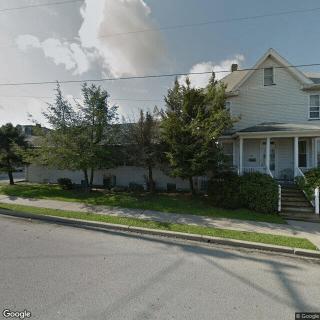
 Kind staff and recent renovations (new lounges) improve resident experience.

 Assisted Living Expenses and Long-Term Care Insurance: A Comprehensive Exploration
 Securing Financial Support for Assisted Living: A Comprehensive Overview
 Social Security Benefits and Assisted Living: Navigating Options Across the U.S.