
630 Freedom Business Center Drive, King of Prussia, PA 19406
To contact a resident: (610) 265-2350
For more information about senior living options: (866) 208-4318
Overall Review of Synergy Homecare of the Main Line
Pros
 They couldn't be recommended more highly.
- They helped her through her ending days so well.
- They also have an inpatient unit at Phoenixville Hospital.
Cons
 Promises were made with no follow-up.
- An RN allegedly lied in patient medical notes, with potential grounds for litigation.
- There is a high turnover rate among staff, with nurses frequently leaving and replacements delayed.
- Staff burnout and apparent indifference to their needs.
- Aides are unreliable and unprofessional.
- Traveling distances pose a hardship for patients and families.
- The facility paints a pretty picture but misleads people.
- The reviewer would never send their dog there.
Review
This community is best suited for families seeking specialized, hospital-linked support for dementia and end-of-life care, where access to a hospital inpatient unit can be a meaningful advantage. When a loved one needs intensive symptom management, coordination with hospital-based teams, and clear pathways for transition to inpatient care, Synergy Homecare of the Main Line can deliver a level of clinical integration that is valuable. The positive note centers on compassionate, hands-on attention in the most difficult moments, and the presence of an inpatient option appears to provide a safety net for crisis moments. For families prioritizing medical oversight within a dementia or palliative trajectory, this provider offers a practical, if imperfect, option.
Those considering alternatives should weigh a few critical realities. If reliable, consistent staffing is non-negotiable, this option may fall short. The feedback points to high turnover, burnout among staff, and repeated changes in nursing coverage, which translates into unpredictable schedules and care gaps. Aides described as unreliable and unprofessional compound the concern, creating real anxieties about daily routines, medication administration, and responsive help. Additionally, the travel distance to and from the service area is a practical burden for families and may complicate continuity of care, especially during UCLA-style transitions or emergencies. For families unable to advocate closely for daily care, seeking providers with steadier teams is prudent.
The most compelling pro, the hospital-linked dementia and end-of-life care, does have meaningful weight. The in-house hospital connection can facilitate timely escalation, smoother coordination with physicians, and clearer handoffs during urgent moments. When a loved one requires goal-concordant, comfort-focused care, the ability to leverage an inpatient unit at a connected hospital offers reassurance that symptoms will be addressed with professional oversight. In the strongest cases, this translates into a calmer experience for families and a more predictable plan of care for the patient in the terminal phase or during complex dementia progression. Those scenarios illustrate how the positives can offset some operational weaknesses.
Yet the core cons do not disappear simply because an inpatient unit exists. Documentation issues and alleged misrepresentations in medical notes signal a troubling risk for miscommunication and potential legal exposure, undermining trust at a time when families need clarity. The high turnover and burnout speak to deeper systemic challenges, staff fatigue, variable competencies, and inconsistent adherence to care plans. Together, these factors can erode the reliability families rely on, turning the hospital link from a stabilizing asset into a secondary consideration if the daily care experience is unstable. In practice, this means that even strong clinical edges must compete with the reality of frequent staffing changes.
For families weighing the decision, a clear, practical lens is essential. If the priority is robust dementia support with a safety net of hospital oversight, and if the family can manage or tolerate potential staffing fluctuations, Synergy Homecare of the Main Line can be a viable path. Conversely, if dependable daily care, stable aides, and transparent communication about staffing are nonnegotiable, it is reasonable to explore other providers with lower turnover and stronger on-site RN coverage. The inpatient hospital option matters, but it cannot compensate for ongoing care instability in the home setting.
Actionable next steps anchor the decision. Insist on concrete staffing data: daily nurse-to-patient ratios, average shift coverage, and the percentage of shifts filled by same personnel week over week. Ask for the on-site RN schedule, including who is available after hours. Request recent incident logs and a detailed care plan show-and-tell, medication administration procedures, wound care protocols, and dementia-specific interventions. Verify the hospital partnership: which services are available on-site, how transfers are initiated, and the exact process for end-of-life or escalation scenarios. Finally, request a trial period or a short regimen under close oversight, with explicit milestones to reassess care quality, staff consistency, and satisfaction from the family’s perspective. This disciplined due-diligence will illuminate whether the combination of hospital-linked care and focused dementia support outweighs the real staffing risks already evident.
 Philadelphia International (18 miles away)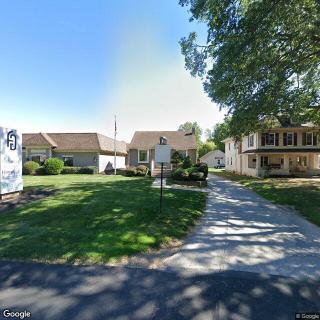




 Caregiver Exhaustion: Recognizing the Signs and Restoring Your Well-Being
 Understanding Hospice Care at Home: Comprehensive Services, Key Benefits, and Eligibility
 Understanding the Full Cost of 24/7 In-Home Care: A Detailed Overview