The Bridges At Warwick in Jamison, PA

Save

  • Interior

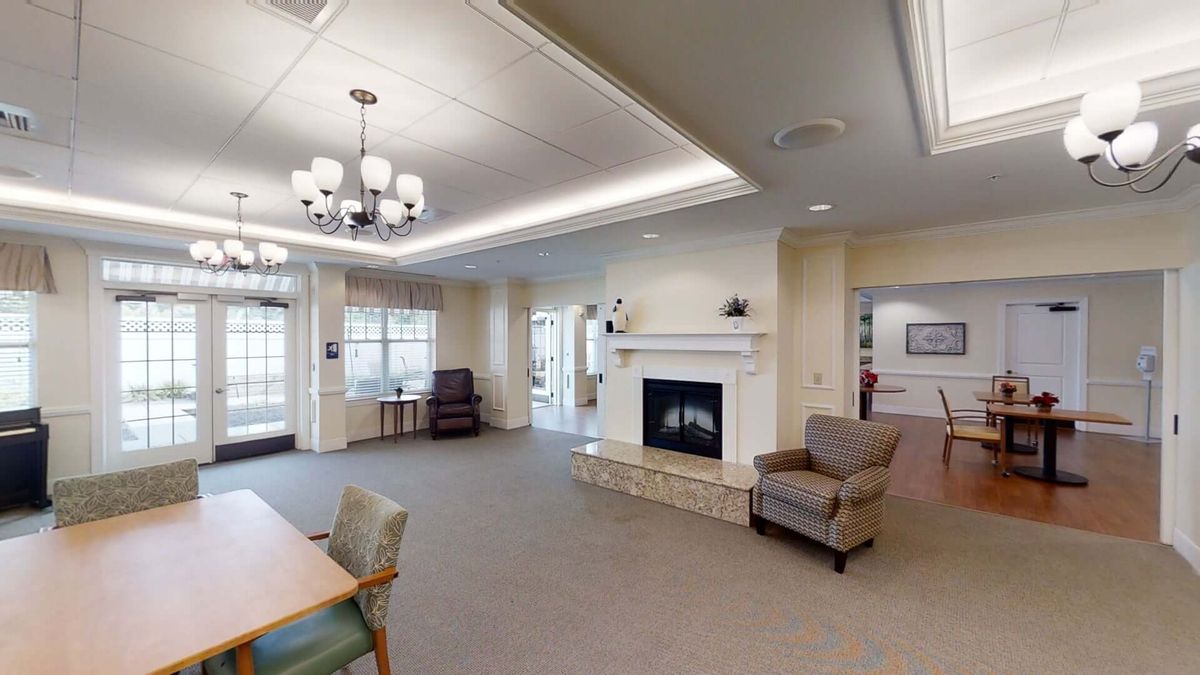
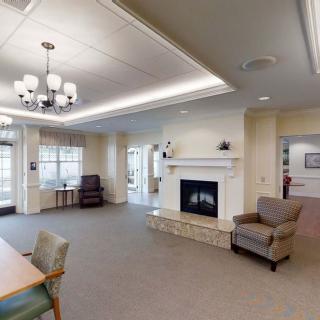
    A spacious living room with a fireplace, armchairs, and a chandelier.
  • Decor

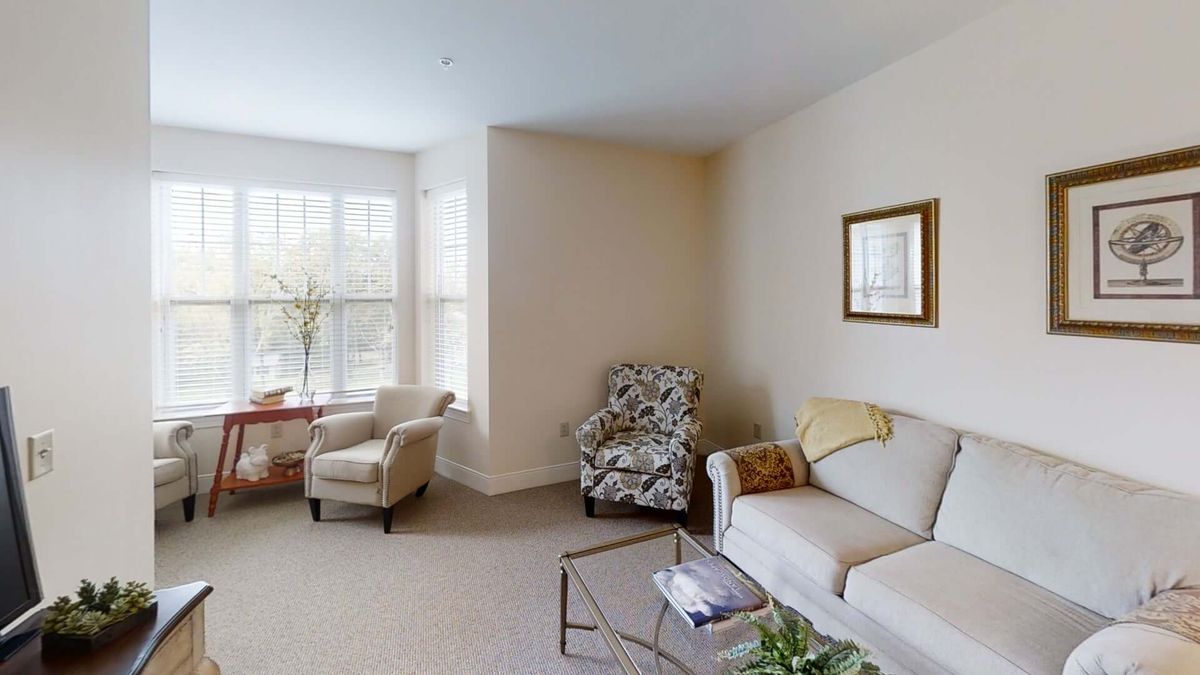
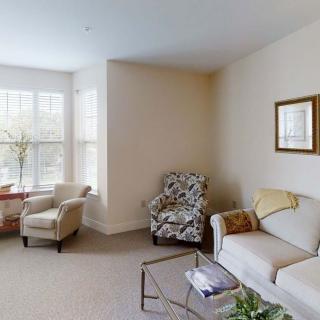
    A cozy living room with ample natural light, featuring a sofa and armchairs arranged around a glass coffee table.
  • Living Room

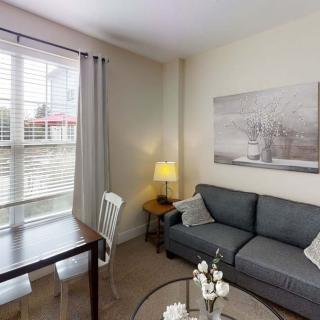
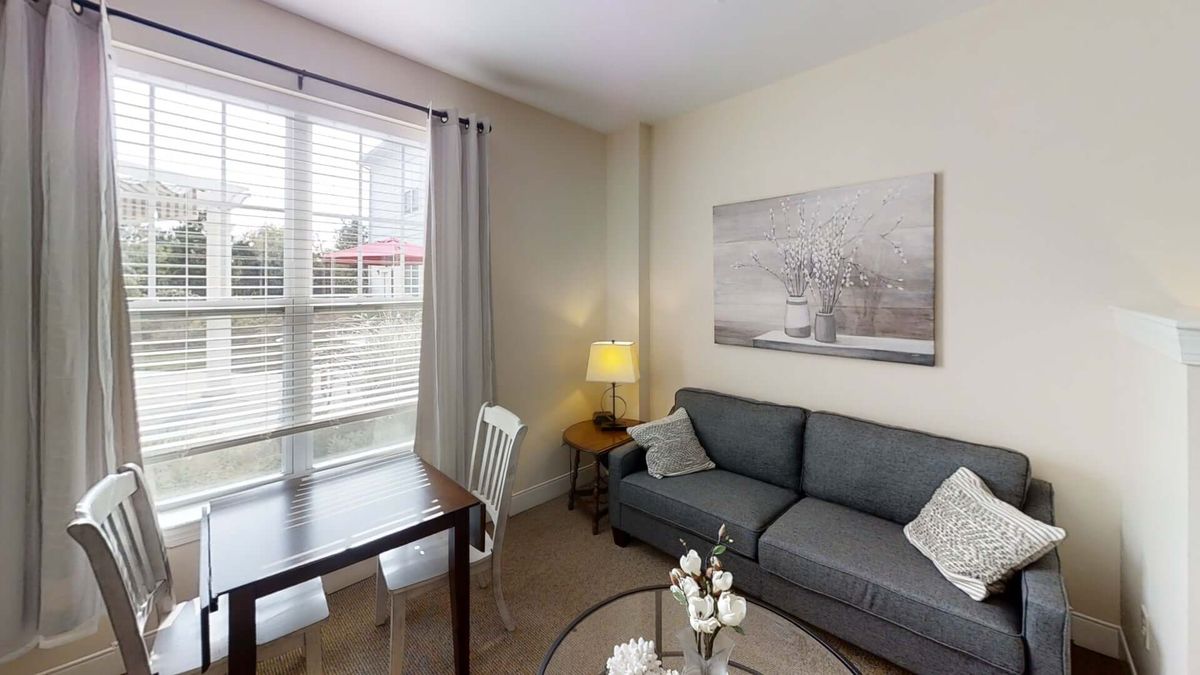
    A cozy living room with a sofa, coffee and dining tables, a lamp, and wall artwork, lit by natural light from a large window.
  • Bedroom

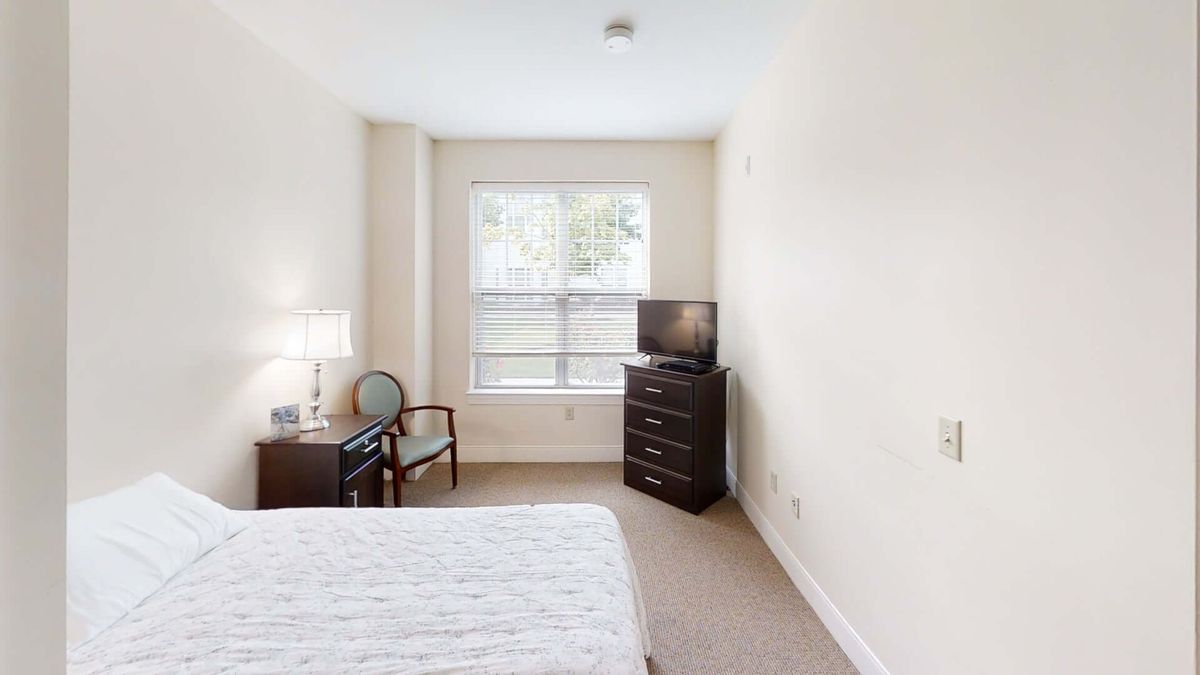
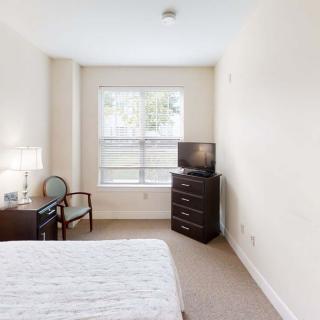
    A bright bedroom with a bed, dresser, television, chair, and table lamp.
  • Windows

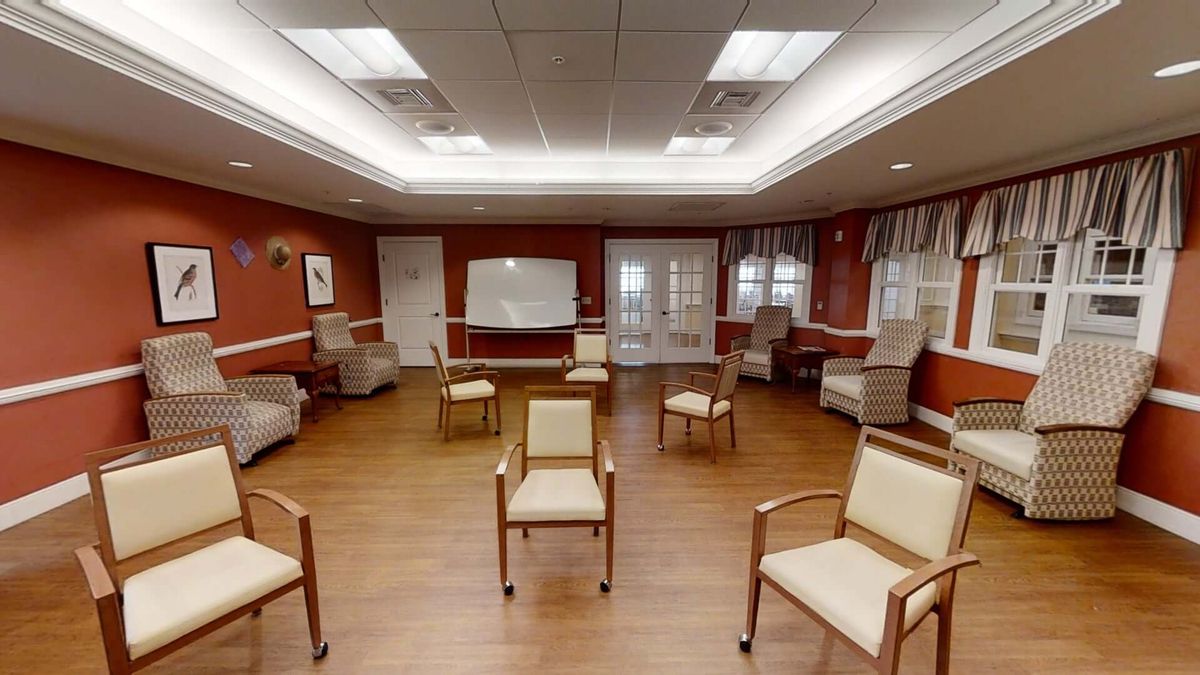
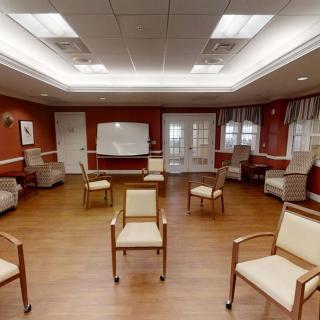
    An empty meeting room with chairs arranged in a circle, featuring a whiteboard and wooden flooring.
  • Lobby

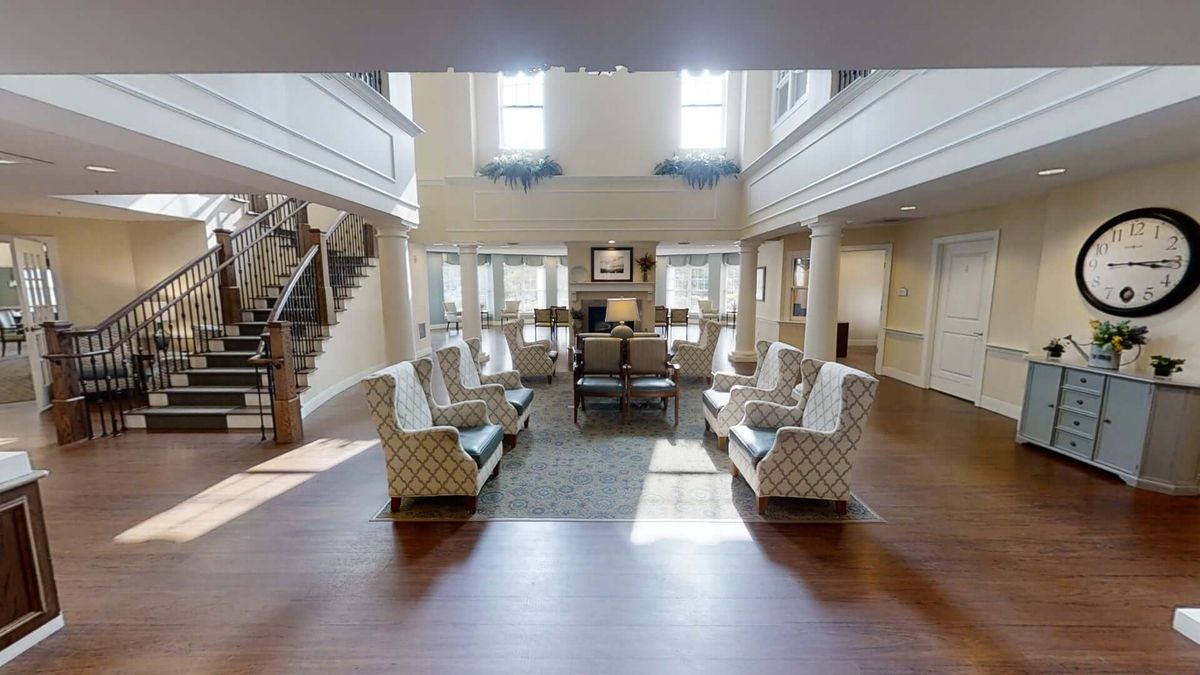
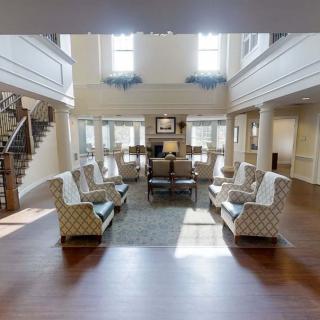
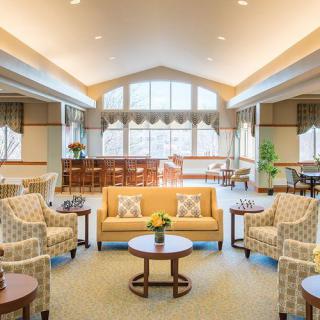
    A spacious and well-lit lobby area featuring comfortable seating arrangements, a central carpet, and elegant interior design elements.

The Bridges At Warwick in Jamison, PA

1600 Almshouse Road, Jamison, PA 18929

For more information about senior living options: (844) 490-3973

4.7 from 105 reviews
5 stars
96
4 stars
3
3 stars
0
2 stars
0
1 stars
6

Assisted Living Memory Care

What level of care are you interested in?

Assisted Living

Memory Care

Independent Living

Skilled Nursing Facility

Continuing Care Retirement Community (CCRC)CCRC

Other


Request a tour at The Bridges At Warwick

    Overall Review of The Bridges At Warwick

    Pros

    • pro The staff are kind, compassionate, and attentive to residents' needs.
    • pro Dee is described as a guardian angel who goes above and beyond for her residents.
    • pro Lucy engages every person in the dining room and makes mealtime fun and special.
    • pro Morgan provides warm, exceptional nursing care.
    • pro The Bridges at Warwick is a warm, welcoming, and safe community where residents thrive.
    • pro Kim Sager is an amazing executive director who is kind, organized, and approachable.
    • pro Nick Bottaro is knowledgeable, helpful, and responsive to families.
    • pro The therapy team works cohesively and goes above and beyond to meet residents' needs.
    • pro The facility is clean, bright, and well maintained, with a home-like atmosphere.
    • pro There are abundant activities that keep residents engaged, happy, and connected.

    Cons

    • pro The memory care unit was described as neglectful and deceitful, with safety concerns after a resident fell, fractured her face, and suffered a persistent UTI and dehydration.
    • pro A reviewer warned not to place a loved one in Bridges' memory care, likening it to "One Flew Over The Cuckoo's Nest" and claiming staff were neglectful from top to bottom.
    • pro Another commenter claimed Bridges at Warwick is understaffed and overworked, describing it as a miserable place for residents.
    • pro A reviewer criticized the human resources department as horrible.
    • pro One reviewer called the facility "careless" and "the worst ever."
    • pro A reviewer noted that not all nurses are the nicest to memory care residents.
    • pro A reviewer asserted that concerns raised by families are not addressed by the administration.
    • pro A reviewer pointed out memory care room designs that lack windows, which they found unacceptable.

    Review

    The Bridges at Warwick in Jamison, PA is best suited for families who want a warm, people-first senior living community where memory care is integrated with daily life and care teams are highly engaged. This community shines for residents who value on-site therapies and medical oversight without chasing care off-campus - PT and OT several times a week, routine visits from podiatrists and dentists, and even hearing aid specialists. Leadership under Kim Sager provides steady, accountable direction, and the executive and nursing teams are visibly present on the floor. The resident experience centers around connection: meals feel social, therapies are woven into everyday routines, and staff consistently remember residents' names and preferences. A family-focused approach is reinforced by communications tools and regular activities that keep families informed and involved.

    Those who should consider alternatives are families prioritizing cost containment over high-touch engagement, or those seeking an exclusively independent-living lifestyle with minimal caregiving. The Bridges provides assisted living and a robust memory care option, but independent living is not part of the program. Some reviewers raise concerns about staffing pressures in memory care and the pace of responses at night or on certain shifts. While many accounts describe consistently attentive care, a minority narrative cautions that experiences can vary by unit or shift. For families needing a highly clinical, hospital-like environment or facilities with very different staffing models, other options may align more closely with those preferences.

    On balance, the strongest selling points are the people and the culture. Staff are repeatedly described as compassionate, patient, and hands-on, with leaders - nurses, therapists, and administrators - taking a personal approach to care. Residents benefit from regular physical and occupational therapy integrated into daily life, and caregivers frequently accompany them to meals, reinforcing independence while maintaining safety. The dining program earns praise for quality and atmosphere, and activities span arts and crafts, intergenerational programs with local schools, fitness classes, and social events. The building itself feels bright, clean, and welcoming, featuring attractive gardens and comfortable gathering spaces that encourage social interaction. This combination of well-maintained spaces and a proactive care team creates a home-like environment that many families equate with stability and warmth.

    Nevertheless, some voices raise caution about memory care and staffing dynamics. A few families describe care gaps or communication delays, particularly after hours. The strongest rebuttal highlights accessible leadership and a willingness to address concerns promptly, with an executive director who remains involved and a front-line team willing to adjust as needed. In practice, Bridges tends to show real impact: residents regain mobility through therapy, menus adapt to evolving needs, and caregivers take pride in ensuring residents are seen, heard, and valued. The trade-off is that care intensity and consistency can vary by unit, but this is offset by transparent communication, accountability from leadership, and a culture that treats residents as family.

    For decision-makers, the practical path is a targeted tour with a checklist: meet the executive director and nursing leadership, observe interactions on different shifts, and talk with families currently navigating memory care. Review a sample week of activities and therapy schedules, confirm the availability of on-site specialists, and verify how the LifeLoop app keeps families informed. Clarify memory-care safety protocols, staffing ratios, and the process for raising concerns. Consider whether the on-site atmosphere, staff warmth, and demonstrated ability to support couples or family members across care levels align with the loved one's goals. These steps reveal quickly whether Bridges' strengths match the household's expectations and daily living rhythm.

    Bottom line: The Bridges at Warwick is a strong, trusted choice for families seeking a vibrant, compassionate, and highly coordinated senior living community where memory care is integrated with daily life and leadership remains actively involved. It excels for those who prize meaningful activity, transparent communication, and dependable, personalized care. Alternatives are worth exploring for families prioritizing cost control, independence-focused living, or a different balance of medical oversight. A guided visit with Kim Sager and the care team will illuminate how The Bridges can support a loved one's independence, dignity, and happiness in the years ahead.

    Features

    Housing

    • 130 resident community capacity 130 resident community capacity

    Types of Care

    • Assisted Living Assisted LivingAssisted living facilities provide crucial support and care for seniors who may need help with daily tasks such as medication management, bathing, and meal preparation. These communities offer a safe and comfortable environment where seniors can maintain their independence while receiving the assistance they need to thrive in their golden years.
    • Memory Care Memory CareMemory care is crucial for seniors as it provides specialized support and services for individuals with dementia or Alzheimer's disease. These programs offer a safe and secure environment where residents receive personalized care, cognitive stimulation, and help with daily activities. Memory care helps seniors maintain their independence, quality of life, and dignity while also providing peace of mind for their families.

    Amenities

    • Air-conditioning Air-conditioningAir conditioning is important for seniors as they are more vulnerable to heat-related illnesses and may have underlying health conditions that make it difficult for them to regulate their body temperature. It helps to keep them comfortable, safe, and healthy in hot weather.
    • Beauty salon Beauty salonBeauty salons are important for seniors because they provide a space for them to feel pampered, socialize, and maintain their personal grooming and hygiene. Regular visits to a beauty salon can help boost seniors' self-esteem and overall well-being.
    • Cable or satellite TV Cable or satellite TVCable or satellite TV is important for seniors because it provides entertainment, news, and companionship, helping to combat loneliness and boredom. It also offers a wide range of programming options tailored to different interests and preferences.
    • Computer center Computer centerA computer center is essential for seniors as it provides access to technology, communication tools, and resources that can enhance their daily lives. It allows them to stay connected with loved ones, engage in online activities, and learn new skills, ultimately promoting socialization and mental stimulation.
    • Dining room Dining roomDining rooms are important for seniors as they provide a space for socialization, connection, and nutritious meals. They offer opportunities for residents to bond over shared meals, foster a sense of community, and promote healthy eating habits. Dining rooms also ensure that seniors have access to well-balanced meals tailored to their dietary needs and preferences.
    • Fitness room Fitness roomHaving a fitness room in a senior living community is essential for seniors to stay active, maintain their physical health, and improve their overall well-being. Regular exercise can help prevent falls, reduce the risk of chronic diseases, and promote mental sharpness. It also provides social opportunities for residents to connect with others and enjoy a sense of community.
    • Fully furnished Fully furnishedFully furnished senior living communities are important for seniors because they provide convenience, comfort, and a hassle-free moving experience. Seniors can easily settle into their new living space without the stress of having to buy and move furniture. This allows them to focus on enjoying their new home and community.
    • Gaming room Gaming roomGaming rooms are important for seniors as they provide a fun and engaging environment for socializing, cognitive stimulation, and physical activity. Games can improve memory, problem-solving skills, and overall mental well-being while fostering friendships and reducing feelings of isolation.
    • Garden GardenGardens are important for seniors as they provide a peaceful and therapeutic environment for relaxation, physical activity, and socialization. Being in nature has been shown to reduce stress, improve mood, and promote overall well-being. Gardens also offer opportunities for seniors to engage in gardening activities, which can improve mobility, flexibility, and cognitive function. Additionally, gardens create a sense of community and connection with others who share a passion for plants and outdoor spaces.
    • Housekeeping services Housekeeping servicesHousekeeping services are important for seniors because they help maintain a clean and safe living environment, promote independence, and reduce the risk of accidents or illnesses. Additionally, having assistance with household chores can alleviate physical strain and allow seniors to focus on other aspects of their well-being.
    • Kitchenette KitchenetteKitchenettes are important for seniors living in senior living communities because they provide the convenience and independence of being able to prepare simple meals and snacks in the comfort of their own living space. This can help promote a sense of autonomy and well-being for seniors, allowing them to maintain some level of control over their dietary choices and daily routines.
    • Move-in coordination Move-in coordinationMove-in coordination is important for seniors because it helps ease the transition into their new living environment. It ensures that all logistics, such as packing, organizing movers, and setting up utilities are taken care of, allowing seniors to focus on settling in and adjusting to their new home. Having a smooth move-in process can alleviate stress and anxiety, making the transition smoother and more enjoyable for seniors.
    • Outdoor space Outdoor spaceOutdoor spaces are important for seniors as they provide opportunities for physical activity, social interaction, exposure to natural light and fresh air, and a sense of connection to nature. Having access to outdoor spaces can improve overall well-being and quality of life for older adults living in senior communities.
    • Pet friendly Pet friendly"Pet friendly" senior living communities are important for seniors because pets provide companionship, reduce feelings of loneliness and depression, promote physical activity and mental stimulation, and offer a sense of purpose and responsibility. Pets can improve overall well-being and quality of life for seniors in many ways.
    • Private bathrooms Private bathroomsPrivate bathrooms are important for seniors in senior living communities because they provide independence, dignity, and comfort. Having a private bathroom allows seniors to maintain their personal hygiene routines without the need for assistance, promoting a sense of autonomy and privacy. Additionally, private bathrooms help prevent the spread of infections and provide a safe and clean environment for seniors to navigate safely.
    • Restaurant-style dining Restaurant-style diningRestaurant-style dining is important for seniors because it allows them to enjoy delicious, nutritious meals in a social and upscale setting. This enhances their dining experience, promotes healthy eating habits, and fosters socialization with fellow residents, ultimately contributing to their overall well-being and quality of life.
    • Small library Small librarySmall libraries are important for seniors as they provide access to a variety of reading materials, including books, newspapers, and magazines. This can help stimulate their minds, keep them engaged, and provide a sense of community through book clubs and other social activities. Additionally, reading has been shown to improve cognitive function and overall mental well-being in older adults.
    • Telephone TelephoneTelephones are important for seniors as they provide a lifeline for communication with loved ones, emergency services, and healthcare providers. They offer a sense of security and independence, enabling seniors to stay connected and access assistance when needed.
    • Wellness center Wellness centerWellness centers are important for seniors because they offer a variety of programs and services that promote physical, mental, and emotional well-being. These centers provide opportunities for exercise, socialization, education, and relaxation, helping seniors maintain their overall health and quality of life.
    • Wi-Fi/high-speed internet available Wi-Fi/high-speed internet availableWi-Fi/high-speed internet is important for seniors to stay connected with loved ones, access online resources, and participate in virtual activities to combat feelings of loneliness and isolation. It also allows them to easily manage healthcare needs, access entertainment, and engage in lifelong learning opportunities.

    Transportation

    • Trenton-Mercer County (15 miles away) Trenton-Mercer County (15 miles away)
    • Community operated transportation Community operated transportationCommunity operated transportation is crucial for seniors as it provides them with the means to access essential services, social activities, and medical appointments. It allows seniors to maintain their independence and quality of life by ensuring they can participate in activities outside of their homes. Additionally, community-operated transportation services offer a safe and reliable way for seniors to travel without having to rely on family or friends for assistance.
    • Transportation arrangement Transportation arrangementTransportation arrangements are crucial for seniors as they may face challenges with driving, mobility, or access to public transportation. Having reliable transportation services ensures that seniors can easily attend appointments, social activities, and maintain their independence and quality of life.
    • Transportation arrangement (non-medical) Transportation arrangement (non-medical)Transportation arrangements are essential for seniors as they provide access to essential services, activities, and social interactions outside the home. This service helps maintain independence, mobility, and overall well-being for seniors who may have limited transportation options.
    • Transportation to doctors appointments Transportation to doctors appointmentsTransportation to doctors appointments is crucial for seniors as it ensures they have access to necessary medical care and support, promoting their health and well-being. It allows them to receive timely treatment, monitor existing conditions, and address any new health concerns efficiently. Additionally, transportation services can help seniors maintain their independence and quality of life by enabling them to stay connected with their healthcare providers.

    Care Services

    • 12-16 hour nursing 12-16 hour nursing12-16 hour nursing care is crucial for seniors in order to ensure around-the-clock monitoring, timely medication administration, and prompt response to any health concerns or emergencies. This level of care helps to promote the overall well-being and safety of seniors living in senior living communities.
    • 24-hour call system 24-hour call system24-hour call systems are important for seniors because they provide peace of mind and immediate assistance in case of emergencies. This technology ensures that help is always available, promoting safety and security for elderly individuals living alone or in assisted living facilities.
    • 24-hour supervision 24-hour supervision24-hour supervision is important for seniors to ensure their safety, well-being, and access to immediate assistance in case of emergencies or health issues. This constant support provides peace of mind for both seniors and their loved ones, allowing them to age in place with dignity and security.
    • Activities of daily living assistance Activities of daily living assistanceActivities of daily living assistance are important for seniors because they provide essential support with tasks such as eating, bathing, dressing, and mobility. This assistance helps seniors maintain their independence, dignity, and overall quality of life as they age.
    • Assistance with bathing Assistance with bathingAssistance with bathing is crucial for seniors as it helps maintain personal hygiene, prevents infections, and ensures their overall well-being and comfort. It also provides a sense of dignity and independence for seniors who may struggle with this task on their own.
    • Assistance with dressing Assistance with dressingAssistance with dressing is important for seniors because it helps maintain their independence, promotes personal hygiene, prevents accidents and injuries, and improves overall quality of life. This service ensures that seniors can continue to dress comfortably and confidently, despite any physical limitations they may have.
    • Assistance with transfers Assistance with transfersAssistance with transfers is crucial for seniors as it helps prevent falls and injuries, maintains their independence, and ensures they can safely navigate their living environment. It also provides peace of mind for both seniors and their loved ones.
    • Coordination with health care providers Coordination with health care providersCoordination with health care providers is crucial for seniors to ensure proper medical care, medication management, and overall well-being. This collaboration helps prevent overlapping treatments, track progress more effectively, and provide comprehensive support tailored to individual needs.
    • Dementia waiver Dementia waiverDementia waivers are essential for seniors as they provide critical protections and accommodations for those experiencing cognitive decline. These waivers ensure individuals with dementia receive appropriate care, support, and resources to maintain their quality of life and dignity as they navigate the challenges of this progressive condition.
    • Diabetes diet Diabetes dietA diabetes diet is crucial for seniors as it helps manage blood sugar levels, reduce risks of complications, and improve overall health and well-being. By following a balanced and nutritious diet tailored to their specific needs, seniors can better control their diabetes and enhance their quality of life.
    • Hospice waiver Hospice waiverHospice waivers are important for seniors because they allow individuals to receive specialized end-of-life care and support at home or in a hospice facility. This waiver ensures that seniors can access the necessary resources and services to maintain comfort and dignity during their final days.
    • Meal preparation and service Meal preparation and serviceMeal preparation and service are crucial for seniors as they may have limited mobility or energy to cook nutritious meals. Having access to healthy and convenient food options can ensure they are getting the proper nutrition needed to maintain their overall health and well-being.
    • Medication management Medication managementMedication management is crucial for seniors to ensure they are taking the right medications at the correct dosages and times. This helps prevent adverse drug interactions, reduces the risk of medication errors, and promotes overall health and well-being. Proactive management also allows for adjustments as needed based on changing health conditions or new prescriptions.
    • Mental wellness program Mental wellness programMental wellness programs are essential for seniors as they promote cognitive stimulation, emotional support, and social engagement. These programs help prevent isolation, depression, and cognitive decline, ultimately enhancing the overall quality of life for older adults.
    • Mild cognitive impairment Mild cognitive impairment"Mild cognitive impairment" is important for seniors because it is an early stage of cognitive decline that can potentially progress to more severe conditions such as dementia. Recognizing and addressing mild cognitive impairment can help seniors receive appropriate care and support to maintain their quality of life and independence for as long as possible.
    • Special dietary restrictions Special dietary restrictionsSpecial dietary restrictions are important for seniors because age-related changes in metabolism and health conditions can make it difficult for their bodies to process certain foods. By following a diet tailored to their specific needs, seniors can maintain their overall health and well-being, manage chronic conditions, and reduce the risk of complications such as malnutrition or food interactions with medications.
    • Specialized memory care programming Specialized memory care programmingSpecialized memory care programming is crucial for seniors with cognitive impairments such as dementia or Alzheimer's disease. These programs provide a safe and supportive environment tailored to the unique needs of individuals with memory loss, helping them maintain their independence, dignity, and quality of life.
    • Transportation arrangement (medical) Transportation arrangement (medical)Transportation arrangements for medical purposes are essential for seniors as they may have difficulty driving themselves to appointments or accessing public transportation. Having reliable and safe transportation options ensures that seniors can receive timely medical care and maintain their health and well-being.
    • Transportation to doctors appointments Transportation to doctors appointmentsTransportation to doctors appointments is crucial for seniors as it ensures they have access to necessary medical care and support, promoting their health and well-being. It allows them to receive timely treatment, monitor existing conditions, and address any new health concerns efficiently. Additionally, transportation services can help seniors maintain their independence and quality of life by enabling them to stay connected with their healthcare providers.

    Dining

    • Diabetes diet Diabetes dietA diabetes diet is crucial for seniors as it helps manage blood sugar levels, reduce risks of complications, and improve overall health and well-being. By following a balanced and nutritious diet tailored to their specific needs, seniors can better control their diabetes and enhance their quality of life.
    • Special dietary restrictions Special dietary restrictionsSpecial dietary restrictions are important for seniors because age-related changes in metabolism and health conditions can make it difficult for their bodies to process certain foods. By following a diet tailored to their specific needs, seniors can maintain their overall health and well-being, manage chronic conditions, and reduce the risk of complications such as malnutrition or food interactions with medications.

    Activities

    • Community-sponsored activities Community-sponsored activitiesCommunity-sponsored activities are important for seniors as they provide opportunities for social interaction, mental stimulation, and physical activity. These activities can help improve overall well-being, combat loneliness and isolation, and promote a sense of belonging and purpose among older adults.
    • Concierge services Concierge servicesConcierge services are essential for seniors as they provide assistance with daily tasks and errands, enhance their quality of life by offering convenience and personalized care, and promote a sense of safety and security.
    • Fitness programs Fitness programsFitness programs are crucial for seniors as they help improve strength, flexibility, balance, and overall well-being. Staying active can reduce the risk of chronic diseases, improve mental health, and enhance quality of life in older adults.
    • Planned day trips Planned day tripsPlanned day trips are important for seniors because they offer opportunities for socialization, mental stimulation, and physical activity. They provide a change of scenery and help seniors stay engaged and connected to their community, promoting overall well-being and quality of life.
    • Resident-run activities Resident-run activitiesResident-run activities are important for seniors as they encourage social interaction, creativity, and a sense of autonomy. These activities empower seniors to stay engaged and active in their community while fostering meaningful connections with their peers.
    • Scheduled daily activities Scheduled daily activitiesScheduled daily activities are important for seniors because they provide structure, socialization, mental stimulation, and physical activity. Engaging in regular activities can improve overall well-being and quality of life for seniors living in a community setting.

    Description

    The Bridges at Warwick in Jamison, PA is a premier assisted living community that specializes in memory care. Our facility offers top-notch amenities to ensure the comfort and convenience of our residents. A beauty salon is available on-site, allowing residents to enjoy haircuts, styling, and other grooming services without leaving the premises. We provide cable or satellite TV for entertainment purposes.

    To promote socialization and community engagement, we offer community-operated transportation for outings and appointments as well as a computer center where residents can stay connected with loved ones online. Our dining room provides restaurant-style dining experiences where residents can enjoy delicious meals prepared by our talented kitchen staff. For those who prefer cooking for themselves, kitchenettes are included in each accommodation.

    We prioritize the physical well-being of our residents by providing a fitness room for regular exercise routines. The facility also features a gaming room and small library to cater to various interests. Residents can relax and unwind in our beautiful garden or outdoor space.

    Our dedicated staff ensures a clean and comfortable environment with housekeeping services provided regularly. Move-in coordination is available to assist new residents in settling into their new home seamlessly.

    We understand that pets are treasured members of the family; therefore, we are proud to be a pet-friendly community.

    At The Bridges at Warwick, we prioritize the health and safety of our residents by offering 24-hour call systems and supervision. Trained staff members are available to provide assistance with activities of daily living such as bathing, dressing, and transfers whenever necessary.

    Coordination with healthcare providers is facilitated to ensure comprehensive care management for our residents. We accommodate special dietary needs including diabetes diets and restrictions due to dementia or hospice waivers. Medication management is also provided.

    We have specialized memory care programming designed specifically for our residents with mild cognitive impairment or dementia-related conditions. This includes mental wellness programs aimed at enhancing cognitive functions while maintaining overall emotional well-being.

    Transportation arrangements for non-medical purposes, as well as transportation to doctors' appointments, are available for the convenience of our residents. We also have a wellness center equipped to address health concerns and foster overall well-being. Wi-Fi and high-speed internet are provided for residents to stay connected with their families and friends.

    Engagement is key to a fulfilling life; therefore, we offer concierge services and a variety of activities including fitness programs, planned day trips, resident-run activities, and scheduled daily activities. Nearby cafes, pharmacies, physicians' offices, restaurants, places of worship, and theaters provide easy access to additional amenities and services.

    At The Bridges at Warwick in Jamison, PA, we strive to create a warm and supportive environment where residents can age gracefully while receiving the care they need.

    Nearby Places of Interest

    Physicians

    • Central Bucks Family Practice (0.2 miles)
    • Kressly Pediatrics (2.3 miles)
    • Dermatology & Mohs Surgery Center Pc (4.1 miles)
    • Oral & Maxillofacial Surgeons PC (4.4 miles)
    • Doylestown Hospital Pavilion (4.6 miles)
    • Wrightstown Family Medicine (4.7 miles)
    • Wrightstown Family Medicine (5 miles)

    Pharmacies

    • Walgreens (0.3 miles)
    • Wegmans (2.7 miles)
    • Walgreens (3.1 miles)
    • CVS Pharmacy (4.1 miles)
    • Mission Pharmacal (4.3 miles)
    • Walgreens (4.4 miles)
    • CVS Pharmacy (4.5 miles)

    Places of Worship

    • New Beginnings Church (0.4 miles)
    • Neshaminy Warwick Presbyterian Church (1.6 miles)
    • The National Shrine of Our Lady of Czestochowa (6.4 miles)
    • Mary Mother of the Redeemer (7 miles)
    • St Luke's Episcopal Church (8.4 miles)

    Restaurants

    • McDonald's (0.5 miles)
    • Applebee's (2.3 miles)
    • Mike's York Street Bar & Grill (3.4 miles)
    • Philomena Santucci's Square Pizza (3.6 miles)
    • Taco Bell (3.6 miles)
    • Red Stallion (4.1 miles)
    • Debbie's Place (4.4 miles)

    Cafes

    • Starbucks (3.4 miles)
    • Nonno's (4.3 miles)
    • Starbucks (5.1 miles)
    • Panera Bread (5.3 miles)
    • Backyard Beans Coffee (9.8 miles)

    Theaters

    • Regal Warrington Crossing Screenx, 4Dx, Imax & RPX (3.8 miles)
    • AMC 309 Cinema 9 (7.8 miles)
    • AMC Neshaminy 24 (10.7 miles)

    Transportation

    • Septa Warminster Train Stn (4.1 miles)
    • Ambler Station (9.9 miles)

    Parks

    • Windlestrae Park (6.3 miles)
    • Homested Park (6.9 miles)
    • Tyler State Park (7.5 miles)
    • School Road Park (10.1 miles)

    Hospitals

    • St Mary Rehab Hospital (9.1 miles)
    • Abington Memorial Hospital (9.5 miles)
    • Jefferson Lansdale Hospital (9.5 miles)
    • Abington Hospital, Widener Building (9.5 miles)
    • Holy Redeemer Hospital (10 miles)

    Frequently Asked Questions

    Where is The Bridges At Warwick?
    Does The Bridges At Warwick provide care for residents with dementia or Alzheimer's disease?
    What photos are available for The Bridges At Warwick in Jamison, Pennsylvania?

    Nearby Communities

    • Bridges of Warwick

      Bridges of Warwick

      Jamison, PA

      4.6 from 175 reviews
      $6,140 to $6,990 / month

      pro Attentive staff, warm atmosphere, and strong sense of community.


    • The Manor at York Town

      The Manor at York Town

      Jamison, PA

      4.5 from 20 reviews
      $3,695 to $3,795 / month

      pro Beautiful, well-maintained property with a friendly, attentive staff.

    • Heritage Creek

      Heritage Creek

      Warminster, PA

      4.4 from 15 reviews
       

      pro Intimate assisted living with essential services (meal preparation and medication management) and connectivity (telephone and Wi-Fi).

    • Loving Arms Eldercare

      Loving Arms Eldercare

      Warminster, PA

      4.4 from 13 reviews
       

      pro Proximity to amenities and theater.

    • Christ's Home

      Christ's Home

      Warminster, PA

      2.4 from 14 reviews
       

      pro Effective physical therapy and generally caring aides in a clean, comfortable setting.

    • The Solana Doylestown

      The Solana Doylestown

      Warrington, PA

      4.3 from 112 reviews
      $5,075 to $8,855 / month

      pro Attentive staff in a clean, activity-rich environment.

    • Neshaminy Manor Home

      Neshaminy Manor Home

      Warrington, PA

      3.9 from 48 reviews
       

      pro Clean facility with friendly, caring staff and strong rehab/activities.

    • Ann's Choice

      Ann's Choice

      Warminster, PA

      2.5 from 15 reviews
       

      pro Active social programs, attractive apartment options, and on-site rehabilitation.

    • The Pathways at Warrington

      The Pathways at Warrington

      Warrington, PA

      4.4 from 51 reviews
      $5,000 / month

      pro Small, person-centered community with attentive staff and transparent all-inclusive personal-care pricing.

    Related Resources

    • dementia behaviorsDementia Behaviors: In-Depth Understanding and Effective Coping Strategies

      Dementia causes cognitive decline and challenging behaviors that caregivers must manage, necessitating an understanding of the neurological basis of these issues. Effective strategies and self-care for caregivers can enhance support for those with dementia and improve their daily lives.

    • does my mom have dementia quiz5 Early Indicators of Dementia and What You Can Do

      The content outlines five key early indicators of dementia, including significant memory loss and confusion about time and place, while emphasizing the need for professional evaluation and emotional support for both individuals showing symptoms and their caregivers. It encourages family members to monitor these signs closely and use online quizzes for initial awareness.

    • when should someone with dementia go into a care home8 Important Indicators That Memory Care May Be Necessary
      The article highlights eight indicators that a loved one with dementia may require specialized memory care, emphasizing the emotional and logistical challenges families encounter in this decision. It discusses signs such as difficulties with daily tasks, safety concerns, and caregiver burnout, suggesting that memory care facilities can provide the necessary support and structured environments for those experiencing cognitive decline.


    Get Pricing Ask A Question Schedule A Tour Contact Senior Advisor