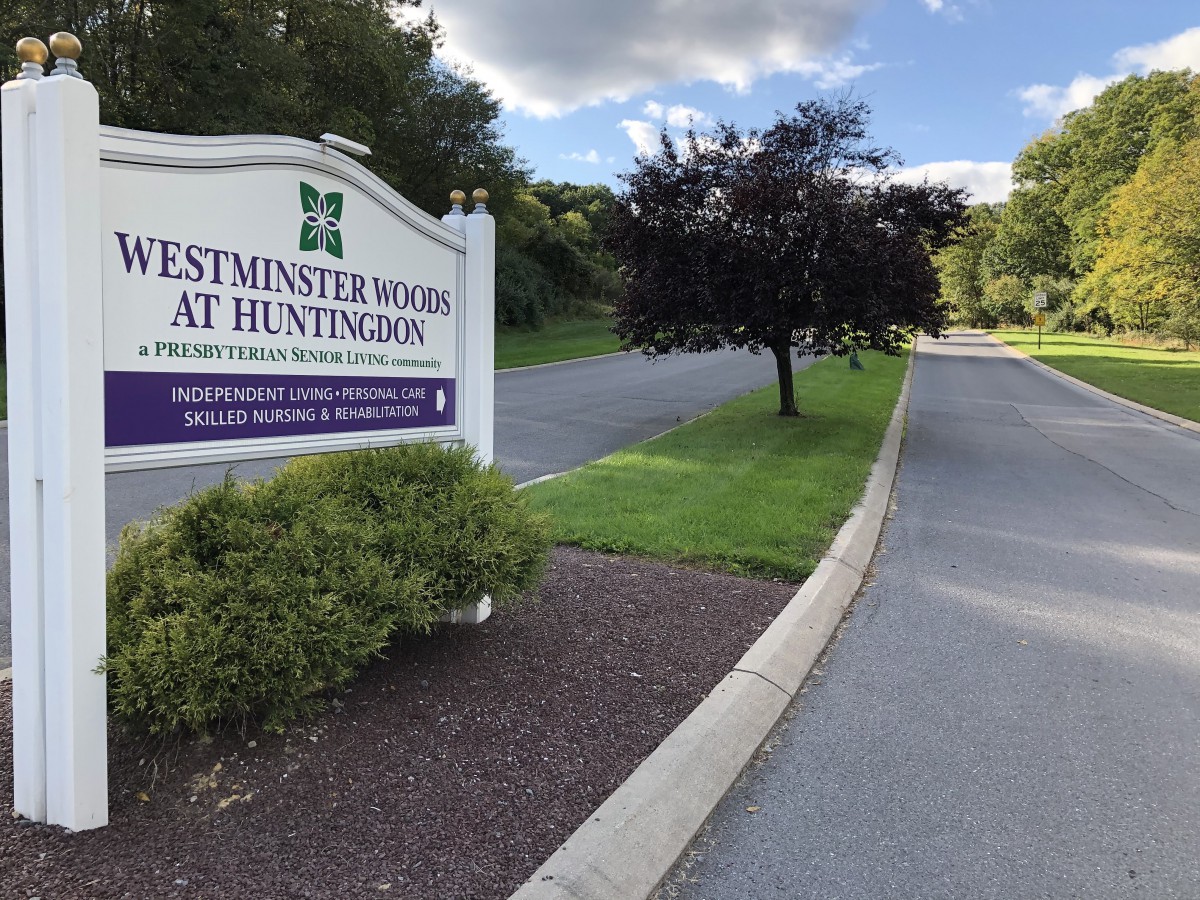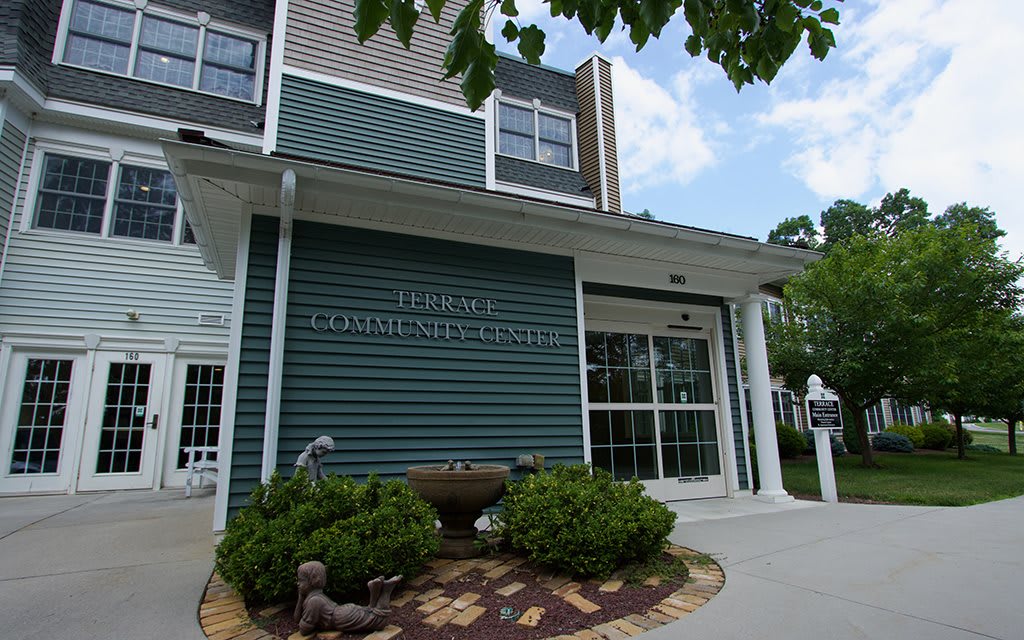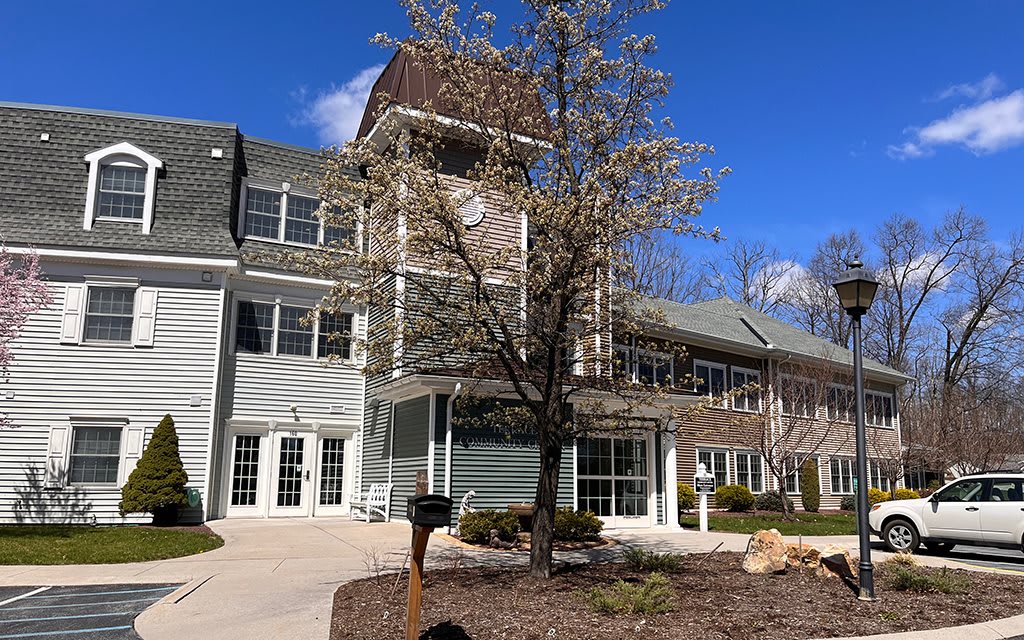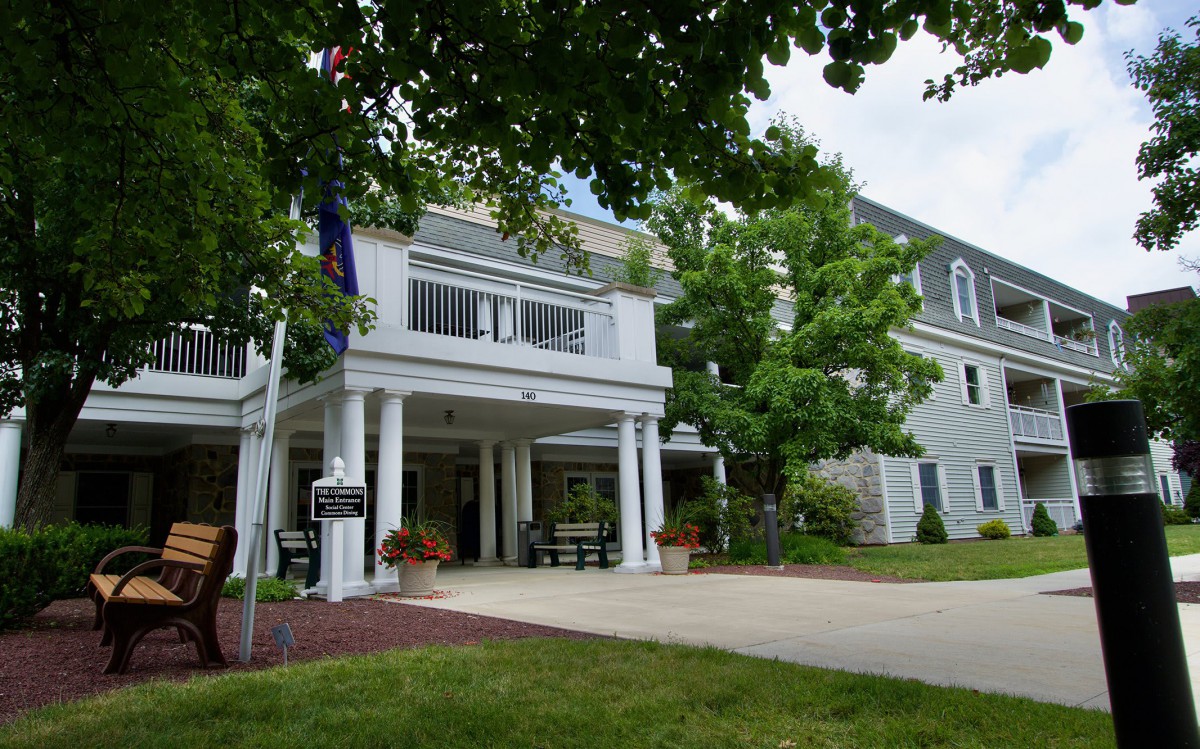
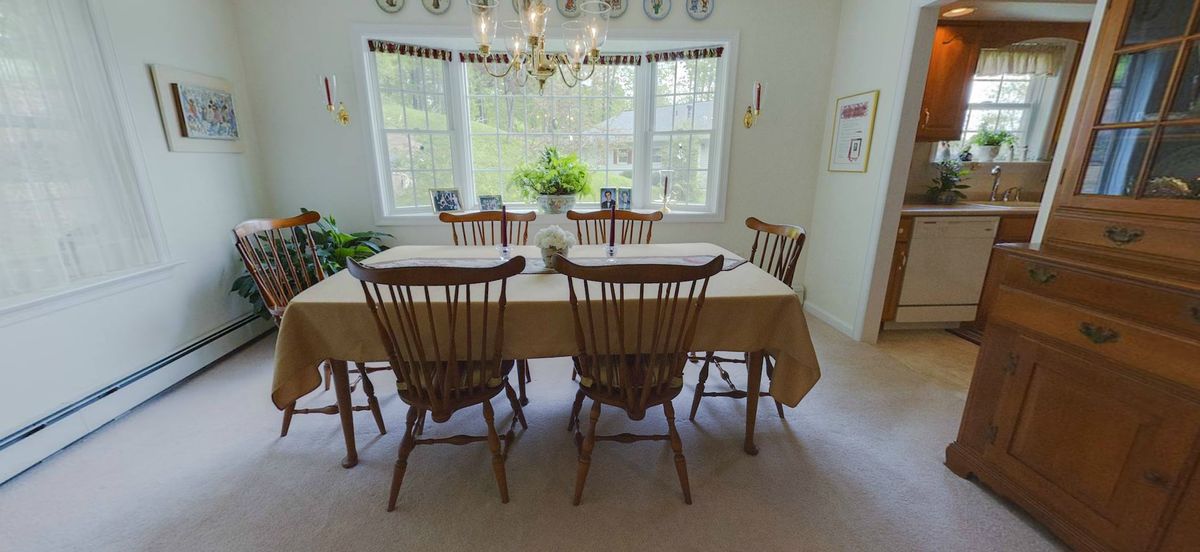
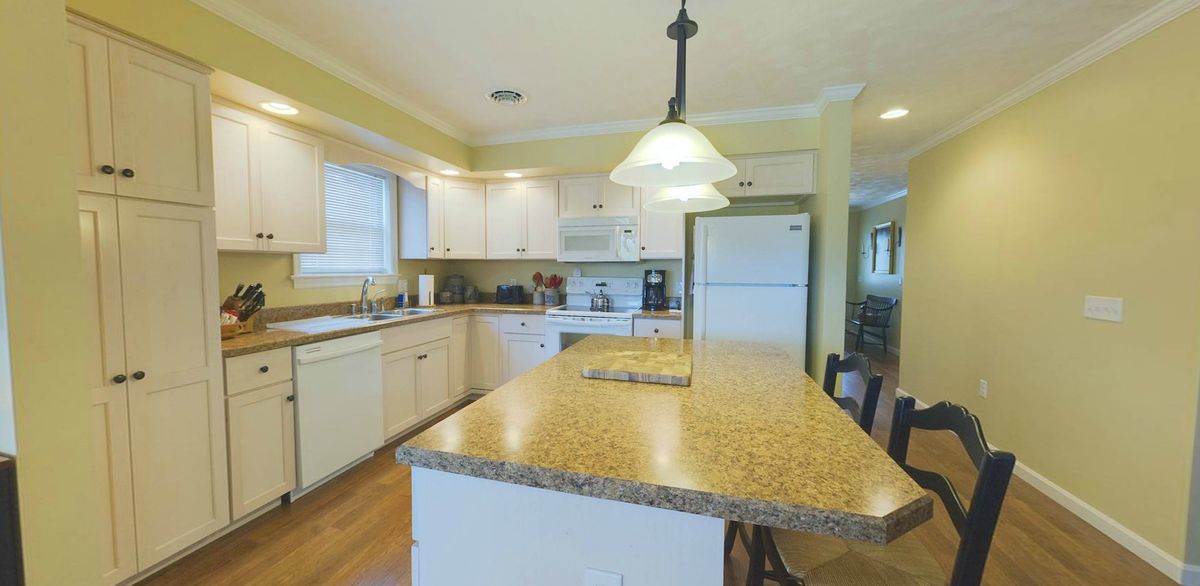
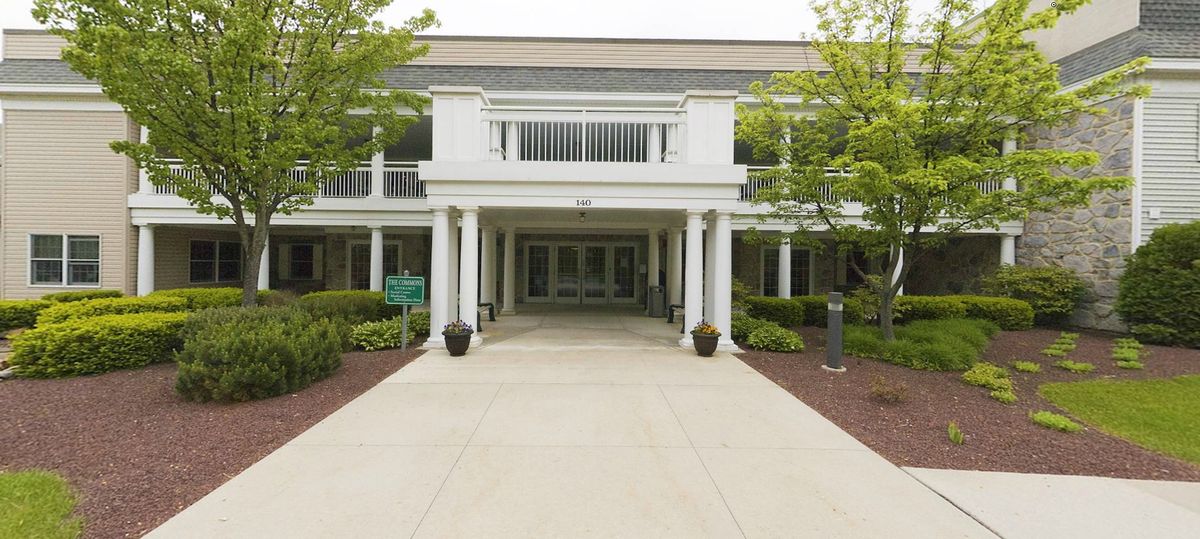
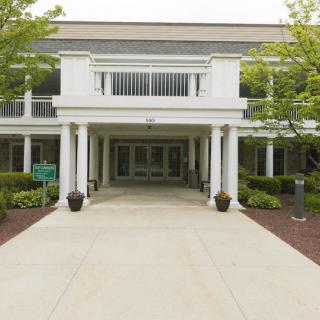
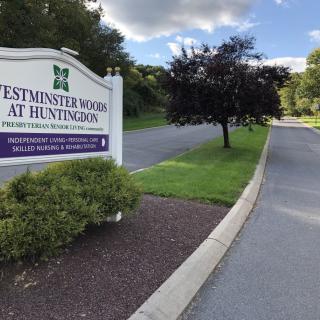
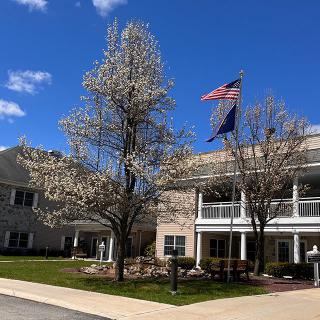
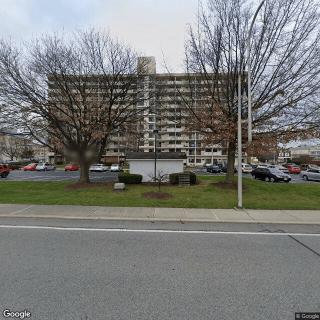
360 Westminster Drive, Huntingdon, PA 16652
For more information about senior living options: (866) 208-4318
Westminster Woods at Huntingdon Costs & Pricing
Westminster Woods at Huntingdon presents a range of living options with costs that reflect the quality and services provided. For those considering a semi-private room, the monthly fee is $5,610, which is notably higher than both the average in Huntingdon County at $4,355 and the statewide rate of $3,542 in Pennsylvania. For residents opting for a studio apartment, the cost rises to $6,240, again exceeding local averages; this contrasts with Huntingdon County's average of $5,660 and Pennsylvania's overall average of $3,737. These figures suggest that while Westminster Woods may carry a premium price point compared to its regional counterparts, many families might find value in the amenities and care services offered by this community.
| Floor plans | Westminster Woods at Huntingdon | Huntingdon County | Pennsylvania |
|---|---|---|---|
| Semi-Private | $5,610 | $4,355 | $3,542 |
| Studio | $6,240 | $5,660 | $3,737 |
Assisted Living communities with a similar price nearby
-
from +$390 / mo
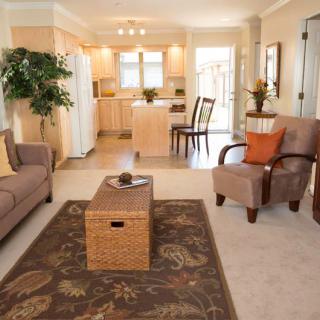
Foxdale Village
$6,000 / month20.7 miles away -
from -$570 / mo
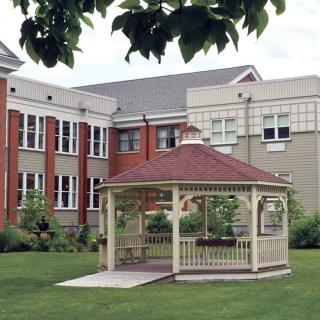
Presbyterian Village at Hollidaysburg
$5,040 to $5,790 / month21.3 miles away
Overall Review of Westminster Woods at Huntingdon
Pros
 The staff are friendly and caring, consistently responsive to residents’ concerns.
- The accommodations are excellent, with spacious, well-kept rooms.
- The community makes it easy for residents to form friendships and participate in activities.
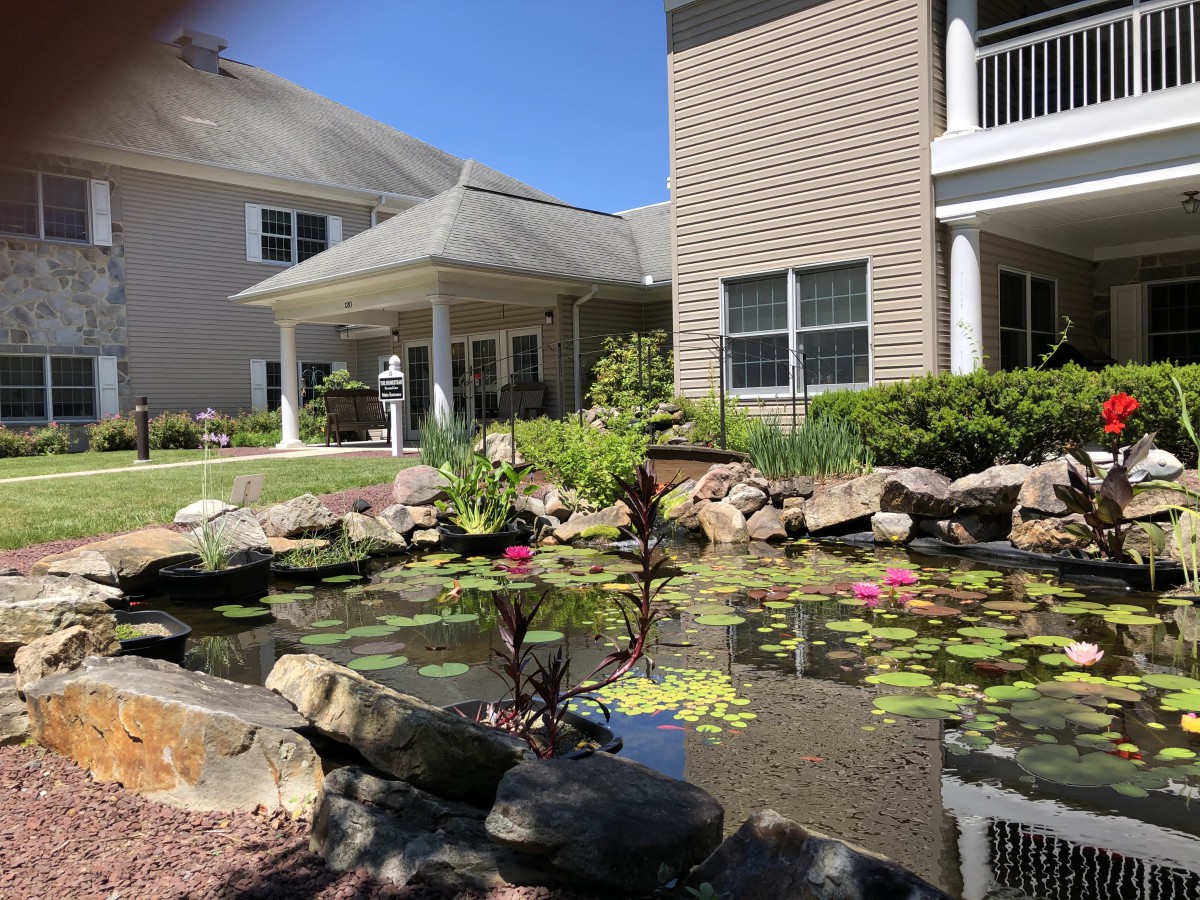
- The environment is beautiful and peaceful, with a location that’s minutes from Juniata College and downtown Huntingdon.
- Residents enjoy frequent events and programs, including exercise sessions and social activities.
- The atmosphere is welcoming, and the staff go the extra mile to support residents.
Cons
 Westminster Woods of Huntingdon was OK and smaller than many other facilities.
- The reviewer notes minor complaints about the food served to their great-grandmother.
- The reviewer comments that elderly residents are often unhappy with food choices, a common issue.
Review
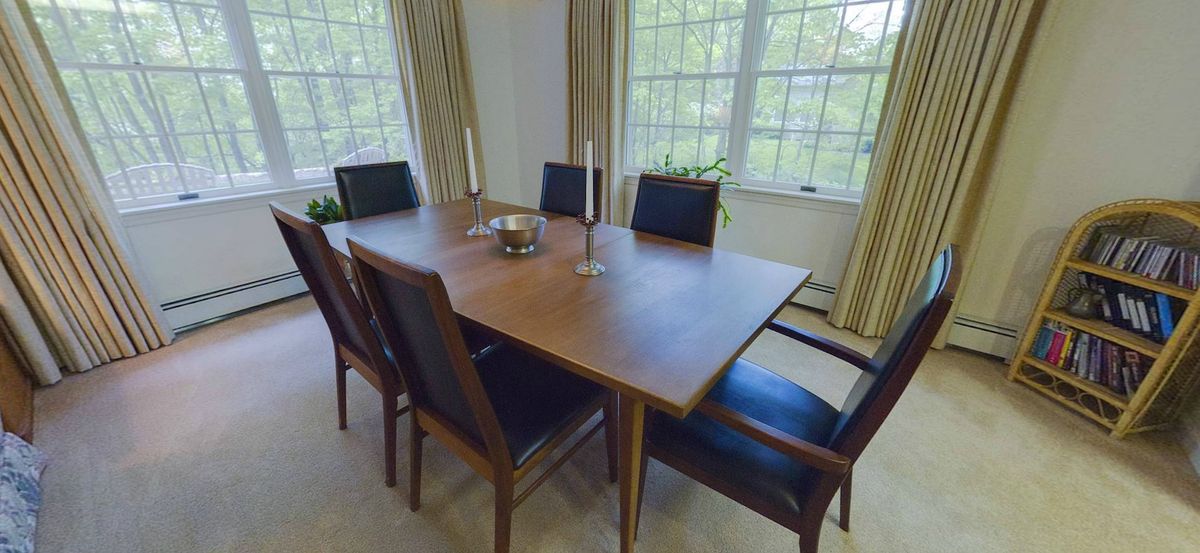
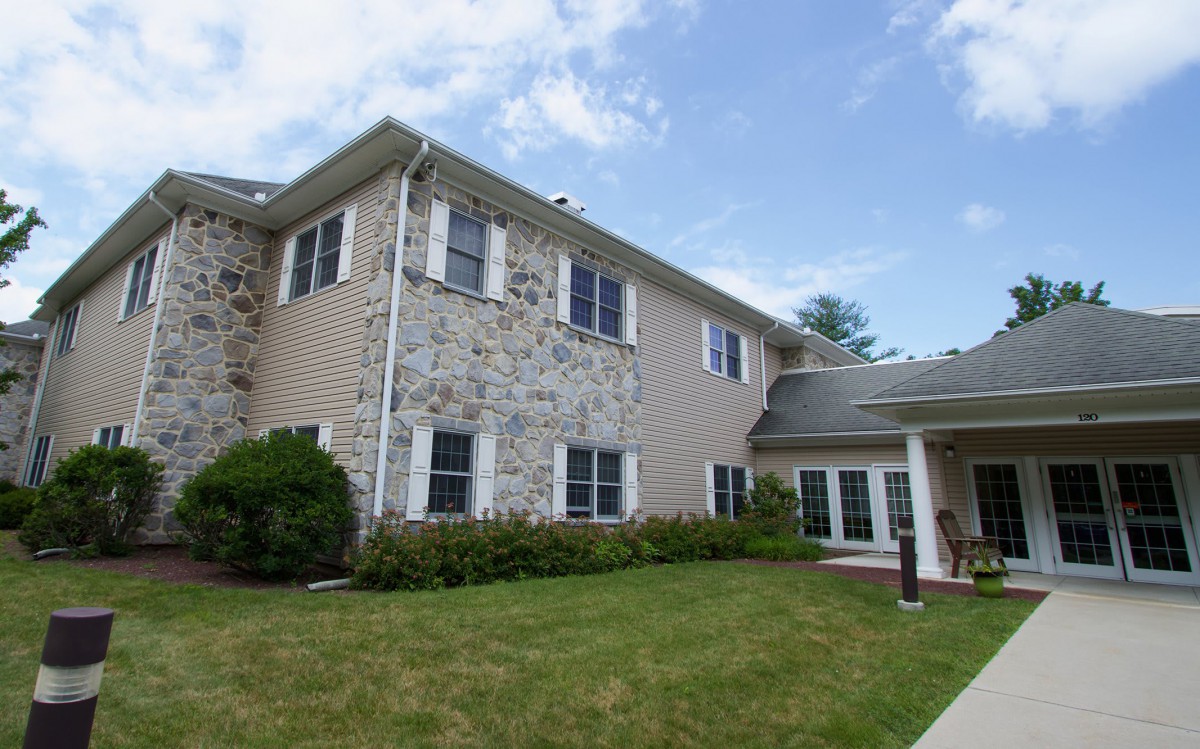
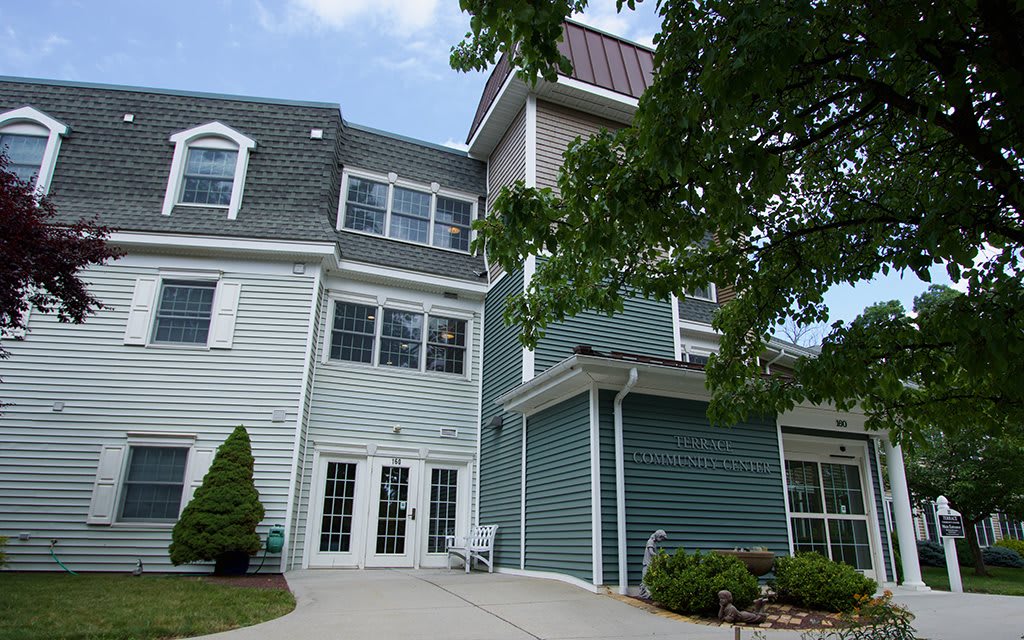
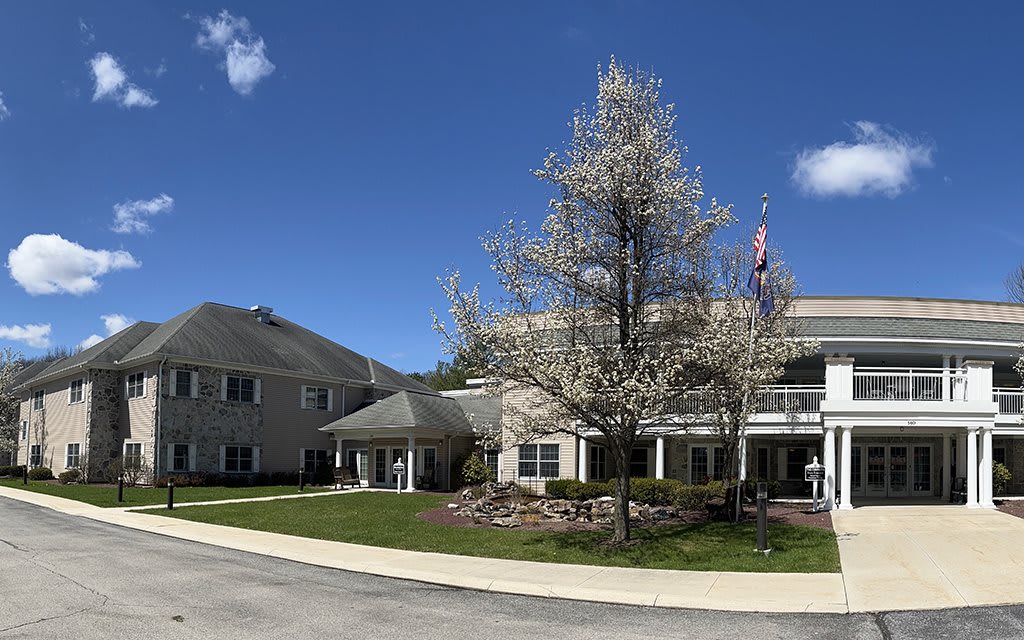
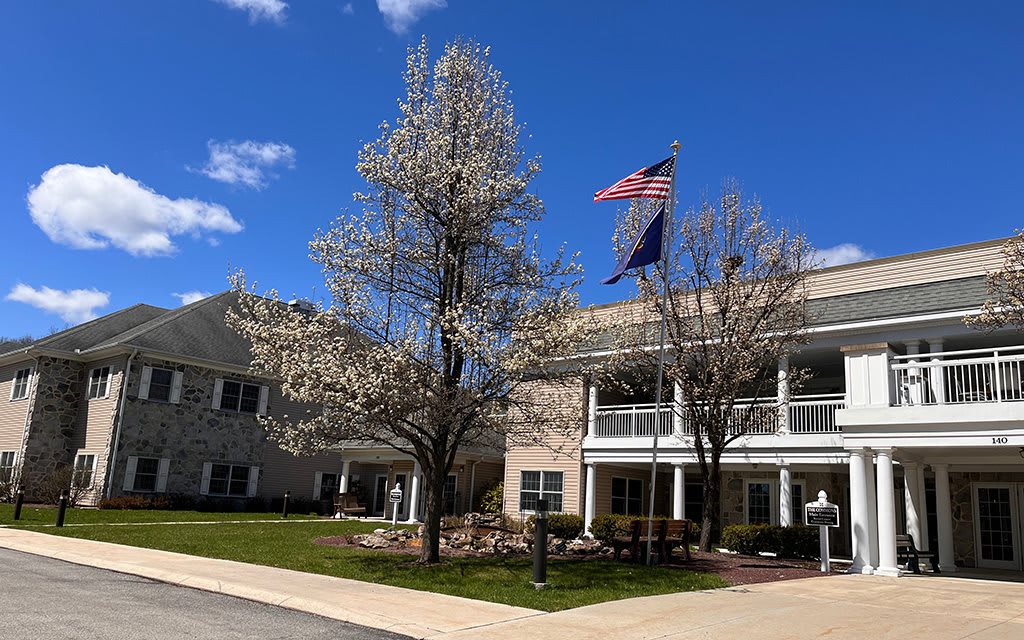
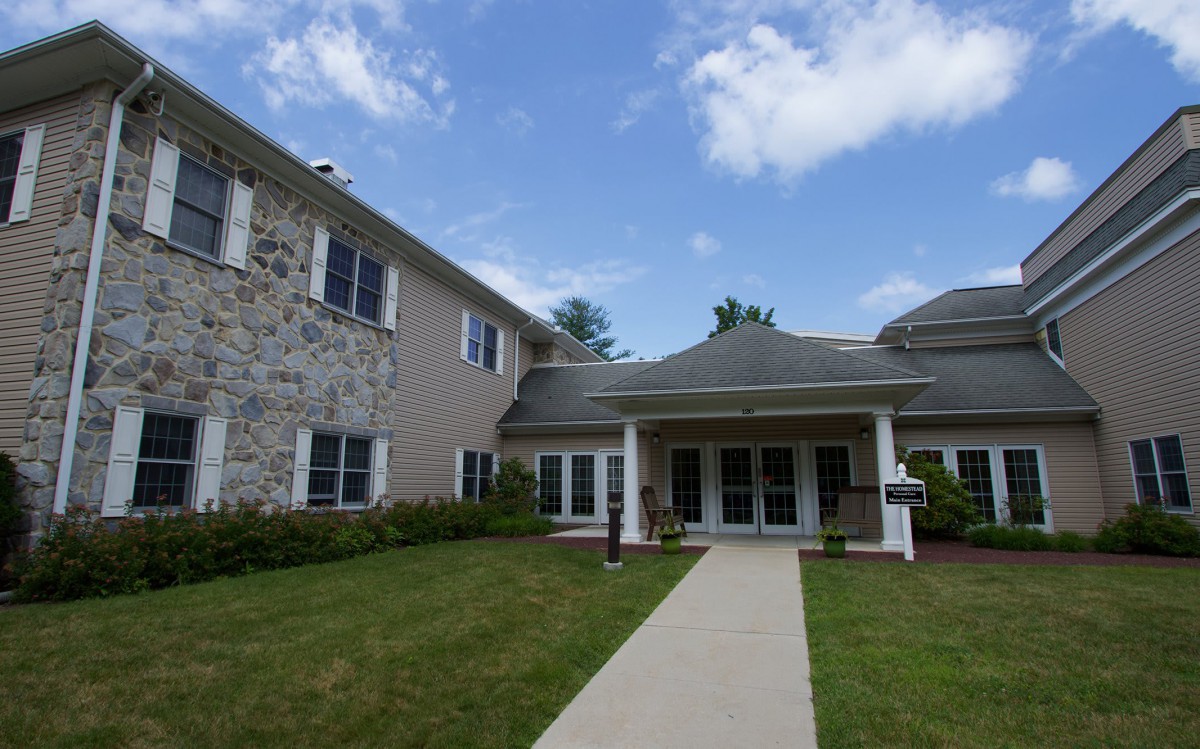
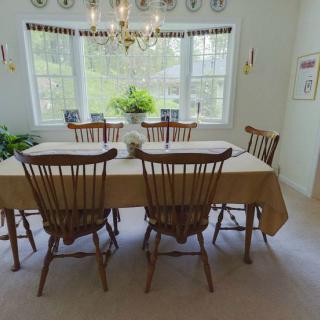
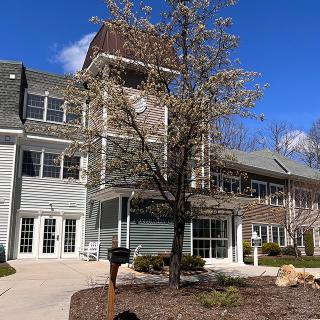
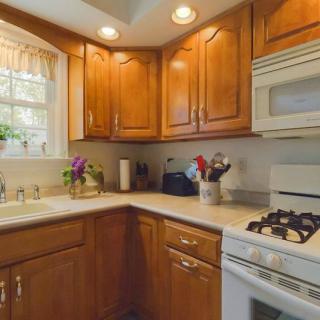
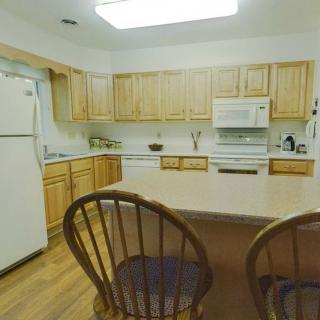
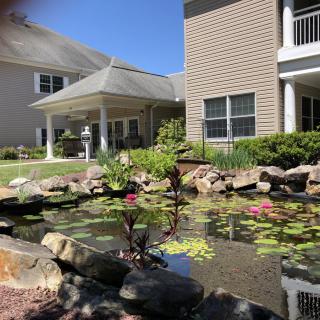
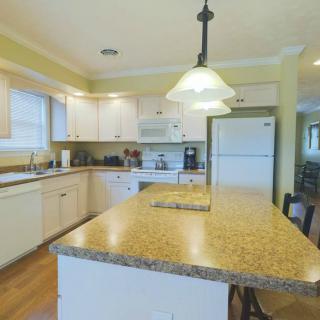
Westminster Woods at Huntingdon is best suited for families seeking a quiet, intimate assisted-living option in a woodland-setting just outside downtown Huntingdon, with easy access to Juniata College. It works well for residents who want a tight-knit, almost village-like, community where staff know individuals by name, daily routines are predictable, and social life happens close to home. The campus design supports independence within a homelike environment: spacious, house-style living arrangements and a small cluster of apartments foster familiarity, connection, and quick access to care when needed. For couples or solo residents who prize safety, personal attention, and a steady stream of social and recreational opportunities, Westminster Woods delivers a compelling, practical fit.
Those weighing alternatives should consider options with larger campuses, broader service menus, or memory-care specialization. The Westminster footprint is deliberately compact, which translates into fewer on-site amenities and a more limited menu of living arrangements than some larger communities offer. Pricing is private-pay, a crucial consideration for families navigating budget and long-term affordability, especially for those with tighter income constraints or who expect Medicaid-supported options. For families seeking robust memory-care programs, specialized dementia wings, or 24/7 physician-driven care, other communities with larger footprints and dedicated memory-care units may provide a more comprehensive fit.
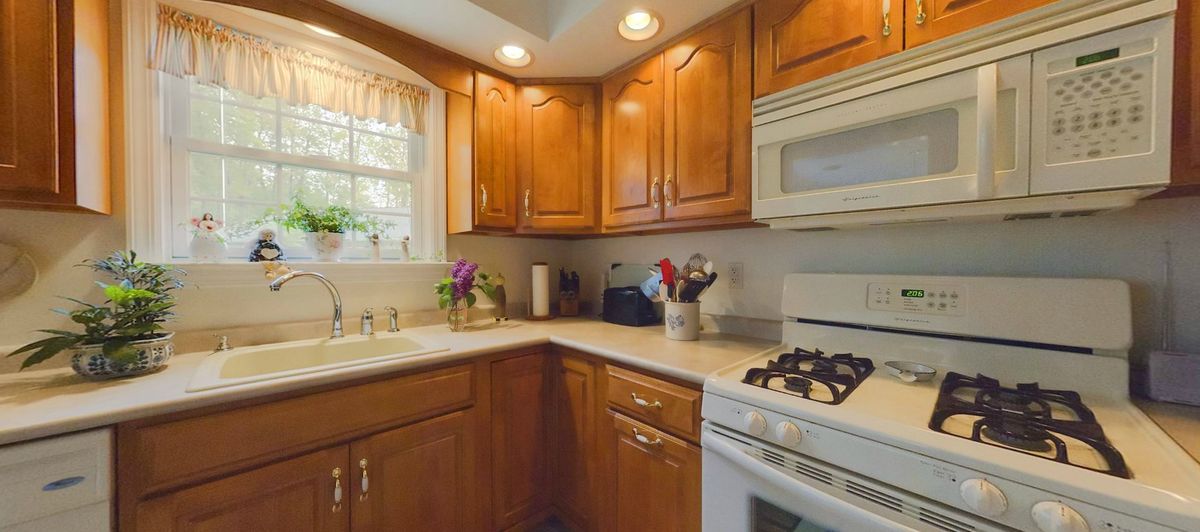
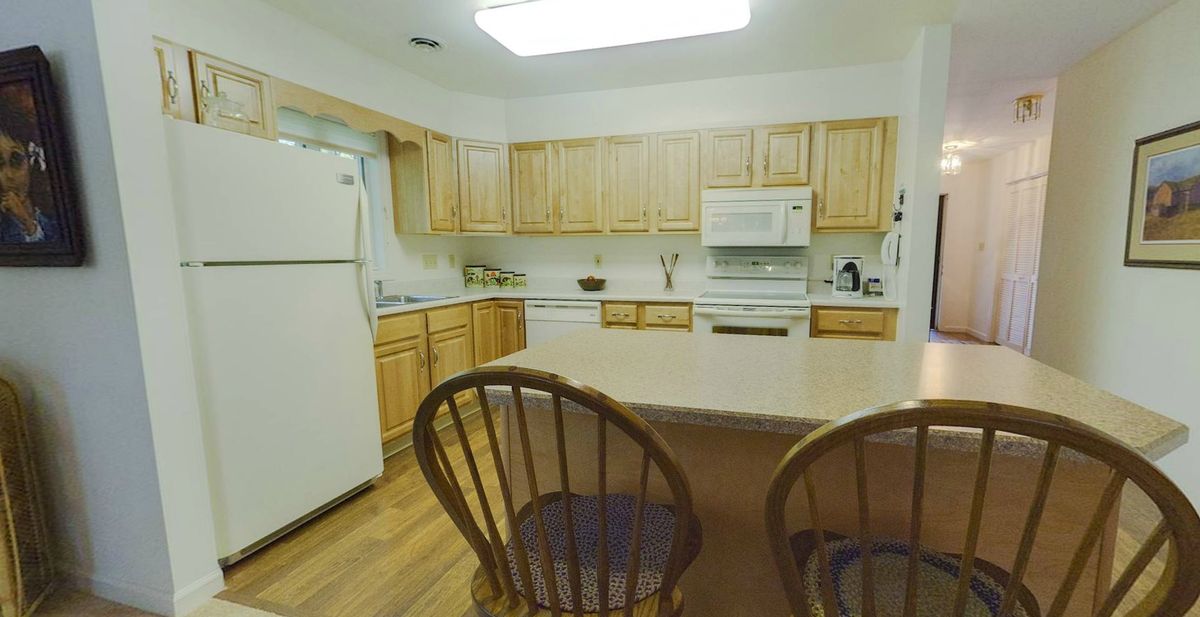
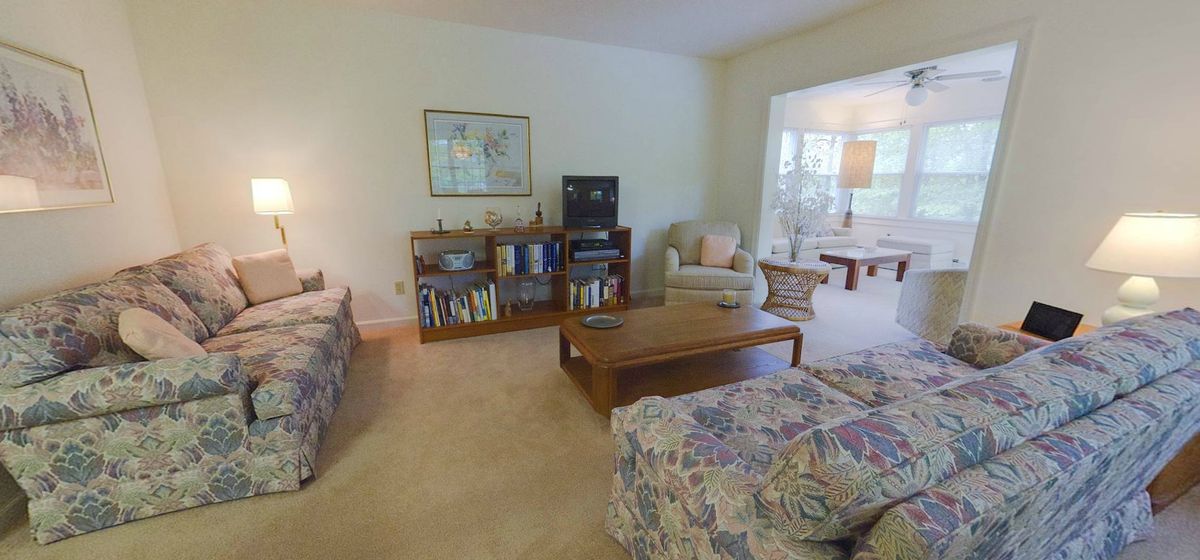
On balance, the strongest upside centers on people and lifestyle. Staff are consistently described as friendly, responsive, and genuinely caring, cultivating a sense of trust and security that permeates daily life. Accommodations are repeatedly praised as bright, spacious, and clean, with a range of floor plans that feel more like homes than institutional spaces. The social calendar is active, including regular exercise sessions and group activities that foster connection. A notable differentiator is the Juniata College partnership, which allows residents to attend college courses for free, enriching minds and broadening horizons without leaving the community. Meals, gatherings, and even the guest cottage experiences reinforce a warm, inclusive atmosphere that many families value highly.
That strong people-first framework does offset several practical drawbacks, but not all. The small size can feel limiting to some residents who crave more variety in programming or dining options; however, the intimate scale often translates into stronger staff accessibility and fewer anonymous experiences. The community’s pace is unhurried, which appeals to those who favor stability and routine over bustle, and this can reduce anxiety for residents who prefer a predictable day-to-day rhythm. Mild critiques about meals do surface in a few reviews, yet staff visibly respond to concerns and strive to tailor the dining experience. The policy emphasis on keeping residents in their homes until safety becomes an issue supports a stable environment, though it may feel restrictive for families seeking aggressive interventions or rapid escalation of care in crisis moments.
Memory-care needs require explicit alignment with the local offer. Experience across reviews shows capable, attentive nursing support in a calm setting, with staff who can respond to requests and adjust care as needs evolve. Yet Westminster Woods operates within a smaller, less specialized framework than dedicated memory-care facilities, so families should verify whether the current level of cognitive-support programming meets the resident’s specific requirements. For those with advanced dementia or behaviors requiring intensive supervision, it’s prudent to compare with communities that feature secure design elements and more pronounced memory-care pathways.
For families seriously considering Westminster Woods, the next steps should be practical and focused. Schedule extended visits that allow observation across mornings, meals, and activities; meet the activities director and ask to participate in or watch a class to gauge engagement quality. Inspect the living spaces, especially the houses at 1350 to 1700 square feet, and confirm how shared spaces function for mobility and safety. Inquire about the Juniata College partnership in concrete terms: course availability, enrollment limits, and any costs beyond tuition coverage. Finally, obtain the exact financial terms and confirm what private-pay means in practice, including any anticipated increases and what services are included. If these elements align with the goal of a close-knit, engaging, home-like setting in a peaceful small-town environment, Westminster Woods stands out as a practical, well-regarded choice. If, however, the priority is broad programming, advanced medical assets, or specialized memory-care amenities, exploration of alternatives is warranted before making a final commitment.
 34 resident community capacity
 Assisted Living
 Continuing Care Retirement Community (CCRC)
 Independent Living
 Memory Care
 Respite Care
 Skilled Nursing Facility
 Activities on-site
 Beauty salon
 Cable or satellite TV
 Devotional services off-site
 Fully furnished
 Garden
 Housekeeping services
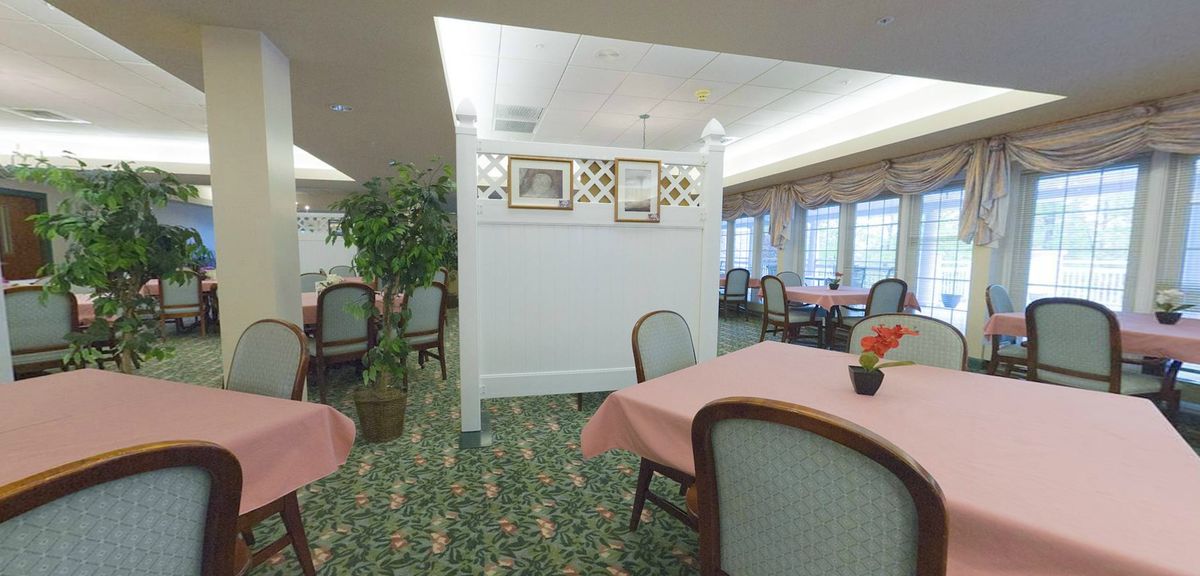
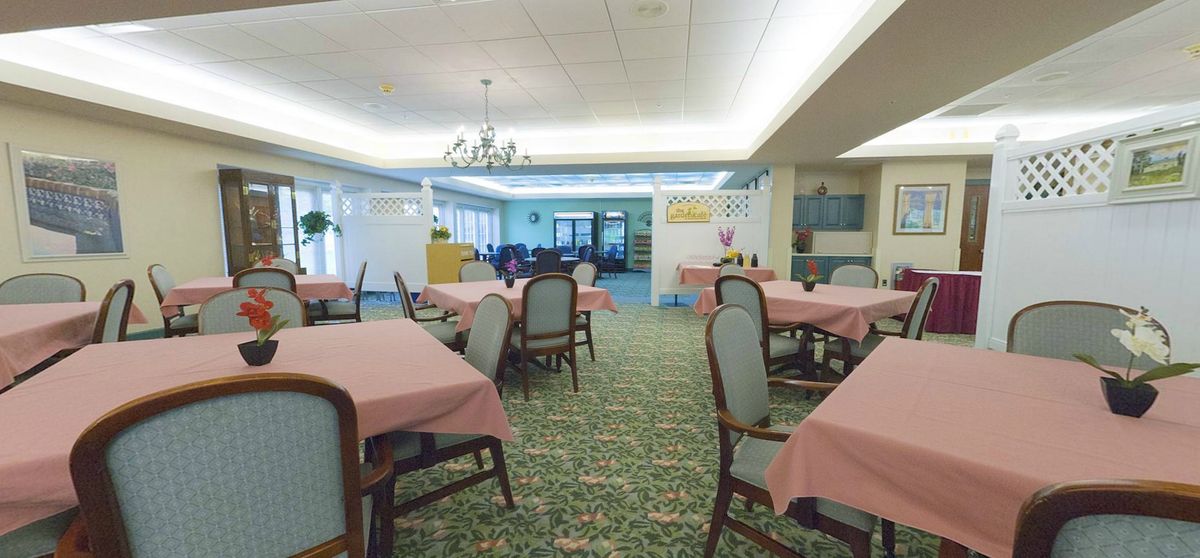
 Indoor common areas
 Kitchenette
 Move-in coordination
 Outdoor space
 Private bathrooms
 Wi-Fi/high-speed internet available
 University Park (25 miles away)
 Community operated transportation
 24-hour call system
 Ambulatory care
 Assistance with bathing
 Assistance with dressing
 Assistance with transfers
 Diabetes diet
 Diabetic care
 Meal preparation and service
 Medication management
 Special dietary restrictions
 Fitness programs
 8 Key Indicators That Suggest It May Be Time to Transition from Assisted Living to Skilled Nursing Care
 Nourishing the Mind: Essential Dietary Approaches for Dementia
 Understanding Dementia Behaviors: Practical Insights and Strategies for Caregivers