
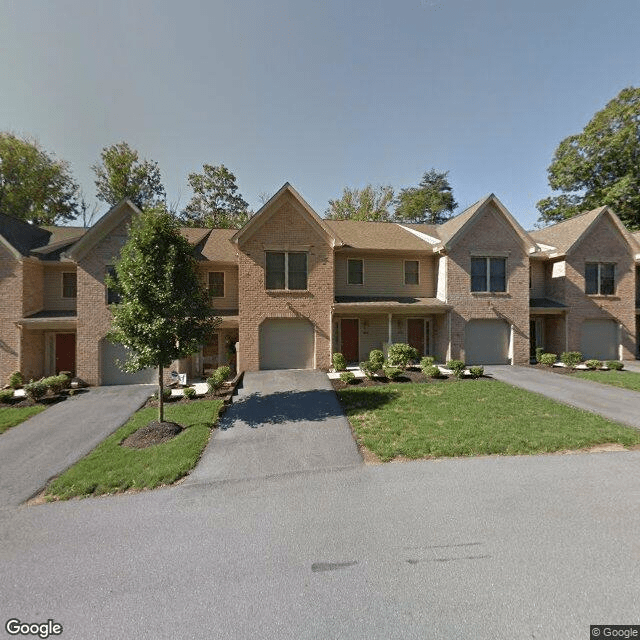
537 Pond View Court, Harrisburg, PA 17110
To contact a resident: (717) 510-8613
For more information about senior living options: (866) 208-4318
Overall Review of Options for Senior America - Harrisburg, PA
Pros
 Options out of Harrisburg is proactive and provides wonderful caregivers, including hospice-specialized staff, leading to a wonderful experience.
- The Options caregiver is heaven-sent and helps the father become more stable and lead a happier life, and has become part of the family.
- The agency's care provider is a godsend and has taken wonderful care of the mother during the most difficult times.
- The caregiver who drives 45 minutes each way demonstrates dedication and delivers excellent care.
- Options has been consistently reliable, with high-quality caregivers and care.
- The second caregiver provided by Options has worked out well for the family.
Cons
 The first caregiver Options sent them was not a good fit at all.
Review
Options for Senior America in Harrisburg is best suited for families seeking rapid, flexible in-home senior care with hospice-capable support and a strong emphasis on personalized caregiver matching. This agency shines when a client needs to start services quickly and wants a compassionate, highly involved caregiver who can become a trusted member of the family. The right fit often translates into steady, attentive daily care, with pricing that remains reasonable and responsive to changing needs. This is not a facility decision; it is a home-care path where the quality of life hinges on the human element, the caregiver who actually shows up and how well that person aligns with the client’s routines, values, and medical requirements.
That said, some families may want to consider alternatives. If permanent residency in a building with built-in staff is the primary goal, or if a guaranteed, uniform caregiver roster is essential regardless of personal fit, a traditional assisted living or a facility-based model may be preferable. The reviews consistently point to a critical truth: outcomes depend heavily on the individual caregiver, not the agency as a static entity. For households that prioritize a high degree of staffing continuity, a plan with explicit guarantees, or a slower, more controlled caregiver-selection process, exploring other providers with stronger contractually guaranteed assignments could prevent mismatches and delays.
The strongest pros are strikingly persuasive against the main drawbacks. Immediate availability to start services and reasonable rates make this option practical when time is of the essence, such as during transitions from hospital to home or when specialized support is suddenly needed. Proactive coordination and access to hospice-experienced caregivers are meaningful advantages that can stabilize a difficult situation and restore a sense of normalcy. When a caregiver truly fits the family, exhibiting dependable reliability, excellent attitude, and genuine compassion, the relationship becomes more than routine care; it becomes a stabilizing, even uplifting, element of daily life. The flip side is clear: initial caregiver mismatches can occur, underscoring the reality that the agency’s success rests on effective matching and responsive adjustments.
To maximize value, families should demand a structured caregiver-matching process from day one, with clear criteria about hospice experience, temperament, and daily routines. Insist on a plan for rapid-start needs and regular supervisory check-ins to confirm ongoing compatibility. Given the emphasis on personal fit, prepare to participate actively in the matchmaking: provide timely feedback after caregiver introductions and be explicit about preferences, boundaries, and escalation steps if a caregiver isn’t a good match. A transparent contingency plan, backup caregivers, explicit replacement timelines, and clear communication channels, will transform potential friction into a path to durable care.
Operationally, the agency’s track record in hospital-to-home transitions, nurse referrals, and rapid responsiveness matters. Caregivers who may drive long distances demonstrate a willingness to prioritize the client’s needs, a meaningful sign of commitment even when scheduling becomes complex. Families consistently report that the right caregiver can become an almost familial presence, bringing warmth, reliability, and a cooperative spirit to the care team. The main risk remains caregiver variability; even excellent agency support cannot compensate for a persistent misalignment between a caregiver’s style and a client’s expectations. Vigilant, upfront matching is the antidote to this risk.
In the end, Options for Senior America in Harrisburg stands out for households that prize quick starts, hospice-informed in-home care, and caregivers who can become trusted, almost family-like members of the support system. It is less well-suited for those needing fixed residency with guaranteed, monogamous staffing regardless of personal fit. The recommended stance is proactive: insist on a thorough intake, insist on a rigorous caregiver-matching process, and maintain a pragmatic contingency plan. When the match is right, care is personal, steady, and genuinely transformative, delivering not just help with daily tasks, but reassurance, dignity, and continuity for both clients and their families.
 Harrisburg International (10 miles away)







 Comprehensive Approaches for Arthritis: A Detailed Guide to Symptoms, Causes, and Care
 Comprehensive Insights and Practical Strategies to Help Older Adults Avoid Falls
 6 Crucial Ways an Elder Law Attorney Assists Families