Ecumenical Retirement Community in Harrisburg, PA

Save

  • Interior

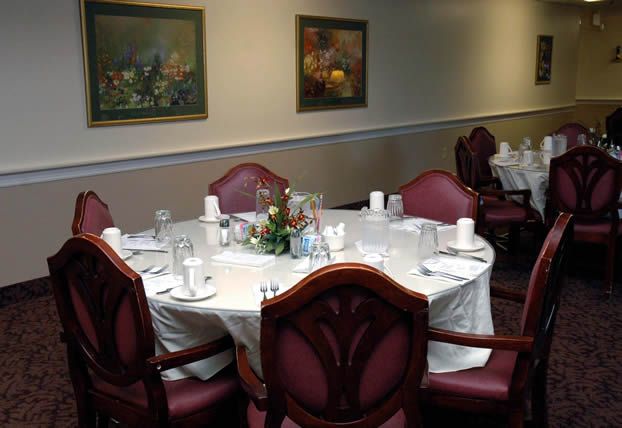
    A formal dining room setup with a round table, white tablecloth, and elegant chairs, surrounded by artwork on the walls.
  • Decor

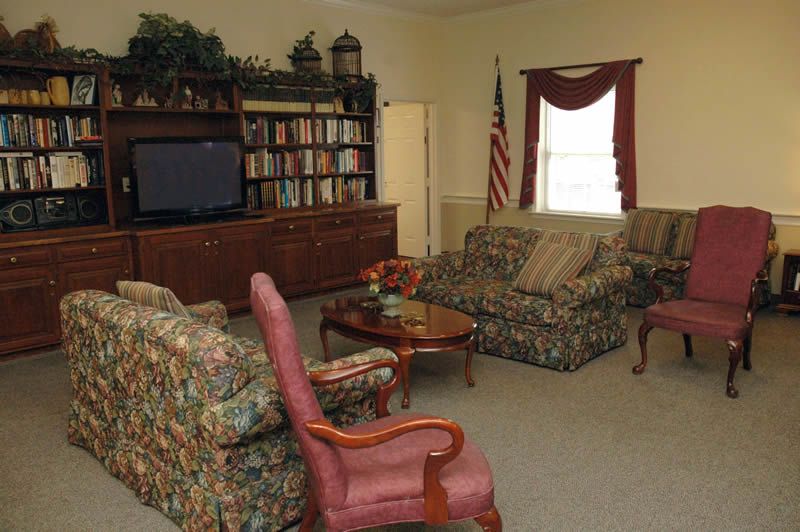
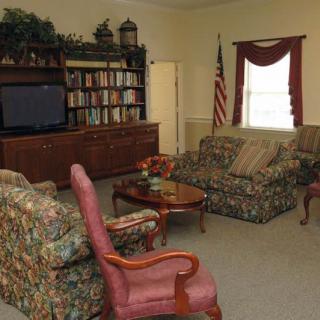
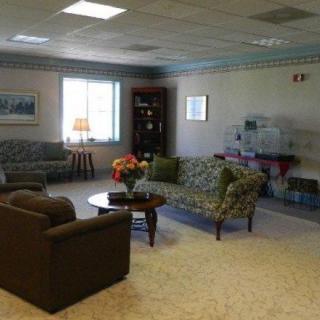
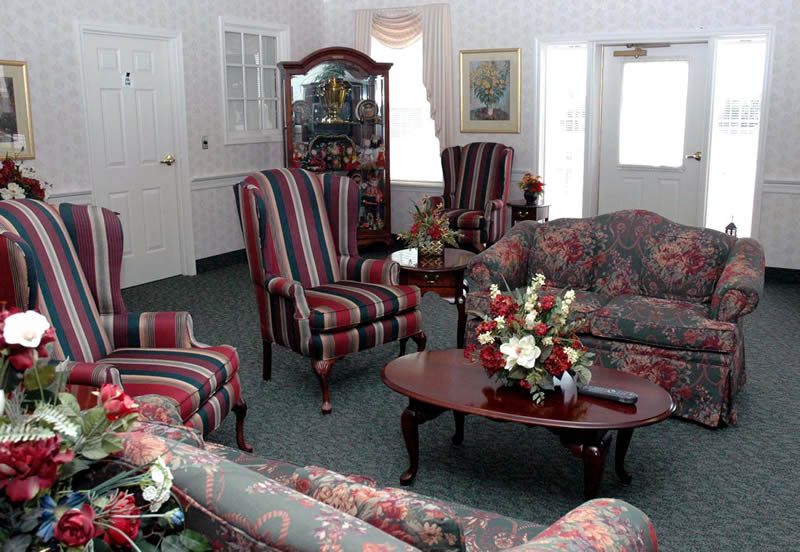
    A cozy living room with patterned sofas and armchairs, a TV, and a bookshelf.
  • Living Room

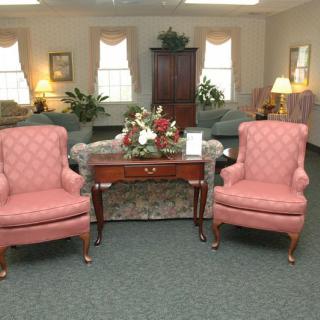
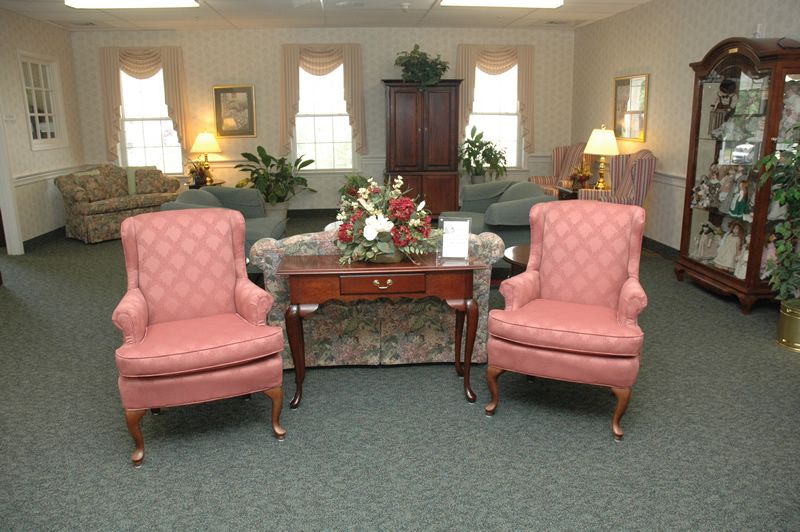
    A cozy living room with two pink armchairs, a wooden coffee table, and various plants for decoration.
  • Building

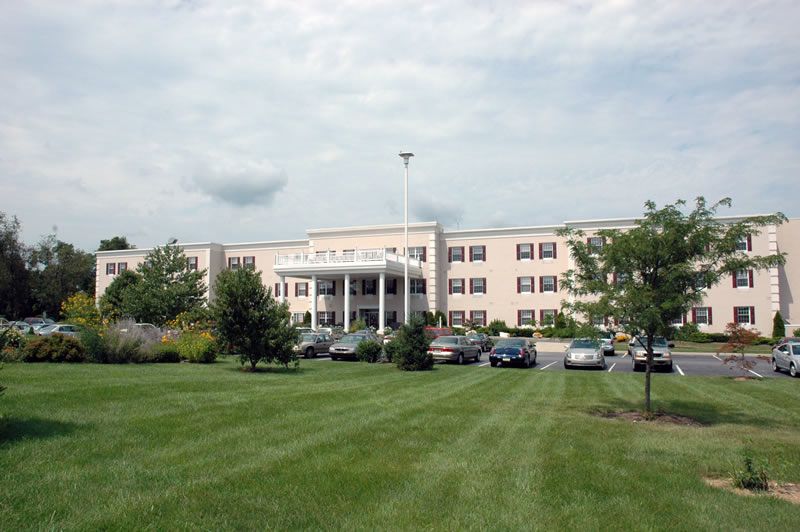
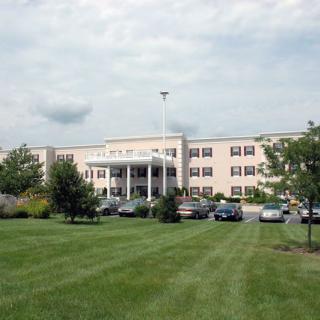
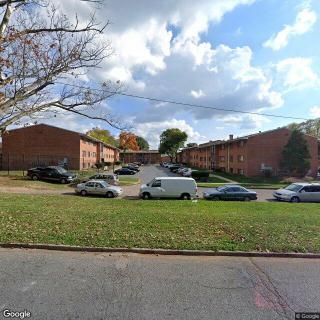
    A view of a hotel building with a well-maintained lawn and parked cars under a cloudy sky.
  • Architecture

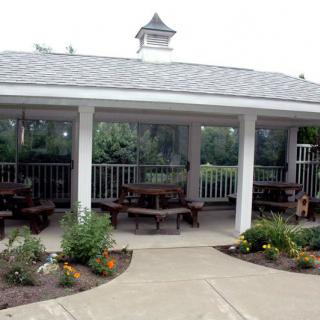
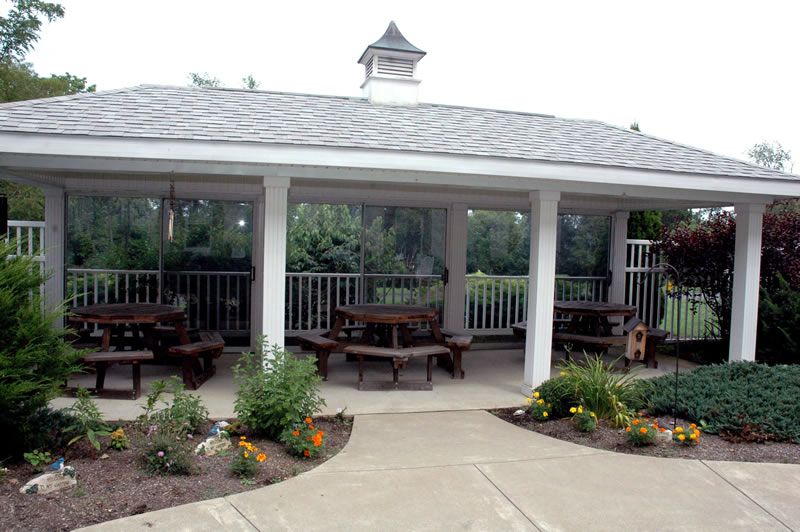
    An outdoor gazebo surrounded by a garden with several picnic tables inside.
  • Windows

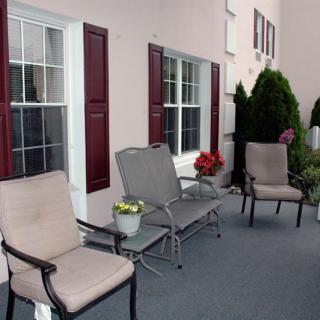
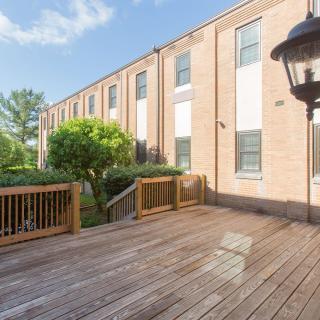
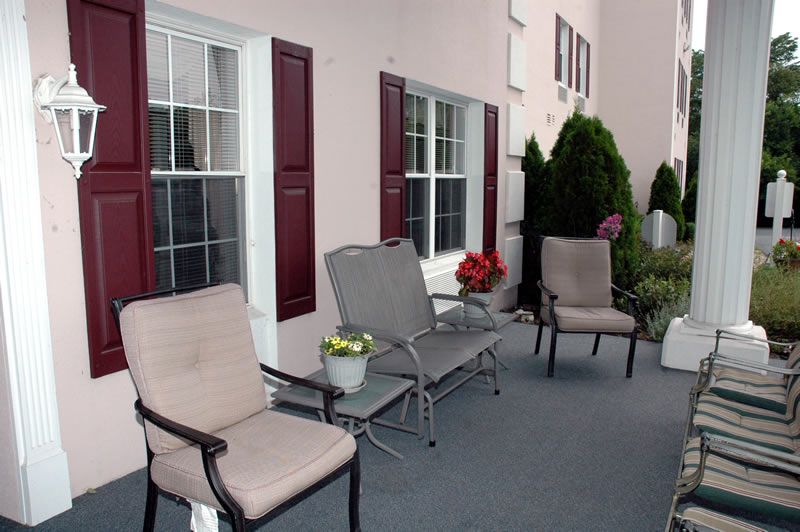
    A cozy outdoor patio area with chairs and decorative plants.
  • Artwork

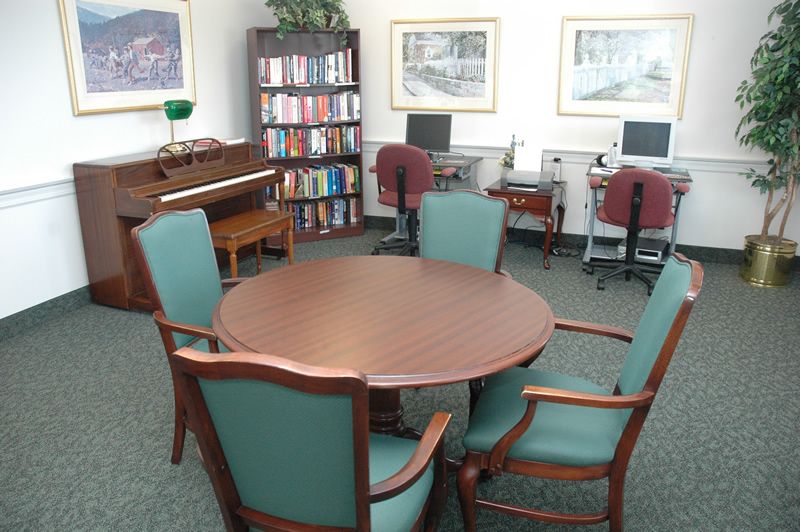
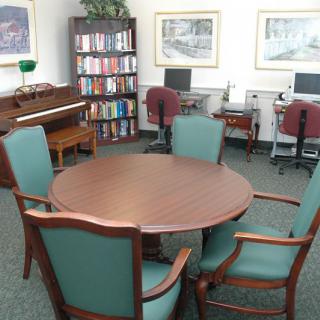
    A meeting room with a round wooden table, green upholstered chairs, a bookshelf filled with books, two computers on desks, a piano, and framed artwork on the walls.
  • Game Room

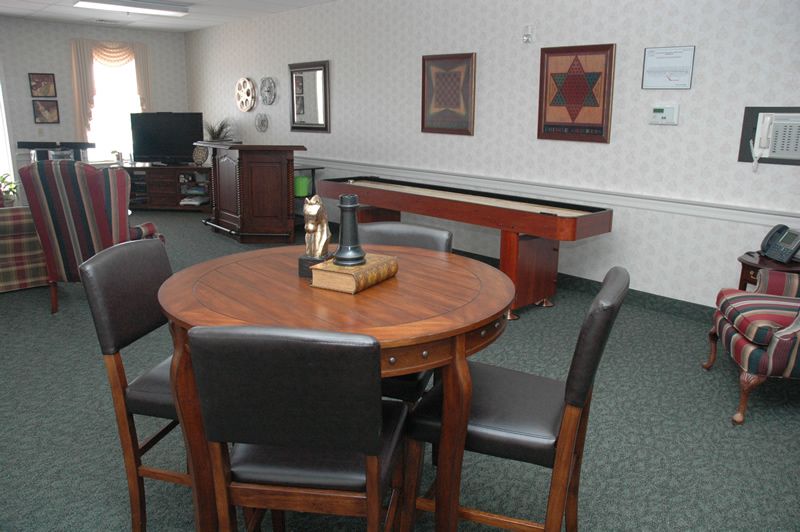
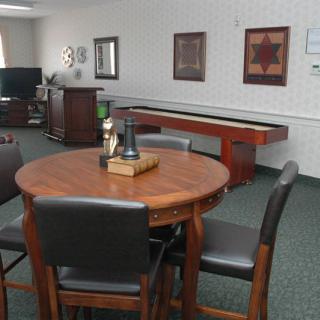
    A cozy game room setup with a round wooden table and chairs, featuring a shuffleboard table in the background.

Ecumenical Retirement Community in Harrisburg, PA

Information last verified:

624 Wilhelm Road, Harrisburg, PA 17111

For more information about senior living options: (844) 490-3973

4.5 from 74 reviews
5 stars
61
4 stars
4
3 stars
1
2 stars
1
1 stars
7

Seniors.FYI Elite Community Awards

Top 5% Senior Living Community in 2026

Add this award to your website

Overall Review of Ecumenical Retirement Community

Pros

  • pro Ecumenical Retirement Community is described as an answer to prayers, with loved ones feeling happier after moving in.
  • pro Residents’ overall health and well-being improve through living in a caring, social, and active community.
  • pro The staff are professional, attentive, friendly, and genuinely caring for residents.
  • pro The facility is consistently clean and well maintained.
  • pro The meal options and dining times are excellent and well received.
  • pro The setting is beautiful and the atmosphere is warm, welcoming, and home-like.
  • pro The move-in and admission process is smooth, with staff providing clear, helpful guidance.
  • pro There are abundant activities and opportunities to socialize, helping residents make friends.
  • pro The memory care unit is described as heaven-sent, with angels-like staff providing compassionate care.
  • pro Families have peace of mind knowing their loved ones are safe, well cared for, and treated with dignity.
  • pro The community feels like an all-inclusive resort, with comprehensive amenities and services.
  • pro The grounds are well kept, featuring gardens, walking paths, and pleasant outdoor spaces open to residents.

Cons

  • pro This place is a complete joke.
  • pro The facility often smells unclean.
  • pro There aren’t enough staff to provide adequate care.
  • pro The day-to-day assisted living care is more minimal maintenance than truly assisted living.
  • pro The communication with families is very limited and concerns go unaddressed.
  • pro Ecumenical staff let a resident wander all the way down to the street, indicating poor safety.

Review

Ecumenical Retirement Community in Harrisburg is best suited for seniors who want an active, socially rich environment that remains affordable, with a clear path to higher levels of care if needed. The community excels for residents who value daily activities, good meals, and a welcoming, home-like atmosphere. Families seeking reassurance through steady staff engagement, open communication, and predictable routines will find Ecumenical a dependable option. It particularly shines for those entering independent living or memory care, where compassionate staff, meaningful social options, and a strong sense of place can translate into steadier health and happier days. The setting, clean, well-kept, and inviting, amplifies the sense of belonging and daily purpose that many residents describe as the core benefit of living there.

On the upside, the most reliable strengths are evident in the people who work there and the culture they cultivate. Reviewers repeatedly praise the staff for being professional, attentive, and genuinely caring, with administrators and admissions partners like Treva Nell and Jason Turri singled out for facilitating transitions smoothly and answering questions with patience. Residents consistently remark on the abundance of activities, the quality and variety of meals, and the overall maintenance of the facilities. The independent living apartments are described as comfortable, often with ideas like pet-friendly layouts and all utilities included, which lowers monthly stress and helps families plan around a fixed budget. The memory care unit, in particular, earns high praise for its compassionate staff and structured, engaging programming that tends to stabilize cognitive and emotional well-being.

Yet, several recurring concerns temper the otherwise positive picture. A number of reviews point to inconsistent staffing levels and variation in day-to-day assisted living care, suggesting that some days feel more like maintenance support than deeply hands-on living assistance. Complaints about smells or cleanliness in some areas, along with occasional maintenance or communication gaps, hint at a facility that can be excellent in parts but uneven across departments or shifts. The most troubling feedback centers on moments when residents allegedly did not receive timely medications or supervision, coupled with reports of high staff turnover and uneven experiences between building 1–2 and the more favored building 3. These threads underline a real caution: expectations for round-the-clock, highly proactive care may outpace the current staffing realities in spots.

Those considering Ecumenical should weigh the pros against these cons with a clear yardstick: for many families, the offsetting benefits, peace of mind, social vitality, and dependable family updates, often outweigh the downsides of occasional staffing gaps or building-specific inconsistencies. The presence of a well-regarded ambassador program and the ongoing involvement of compassionate leaders means transitions can feel personalized and considerate, reducing the stress of change. For families balancing affordability with quality, Ecumenical’s perceived value, strong safety, welcoming residents, and robust activity calendars, creates a compelling case, especially for those who want an easy escalation path within the same community should care needs increase. In short, the positives tend to dominate when expectations hinge on staff kindness, resident engagement, and a homey environment.

For families that prioritize robust, high-touch daily care or have residents with complex medical needs requiring constant nurse attention, alternatives may be worth exploring. The sentiment that day-to-day assisted living care can be less intensive than hoped, and that some departments have higher turnover, suggests that a different community with a higher staff-to-resident ratio and more uniform daily care might deliver greater consistency. Price alone should not mask these realities, as the facility is often described as a budget-friendly option relative to others in the area. Prospective residents with especially high needs for medication management, wandering risk, or rapid escalation of care should compare other options where staffing models and dementia care programming are more standardized and longer-tenured.

Practical next steps sharpen the decision: visit Ecumenical with a focused list of questions about staffing hours, nurse availability, and how care plans are executed day-to-day. Inquire about memory care programming specifics, incident reporting, and any building-level differences in dining, housekeeping, and activity offerings. Request a trial period or ambassador Meet-and-Greet to gauge how residents interact with new arrivals and how staff follow up on individual concerns. Tour multiple buildings to observe cleanliness, noise levels, and the responsiveness of the front desk and care teams. Finally, map out costs precisely, what is included in month-to-month pricing, what incurs extra charges, and how fees might evolve as needs change, and compare those figures against other Harrisburg-area options with similar service levels. Ecumenical remains a compelling choice for families who want warmth, community, and a credible ascent path in care, provided the visit confirms the expected consistency and staffing stability across the campus.

Features

Housing

  • 88 resident community capacity 88 resident community capacity

Types of Care

  • Assisted Living Assisted LivingAssisted living facilities provide crucial support and care for seniors who may need help with daily tasks such as medication management, bathing, and meal preparation. These communities offer a safe and comfortable environment where seniors can maintain their independence while receiving the assistance they need to thrive in their golden years.
  • Independent Living Independent LivingIndependent living communities are important for seniors because they offer a safe and supportive environment where older adults can live independently while still having access to amenities and services that enhance their quality of life. These communities provide social opportunities, recreational activities, and assistance with daily tasks, promoting overall well-being and allowing seniors to maintain their independence for as long as possible.
  • Memory Care Memory CareMemory care is crucial for seniors as it provides specialized support and services for individuals with dementia or Alzheimer's disease. These programs offer a safe and secure environment where residents receive personalized care, cognitive stimulation, and help with daily activities. Memory care helps seniors maintain their independence, quality of life, and dignity while also providing peace of mind for their families.
  • Respite Care Respite CareRespite care provides temporary relief for caregivers, allowing them to recharge and attend to their own needs. It also gives seniors the opportunity to socialize, receive professional care, and experience a change of scenery, promoting overall well-being and reducing feelings of isolation.

Amenities

  • Activities on-site Activities on-siteActivities on-site are important for seniors because they provide opportunities for socialization, mental stimulation, physical activity, and overall well-being. Engaging in activities can help seniors stay active, maintain their independence, and improve their quality of life.
  • Air-conditioning Air-conditioningAir conditioning is important for seniors as they are more vulnerable to heat-related illnesses and may have underlying health conditions that make it difficult for them to regulate their body temperature. It helps to keep them comfortable, safe, and healthy in hot weather.
  • Beauty salon Beauty salonBeauty salons are important for seniors because they provide a space for them to feel pampered, socialize, and maintain their personal grooming and hygiene. Regular visits to a beauty salon can help boost seniors' self-esteem and overall well-being.
  • Cable or satellite TV Cable or satellite TVCable or satellite TV is important for seniors because it provides entertainment, news, and companionship, helping to combat loneliness and boredom. It also offers a wide range of programming options tailored to different interests and preferences.
  • Computer center Computer centerA computer center is essential for seniors as it provides access to technology, communication tools, and resources that can enhance their daily lives. It allows them to stay connected with loved ones, engage in online activities, and learn new skills, ultimately promoting socialization and mental stimulation.
  • Devotional services off-site Devotional services off-siteDevotional services off-site are important for seniors as they provide spiritual nourishment, social engagement, and a sense of community outside of the senior living facility. This can enhance overall well-being and help combat feelings of isolation and loneliness often experienced by older adults.
  • Dining room Dining roomDining rooms are important for seniors as they provide a space for socialization, connection, and nutritious meals. They offer opportunities for residents to bond over shared meals, foster a sense of community, and promote healthy eating habits. Dining rooms also ensure that seniors have access to well-balanced meals tailored to their dietary needs and preferences.
  • Fitness room Fitness roomHaving a fitness room in a senior living community is essential for seniors to stay active, maintain their physical health, and improve their overall well-being. Regular exercise can help prevent falls, reduce the risk of chronic diseases, and promote mental sharpness. It also provides social opportunities for residents to connect with others and enjoy a sense of community.
  • Fully furnished Fully furnishedFully furnished senior living communities are important for seniors because they provide convenience, comfort, and a hassle-free moving experience. Seniors can easily settle into their new living space without the stress of having to buy and move furniture. This allows them to focus on enjoying their new home and community.
  • Gaming room Gaming roomGaming rooms are important for seniors as they provide a fun and engaging environment for socializing, cognitive stimulation, and physical activity. Games can improve memory, problem-solving skills, and overall mental well-being while fostering friendships and reducing feelings of isolation.
  • Garden GardenGardens are important for seniors as they provide a peaceful and therapeutic environment for relaxation, physical activity, and socialization. Being in nature has been shown to reduce stress, improve mood, and promote overall well-being. Gardens also offer opportunities for seniors to engage in gardening activities, which can improve mobility, flexibility, and cognitive function. Additionally, gardens create a sense of community and connection with others who share a passion for plants and outdoor spaces.
  • Housekeeping services Housekeeping servicesHousekeeping services are important for seniors because they help maintain a clean and safe living environment, promote independence, and reduce the risk of accidents or illnesses. Additionally, having assistance with household chores can alleviate physical strain and allow seniors to focus on other aspects of their well-being.
  • Indoor common areas Indoor common areasIndoor common areas are crucial for seniors as they provide a space for socialization, recreation, and community engagement, promoting overall well-being and reducing feelings of isolation and loneliness.
  • Kitchenette KitchenetteKitchenettes are important for seniors living in senior living communities because they provide the convenience and independence of being able to prepare simple meals and snacks in the comfort of their own living space. This can help promote a sense of autonomy and well-being for seniors, allowing them to maintain some level of control over their dietary choices and daily routines.
  • Move-in coordination Move-in coordinationMove-in coordination is important for seniors because it helps ease the transition into their new living environment. It ensures that all logistics, such as packing, organizing movers, and setting up utilities are taken care of, allowing seniors to focus on settling in and adjusting to their new home. Having a smooth move-in process can alleviate stress and anxiety, making the transition smoother and more enjoyable for seniors.
  • Outdoor space Outdoor spaceOutdoor spaces are important for seniors as they provide opportunities for physical activity, social interaction, exposure to natural light and fresh air, and a sense of connection to nature. Having access to outdoor spaces can improve overall well-being and quality of life for older adults living in senior communities.
  • Private bathrooms Private bathroomsPrivate bathrooms are important for seniors in senior living communities because they provide independence, dignity, and comfort. Having a private bathroom allows seniors to maintain their personal hygiene routines without the need for assistance, promoting a sense of autonomy and privacy. Additionally, private bathrooms help prevent the spread of infections and provide a safe and clean environment for seniors to navigate safely.
  • Restaurant-style dining Restaurant-style diningRestaurant-style dining is important for seniors because it allows them to enjoy delicious, nutritious meals in a social and upscale setting. This enhances their dining experience, promotes healthy eating habits, and fosters socialization with fellow residents, ultimately contributing to their overall well-being and quality of life.
  • Small library Small librarySmall libraries are important for seniors as they provide access to a variety of reading materials, including books, newspapers, and magazines. This can help stimulate their minds, keep them engaged, and provide a sense of community through book clubs and other social activities. Additionally, reading has been shown to improve cognitive function and overall mental well-being in older adults.
  • Telephone TelephoneTelephones are important for seniors as they provide a lifeline for communication with loved ones, emergency services, and healthcare providers. They offer a sense of security and independence, enabling seniors to stay connected and access assistance when needed.
  • Wellness center Wellness centerWellness centers are important for seniors because they offer a variety of programs and services that promote physical, mental, and emotional well-being. These centers provide opportunities for exercise, socialization, education, and relaxation, helping seniors maintain their overall health and quality of life.
  • Wi-Fi/high-speed internet available Wi-Fi/high-speed internet availableWi-Fi/high-speed internet is important for seniors to stay connected with loved ones, access online resources, and participate in virtual activities to combat feelings of loneliness and isolation. It also allows them to easily manage healthcare needs, access entertainment, and engage in lifelong learning opportunities.

Transportation

  • Harrisburg International (7 miles away) Harrisburg International (7 miles away)
  • Community operated transportation Community operated transportationCommunity operated transportation is crucial for seniors as it provides them with the means to access essential services, social activities, and medical appointments. It allows seniors to maintain their independence and quality of life by ensuring they can participate in activities outside of their homes. Additionally, community-operated transportation services offer a safe and reliable way for seniors to travel without having to rely on family or friends for assistance.
  • Transportation arrangement Transportation arrangementTransportation arrangements are crucial for seniors as they may face challenges with driving, mobility, or access to public transportation. Having reliable transportation services ensures that seniors can easily attend appointments, social activities, and maintain their independence and quality of life.
  • Transportation arrangement (non-medical) Transportation arrangement (non-medical)Transportation arrangements are essential for seniors as they provide access to essential services, activities, and social interactions outside the home. This service helps maintain independence, mobility, and overall well-being for seniors who may have limited transportation options.
  • Transportation to doctors appointments Transportation to doctors appointmentsTransportation to doctors appointments is crucial for seniors as it ensures they have access to necessary medical care and support, promoting their health and well-being. It allows them to receive timely treatment, monitor existing conditions, and address any new health concerns efficiently. Additionally, transportation services can help seniors maintain their independence and quality of life by enabling them to stay connected with their healthcare providers.

Care Services

  • 12-16 hour nursing 12-16 hour nursing12-16 hour nursing care is crucial for seniors in order to ensure around-the-clock monitoring, timely medication administration, and prompt response to any health concerns or emergencies. This level of care helps to promote the overall well-being and safety of seniors living in senior living communities.
  • 24-hour call system 24-hour call system24-hour call systems are important for seniors because they provide peace of mind and immediate assistance in case of emergencies. This technology ensures that help is always available, promoting safety and security for elderly individuals living alone or in assisted living facilities.
  • 24-hour supervision 24-hour supervision24-hour supervision is important for seniors to ensure their safety, well-being, and access to immediate assistance in case of emergencies or health issues. This constant support provides peace of mind for both seniors and their loved ones, allowing them to age in place with dignity and security.
  • Activities of daily living assistance Activities of daily living assistanceActivities of daily living assistance are important for seniors because they provide essential support with tasks such as eating, bathing, dressing, and mobility. This assistance helps seniors maintain their independence, dignity, and overall quality of life as they age.
  • Ambulatory care Ambulatory care"Ambulatory care services provide essential medical support and treatment to seniors without requiring hospitalization, allowing them to maintain their independence and quality of life while managing chronic conditions or receiving routine medical care."
  • Assistance with bathing Assistance with bathingAssistance with bathing is crucial for seniors as it helps maintain personal hygiene, prevents infections, and ensures their overall well-being and comfort. It also provides a sense of dignity and independence for seniors who may struggle with this task on their own.
  • Assistance with dressing Assistance with dressingAssistance with dressing is important for seniors because it helps maintain their independence, promotes personal hygiene, prevents accidents and injuries, and improves overall quality of life. This service ensures that seniors can continue to dress comfortably and confidently, despite any physical limitations they may have.
  • Assistance with transfers Assistance with transfersAssistance with transfers is crucial for seniors as it helps prevent falls and injuries, maintains their independence, and ensures they can safely navigate their living environment. It also provides peace of mind for both seniors and their loved ones.
  • Diabetes diet Diabetes dietA diabetes diet is crucial for seniors as it helps manage blood sugar levels, reduce risks of complications, and improve overall health and well-being. By following a balanced and nutritious diet tailored to their specific needs, seniors can better control their diabetes and enhance their quality of life.
  • Diabetic care Diabetic careDiabetic care is crucial for seniors as they are more susceptible to developing diabetes due to aging and other health conditions. Proper management of diabetes can help prevent complications such as heart disease, vision loss, and nerve damage, improving the overall quality of life for seniors in senior living communities.
  • Meal preparation and service Meal preparation and serviceMeal preparation and service are crucial for seniors as they may have limited mobility or energy to cook nutritious meals. Having access to healthy and convenient food options can ensure they are getting the proper nutrition needed to maintain their overall health and well-being.
  • Medication management Medication managementMedication management is crucial for seniors to ensure they are taking the right medications at the correct dosages and times. This helps prevent adverse drug interactions, reduces the risk of medication errors, and promotes overall health and well-being. Proactive management also allows for adjustments as needed based on changing health conditions or new prescriptions.
  • Mental wellness program Mental wellness programMental wellness programs are essential for seniors as they promote cognitive stimulation, emotional support, and social engagement. These programs help prevent isolation, depression, and cognitive decline, ultimately enhancing the overall quality of life for older adults.
  • Mild cognitive impairment Mild cognitive impairment"Mild cognitive impairment" is important for seniors because it is an early stage of cognitive decline that can potentially progress to more severe conditions such as dementia. Recognizing and addressing mild cognitive impairment can help seniors receive appropriate care and support to maintain their quality of life and independence for as long as possible.
  • Special dietary restrictions Special dietary restrictionsSpecial dietary restrictions are important for seniors because age-related changes in metabolism and health conditions can make it difficult for their bodies to process certain foods. By following a diet tailored to their specific needs, seniors can maintain their overall health and well-being, manage chronic conditions, and reduce the risk of complications such as malnutrition or food interactions with medications.
  • Specialized memory care programming Specialized memory care programmingSpecialized memory care programming is crucial for seniors with cognitive impairments such as dementia or Alzheimer's disease. These programs provide a safe and supportive environment tailored to the unique needs of individuals with memory loss, helping them maintain their independence, dignity, and quality of life.

Dining

  • Diabetes diet Diabetes dietA diabetes diet is crucial for seniors as it helps manage blood sugar levels, reduce risks of complications, and improve overall health and well-being. By following a balanced and nutritious diet tailored to their specific needs, seniors can better control their diabetes and enhance their quality of life.
  • Meals provided Meals provided"Meals provided" are crucial for seniors in assisted living communities as it ensures they have access to nutritious, balanced meals without the stress of meal planning and preparation. This can help promote overall health and well-being for seniors who may have limited mobility or cognitive abilities.
  • Special dietary restrictions Special dietary restrictionsSpecial dietary restrictions are important for seniors because age-related changes in metabolism and health conditions can make it difficult for their bodies to process certain foods. By following a diet tailored to their specific needs, seniors can maintain their overall health and well-being, manage chronic conditions, and reduce the risk of complications such as malnutrition or food interactions with medications.

Activities

  • Activities on-site Activities on-siteActivities on-site are important for seniors because they provide opportunities for socialization, mental stimulation, physical activity, and overall well-being. Engaging in activities can help seniors stay active, maintain their independence, and improve their quality of life.
  • Community-sponsored activities Community-sponsored activitiesCommunity-sponsored activities are important for seniors as they provide opportunities for social interaction, mental stimulation, and physical activity. These activities can help improve overall well-being, combat loneliness and isolation, and promote a sense of belonging and purpose among older adults.
  • Concierge services Concierge servicesConcierge services are essential for seniors as they provide assistance with daily tasks and errands, enhance their quality of life by offering convenience and personalized care, and promote a sense of safety and security.
  • Devotional activities offsite Devotional activities offsiteDevotional activities offsite are important for seniors because they provide social engagement, spiritual growth, and a sense of community outside of their living environment. This can improve overall well-being, mental health, and combat feelings of isolation or loneliness.
  • Fitness programs Fitness programsFitness programs are crucial for seniors as they help improve strength, flexibility, balance, and overall well-being. Staying active can reduce the risk of chronic diseases, improve mental health, and enhance quality of life in older adults.
  • Planned day trips Planned day tripsPlanned day trips are important for seniors because they offer opportunities for socialization, mental stimulation, and physical activity. They provide a change of scenery and help seniors stay engaged and connected to their community, promoting overall well-being and quality of life.
  • Resident-run activities Resident-run activitiesResident-run activities are important for seniors as they encourage social interaction, creativity, and a sense of autonomy. These activities empower seniors to stay engaged and active in their community while fostering meaningful connections with their peers.
  • Scheduled daily activities Scheduled daily activitiesScheduled daily activities are important for seniors because they provide structure, socialization, mental stimulation, and physical activity. Engaging in regular activities can improve overall well-being and quality of life for seniors living in a community setting.

Description

Welcome to the Ecumenical Retirement Community in Harrisburg, PA, where we pride ourselves on providing exceptional care for seniors in a warm and supportive environment. Our community offers a range of care services including Independent Living, Memory Care, and Respite Care to meet the unique needs of each resident.

When it comes to amenities, we have thoughtfully designed our community to ensure comfort and convenience. Residents can enjoy air-conditioned living spaces and stay connected with cable or satellite TV and Wi-Fi/high-speed internet. Our beauty salon is available for residents looking for some pampering, while our computer center allows them to stay engaged with technology. Devotional services off-site provide spiritual support, while our on-site dining room offers restaurant-style dining experiences.

Our dedicated team provides 24-hour call system and supervision to ensure the safety and well-being of every resident. We offer assistance with activities of daily living such as bathing, dressing, and transfers, allowing residents to maintain their independence while receiving the necessary support they need. Medication management ensures that medications are taken properly, while special dietary restrictions such as diabetic care are diligently accommodated.

At Ecumenical Retirement Community, we believe that staying active is important for overall well-being. Residents can enjoy our fitness room, engage in community-sponsored activities, participate in planned day trips or resident-run activities, and benefit from our mental wellness program. For those who prefer more relaxed moments, our small library provides a quiet haven for reading or leisurely pursuits.

Our prime location offers easy access to various amenities near our community. With numerous cafes, parks, pharmacies, physicians' offices nearby residents can conveniently fulfill their daily needs. Additionally, a variety of restaurants cater to different culinary preferences while places of worship are easily accessible for spiritual nourishment. Theaters offer entertainment options while nearby hospitals provide peace of mind knowing that medical care is within close proximity.

In conclusion, at the Ecumenical Retirement Community in Harrisburg, PA, we strive to create a welcoming and enriching environment for our residents. With a range of care services, top-notch amenities, engaging activities, and a convenient location, we provide an assisted living community where seniors can thrive and enjoy their golden years to the fullest.

Nearby Places of Interest

Cafes

  • Starbucks (0.4 miles)
  • Tomato Pie Cafe (1.7 miles)
  • Starbucks (2.3 miles)
  • Little Amps Coffee Roasters (3.4 miles)
  • Greystone Public House (4.2 miles)
  • Starbucks (4.4 miles)
  • Starbucks (4.8 miles)

Restaurants

  • McDonald's (0.5 miles)
  • Wendy's (1 miles)
  • Peachtree Restaurant & Lounge (1.2 miles)
  • Little Saigon Restaurant (1.4 miles)
  • Fiesta Mexico (1.6 miles)
  • Gilligan's Bar & Grill (2.3 miles)
  • Leeds Restaurant & Lounge (2.4 miles)

Physicians

  • Heritage Medical (0.7 miles)
  • PinnacleHealth Infectious Disease Associates (0.7 miles)
  • Watkin Nipple & Associates (0.8 miles)
  • Caputo Christopher Urology Of Central Pennsylvania Harrisburg (1.1 miles)
  • Penn State Health Diagnostic Center (1.4 miles)
  • Hamilton Health Center (1.9 miles)
  • Sears Hearing Aid Center by Beltone (2.1 miles)

Pharmacies

  • Rite Aid (0.9 miles)
  • Rite Aid (1 miles)
  • CVS Pharmacy (1.3 miles)
  • CVS Pharmacy (1.9 miles)
  • Jubilant Radiopharma (2 miles)
  • CVS Pharmacy (2 miles)
  • CVS Pharmacy (2.3 miles)

Places of Worship

  • Community Evangelical Free Church (0.9 miles)
  • Harrisburg Bic Church (1.4 miles)
  • Colonial Park UCC (2.6 miles)
  • Trinity United Methodist Church (3.7 miles)
  • St Andrews In the Valley Episcopal Church (4.5 miles)

Hospitals

  • PinnacleHealth Community General Osteopathic Hospital (1 miles)
  • Harrisburg State Hospital (2.5 miles)
  • Department Of Surgery (2.8 miles)
  • Alex Grass Medical Sciences Building (2.8 miles)
  • UPMC Pinnnacle Harrisburg (2.9 miles)
  • Labor & Delivery (2.9 miles)
  • Polyclinic Campus (3.7 miles)

Theaters

  • Regal Harrisburg (2 miles)

Parks

  • Riverfront Park Harrisburg (3.3 miles)
  • City Island (3.4 miles)
  • Forest Hills Park (5 miles)

Frequently Asked Questions

Where is Ecumenical Retirement Community?
Does Ecumenical Retirement Community provide care for residents with dementia or Alzheimer's disease?
What photos are available for Ecumenical Retirement Community in Harrisburg, Pennsylvania?

Nearby Communities

  • Butler Street Senior Living

    Butler Street Senior Living

    Harrisburg, PA

    4.4 from 29 reviews
    $3,195 to $5,200 / month

    pro Friendly staff with engaging activities; recently remodeled and reasonably priced; on-site medical support and a strong community near hospitals.


  • Peiffers Lane Personal Care Home

    Peiffers Lane Personal Care Home

    Harrisburg, PA

    5 from 15 reviews
     

    pro Small, home-like board-and-care with 24/7 supervision, ADL support, meals (diabetes-friendly), transportation to medical appointments, and included amenities.

  • Villa Teresa Nursing Home

    Villa Teresa Nursing Home

    Harrisburg, PA

     
    $6,461 / month

    pro Peaceful, convenient location with abundant nearby amenities (dining, parks, healthcare, worship, entertainment).

  • Amplified Home Health

    Amplified Home Health

    Harrisburg, PA

     
    $4,770 to $6,780 / month

    pro Well-connected with abundant nearby amenities and strong healthcare access.

  • Colonial Park Care Center

    Colonial Park Care Center

    Harrisburg, PA

    3.3 from 53 reviews
     

    pro Dedicated staff delivering quality care and effective therapy.

  • Colonial Pines Golden Age Home

    Colonial Pines Golden Age Home

    Harrisburg, PA

    3.5 from 40 reviews
     

    pro Tranquil Harrisburg setting with abundant nearby amenities (parks, dining, healthcare, worship).

  • Viva Senior Living At Harrisburg

    Viva Senior Living At Harrisburg

    Harrisburg, PA

    4.4 from 82 reviews
    $2,604 to $3,190 / month

    pro Friendly, attentive staff with spacious private rooms and engaging activities.

  • Hall Manor

    Hall Manor

    Harrisburg, PA

    3.3 from 100 reviews
     

    pro Excellent access to nearby amenities and healthcare.

  • Presbyterian Apartments Inc

    Presbyterian Apartments Inc

    Harrisburg, PA

    5 from 1 review
     

    pro Diabetes care with on-site activities and strong nearby amenities (pharmacies, physicians, hospitals).

Related Resources

  • assisted living vs memory careAssisted Living and Memory Care: Understanding Their Core Differences

    Assisted living provides moderate support for seniors seeking independence, while memory care offers specialized support for individuals with dementia or cognitive impairments through structured routines and trained staff. Key differences include care approaches, environment security measures, staff training levels, activity types, and cost considerations.

  • assisted living vs nursing homeChoosing the Right Senior Care: A Detailed Exploration of Assisted Living and Nursing Homes

    Choosing between assisted living and nursing homes involves evaluating emotional and financial factors, with assisted living offering independence and support for daily activities at a lower cost, while nursing homes provide intensive medical care for individuals with significant health needs. The decision is influenced by personal preferences, health status, cognitive function, and varying Medicaid coverage across states.

  • how to prevent memory loss in old ageSafeguarding Your Memory Through the Golden Years: Eight Ways to Preserve Cognitive Health
    The article presents eight strategies for preserving cognitive health and memory in older adults, emphasizing a nutrient-rich diet, regular exercise, intellectually stimulating activities, adequate sleep, social connections, stress management techniques, limiting harmful substances, and regular medical checkups to mitigate age-related memory decline.