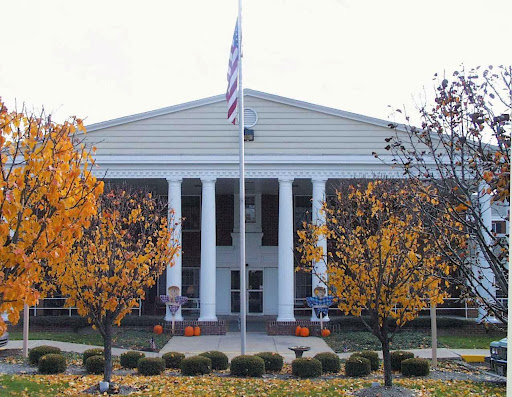
6 Garden Center Drive, Greensburg, PA 15601
For more information about senior living options: (866) 208-4318
Overall Review of Greensburg
Pros
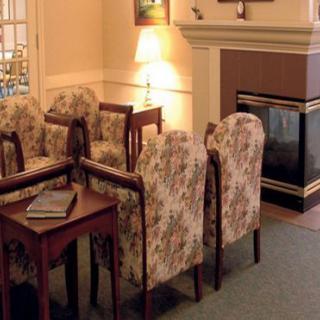
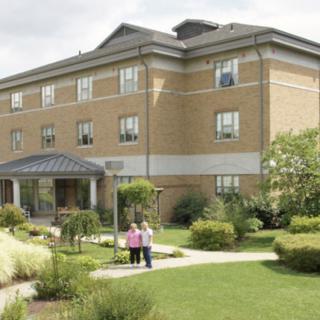
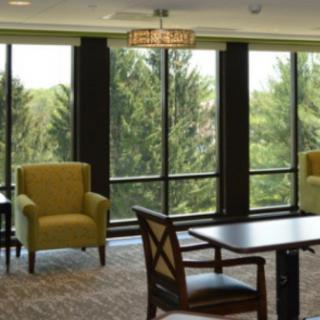
 The facility is absolutely beautiful, like a cruise ship, with lavish décor.
 - It is very clean, and the staff are caring and helpful.
- Residents appear well taken care of, clean, neat, and smiling.
- The tour guide was wonderful, very knowledgeable, and friendly.
- The facility offers a gym and PT/OT services.
- There are shuttles for shows and outings.
- A chaplain visits weekly, providing spiritual support.
- The food is great.
Cons
 There was nothing to do and no one to do it with.
- The assisted living was dark, unappealing, and located in a basement with insufficient natural light.
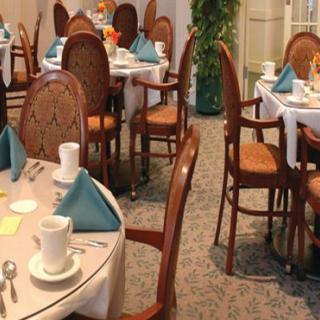
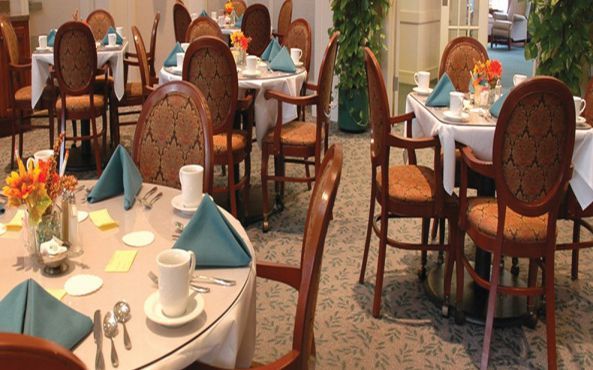
- The hallway was bleak and the dining room depressing.
- There were reports of problems with management.
- The staff threw a resident out of her room two weeks after a family member died.
- The facility is very expensive.
Review
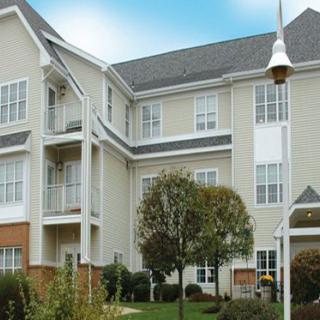
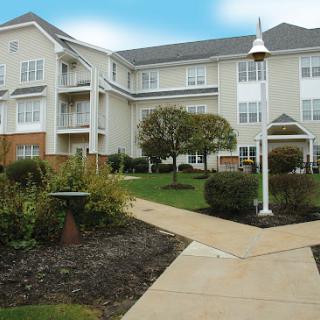
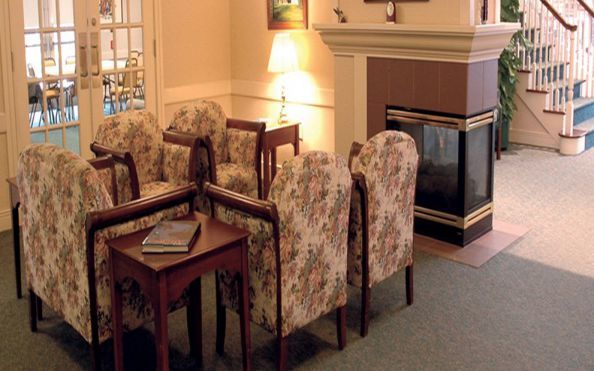
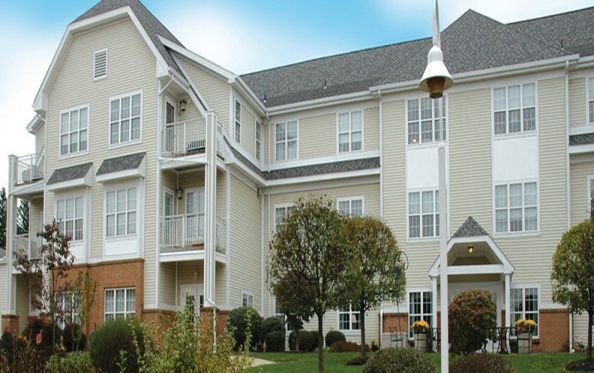
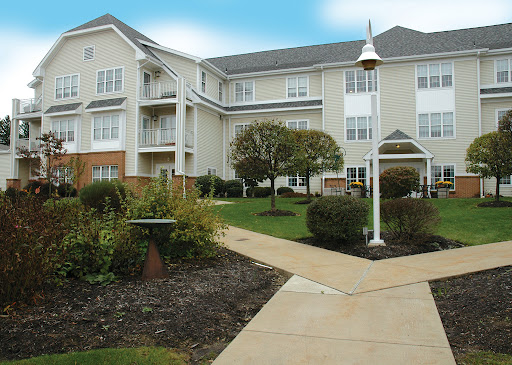
Greensburg’s Redstone Highlands is best suited for seniors who want a polished, activity-rich campus with a true continuum of care on one site, and for families comfortable with a higher price point in exchange for dependable staffing, robust programming, and seamless transitions among independent living, personal care, and skilled nursing. The community operates like a small town: multiple neighborhoods, scheduled transportation, a full slate of exercise classes, clubs, lectures, and on-site spiritual support. The ambiance commonly reads as upscale, with clean interiors and well‑kept grounds that reinforce a sense of security and care. For families living across distances, the combination of on-site staff accessibility, regular updates, and remote viewing options provides reassurance that a loved one remains connected and closely monitored. It’s a compelling fit for those who want meaningful engagement and dependable care without frequent relocations as needs evolve.
Not everyone will find Greensburg a perfect match. Alternatives may appeal to residents who prize a quieter, more intimate environment, lower monthly costs, or spaces with brighter, more open lighting and fewer crowds at meals. Some families seek a smaller scale with less emphasis on campus hustle, or a setting that feels less like a resort and more like a close-knit neighborhood. A few reviews describe dining rooms and corridors that feel crowded or dim in certain areas, and there are notes of management friction or uneven experiences among staff. For those prioritizing low cost, more homelike simplicity, or dementia care environments designed around a calmer pace, looking at other Greensburg options or nearby communities can be well warranted.
The strongest advantages, cleanliness, caring staff, and a robust activity calendar, tend to offset the main drawbacks for many families. Residents consistently praise the staff’s warmth, the availability of exercise programs, the gym and therapy services, transportation to errands or appointments, and a calendar replete with outings, performances, and social events. The on-campus amenities, art classes, library access, chaplain visits, and organized group activities, help counter isolation and encourage social connection, which can be especially valuable when distance limits family involvement. The presence of multiple living levels on one campus also eases transitions if care needs advance: there is a path from independent living to personal care and skilled services without a move off-site. While some spaces may feel dark or crowded, the overall environment remains bright, modern, and welcoming for most residents.
That said, visitors should scrutinize several realities before making a commitment. During tours, request a look at both independent living and personal care areas, and observe meal service at peak times to gauge crowding, traffic flow, and dining atmosphere. Ask about natural lighting in specific rooms, noise levels, and the availability of quiet spaces for reading or contemplation. Inquire about how care coordination works day-to-day, response times from front-line staff, and whether there have been recent management changes or staffing fluctuations. For families with memory concerns, probe how the community handles cognitive needs, incident reporting, and the protocol for a move to higher levels of care if circumstances change. Honest discussions about these points prevent surprises after move-in.
Cost is a central consideration, and Greensburg’s setting reflects its high-touch model. Multiple reviewers acknowledge the premium price, but many balance that against the breadth of services, upscale interiors, and the assurance of on-site care options as needs evolve. One practical note is the complexity of the pricing structure: independent living may carry a different cost trajectory than personal care or skilled nursing, and long-term care expenses can rise with level changes. Prospective residents should obtain a clear, itemized understanding of monthly fees, potential add-ons, and any entrance or transition costs. For families who can justify the expense through ongoing access to strong staff, a full activity calendar, and reliable care continuity, the value proposition remains favorable; for those with tight budgets or strict cost ceilings, exploring alternatives with simpler pricing may be prudent.
In the end, Greensburg’s Redstone Highlands stands out for families seeking a vibrant, comprehensive campus where staff engagement, social programming, and a continuum of care can reduce the number of moves as needs shift. It is a strong recommendation for seniors who want community life, convenient on-site amenities, and dependable assistance in a polished, well-maintained setting. Those prioritizing a quieter, more intimate environment, lighter crowds, or lower costs should consider alternatives and compare space quality, lighting, and resident density more closely. A deliberate, in-person evaluation, interacting with staff, residents, and the admissions team, and auditing multiple meal periods and care scenarios, will reveal whether the balance between its many strengths and its notable trade-offs aligns with the specific senior’s health trajectory, preferences, and family budget.
 61 resident community capacity
 Assisted Living
 Continuing Care Retirement Community (CCRC)
 Memory Care
 Respite Care
 Air-conditioning
 Beauty salon
 Cable or satellite TV
 Computer center
 Fitness room
 Fully furnished
 Gaming room
 Garden
 Housekeeping services
 Kitchenette
 Move-in coordination
 Outdoor space
 Private bathrooms
 Restaurant-style dining
 Small library
 Telephone
 Wellness center
 Wi-Fi/high-speed internet available
 Community operated transportation
 24-hour call system
 Activities of daily living assistance
 Assistance with bathing
 Assistance with dressing
 Assistance with transfers
 Diabetes diet
 Medication management
 Special dietary restrictions
 Concierge services
 Planned day trips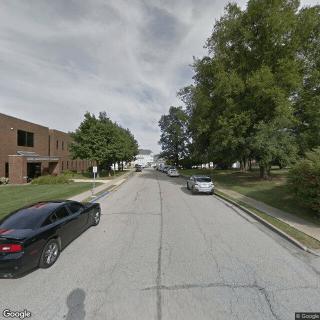



 Understanding Medicaid Coverage for Assisted Living: A Comprehensive Guide
 How and When Medicaid May Cover Assisted Living Costs
 A Detailed Exploration of Assisted Living Medicaid Waivers Across the United States