
Senior Helpers - Exton, PA in Exton, PA
Save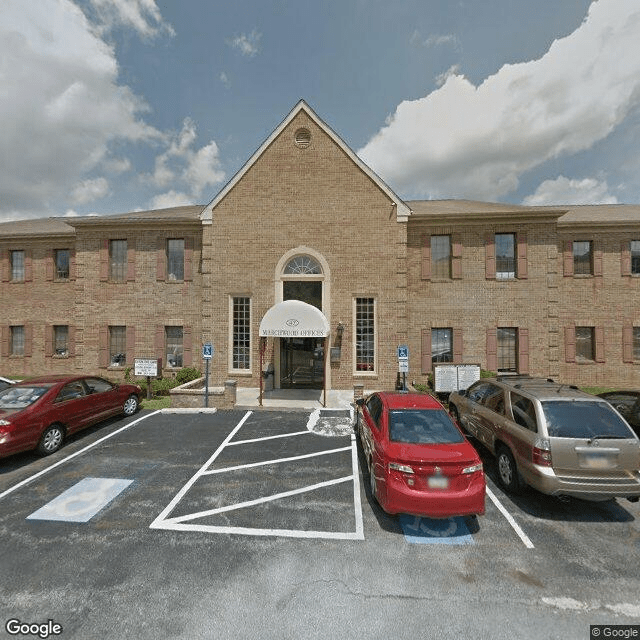
Senior Helpers - Exton, PA is a senior community in Exton, PA.
Information last verified:
47 Marchwood Road Suite 1-C, Exton, PA 19341
For more information about senior living options: (866) 208-4318
 Senior Helpers are invaluable in helping maintain independence. Kevin and Rosalyee are professional, reliable, and genuinely compassionate. The Senior Helpers team is responsive and easy to communicate with, addressing residents' needs promptly. The Client Manager at Exton is attentive and adjusts care as needed. Senior Helpers consistently goes above and beyond for clients and is flexible with hours and transportation. A family member was able to return home and regain independence thanks to Senior Helpers. Senior Helpers can start care quickly in urgent situations, with dependable and flexible caregivers. The overall experience with Senior Helpers has been positive, reflecting caring, enthusiastic staff and a strong work ethic.
Senior Helpers Exton is best suited for families who want to keep a loved one living at home with an exceptionally reliable, compassionate care team that can be mobilized quickly and kept on a tight, responsive leash. The hallmark is independence paired with unwavering support: caregivers who are professional, genuinely caring, and easy to communicate with, led by a client manager who coordinates concerns and adjustments. When the goal is immediate, around-the-clock presence to manage daily needs and emergencies, this Exton team delivers with remarkable consistency. The care philosophy centers on treating the person as family, which translates into a level of reassurance that is hard to match in other at-home services.
Those considering alternatives should be clear about what they want beyond home-based care. If the priority is social programming, structured community living, or on-site medical oversight in a facility setting, a traditional assisted living or skilled nursing arrangement may be more appropriate. The home-care model here excels at keeping people in familiar surroundings with flexible hours and a high-touch caregiver network, but it does not provide the built-in social milieu or the guaranteed on-site medical infrastructure that a care community can offer. For seniors whose needs consistently require intensive clinical oversight or a more communal daily rhythm, an alternative arrangement could reduce friction and increase convenience.
The most persuasive pros lie in the people delivering care and the process backing it up. Caregivers are described as dependable, compassionate, and responsive, with a capacity to address needs and concerns promptly. The ability to start care quickly, indeed, in urgent situations, adds a level of operational confidence that reduces stress during a crisis. A dedicated client manager appears to be a steadying influence, ensuring communication remains clear and that care plans adapt as conditions change. This combination, trustworthy caretakers plus organized coordination, translates into real peace of mind for families who cannot be physically present, which is often the deciding factor in stay-at-home care.
What may feel like a shortcoming in other setups does not appear to be a limiting factor here, the reviews reveal minimal friction and a high degree of satisfaction, with little to no overt critique. The main caveat is the inherent nature of at-home care, which relies on a rotating team of professionals rather than the single, continuous environment of a residential community. Even so, the Exton model mitigates that by prioritizing caregiver consistency, rapid responsiveness, and a strong client-manager framework that keeps care aligned with evolving needs. For families weighing cost against certainty, the proven ability to quickly adapt care plans and scale services up or down is a meaningful offset to the lack of a fixed, on-site facility.
The net value rests on the balance between independence and protection. Pros like 24/7 availability, strong continuity with caregivers, and rapid mobilization when circumstances shift directly offset the potential downsides of home-only care. For a loved one who values remaining in familiar surroundings, retaining routines, and avoiding frequent hospital transfers, these advantages often prove decisive. The depth of trust demonstrated by families, who note that their loved one receives care that feels like family, further strengthens the case for sticking with this Exton team when the objective is sustainable, in-home support that never feels secondary to safety.
In decision terms, Senior Helpers Exton should be your go-to when the priority is preserving independence at home with a deeply reliable, people-centric care partnership. It is less suited for those who explicitly want a socially active living community with built-in medical facilities or for situations that demand intensive, highly specialized clinical services on-site. If the assessment centers on keeping a loved one comfortable and autonomous in familiar surroundings, backed by a responsive care team and a capable client manager, this Exton option stands out as a practical, experienced, and decidedly effective choice. Families should proceed with confidence, knowing the strongest objections, cost, the at-home care model, and the absence of a traditional campus culture, are precisely the factors the excellent caregiver network and management structure are designed to mitigate.
Senior Helpers - Exton, PA is an assisted living community located in the charming town of Exton, Pennsylvania. Situated in a convenient location, this community offers easy access to various amenities and services for its residents.
For those who enjoy a cup of coffee or a quick bite to eat, there are three cafes and eight restaurants nearby, offering a range of menu options to suit different tastes. Whether it's meeting friends for brunch or grabbing a latte on the go, residents have plenty of choices within close proximity to their home.
Nature lovers will be pleased to know that there are two parks nearby where they can take leisurely walks, join outdoor activities, or simply enjoy the serene surroundings. These parks provide opportunities for residents to connect with nature and engage in physical exercise at their own pace.
Healthcare needs are well catered for in the area, with nine physicians and eight pharmacies nearby. This ensures that residents have access to quality medical care and medications whenever needed. The proximity of these facilities also provides reassurance and convenience for both residents and their families.
Transportation is easily accessible with two transportation options nearby. Whether it's taking a bus to explore nearby attractions or arranging rides through senior-friendly transport services, residents have various means of getting around without hassle.
For spiritual fulfillment and community engagement, there are two places of worship nearby. Residents can attend religious services or participate in social events held within these establishments. This helps foster a sense of belonging and allows individuals to maintain their valued religious practices.
Lastly, for entertainment enthusiasts, there is one theater in the vicinity where residents can enjoy live performances or catch the latest movies on the big screen. This offers opportunities for cultural enrichment and leisurely outings with fellow community members.
Overall, Senior Helpers - Exton, PA is an ideal assisted living community that offers not only comfortable accommodations but also easy access to cafes, parks, pharmacies, physicians, restaurants, transportation options, places of worship, and a theater. The community is dedicated to providing a fulfilling and engaging lifestyle for its residents in a convenient and vibrant environment.
Located in Exton, Pennsylvania, this area offers a variety of amenities for senior living. With convenient access to restaurants such as Chick-Fil-A, Brickside Grille, and Epicurean Garage, seniors can enjoy a range of dining options close by. Multiple pharmacies like Rite Aid and CVS Pharmacy are available for easy access to medications. Nearby parks like Lionville Park and Marsh Creek State Park provide opportunities for outdoor recreation and relaxation. Access to medical care is also readily available with physicians like All Star Pediatrics and Chester Springs Family Practice nearby. For entertainment, Movie Tavern Exton is within reach for movie nights. Transportation options include Exton Station and Downingtown Station for easy travel. Places of worship such as Saint Joseph Church and St Paul's Episcopal Church offer spiritual fulfillment. Hospitals like Chester County Hospital and Phoenixville Hospital provide quality healthcare services in the area, making it a great choice for seniors looking for a comfortable and convenient living environment.
Senior Helpers - Exton, PA is located at 47 Marchwood Road Suite 1-C, Exton, PA 19341 in Chester County, Pennsylvania
Always Best Senior Care
Exton, PA
Excellent access to nearby amenities and services.
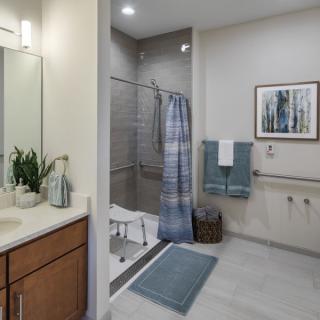
Eagleview Landing
Exton, PA
Warm, compassionate staff with spacious, well-kept accommodations and engaging activities.
Adult Day Care of Chester County, Inc
Exton, PA
Welcoming day program with social focus and diabetic care; plus extensive nearby services.
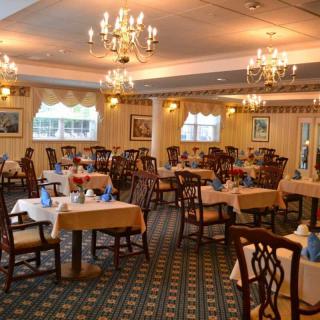
Exton Senior Living
Exton, PA
Caring staff and a warm, family-like environment with engaging activities.

Synergy Home Care - Chester Springs
Chester Springs, PA
Reliable, on-time healthcare transportation with professional staff.
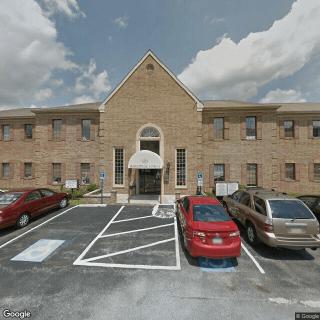
ComForCare Senior Services
Exton, PA
Strong dietary options and easy access to dining, healthcare, and activities.
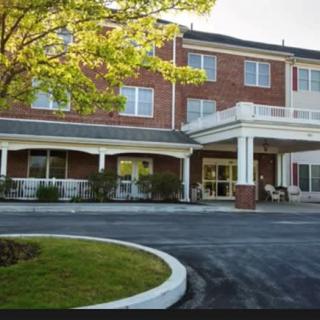
St. Martha Villa
Downingtown, PA
Attentive staff and engaging activities in a warm, community-focused memory-care environment.
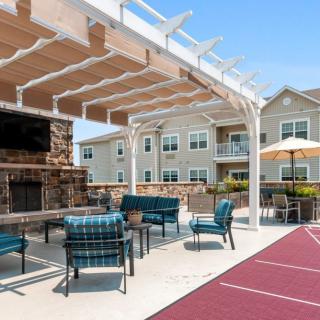
Merrill Gardens at West Chester
West Chester, PA
Welcoming atmosphere with open spaces, natural light, and engaging activities.
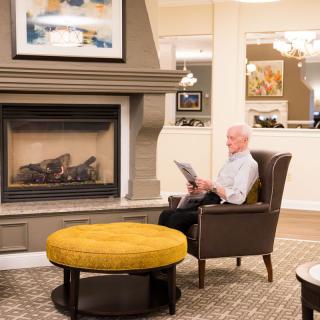
Wellington At Hershey's Mill
West Chester, PA
Spacious, well-decorated apartments with friendly staff, strong on-site dining and amenities, plus a no buy-in fee policy and flexible pricing.
 Top Cars for Senior Drivers and Essential Safety Innovations
Senior drivers prioritize comfort, safety, and ease of use in vehicles due to age-related challenges, seeking features like easy entry, clear visibility, and modern driver-assistance technologies. Recommended models include the Subaru Forester, Honda CR-V, and Toyota Camry, with emphasis on test-driving for personal comfort and evaluating crash-test ratings alongside insurance considerations.
 A Closer Look at Private Pay Home Care
Private pay home care offers a flexible caregiving option for older adults and families who don't qualify for government programs, allowing them to directly fund in-home care services that range from daily assistance to specialized support. This model's customization potential enables aging in place while addressing financial considerations through strategic planning options, though clients must navigate marketplace challenges and ensure quality compliance.
 Comprehensive Approaches for Arthritis: A Detailed Guide to Symptoms, Causes, and Care
Arthritis encompasses over 100 joint disorders affecting people of all ages, leading to symptoms like pain and stiffness that impair mobility and quality of life. Effective management involves early diagnosis, lifestyle changes, medical treatments, emotional support, and ongoing monitoring with healthcare professionals.
