

1062 Brown Ave, Erie, PA 16502
To contact a resident: (888) 990-4555
For more information about senior living options: (866) 208-4318
Overall Review of Age in Place - Erie Region
Pros
 The staff is amazing, very caring and supportive.
- They went above and beyond what was expected.
- The office staff is always readily available to answer any questions.
- The care provided is amazing from the very beginning.
- Their caregivers are extremely thoughtful and thorough.
- They can rest assured that their loved ones are well taken care of.
Cons
 They are the worst.
- They don’t pay on time.
- They are irresponsible.
- They do whatever they want.
- They don’t raise pay.
- They don’t give vacation time.
- There are no bonuses ever.
Review
Age in Place - Erie Region is best suited for families seeking dependable in-home care that lets a loved one age in place in the Erie area. The model hinges on hands-on caregiving paired with a responsive office team, making it a strong fit for seniors who need help with daily activities, companionship, and steady oversight without moving into a residential facility. The emphasis on accessible office staff means families can expect timely answers, proactive problem-solving, and a clear point of contact when questions arise. This provider is particularly well aligned with those who prioritize regular caregiver interaction, routine support, and a stable, home-based care rhythm over episodic or hospital-style care. In short, it serves as a practical, in-home solution for sustained assistance.
Those weighing alternatives should note that this approach may not be the best fit for every situation. If caregiver continuity and rock-solid administrative reliability are non-negotiable, or if medical oversight beyond routine assistance is essential, families may want to explore other options. Larger home-health agencies with dedicated nursing staff or traditional assisted living communities that guarantee fixed staffing patterns and more formal governance structures can offer different assurances. For seniors who require frequent, highly specialized medical management, or for households needing a highly predictable, weekend-to-weekend care calendar, it may be prudent to compare providers with stronger nursing credentials or a facility-based model.
The strongest pros across the available feedback are the caregiver and office experiences. Reviewers describe the caregiving team as amazing, caring, and thorough, with staff who go above and beyond for families. Office personnel are portrayed as consistently available, approachable, and able to answer questions when needed. Those qualities translate into real peace of mind for families worried about day-to-day safety, routine completion, and meaningful social connection for their loved ones. In practice, this level of attentiveness can lessen headaches for relatives who cannot be present constantly and reduce anxiety about whether daily needs are being met. The positive experiences in the field matter, and they carry real weight for decision-making.
Yet the sole negative review raises a cautionary flag about the administrative side of the operation. An account focused on pay practices, timeliness, and benefits signals that underlying management or financial stability could influence scheduling reliability and caregiver consistency over time. While the caregiving itself appears strong, this is a reminder that continuity, caregiver familiarity, predictable rosters, and timely administrative actions, depends on solid internal systems. For families choosing this path, it is wise to probe how the agency handles staffing churn, how backup coverage is arranged, and what guarantees exist if a preferred caregiver is reassigned or unavailable.
Given that this is an in-home care model rather than a stand-alone facility, expectations should center on communication, care planning, and performance consistency. The program suits households that want flexible visit frequencies, clear progress updates, and a partner capable of coordinating with family members and, where appropriate, with medical professionals. Prospective clients should confirm the scope of services offered, whether medication reminders, transportation, and supervision align with current needs, and how care plans are reviewed and updated. Understanding rostering policies, back-up care options, and escalation protocols will shape how well the positives translate into long-term reliability.
In sum, Age in Place - Erie Region offers a compelling blend of compassionate, attentive caregiving and accessible office support that can make home-based living feasible and comforting for many seniors. The advantages, engaged caregivers, dependable office communication, and thoughtful, thorough daily support, are meaningful and nontrivial. The potential downside centers on administrative consistency and staffing stability, as hinted by a critical employment-focused review. For families weighing options, the best course is to prioritize providers with transparent caregiver continuity policies, written care plans, and clear guarantees on back-up coverage. If those elements are in place, this Erie-area option is a solid, practical fit for aging in place with dignity and dependable companionship; if not, it may be prudent to look toward agencies or facilities with a more consistently structured administrative framework.
 Erie International (6 miles away)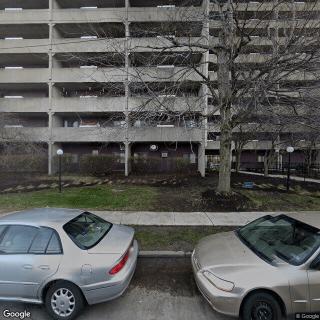






 Understanding the Sandwich Generation: Stress and Responsibilities for Multigenerational Caregivers
 8 Essential Assistive Devices for Older Adults
 Navigating the Financial Road to Nursing Home Care: In-Depth Guidance and Resources