
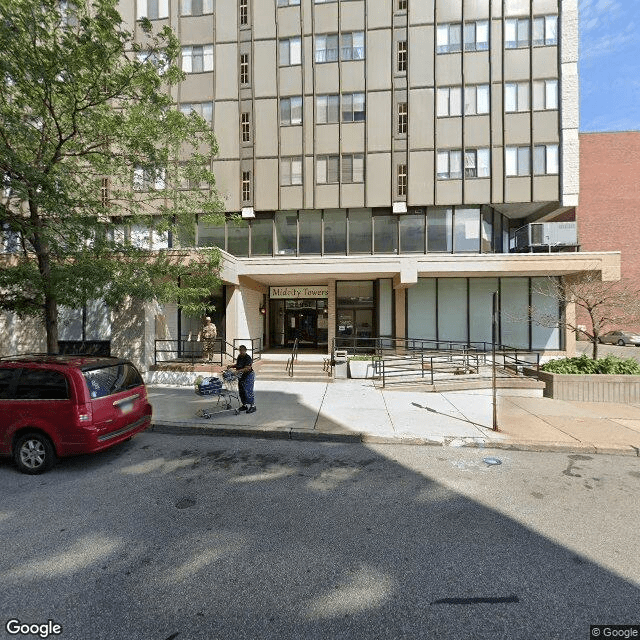
12 E 9th St, Erie, PA 16501
To contact a resident: (814) 456-6130
For more information about senior living options: (866) 208-4318
Overall Review of Mid City Towers
Pros
 The complex is described as a clean, safe place to live, with repairs completed promptly and staff who are cordial and helpful.
 - A reviewer expresses love for the city and the people of Mid City Towers.
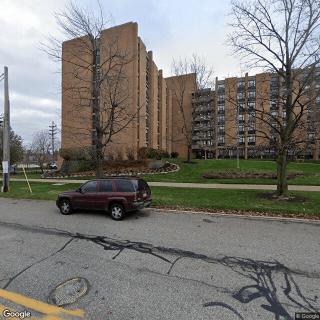
- The property offers wonderful views when looking to the north.
- A reviewer feels grateful for the sense of freedom and for being part of the community.
Cons
 The place is a dump with bed bugs, roaches, and leaky walls, and management ignores the problems.
- The elevators are constantly broken, leaving residents stuck.
- Drug dealers and alcohol disturbances are on the premises, making it unsafe to live there.
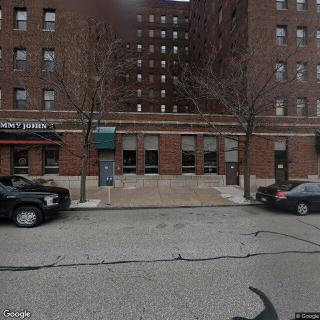
- Towings are aggressive and fees are high, with rumors of kickbacks to the towing company.
- Residents are locked out of storage and laundry areas, and a $250 lockout fee is charged; access after 4pm is restricted.
- Bed bug outbreaks are persistent across units, and heat treatment is not applied building-wide.
- The staff are rude and eviction-prone, even when rent is paid.
- There are concerns about contaminated water or unsafe air conditioning, potentially leading to illness.
Review
Mid City Towers in Erie is best suited for extremely self-reliant seniors who can tolerate a chronically stressed building environment in exchange for a lower-cost, city-adjacent address. This is not a place for residents who depend on staff for daily safety, predictable maintenance, or accessible, barrier-free living. The reviews depict a pattern of repeated maintenance failures, infestations, and safety hazards that demand personal resilience, strong self-advocacy, and the ability to navigate a revolving door of problems. For families seeking stability, predictable service, and clear safety protocols, this community is not the right fit.
Alternatives should be seriously considered for anyone who prioritizes health, safety, or predictable access to essential services. Prospective residents should weigh options that emphasize reliable pest control, elevator reliability, consistent enforcement of building rules, and transparent financial practices. If a senior relies on timely repairs, predictable access to laundry and common areas, or a stable social environment free of drug or alcohol disturbances, other communities deserve strong consideration. In short, the decision should pivot on whether reliability and safety can be achieved here, given the repeated red flags.
The core drawbacks are extensive and consequential. Bed bugs and roaches appear throughout the property, with multiple accounts of outbreaks affecting living spaces and even sending a resident to the hospital. Elevators are repeatedly out of service, leaving wheelchair or walker users stranded or delaying emergency access. Parking and towing practices create financial and logistical stress for visitors and residents alike, and there are reports of aggressive collection tactics and access restrictions that undermine daily living. The atmosphere is described as unsafe or disruptive at times, including drug and alcohol disturbances on the front porch and in common areas. Taken together, these factors erode health, independence, and peace of mind much more than any single pro could justify.
While there are scattered positive notes, some residents report cordial staff and timely repairs, and a few acknowledge occasional pleasant views, their impact is dramatically overshadowed by the structural and operational failures. The “clean, safe place” sentiment sits beside repeated mentions of peeling paint, leaky walls, and persistent infestations. The conflicting experiences suggest a facility-wide inconsistency: when things go well, it is due to individual staff efforts or temporary improvements, not sustained policy or infrastructure. For families evaluating risk, the balance tips decisively toward the negatives unless a drastic and systemic transformation occurs.
For families weighing next steps, focus on concrete, verifiable factors. Request current elevator maintenance logs and service history, pest control records and remediation plans, and a written policy on access to common areas and laundry facilities. Ask about the wearable data on unit warnings and complaint follow-through, the exact terms of lockout or late-fee policies, and how eviction notices are used in practice. Speak with current residents about how often issues like bed bugs or elevator outages recur, and whether management has a track record of timely fixes. Inspect a few units during a normal day and again during a high-traffic period to gauge real-world conditions.
Bottom line: Mid City Towers is not a default recommendation for seniors who require safety, reliability, and a peaceful living environment. The cons, persistent pests, unsafe conditions in elevators and stairwells, disruptive behavior on property, and aggressive financial practices, consistently overwhelm any modest benefits. For families with a senior who can tolerate risk, the building’s lower price and location may hold some appeal. For virtually all others, especially those with mobility needs, medical requirements, or a desire for predictable, well-maintained surroundings, move exploration toward communities with documented pest control, dependable maintenance, transparent operations, and a safer social environment.
 Assisted Living
 Activities on-site
 Devotional services off-site
 Indoor common areas
 Erie International (6 miles away)
 Ambulatory care
 Diabetic care
 Meals provided

 Comprehensive Insights into Activities of Daily Living (ADLs) and Their Assessment
 Medicare Coverage for Assisted Living: An In-Depth Exploration
 Your Comprehensive Guide to Luxury Assisted Living: Elevated Facilities, Amenities, and Costs