For more information about senior living options: (866) 208-4318
4.7 from 43 reviews
5 stars
39
4 stars
1
3 stars
0
2 stars
0
1 stars
3
Senior Helpers - Ephrata, PA Costs & Pricing
Senior Helpers in Ephrata, PA, offers competitive pricing for its services compared to both Lancaster County and the broader Pennsylvania market. For a studio accommodation, the monthly cost is set at $3,750, notably lower than the county average of $4,419 and slightly higher than the state average of $3,737. In contrast, for a two-bedroom unit, Senior Helpers charges $5,250 per month, which is higher than both the county's rate of $5,040 and significantly above Pennsylvania's statewide average of $4,242. This pricing structure reflects a strategic positioning to provide quality care while remaining accessible within the local context.
Floor plans
Senior Helpers - Ephrata, PA
Lancaster County
Pennsylvania
Studio
$3,750
$4,419
$3,737
2 Bedrooms
$5,250
$5,040
$4,242
Senior living communities with a similar price nearby
from -$450 / mo
Keystone Villa at Fleetwood
4.9 from 160 reviews
$3,300 to $5,450 / month
24.8 miles away
from -$150 / mo
Spang Crest Manor
4.9 from 80 reviews
$3,600 to $8,580 / month
17.2 miles away
from -$650 / mo
Traditions of Hershey
4.7 from 141 reviews
$3,100 to $4,600 / month
24.0 miles away
from -$300 / mo
Mifflin Court
4.8 from 93 reviews
$3,450 to $5,880 / month
14.0 miles away
from -$650 / mo
Birdsboro Lodge
4.8 from 20 reviews
$3,100 / month
21.5 miles away
Overall Review of Senior Helpers - Ephrata, PA
common15 reviews mention this
Caregivers are compassionate and attentive
Residents’ families describe caregivers as compassionate, attentive, and respectful in daily help.
Many reviewers emphasize that the people providing care are kind and considerate, and that support feels attentive rather than rushed. Several families mention feeling reassured—knowing someone is checking in and that their loved one is treated with respect and patience. Reviewers also describe help that adapts to the person’s needs and illness, with caregivers who stay flexible in the hours assigned.
common8 reviews mention this
Scheduling and communication feel flexible
Families frequently describe easy setup and good communication around schedule changes.
A recurring theme is how straightforward it is to establish care and get services scheduled. Multiple reviewers also mention the office and caregivers coordinating when there are staff changes, upcoming appointments, or shifts in a loved one’s routine. Several families add that communication and responsiveness reduce stress during busy periods or care progression.
differentiator5 reviews mention this
Personal care and daily support
Reviews frequently mention hands-on personal support that helps with everyday routines.
Some reviewers describe specific personal-care support like hygiene help and making bathing and showering easier. Others mention practical assistance such as help cooking or baking foods they like, and general cleaning support that takes work off the family. One family also describes caregivers helping their household get the environment and routine their loved one wanted.
common3 reviews mention this
Peace of mind through check-ins
Families describe peace of mind when caregivers are checking in and staying on top of needs.
Several reviewers say the services make it easier to step away for work or life obligations because someone is consistently present and aware of what’s needed. One family highlights feeling calmer because their loved one is “in good hands” with regular check-ins. Others mention proactive help—making it happen when schedules are hard to cover.
caveat2 reviews mention this
Some reviews raise serious concerns
A small number of reviews express very negative experiences and dissatisfaction.
Not all feedback is positive: at least two reviewers report extreme dissatisfaction. One review focuses on problems experienced in employment and scheduling-related issues, while another is simply negative without added detail. These comments stand out compared with the broader pattern of families describing attentive, supportive care.
How we summarize
Counts show how many written reviews mention each theme; a review can touch several themes, and only frequently mentioned themes are displayed.
Nearby Places of Interest
This part of Ephrata, Pennsylvania offers a variety of amenities and services that may be appealing to seniors looking to relocate. There are several restaurants within close proximity, including familiar chains like Applebee's, McDonald's, and Taco Bell, as well as local favorites such as Auntie Anne's and The Deck. Additionally, there are reputable physicians and pharmacies nearby for convenience in healthcare needs. For relaxation and recreational activities, there are several parks in the area, providing opportunities for outdoor enjoyment. In terms of medical care, there are hospitals and specialized healthcare facilities within a reasonable distance. Overall, this part of Ephrata offers a convenient and comfortable environment suitable for senior living.
Restaurants
Applebee's (0.4 miles)
McDonald's (0.7 miles)
Taco Bell (0.8 miles)
Auntie Anne's (0.8 miles)
The Deck (1.5 miles)
McDonald's (1.5 miles)
Pancake Farm (1.6 miles)
Physicians
Lake Street Family Practice (0.6 miles)
State Street Family Practice (0.8 miles)
Otolaryngology Physicians of Lancaster (1.4 miles)
Dorf Steven N Dr DO (1.4 miles)
Eden Park Pediatrics (1.7 miles)
WellSpan Cardiology (1.8 miles)
WellSpan Family & Pediatric Medicine - Rothsville (4 miles)
Pharmacies
CVS Pharmacy (1.7 miles)
Anderson Pharmacy (6.3 miles)
Stauffer's Drug Store (6.3 miles)
Yoder's Pharmacy (6.8 miles)
McElroy Pharmacy (7.3 miles)
CVS Pharmacy (7.4 miles)
Millennium Pharmacy Systems (7.4 miles)
Parks
Denver Park (4.8 miles)
Lititz Springs Park (7.6 miles)
Middle Creek Wildlife Management Area (8.2 miles)
Stoner Park (8.7 miles)
Manheim Township Community Park (8.7 miles)
Conestoga Pines Park (9.9 miles)
Cafes
Tomato Pie Cafe (7.4 miles)
Dosie Dough (7.4 miles)
Twin Valley Coffee - Shady Maple Market (7.9 miles)
Piccadilly Coffee & Tea House (8.8 miles)
Starbucks (10.3 miles)
Theaters
Penn Cinema (7.7 miles)
Places of Worship
Calvary Church (8 miles)
Hospitals
Pediatrics at Heart of Lancaster (8.1 miles)
The Women's Place at Heart of Lancaster (8.1 miles)
Senior Helpers in Ephrata, PA, offers competitive pricing for its services compared to both Lancaster County and the broader Pennsylvania market. For a studio accommodation, the monthly cost is set at $3,750, notably lower than the county average of $4,419 and slightly higher than the state average of $3,737. In contrast, for a two-bedroom unit, Senior Helpers charges $5,250 per month, which is higher than both the county's rate of $5,040 and significantly above Pennsylvania's statewide average of $4,242. This pricing structure reflects a strategic positioning to provide quality care while remaining accessible within the local context.
Hospice care focuses on providing comfort and support for individuals nearing the end of life, with Medicare Part A covering services like nursing care and counseling for patients with a terminal illness and a life expectancy of six months or less. While most hospice services are low-cost for eligible patients, families should be aware that certain expenses, such as room and board, may not be covered.
Caregiver burnout is a common issue resulting from the intense physical, emotional, and mental demands of caregiving, leading to symptoms like fatigue and social withdrawal. To prevent burnout, caregivers should recognize early warning signs and implement self-care strategies, seek support, and prioritize their own well-being alongside that of those they care for.
Caregiver exhaustion, or burnout, stems from the relentless demands of caregiving, leading to emotional and physical depletion characterized by stress, frustration, and neglect of personal needs. Addressing this burden is essential to prevent long-term consequences, with early recognition and support being crucial for caregivers to maintain balance and implement self-care.
Get PricingAsk A QuestionSchedule A TourContact Senior Advisor
By clicking submit, you agree to our Partner's Terms of Use. You
also consent to receive calls and texts, which may be autodialed, from our Partner. Your consent is not a condition to
using our Partner's service. Please visit our Partner's Privacy Policy for information about their privacy practices.

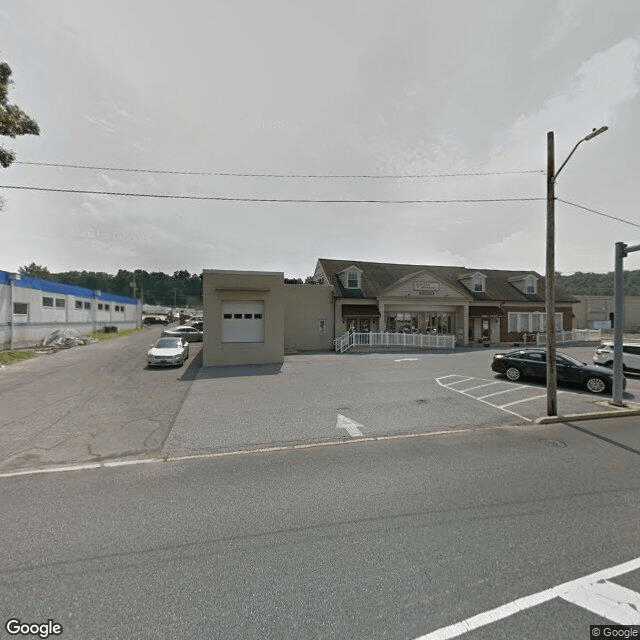
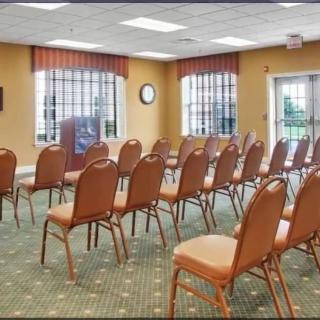
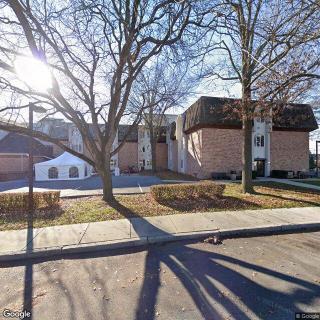
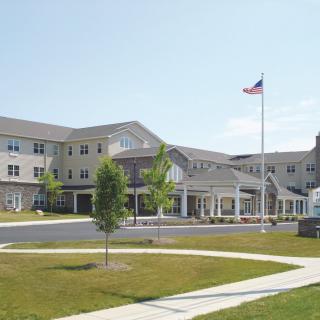
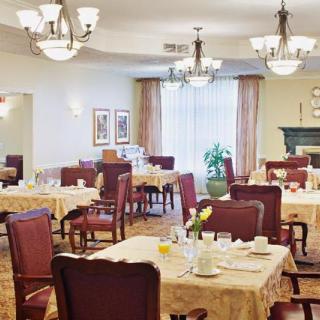
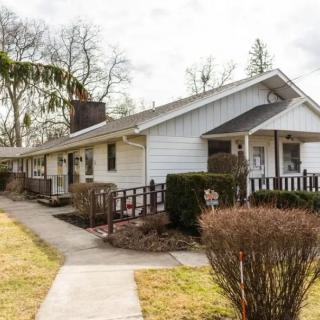
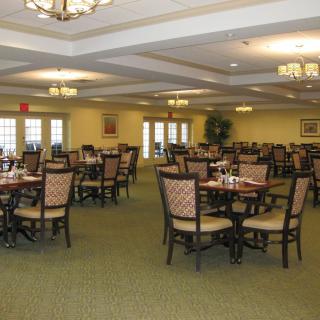
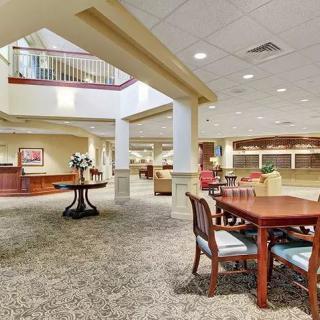
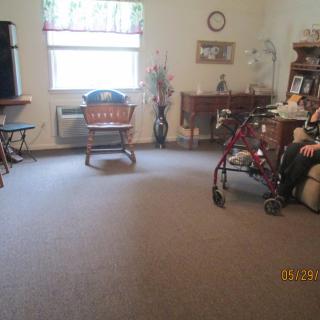
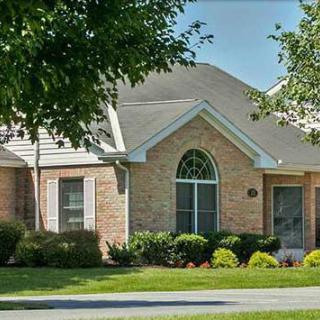
 Friendly, professional staff, clean and homey environment with good dining and varied activities.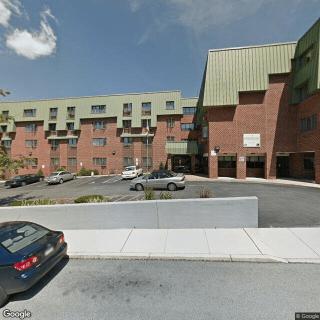
 Comprehensive Guide to Medicare Coverage for Hospice Care
 Caring for Those Who Care: Recognizing, Understanding, and Overcoming Caregiver Burnout
 Caregiver Exhaustion: Recognizing the Signs and Restoring Your Well-Being