Eastern Comfort I is an assisted living community in Easton, PA.
Information last verified:
2040 Northampton Street, Easton, PA 18042
For more information about senior living options: (866) 208-4318
4.1 from 120 reviews
5 stars
85
4 stars
8
3 stars
3
2 stars
2
1 stars
22
Overall Review of Eastern Comfort I
common
Staff kindness is a common thread
Residents and families frequently describe the staff as kind and attentive.
Across many reviews, people highlight courteous, helpful staff members and describe them as responsive to needs. Several comments specifically call out reception and nurses for making visits feel welcoming. A number of residents and families also emphasize that the facility feels clean and well cared for day to day.
differentiator
Rehab therapy gets strong praise
Therapy and rehab support are repeatedly described as effective and encouraging.
A large portion of the feedback focuses on rehabilitation results, with reviewers describing excellent physical and occupational therapy experiences. Multiple reviews thank specific therapy staff and say therapy helped people regain strength, mobility, or comfort. While rehab care is a highlight in the positive reviews, there are also negative reviews that complain about slow or missed assistance, suggesting the experience may vary by situation and staffing.
caveat
Food and cleanliness draw mixed feedback
Food quality and facility cleanliness come up with both praise and complaints.
Some reviewers say the food is good and that the building stays clean, including mentions of housekeeping and rooms being clean. Other reviews describe unpleasant odors, dirty or damaged rooms, and concerns about maintenance and upkeep. Taken together, the reviews suggest that day-to-day hygiene and dining satisfaction are not consistent for every visitor.
caveat
Call response and staffing feel uneven
Several reviews describe delays in help when residents need assistance.
Some negative reviews say call buttons go unanswered for long periods and that residents are not assisted promptly with toileting, feeding, or mobility needs. A separate set of comments points to understaffing and difficulty reaching someone by phone. There are also countervailing reviews that describe around-the-clock attentiveness and staff being on hand when needed, so response times may depend on the time of day and the reviewer’s experience.
How we summarize
We summarize when many written reviews mention each theme; a review can touch several themes, and only frequently mentioned themes are displayed.
Features
Housing
16 resident community capacity
Types of Care
Assisted Living
Board and Care Home
Respite Care
Amenities
Cable or satellite TV
Dining room
Fully furnished
Garden
Housekeeping services
Move-in coordination
Outdoor space
Telephone
Wi-Fi/high-speed internet available
Transportation
Lehigh Valley International (11 miles away)
Care Services
24-hour supervision
Activities of daily living assistance
Assistance with bathing
Assistance with dressing
Assistance with transfers
Coordination with health care providers
Diabetes diet
Meal preparation and service
Medication management
Special dietary restrictions
Transportation arrangement (medical)
Transportation to doctors appointments
Dining
Diabetes diet
Special dietary restrictions
Activities
Community-sponsored activities
Scheduled daily activities
Nearby Places of Interest
Physicians
Easton OBGYN (0.1 miles)
Antario Joseph MD FACS (0.1 miles)
Easton Cardiovascular Associates PC (0.1 miles)
Easton Medical Group - Neurology (0.2 miles)
Lehigh Valley Nephrology Associates (0.7 miles)
Raymond S Buch MD (1 miles)
Star Open Mri (2.5 miles)
Hospitals
Maternity Ward (0.1 miles)
Warren Hospital (0.3 miles)
Easton Hospital Imaging Center (0.5 miles)
St Luke's Hospital - Anderson Campus (1.8 miles)
Emergency Room at Lehigh Valley Hospital–Hecktown Oaks (2.3 miles)
Activities of Daily Living (ADLs) are fundamental tasks vital for an individual's independence, particularly in older adults over 85, and include functions like bathing and dressing; assessing ADLs alongside Instrumental Activities of Daily Living (IADLs) helps determine the level of required assistance due to age-related health challenges. Tailored support plans, involving family and community resources, are essential for maintaining dignity and autonomy in assisted living environments.
Medicare does not cover assisted living costs, as it focuses on acute medical needs and short-term care, with exceptions for certain medically necessary services like physical therapy. Individuals must explore other options such as Medicaid, veterans' benefits, or long-term care insurance to manage these expenses effectively.
Luxury assisted living offers high-quality senior care in a resort-like environment that combines essential medical support, gourmet dining, and personalized services to enhance residents' independence and well-being. These upscale facilities emphasize holistic health and community-building through customized care plans and social activities, catering to the growing demand for enriched senior living experiences despite higher costs.
Get PricingAsk A QuestionSchedule A TourContact Senior Advisor
By clicking submit, you agree to our Partner's Terms of Use. You
also consent to receive calls and texts, which may be autodialed, from our Partner. Your consent is not a condition to
using our Partner's service. Please visit our Partner's Privacy Policy for information about their privacy practices.

 16 resident community capacity
 Assisted Living
 Board and Care Home
 Respite Care
 Cable or satellite TV
 Dining room
 Fully furnished
 Garden
 Housekeeping services
 Move-in coordination
 Outdoor space
 Telephone
 Wi-Fi/high-speed internet available
 Lehigh Valley International (11 miles away)
 24-hour supervision
 Activities of daily living assistance
 Assistance with bathing
 Assistance with dressing
 Assistance with transfers
 Diabetes diet
 Meal preparation and service
 Medication management
 Special dietary restrictions
 Transportation arrangement (medical)
 Transportation to doctors appointments
 Caring staff with effective therapy and a clean, well-maintained environment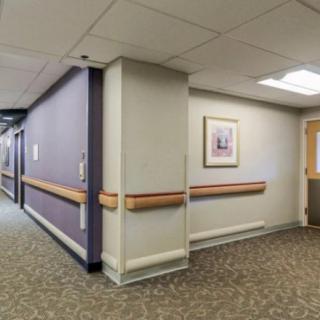


 Comprehensive Insights into Activities of Daily Living (ADLs) and Their Assessment
 Medicare Coverage for Assisted Living: An In-Depth Exploration
 Your Comprehensive Guide to Luxury Assisted Living: Elevated Facilities, Amenities, and Costs