
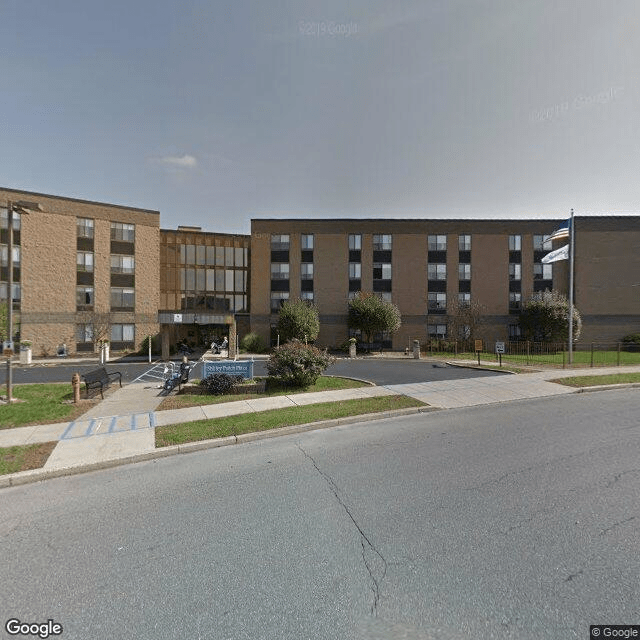
4 S Kistler St, East Stroudsburg, PA 18301
To contact a resident: (570) 421-1517
For more information about senior living options: (866) 208-4318
Overall Review of Shirley Futch Plaza
Pros
 Management takes good care of the property and residents.
- The community is very secure with lots of activities for interested residents.
- The office staff ensure residents are safe and happy and do whatever they can to keep them happy.
- Shirley Futch Plaza staff give 110% and go above and beyond.
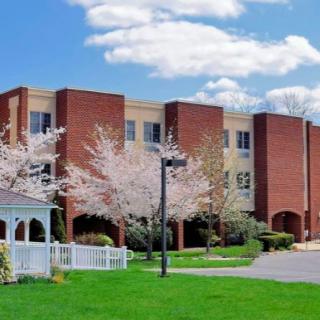
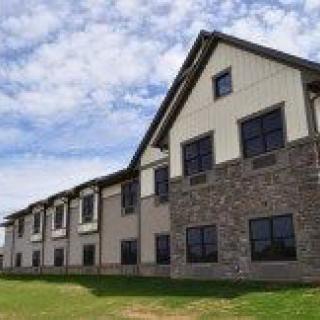
- Shirley Futch Plaza is a great neighbor with lovely, well-kept grounds, and residents smile and wave to people passing by.
- The location is convenient, being close to LVHN ExpressCare, hospital, Loder Senior Center, doctors, restaurants, and shops on Crystal Street.
Cons
 There are no negative statements present in the reviews.
Review
Shirley Futch Plaza in East Stroudsburg is best suited for independent seniors who prize security, neighborly living, and a robust calendar of social and enrichment opportunities. The community presents itself as a safe, well-maintained place where residents look out for one another and where management prioritizes a calm, orderly environment. The setting supports daily peace of mind: a secure atmosphere, staff who stay engaged with residents, and a culture of mutual care. Its location reinforces that appeal, sitting at the end of the block with inviting grounds and easy access to a cluster of essential services. Proximity to LVHN ExpressCare and Hospital, the Loder Senior Center, doctors, restaurants, and Crystal Street shops makes it practical for residents who prefer convenience and continuity of care without long commutes.
For families weighing options, the natural audience for Shirley Futch Plaza may include those who want a tight-knit, activity-rich community rather than a sprawling campus with a heavy medical footprint. Alternatives may be worth considering for seniors who require around-the-clock on-site medical supervision, specialized memory care, or a setting with more formalized clinical programming. While the reviews spotlight abundant activities and a high level of staff attentiveness, it’s reasonable to compare with facilities that offer larger-scale medical staffing, deeper on-site therapy options, or memory-care wings, should those services become priorities down the road.
The strongest pros, security, proactive staff, and a lively resident-driven atmosphere, offset potential gaps by leveraging the surrounding ecosystem of care. Residents feel safe enough to participate in a broad range of activities, and the staff’s commitment is described as going “110%” in service to residents. The office team earns trust by taking concrete steps to keep residents safe and content, which translates into fewer daily stressors for families. The well-kept grounds and the sense of neighborliness, where residents greet visitors and even walkers with smiles, enhance overall quality of life and reduce the sense of isolation that can accompany aging in place.
That sense of community isn’t incidental; it’s reinforced by how knowledgeably the residents themselves engage with the space. The population appears engaged, informed about the community’s rhythms, and willing to watch out for one another, which makes risks feel more manageable for families concerned about safety and independence. The neighborhood-like feel, neighbors actively participating in conviviality with passersby, and even interactions with pets, creates a welcoming, low-stress milieu. This combination of social vitality and attentiveness from staff provides a meaningful offset to the absence of a large clinical footprint on site.
For families making a decision, the practical path is to weight the value of social density and security against the need for more intensive medical support. Visit at varying times to observe activity levels, talk with residents about daily routines, and probe how emergencies are handled and how quickly staff respond. Consider how often medical appointments are arranged through nearby facilities and whether the current set of services aligns with anticipated aging needs. If independence, daily engagement, and dependable staff support are primary priorities, Shirley Futch Plaza delivers compelling outcomes without sacrificing convenience.
In the end, Shirley Futch Plaza stands out as a deliberate, community-centered choice for seniors who want a secure home base with meaningful social engagement and easy medical access nearby. It excels at creating a reliable, neighborly environment where staff dedication translates into tangible day-to-day benefits. Those seeking extensive on-site medical services, dedicated memory-care programming, or a larger campus atmosphere may want to explore alternatives, recognizing that the best fit hinges on balancing the value of safety, social connection, and proximity to care against the desire for more specialized on-site healthcare. For the right family, this community offers practical, confident hands-on support and a genuinely welcoming atmosphere.
 Assisted Living
 Activities on-site
 Devotional services off-site
 Indoor common areas
 Ambulatory care
 Diabetic care
 Meals provided

 Vibrant Senior Living: A Comprehensive Guide for Active Older Adults
 When to Transition from Assisted Living to Memory Care: Key Indicators, Steps, and Finding the Right Community
 Assisted Living and Memory Care: Understanding Their Core Differences