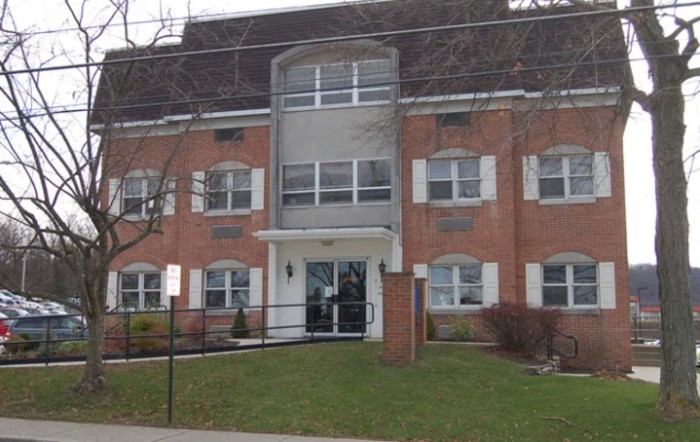
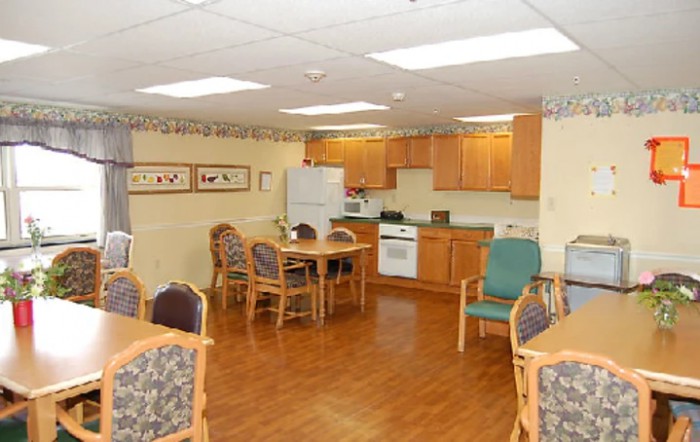
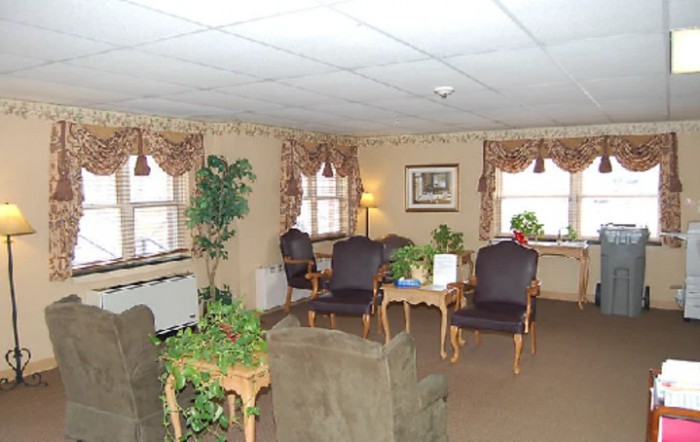
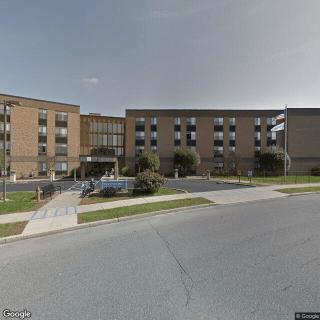
221 East Brown Street, East Stroudsburg, PA 18301
For more information about senior living options: (866) 208-4318
Gardens At Stroud Costs & Pricing
Gardens At Stroud offers a distinct pricing structure that reflects the level of care and amenities provided. For a semi-private room, residents can expect to pay $7,178 per month, which significantly exceeds the average rates in Monroe County ($3,566) and across Pennsylvania ($3,542). Similarly, those opting for a private room at Gardens At Stroud will incur a monthly cost of $7,524, positioning it above both local and state averages - $6,508 in Monroe County and $4,890 statewide. This premium pricing suggests a focus on enhanced services or facilities that cater to specific resident needs while also highlighting the value placed on specialized care within this community.
| Floor plans | Gardens At Stroud | Monroe County | Pennsylvania |
|---|---|---|---|
| Semi-Private | $7,178 | $3,566 | $3,542 |
| Private | $7,524 | $6,508 | $4,890 |
Skilled Nursing Facilities with a similar price nearby
-
from +$622 / mo

Barn Hill Care Center
$7,800 to $8,400 / month21.5 miles away -
from -$728 / mo
Brookmont Health Care Center
$6,450 to $7,500 / month13.9 miles away -
from -$578 / mo
Gardens At Easton
$6,600 to $7,050 / month21.2 miles away
Overall Review of Gardens At Stroud
Pros
 The place is great.
- The nurses and staff are very caring.
- It made patients feel better during difficult times.
- The management is friendly and attentive.
- The place is highly recommended.
Review
Gardens At Stroud in East Stroudsburg is best suited for families prioritizing genuine, hands-on caregiving where staff attentiveness and a reassuring presence can make a difficult transition less stressful. The reviews underscore a culture of compassion delivered by nurses and frontline caregivers who show up with steady patience and practical support. When a resident’s medical needs or emotional strain are high, this community’s character, friendly, accessible management and a warm, responsive caregiving team, tends to be a decisive advantage. It is an option to consider seriously for seniors who want to feel truly cared for, not simply housed.
However, those with broader program expectations should consider alternatives. A facility that emphasizes extensive activities, memory-care specialization, or highly structured medical oversight may offer more robust offerings elsewhere. The available feedback does not address engagement programming, dining experiences, transportation, or the breadth of clinical services. Families evaluating options with demanding schedules, complex care plans, or specific dementia approaches should verify that the calendar, staffing levels, and clinical partnerships align with the resident’s needs. In short, Gardens At Stroud stands out for warmth, but it may not satisfy every need right away.
On the upside, the dominant positives are stark and consistent: caring nurses and staff, and management that feels approachable and attentive. That combination tends to translate into reliable daily reassurance for residents and relief for families during trying times. When a crisis or emotional moment arises, the team’s responsiveness and visible empathy become the core value proposition. In scenarios where quality of interaction matters almost more than the breadth of programming, these strengths offset many common concerns about care environments. The emotional safety net the staff provide is a tangible, recurring benefit.
Still, the evidence base is limited. With only two positive reviews, both echoing the same strengths, the facility lacks a broad, verifiable track record across a full spectrum of services. No data is provided on cost, meal quality, housekeeping consistency, activity variety, or the depth of clinical oversight. That absence means potential residents must personally verify the scope of care, schedules, and routines during tours. The strongest rebuttal to a purely minimalist view is direct observation: see how staff interact with multiple residents, measure response times, and confirm care plans are personalized rather than scripted.
From a decision-making perspective, practical steps matter. Arrange an in-person tour focused on caregiver-to-resident ratios, how care plans are created and updated, and how often clinical staff are present on each shift. Ask about respite or short-term stays, what is included in monthly rates, and any add-on charges. Inquire about memory-care features if needed, and request references from current families. Location and commute considerations aside, the real signal comes from staffing consistency, management accessibility, and the ability to adapt to evolving resident needs.
Overall, Gardens At Stroud presents a compelling option for families who want compassionate, hands-on care delivered with evident empathy and accessible management. It achieves a meaningful counterbalance to typical anxieties about care environments through the demonstrated warmth of its staff. The main caveat is the limited breadth of publicly available evidence; for some, that means exploring alternatives with more documented programming or specialized services. For those prioritizing emotional security and reliable daily care, Gardens At Stroud should be kept high on the short list, with a clear plan to verify the specifics during a visit and a frank comparison against stronger-program options.
 127 resident community capacity
 Skilled Nursing Facility
 Air-conditioning
 Beauty salon
 Cable or satellite TV
 Computer center
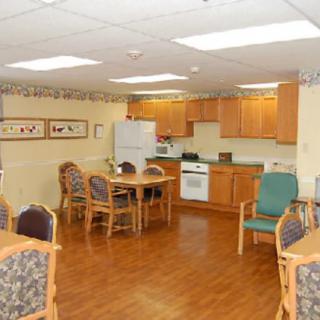
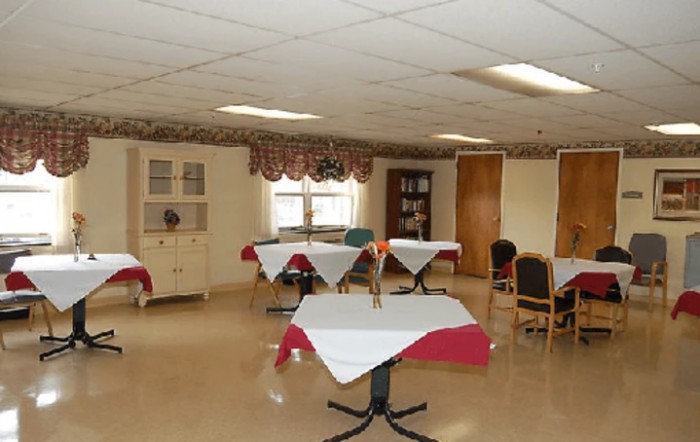
 Dining room
 Fitness room
 Fully furnished
 Gaming room
 Garden
 Housekeeping services
 Kitchenette
 Move-in coordination
 Outdoor space
 Private
 Private bathrooms
 Restaurant-style dining
 Small library
 Telephone
 Wellness center
 Wi-Fi/high-speed internet available
 Community operated transportation
 12-16 hour nursing
 24-hour call system
 Activities of daily living assistance
 Assistance with bathing
 Assistance with dressing
 Assistance with transfers
 Diabetes diet
 Medication management
 Mental wellness program
 Special dietary restrictions
 Concierge services
 Planned day trips






 Is a Geriatric Care Manager the Right Choice for Your Family?
 Compassionate Conversations: How to Comfort Someone Who Is Grieving
 Home Health Care Aides: Understanding Their Role and Supporting Your Family