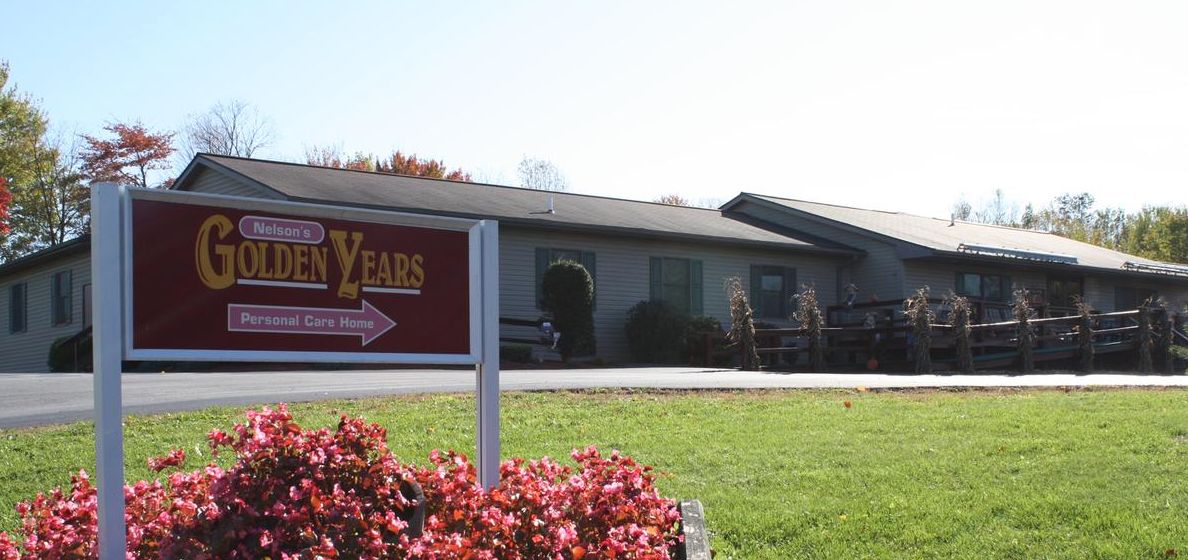
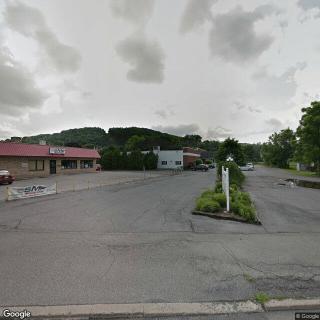
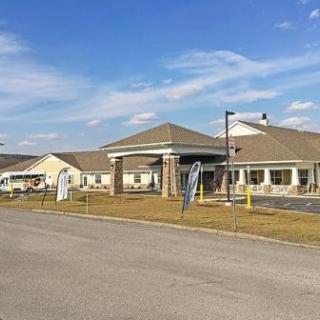
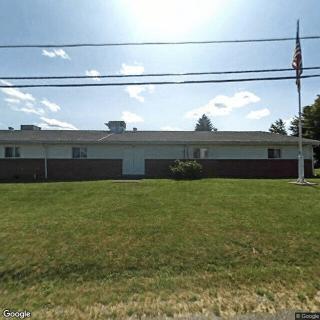
137 Oaklahoma Cemetary Road, Du Bois, PA 15801
For more information about senior living options: (866) 208-4318
Overall Review of Nelson S Golden Years
Pros
 The staff have surpassed the family's expectations.
- They know exactly where each resident is when visitors walk in.
- They are always doing activities with the residents and clearly care for them.
- The family appreciates the staff for taking care of Jojo.
- This place feels like a big family, including the residents.
- All the staff are there for the residents when they need them.
- The residents are like family and are very sweet.
Cons
 The reviewer claims the nursing staff has put to death a second person in their family due to not-so-excellent care.
- The care is described as neglectful, with patients’ needs ignored.
- The reviewer questions how staff could miss that a patient’s lungs were congested or fail to check for a fever.
- The reviewer lost the love of their life due to complications from double lung pneumonia.
- The mother had to be moved to skilled nursing because staff couldn’t lift her, and a mechanical lift was used only once.
- The mother was frightened by her surroundings and by strangers touching her, nearly going into shock.
- The experience lasted five days in a very scary world and felt like torture to watch.
Review
Nelson S Golden Years in Du Bois, PA is best suited for families seeking a warm, neighborhood-like setting that can deliver meaningful engagement for residents, particularly those navigating memory-care needs. The community earns trust through hands-on, person-centered attention: staff members who know each resident’s routine, moods, and favorite activities, and a culture that treats residents like family. For families with a loved one diagnosed with Alzheimer’s or other dementias, the setting offers reassuring continuity and regular activities that help anchor the daily rhythm. This is not a sterile, clinical corridor; it feels like a small, interwoven community where familiarity matters. Those were clearly the positives that caretakers and family members repeatedly highlighted, leaving little doubt about the emotional comfort the place can provide.
Pros include a demonstrated commitment by staff to resident well-being and a social calendar that keeps people visible and involved. Residents participate in bingo, parties, and other activities, and the staff are described as approachable and caring, creating a sense of a big family. The first-hand accounts from families emphasize that caregivers know exactly where a resident is and respond with warmth, and even staff who worked there described pride in the role and the happiness of the residents. For relatives who value emotional security, this is a meaningful advantage, translating into daily life that feels personalized rather than impersonal.
Yet the strongest warning comes from a contrasting experience that cannot be dismissed. One review recounts a fatal failure of care, describing neglect and lapses in basic medical responsiveness that culminated in serious deterioration. The account paints a picture of a facility where ambulatory support, timely monitoring, and appropriate handling of symptoms were not reliably executed, with a loved one moved to skilled nursing only after distress had escalated. The concern extends to mobility support, where equipment and staff readiness fell short in moments when a lift or transfer was needed. Taken together, these red flags underline a real risk that a resident’s health can deteriorate rapidly if clinical oversight, communication, and urgent-response systems are insufficient.
Those positives can be meaningful for residents with lower acuity or strong need for social stimulation, provided the care team maintains reliable daily engagement and safe clinical practices. The homelike atmosphere and visible affection among staff contribute to a sense of security, reducing anxiety and improving quality of life for many residents. However, warmth cannot substitute for consistent, skilled care, especially for individuals with dementia or complex health conditions who require proactive medical management and reliable emergency protocols. Families must weigh the emotional benefits against the possibility that routine medical needs could go unmet, particularly during acute episodes or transfers between care levels.
Decision-making should hinge on hard, verifiable factors. Prospective residents or families should demand current staff-to-resident ratios, geriatric and dementia-care training details, and an explicit, documented plan for emergency response and hospital transfers. Ask to review recent state inspection findings and any corrective action plans, and request to speak with current families about their experience with medical responsiveness and oversight. A tour should include shadowing caregivers during a challenging moment, watch how staff communicate, how quickly bells are answered, and how privately concerns are handled. Clarify what happens if a resident’s condition escalates and whether on-site skilled nursing support and physician oversight are readily available.
In short, Nelson S Golden Years offers a compelling, home-like environment and a workforce that can deliver genuine affection and activity-based care. For families prioritizing companionship, daytime engagement, and a sense of belonging, this community can be a strong fit when matched with clear guarantees of safety and medical oversight. For those whose top criterion is ironclad clinical reliability, or who must manage significant medical complexity, alternatives with stronger proven track records should be pursued. The decision should rest on a careful balance: the comfort of a familial setting against the certainty of consistent, professional medical care.
 60 resident community capacity
 Assisted Living
 Air-conditioning
 Beauty salon
 Cable or satellite TV
 Computer center
 Dining room
 Fitness room
 Fully furnished
 Gaming room
 Garden
 Housekeeping services
 Kitchenette
 Move-in coordination
 Outdoor space
 Private bathrooms
 Restaurant-style dining
 Small library
 Telephone
 Wellness center
 Wi-Fi/high-speed internet available
 Community operated transportation
 12-16 hour nursing
 24-hour call system
 Activities of daily living assistance
 Assistance with bathing
 Assistance with dressing
 Assistance with transfers
 Diabetes diet
 Medication management
 Mental wellness program
 Special dietary restrictions
 Concierge services
 Planned day trips
 Understanding the Distinctions: Assisted Living and Memory Care Explained
 Guiding Elderly Parents Who Refuse Assisted Living: 6 Practical Steps
 Your Comprehensive Guide to Luxury Assisted Living: Elevated Facilities, Amenities, and Costs