
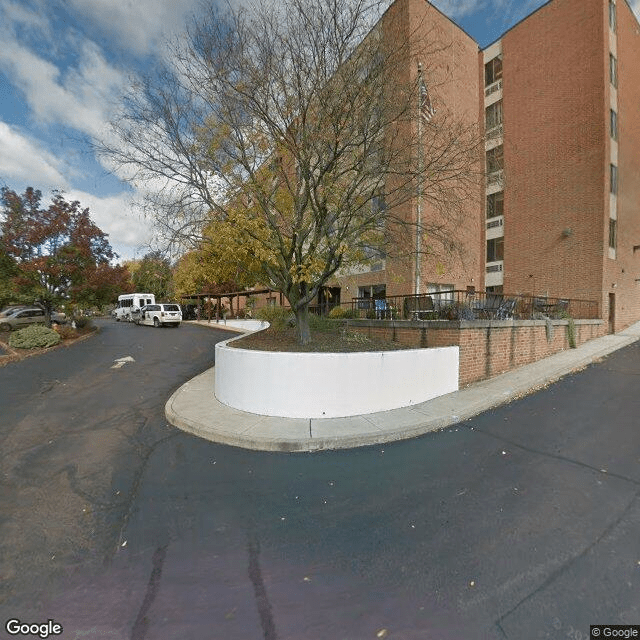
50 1st St, Danville, PA 17821
To contact a resident: (570) 275-6722
For more information about senior living options: (866) 208-4318
Heritage Heights Apartments Costs & Pricing
Heritage Heights Apartments offers a competitive pricing option for those seeking two-bedroom accommodations, with a monthly rent of just $500. This rate stands in stark contrast to the average costs in Northumberland County, which are approximately $3,310, and even more so against the broader Pennsylvania state average of around $4,242. Such affordability makes Heritage Heights an appealing choice for residents looking for quality living without the burden of steep housing expenses, highlighting its advantage in the local rental market while providing access to essential amenities and community features.
| Floor plans | Heritage Heights Apartments | Northumberland County | Pennsylvania |
|---|---|---|---|
| 2 Bedrooms | $500 | $3,310 | $4,242 |
Overall Review of Heritage Heights Apartments
Pros
 The management offers bingo nights, crafts days, and holiday parties.
- The manager is dedicated and works hard for all residents.
- The staff are extremely friendly and helpful, creating a positive community atmosphere.
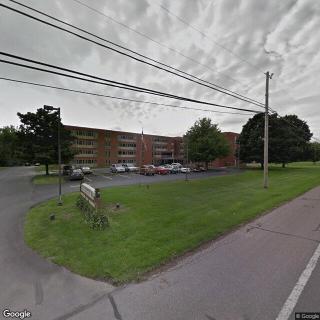
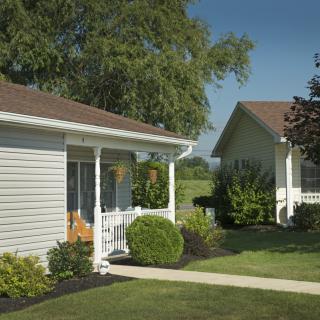
- The retirement complex is very nice and well maintained.
- Residents are kind, caring, and compassionate toward one another.
- The two-bedroom apartments are spacious and clean.
- Small pets are welcome.
- Handicap units are available to assist elderly residents.
Cons
 The elevator is impatient and pushy, especially for a senior high rise.
- Some staff are rude and talk to residents rudely.
- The waiting list process is slow and the office is difficult to reach.
- Vegetarian options are very limited.
- Carpeting and floors show their age.
- Maintenance is not up to par when problems arise.
- The pet location at the back isnā€™t very big.
Review
Heritage Heights is best suited for independent seniors who want a maintenance-light lifestyle with a built-in social circuit, and who also prize affordability and accessibility. The community offers income-based pricing and handicap-accessible units, plus a pet-friendly policy, which makes it a practical option for one- or two-person households on a fixed income. Its location near Weis and Geisinger adds convenience for shopping and health needs, while the two-bedroom layouts provide comfortable space without forcing a move to a higher level of care. For families prioritizing cost predictability, easy access to local services, and opportunities to participate in organized activities, this is a compelling match.
On the positive side, residents describe quiet, well-maintained apartments that feel like real homes, not temporary housing. Management is seen as engaged and responsive, regularly hosting bingo nights, crafts, and seasonal parties that foster community. The facility earns goodwill from numerous staff and residents who appreciate friendliness and proactive problem-solving, with explicit acknowledgement that costs and service levels are laid out candidly upfront. The combination of accessible units, a welcoming population, and a supportive social rhythm makes it easy to picture a settled, low-stress routine that still honors independence.
Yet several core drawbacks temper the appeal. Elevators are repeatedly flagged as problematic, and aging infrastructure surfaces in comments about carpet and floor wear. A subset of residents reports rude or inconsistent treatment from some staff, which undermines the sense of safety and respect that families value. Waiting lists have stretched for years in some cases, leaving hopeful tenants in limbo and complicating long-term planning. The pet area is described as modest, and dining options for vegetarians are limited, which can matter for households with particular dietary needs or preferences. Taken together, these issues can frustrate those who expect seamless reliability and broad resident services.
The pros, however, do not vanish in the face of these cons; they simply require weighing against them. The transparency around costs and the willingness of staff to be candid about what is provided helps families budget and set expectations, reducing the risk of sticker shock after move-in. The well-organized Section 8 environment and the ease of arranging allied health services, nurses, aides, and pharmacy coordination, illustrate a functional ecosystem that supports aging in place without unnecessary churn. For households prioritizing a strong community atmosphere and straightforward, predictable pricing, these attributes substantially offset maintenance quirks or occasional service gaps.
Living experiences cited by families reinforce the overall value proposition. One reviewer notes the facility has become a safe, engaging community where neighbors connect through events, meals, and shared activities. Family members report constructive interactions with staff who are proactive, going so far as to snag a table for a resident during a move or facilitate quick solutions when needs arise. The presence of long-tenured residents and references to nearby medical and commercial amenities underscore a practical, holistic living environment. In short, Heritage Heights often delivers companionship, stability, and convenience in a package that remains financially accessible.
For decision-makers, the bottom line is clear: Heritage Heights excels for independent seniors who value affordability, accessibility, and a sociable enclave, with enough services to support basic needs without converting into a full-serve assisted living. Those who must count on rock-solid elevator reliability, uniformly courteous staff across shifts, or a broad dining program with expansive vegetarian options may want to explore alternatives. Before committing, families should verify current elevator performance and maintenance plans, inspect the living spaces for aging finishes, inquire about the exact services included in the pricing, and visit to observe interactions between staff and residents firsthand. If these checks align with expectations, Heritage Heights stands out as a practical, grounded choice for a supported, self-directed senior lifestyle.
 Active Adult Communities (55+)
 Cats allowed
 Dogs allowed
 Activities off-site
 Bath tubs
 Devotional services on-site
 Indoor common areas
 Outdoor common areas
 Wheelchair accessible showers
 Ambulatory care
 Diabetic care
 A Detailed Examination of Nursing Home Costs Across the U.S.
 Exploring Nonmedical Home Care: Understanding Services, Costs, and Financial Approaches
 Engaging Brain Games and Innovative Apps to Keep Senior Minds Active