
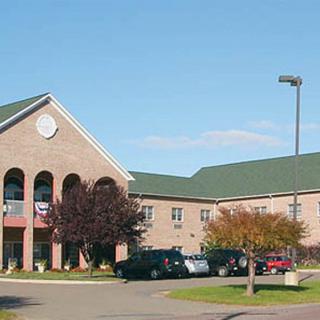
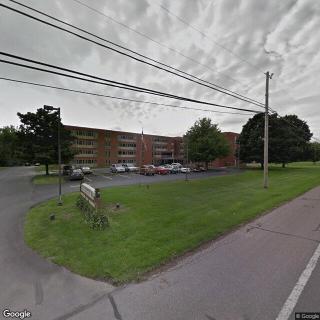
15 Schoolhouse Road, Danville, PA 17821
For more information about senior living options: (866) 208-4318
Overall Review of Nazareth Memory Center At Maria Joseph
Pros
 They chose this facility for their mother's last days, indicating trust in its care.
- The family has remained confident in the facility for years.
- The facility can handle dementia, diabetes, and colostomy care.
- It is viewed as a reliable option for end-of-life care.
Cons
 Finding a care facility that can handle dementia, diabetics, colostomy bags, etc., isn’t an easy task.
Review
Nazareth Memory Center At Maria Joseph in Danville is best suited for residents with advanced memory impairment who also contend with complex medical needs such as diabetes and ostomy care, and for families seeking a setting that can honor end-of-life decisions with clinical competence. The available feedback points to a facility that prioritizes dementia care and multi-condition management, chosen by relatives specifically for a loved one’s last days with the reassurance that ongoing support would be available. In practical terms, this is a high-acuity memory-care option that coordinates medical, nutritional, and daily living needs under one roof. For families facing the emotional weight of late-stage dementia, this environment blends specialized knowledge with hands-on caregiving to deliver steadiness when it matters most.
Those with lower-acuity needs or a preference for more independence may want alternatives. If the loved one requires extensive social programming, frequent activities, or a setting oriented toward rehabilitation or shorter-term stays, other communities may offer more varied services or greater autonomy. If concerns about cost structures, care models, or family involvement are paramount, it is prudent to compare options. The available account concentrates on the facility’s capacity to handle complex conditions; it does not present a complete picture of daily life, amenities, or how lifestyle fit is managed in routine practice.
Vital strength rests with clinical capability. The ability to manage dementia alongside diabetes and ostomy needs signals a facility equipped to reduce unnecessary hospital transfers, coordinate with home-health services, and support careful end-of-life planning. That alignment matters because it directly affects decision points about care trajectories when difficult choices arise. The review’s emphasis on meeting exacting requirements offers a clear positive signal: when care complexity is high, this center appears to meet those demands. In high-acuity scenarios, resident safety, medication management, and consistent staffing become the decisive factors, and Nazareth Memory Center seems to satisfy those expectations. The lack of stated major drawbacks in the source reinforces confidence in its core competence.
Continuity matters. The reviewer notes that the experience occurred years ago and that the family remains satisfied with the outcome. That longevity implies stability in caregiving teams, reliable response to evolving complex needs, and a settled environment, elements families weigh heavily when life-limiting illness is involved. While a single data point cannot reveal the full picture, this enduring satisfaction serves as a meaningful indicator for prospective residents who prioritize dependable, high-acuity care over a broader but less targeted program.
Decision-makers should verify several practical factors before committing. Confirm that the facility can deliver the specific medical supports required (diabetes management, ostomy care, dementia supervision), and ask about collaboration with the resident’s physician, palliative care services, and hospital-transfer protocols. Seek clarity on staffing levels, night coverage, and the plan for escalating care if cognition or physical condition declines. In addition, confirm length-of-stay expectations, appropriateness for end-of-life care, and the financial terms. These steps align the facility’s demonstrated strengths with the family’s actual care goals and ensure alignment between expectations and reality.
Bottom line: Nazareth Memory Center At Maria Joseph is a strong fit for families needing dedicated, high-acuity memory care with complex medical management and end-of-life support. For loved ones who require less intensive memory care or who seek a different mix of lifestyle options, alternatives should be evaluated. When clinical capability and stability matter most, this community offers a credible, capable option that mitigates the most daunting caregiving challenges associated with late-stage dementia and chronic illness.
 24 resident community capacity
 Assisted Living
 Memory Care
 Activities on-site
 Beauty salon
 Cable or satellite TV
 Devotional services off-site
 Dining room
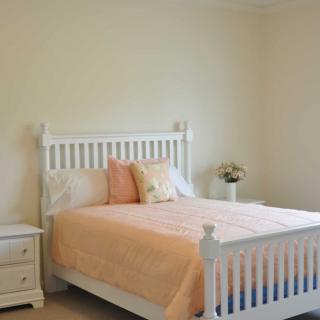
 Fully furnished
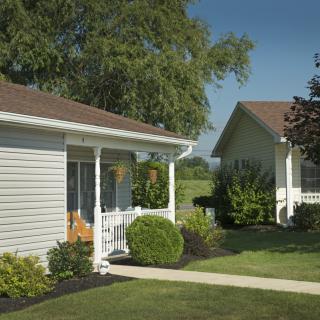
 Garden
 Housekeeping services
 Indoor common areas
 Kitchenette
 Move-in coordination
 Outdoor space
 Overnight guests
 Telephone
 Wi-Fi/high-speed internet available
 24-hour call system
 Ambulatory care
 Assistance with bathing
 Assistance with dressing
 Assistance with transfers
 Diabetes diet
 Diabetic care
 Hospice waiver
 Meal preparation and service
 Medication management
 Mental wellness program
 Special dietary restrictions
 Transportation arrangement (medical)
 Transportation to doctors appointments
 English

 Assisted Living and Memory Care: Understanding Their Core Differences
 Choosing the Right Senior Care: A Detailed Exploration of Assisted Living and Nursing Homes
 Safeguarding Your Memory Through the Golden Years: Eight Ways to Preserve Cognitive Health