
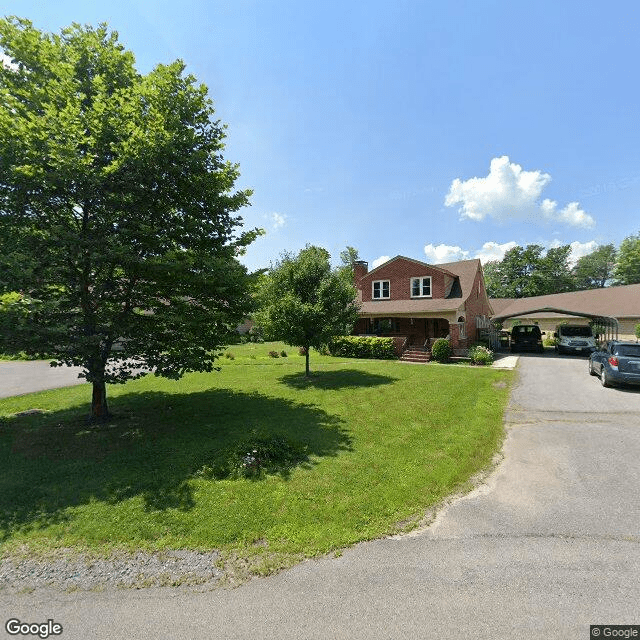
856 Cambria Street, Cresson, PA 16630
For more information about senior living options: (866) 208-4318
Overall Review of John Paul II Manor
Pros
 People are kind and respectful.
- The staff are caring and conscientious, and they ensure residents have all they need.
- The location is amazing, and the staff are great.
- It is an assisted living facility for the elderly with activities, a cafeteria, and a hairdresser.
- Residents can decorate their living spaces to their desires, and pets are allowed to visit.
- The staff are very friendly, and the home feels nice and respectable.
- Families report that their loved ones are more comfortable there and make lots of friends.
Cons
 They need better portions at lunch and dinner for the residents.
Review
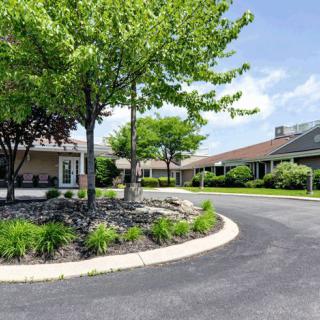
John Paul II Manor in Cresson is best suited for older adults who want a warm, neighborly atmosphere where staff know residents by name and daily life feels like a small, social community rather than a clinical setting. The environment shines for those who value personal attention, friendly interactions, and a home-like feel. Reviewers describe the staff as kind, respectful, and conscientious, with a clear commitment to ensuring residents have what they need. The location itself is a standout asset, offering a campus-like sense with accessible amenities and regular opportunities to engage. Residents can decorate their living spaces to reflect their tastes, and the option to have visits from pets adds a comforting, family-like dynamic. It’s a place where social connections appear to flourish and daily life remains engaging.
However, families should consider alternatives if the priority is intensive medical oversight or specialized memory-care programming. The reviews do not point to a dedicated memory unit or a heavy clinical focus; instead, the emphasis is on social living, convenience, and a welcoming community. For seniors who require around-the-clock medical management, highly structured supervision, or specialized dementia care, other communities with explicit clinical resources may be more suitable. A practical caveat is the note about meal portions; while not a deal-breaker for everyone, it signals that dietary satisfaction could be a determinant for some residents. Those with strict nutritional needs should verify menu flexibility and portion options during tours.
On the upside, the core strengths are tangible and repeatedly affirmed: a staff that is caring and conscientious, residents who feel loved and supported, and a lively social calendar that invites daily participation. The ability to personalize living spaces and the availability of on-site conveniences, cafeteria, activities, and a hairdresser, contribute to a convenient, self-contained routine. The social payoff is clear: residents form friendships, find purpose in activities, and reports of improved mood and engagement are common. This combination of approachable staff and a welcoming, activity-rich environment translates into meaningful daytime fulfillment for many seniors.
Dining presents a clear, addressable gap. Several reviews note a desire for larger portions at lunch and dinner. This isn’t portrayed as a systemic failure, but it is a practical factor that can affect daily satisfaction for residents with a hearty appetite or specific dietary expectations. The positive tone around staff and living conditions means this conundrum is far from crippling; it simply requires proactive discussion with dining services to explore menu flexibility, portion sizing, and scheduling. In practice, families should inquire about how meal plans accommodate appetite fluctuations, dietary restrictions, and the potential for customizing portions without sacrificing service quality.
Prospective residents will want a clear sense of the daily rhythm and the balance between independence and support. The community’s offerings, active programming, easy access to amenities, and a pet-friendly visiting policy, suggest a lifestyle that keeps elders engaged without feeling confined. The overall sentiment in reviews is affirming: residents appear happier, more social, and less isolated than in some other settings. For families evaluating options, this implies lower risk of loneliness and a steadier, more reliable staff presence. The deciding factor hinges on whether the social environment aligns with the loved one’s personality and whether meal service will meet expectations, particularly regarding portion sizes and appetite.
In sum, John Paul II Manor stands out as a compassionate, community-centered choice for seniors who prize connection, personalization, and practical conveniences in a comfortable, home-like setting. It earns strong marks for caring staff, a respectful atmosphere, and everyday opportunities for engagement. The main caveat, more generous dining portions, can be addressed through proactive conversations with the culinary team and management to align meals with resident preferences. Alternatives may be more appropriate for families seeking intensive medical oversight or specialized memory care. For households prioritizing warmth, accessibility, and meaningful activity, this community offers a solid, well-supported option with clear advantages that often outweigh the modest dining shortfall.
 50 resident community capacity
 Assisted Living
 Respite Care
 Activities on-site
 Beauty salon
 Cable or satellite TV
 Devotional services off-site
 Dining room
 Fully furnished
 Garden
 Housekeeping services
 Indoor common areas
 Kitchenette
 Move-in coordination
 Outdoor space
 Restaurant-style dining
 Small library
 Telephone
 Wi-Fi/high-speed internet available
 24-hour call system
 Ambulatory care
 Assistance with bathing
 Assistance with dressing
 Assistance with transfers
 Diabetes diet
 Diabetic care
 Medication management
 Mental wellness program
 Special dietary restrictions


 Understanding the Distinctions: Assisted Living and Memory Care Explained
 Guiding Elderly Parents Who Refuse Assisted Living: 6 Practical Steps
 Your Comprehensive Guide to Luxury Assisted Living: Elevated Facilities, Amenities, and Costs