
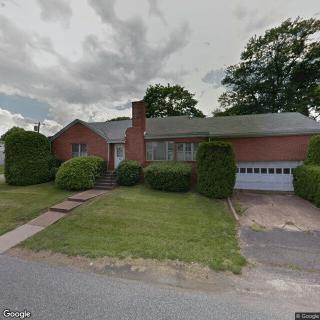
1021 Cherry Tree Road, Aston, PA 19014
For more information about senior living options: (866) 208-4318
Overall Review of Holcomb Behavioral Health Systems
Pros
 They value reliable and responsive phone communication.
- They see accountability as essential when issues arise.
- They are motivated to take constructive action to address concerns.
- They are committed to standing up for fairness and preventing wrongdoing.
Cons
 It is a bad look when people are not available to answer the phone.
- They cannot keep getting away with this.
Review
Holcomb Behavioral Health Systems in Aston, PA presents itself as a supervised option for seniors and adults who require ongoing behavioral health support. However, the most practical takeaway is that this community is best suited for families that can supply steady advocacy and tolerate limited proactive outreach. In other words, it works only when a designated family member acts as front-line coordinator, intercepts delays, and relentlessly pursues answers. Prospective residents who can tolerate a hands-on management style, with in-person oversight and written assurances that care coordination will be pursued, are the most likely to navigate this option without feeling stranded by the staff.
Conversely, several groups should strongly consider alternatives. Anyone who depends on reliable phone access to schedule appointments, obtain timely updates, or obtain guidance during crises should look elsewhere. Families with seniors who rely on consistent daily check-ins or crisis escalation to feel secure will find the current communication pattern unacceptable. Those who expect transparent accountability, clear contact points, predictable call-backs, and documented response times, will be especially disappointed. In short, if continuous, responsive communication is non-negotiable, this community is not the right fit.
The core negative signal is unambiguous: phones are not reliably answered, and inquiries fail to move forward. The best outcome in such a scenario is a pattern of persistent inattention, which undermines medication management, appointment scheduling, safety checks, and care coordination. For families watching a loved one navigate behavioral health needs, the inability to reach staff promptly creates anxiety, delays treatment, and erodes trust. With two separate reviews flagging this issue, the concern is not incidental; it hints at a systemic weakness in responsiveness that cannot be ignored when evaluating risk and cost of care.
The reviews provide no concrete positives to balance these concerns. There is no documented evidence of robust clinical leadership, consistent care teams, or effective transition planning in the feedback available. Without a credible offset, the communication shortcomings dominate the decision calculus. In practical terms, the absence of demonstrated strengths means the cons cannot be dismissed as minor or temporary. For families weighing options, the nagging question becomes whether any promised benefits, however described, justify the ongoing risk of unanswered calls and delayed care.
To move forward with clarity, families should demand hard guarantees before enrollment. Seek a written service agreement detailing guaranteed response times, after-hours access, and the exact contact points for crisis versus routine questions. Request a tour with a program director and insist on witnessing an intake or care planning discussion to gauge how staff handle follow-through. Ask for a dedicated case manager, a direct line to leadership, and a documented escalation protocol. If the facility cannot provide verifiable metrics and a track record of timely communication, continue the search and compare with providers that offer explicit accountability.
In sum, Holcomb Behavioral Health Systems currently signals too much risk for families prioritizing dependable communication and hands-on care. The pattern of unresponsiveness highlighted in recent feedback undermines the essential function of a supervised living setting and should steer families toward alternatives with measurable transparency and reliability. If exploration continues, approach with due diligence: arrange in-person checks, obtain written commitments, and be prepared to pivot if the promised responsiveness is not met within a short time frame. The right choice will balance realistic care needs with a demonstrated commitment to accessible, accountable communication.
 8 resident community capacity
 Assisted Living
 Board and Care Home
 Cable or satellite TV
 Dining room
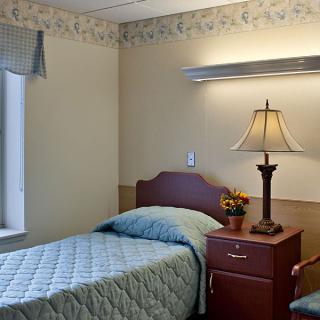
 Fully furnished
 Garden
 Housekeeping services
 Move-in coordination
 Outdoor space
 Telephone
 Wi-Fi/high-speed internet available
 Philadelphia International (11 miles away)
 24-hour supervision
 Activities of daily living assistance
 Assistance with bathing
 Assistance with dressing
 Assistance with transfers
 Diabetes diet
 Meal preparation and service
 Medication management
 Special dietary restrictions
 Transportation arrangement (medical)
 Transportation to doctors appointments



 Choosing the Right Senior Care: A Detailed Exploration of Assisted Living and Nursing Homes
 Understanding the True Cost of Assisted Living in 2025: A Comprehensive Guide
 Understanding Medicaid Coverage for Assisted Living: A Comprehensive Guide