
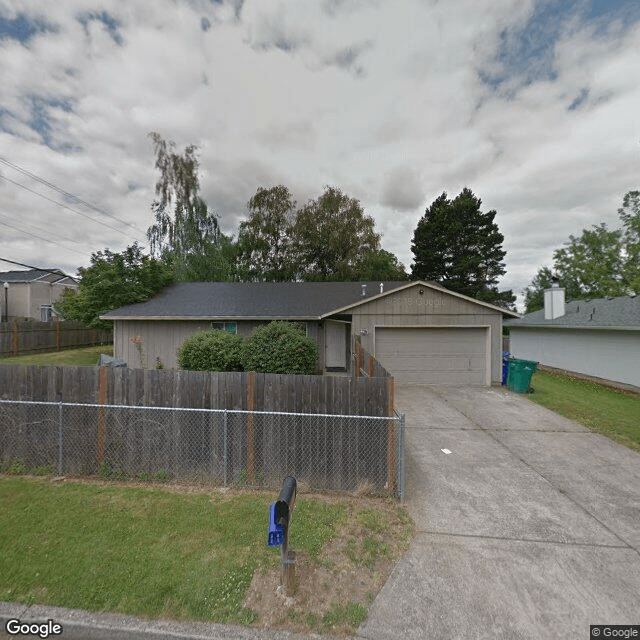
1611 NE 231 Court, Wood Village, OR 97060
To contact a resident: (503) 667-6133
For more information about senior living options: (866) 208-4318
S.C.S Adult Family Home Costs & Pricing
S.C.S Adult Family Home offers competitive pricing for its private room accommodations, charging $1,400 per month. This rate stands in stark contrast to the costs typical for Multnomah County and the broader state of Oregon, where similar private rooms average around $3,227 and $3,424 respectively. The significant difference in pricing reflects S.C.S Adult Family Home's commitment to providing affordable and personalized care options without compromising on quality. This affordability makes it an appealing choice for families seeking a supportive environment for their loved ones while ensuring they receive attentive care tailored to their needs.
| Floor plans | S.C.S Adult Family Home | Multnomah County | Oregon |
|---|---|---|---|
| Private | $1,400 | $3,227 | $3,424 |
Senior living communities with a similar price nearby
-
from +$250 / mo

The Lofts by Cogir
$1,650 to $2,440 / month11.8 miles away -
from -$60 / mo
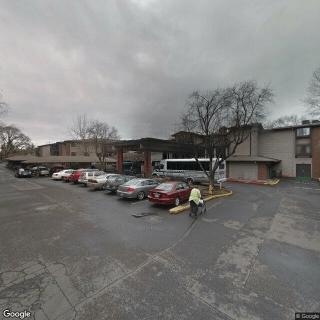
Beaverton Lodge
$1,340 to $1,975 / month19.0 miles away -
About the same

Affinity at Vancouver
$1,430 to $1,905 / month10.4 miles away -
from +$69 / mo

Homewoods On the Willamette
$1,469 to $2,241 / month13.7 miles away -
from +$80 / mo

The Heights at Columbia Knoll
$1,480 to $1,710 / month7.4 miles away
Overall Review of S.C.S Adult Family Home
Pros
 Mom lived at Serenity Care Home for 11 wonderful months, receiving the attentive care she needed.
- The staff at Serenity went above and beyond, engaging Mom in conversations throughout the day.
- The home was always spotless, and visitors felt a sense of comfort and peace.
- Serenity’s team ensured her well-being in every way.
- They personalized her room, even adding a bird feeder outside her window, which brought her joy.
- The owners, Clyde and Priscilla, are warm, thoughtful, and helpful in every way.
- The facility is impeccably clean and well maintained.
- The residents are treated like part of the family.
Cons
 The facility lacked the skills to properly care for the elderly, especially those who are active.
- A relative said the grandmother fell seven times under their watch in one year, with the final fall causing her death.
- There was mold in her straw, according to a relative.
- They eavesdropped on conversations and even demanded the door be left open.
- Some of her belongings were missing, and she was miserable there.
- Residents were rarely seen walking or using the living area, and staff appeared to prefer bedbound patients.
- A staff member reportedly expressed that they should remove her.
- It felt like a giant time-out for adults, with no real activities or engagement.
- The reviewer concluded that the place is not recommended.
- Appearances aside, there were serious concerns about the quality of care.
Review
S.C.S. Adult Family Home in Wood Village is best suited for families seeking an intimate, home-like setting where the resident-to-caregiver bond can be deeply personal. This community tends to work well for older adults who prioritize steady, attentive daily care, individualized attention for dementia-affected residents, and the comfort of a small, family-owned atmosphere. It is especially appealing to families who value warm interactions, consistent staff presence, and the ability to tailor the living space and routine to a resident’s preferences. For someone who wants a quiet, clean environment with predictable, compassionate care in a neighborhood home, this setting checks those boxes.
Those who may want to consider alternatives are families with residents who require more robust clinical oversight, high levels of activity, or aggressive safety supervision. A large memory-care campus with structured programming and 24/7 clinical staff could be preferable for anyone needing intensive medical management, frequent therapy sessions, or highly supervised mobility. Residents who crave a wide array of organized activities, daily outings with a broad peer group, or a facility with on-site medical amenities might find a larger setting better aligned with their goals. In short, this option is strongest where the emphasis is on intimate care and family-like atmosphere rather than large-scale services.
The strongest pro‑points center on the unparalleled intimacy of care and the culture that grows from a small, owner-led operation. Reviews consistently praise the staff for being personally engaged with residents, often treating them like family members. Cleanliness and a peaceful, homelike environment are repeatedly highlighted, as are personalized touches, room customization, thoughtful routines, and flexible visit options. The ability to host visits at any time, and to arrange outings or daily activities that reflect a resident’s likes (for instance, simple outings or pleasant in‑home routines), stands out as a genuine differentiator. This level of warmth and responsiveness can offset the absence of a larger staff structure.
Yet the family-owned, five-bed scale carries caveats that merit careful scrutiny. A subset of reviews raises concerns about consistency, staffing coverage, and safety. Observations from those accounts include worries about falls, signs of possible neglect, and disagreements over how care is delivered. In a tiny home, even a few missteps can disproportionately affect residents, and questions about who is supervising whom on a given shift, how quickly concerns are communicated, and how incidents are tracked become essential to ask about in earnest. The strongest defense is a transparent, well-documented care plan, open family accessibility to caregivers, and a clear policy for risk management and incident reporting.
To navigate these realities, prospective families should approach with a practical checklist. Arrange multiple in‑person visits at different times, including times when routine care occurs, to observe staffing rhythms and resident engagement. Interview owners or primary caregivers about staffing ratios, turnover, and how emergencies are managed after hours. Request a written care plan that documents daily routines, medication administration, mobility support, and triggers for hospital or hospice intervention. Inspect the living spaces for cleanliness and safety features, and confirm how outings are planned and monitored. Finally, speak with families currently or recently caring for residents to gauge consistency of care and the emotional tone of the home.
In the end, S.C.S. Adult Family Home represents a compelling choice for families who prize close, compassionate attention within a pristine, homelike setting, and who can tolerate the inherent constraints of a very small operation. The decisive factor is the alignment between a resident’s needs and the home’s strengths: intimate caregiving relationships, a calm and clean environment, and a high level of personalized responsiveness. If these priorities resonate, this community can deliver a sense of stability and dignity that larger campuses may struggle to replicate. If instead a resident requires broad activity programming, intensive clinical supervision, or a step‑up in safety infrastructure, exploring alternatives with larger teams and formalized processes is prudent. The right fit hinges on ensuring the care model matches the resident’s specific medical needs, activity level, and the family’s capacity to engage with a small, hands-on operator.
 Board and Care Home
 Cats allowed
 Dogs allowed
 Private
 Portland International (9 miles away)





 Is a Geriatric Care Manager the Right Choice for Your Family?
 Compassionate Conversations: How to Comfort Someone Who Is Grieving
 Home Health Care Aides: Understanding Their Role and Supporting Your Family