
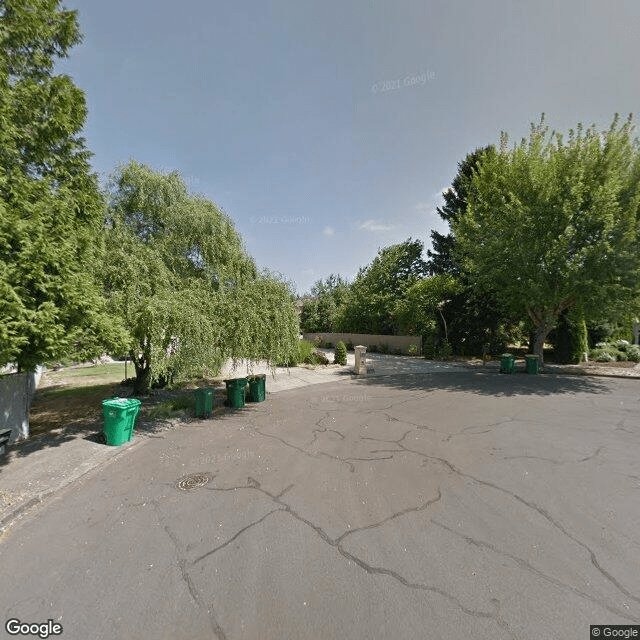
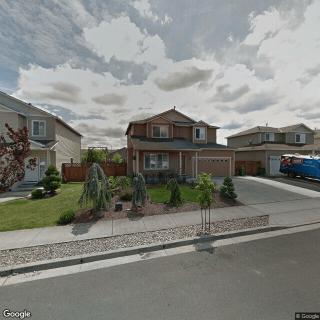
850 NE 236th Pl, Wood Village, OR 97060
To contact a resident: (503) 665-1231
For more information about senior living options: (866) 208-4318
Elizabeth Care Home Costs & Pricing
At Elizabeth Care Home, the monthly costs for accommodation reflect both competitive pricing and quality care. The facility offers private rooms at a rate of $3,500, which is slightly higher than the average cost in Multnomah County ($3,227) but remains below the state average of $3,424. For those considering shared living arrangements, Elizabeth Care Home provides semi-private rooms at the same monthly fee of $3,500. This price point is notably more affordable compared to the county's average of $4,011 and significantly lower than Oregon's overall rate of $4,457. These offerings position Elizabeth Care Home as an appealing option for families seeking a balance between budget and care excellence in a supportive community setting.
| Floor plans | Elizabeth Care Home | Multnomah County | Oregon |
|---|---|---|---|
| Semi-Private | $3,500 | $4,011 | $4,457 |
| Private | $3,500 | $3,227 | $3,424 |
Senior living communities with a similar price nearby
-
from +$300 / mo

The Inn at University Village
$3,800 to $7,500 / month16.9 miles away -
from -$500 / mo
A Piece of Heaven
$3,000 / month11.4 miles away -
from +$500 / mo
Oaktree Adult Care Home
$4,000 / month16.9 miles away -
from -$500 / mo
Yamhill Senior Care Home
$3,000 / month4.2 miles away -
from -$500 / mo
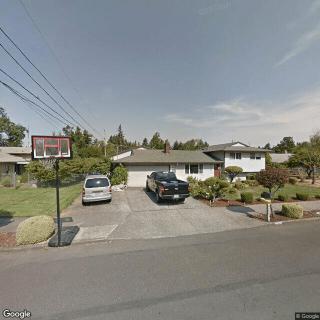
Peaceful Lighthouse Adult Care Home
$3,000 / month1.9 miles away
Overall Review of Elizabeth Care Home
Pros
 Elizabeth's staff provide care with respect, compassion, and love.
- The home is consistently clean and tidy.
- Residents enjoy activities like puzzles, cards, games, and watching sports in a welcoming setting.
- The family behind Elizabeth's is absolutely amazing.
- Elizabeth brings over 30 years of experience and delivers high-quality care.
- The cleanliness and quality of the food are rated 10/10.
- Fully furnished rooms are available, making move-in easier.
Review
Elizabeth Care Home in Wood Village is best suited for seniors who flourish in a true home atmosphere, where personalized attention and close relationships with caregivers define daily life. It excels for residents who benefit from a warm, family-run setting, especially those facing dementia, Parkinson’s, or hospice needs, and who prioritize cleanliness, home-cooked meals, and a social rhythm that feels like family life. The environment revolves around familiar routines, shared meals, and engaging activities, puzzles, card games, and watching sports together, delivered with genuine respect and compassion. For families seeking relief from impersonal institutional care while emphasizing dignity, continuity, and a sense of belonging, Elizabeth Care Home stands out as a practical, trusted option.
Alternatives exist for families prioritizing scale and formal medical oversight. A larger campus with comprehensive on-site medical teams and regimented programming may be preferable when round-the-clock clinical monitoring, hospital-grade resources, or highly structured schedules are non-negotiable. For residents who require intensive therapies, frequent physician visits, or dedicated memory-care units with expansive on-site staffing, a traditional, larger facility could better meet those needs. The trade-off is clear: Elizabeth Care Home trades breadth of services and formal infrastructure for a warmer, more adaptable, intimate setting, one that many families find far more comfortable and life-enhancing despite fewer bells and whistles.
The core strengths are precisely what drive satisfaction: authentic compassion backed by decades of hands-on experience. Elizabeth and the on-site team operate a clean, orderly home where care is delivered with consistent dignity and steadiness. The cleanliness is evident, and meals, crafted from scratch, are repeatedly praised for flavor and quality. Social life is integrated rather than optional, with resident-led activities and informal gatherings that foster belonging. Fully furnished rooms ease the move and reduce friction, while staff willingness to tailor spaces and routines to individual preferences reinforces stability. In this light, concerns about operating on a smaller footprint diminish as residents appear well cared for and genuinely content.
Prospective families should verify several practical details to ensure a solid fit. Inquire about staffing ratios and how care levels are managed as needs evolve, especially for dementia or Parkinson’s progression. Ask how safety protocols are implemented and how hospice or palliative care coordination works if needed. Review the menu philosophy, flexibility around dietary restrictions, and whether meals can accommodate special requests. Explore room options, including furnished configurations, and understand policies for increasing assistance or adjusting care intensity. Finally, arrange an in-person tour to observe daily life, meet caregivers, and sample the atmosphere before making a commitment.
The value proposition is tangible and resonates in everyday life. The intimate team dynamic translates into responsive, attentive care and routines that feel home-centered rather than institutional. The culture, cleanliness, high-quality food, and a sense of family, softens the absence of a large clinical footprint, and it often translates into lower stress and higher daily satisfaction for both residents and their families. When these elements align with the resident’s medical needs, the decision to stay in this setting becomes less about compromise and more about embracing a calmer, more humane elder-care experience.
For decision-makers weighing options, Elizabeth Care Home represents a compelling choice for those who prize warmth, stability, and personalized attention for complex needs. It suits families seeking a genuinely home-like environment, predictable routines, and meaningful daily engagement. Those prioritizing extensive on-site medical programming or a formal dementia unit should actively explore alternatives. A visit is essential: observe interactions, sample the meals, and review care-planning processes to ensure alignment with expectations. Vacancies can appear quickly in this model, so scheduling a tour promptly helps determine fit before a transition becomes urgent.
 Board and Care Home
 Activities off-site
 Beautician on-site
 Devotional services off-site
 Indoor common areas
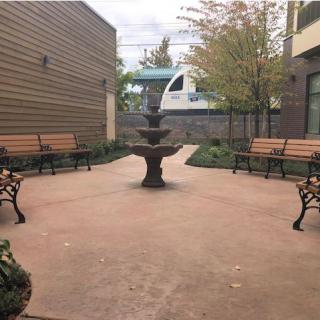
 Outdoor common areas
 Private
 Private bathrooms
 Wheelchair accessible showers
 Portland International (10 miles away)
 Ambulatory care
 Diabetic care
 High acuity care
 Incontinence care
 Meals provided
 Christian services

 Comprehensive Look at Senior Blood Pressure Charts: Normal and Elevated Levels by Age
 Top Canine Companions for Older Adults
 Comprehensive Guide to Blood Pressure Charts for Older Adults: Understanding Normal and High Readings by Age