For more information about senior living options: (866) 208-4318
4.1 from 43 reviews
5 stars
29
4 stars
5
3 stars
0
2 stars
1
1 stars
8
Bayberry Commons Assisted Living Memory Care Costs & Pricing
Bayberry Commons Assisted Living Memory Care offers a range of accommodation options with pricing that reflects its commitment to providing specialized care. The cost for a studio apartment is $4,795 per month, which is notably higher than the average in Lane County at $3,877 and the state average of $3,815. For those seeking more space, the one-bedroom option is priced at $5,295, again surpassing both local and state averages of $4,179 and $3,904 respectively. The two-bedroom suites are available for $5,995 monthly, which remains above Lane County's average of $4,934 and Oregon's statewide average of $4,436. While Bayberry Commons may fall on the higher end of pricing compared to its region and state peers, this cost reflects the quality of care and personalized services residents can expect in a supportive memory care environment.
Floor plans
Bayberry Commons Assisted Living Memory Care
Lane County
Oregon
Studio
$4,795
$3,877
$3,815
1 Bedroom
$5,295
$4,179
$3,904
2 Bedrooms
$5,995
$4,934
$4,436
Memory care communities with a similar price nearby
Overall Review of Bayberry Commons Assisted Living Memory Care
common4 reviews mention this
Memory care feels person-centered
Memory care residents and families describe compassionate, knowledgeable support in day-to-day life.
Multiple residents and families describe strong dementia support, including staff who stay compassionate during difficult moments. Reviews also highlight memory care spaces and routines that feel secure and individualized, and at least one person points to smaller, calmer settings. Several comments attribute better outcomes or comfort to how staff handle memory-related behavior and care needs.
caveat3 reviews mention this
Dining is inconsistent for visitors
Food quality and service timing don’t earn consistent praise across reviews.
Some reviewers call out good meals when they visit, while others describe food as only okay or something a loved one complains about regularly. One review also mentions room service timing—drinks not arriving right away and meals taking longer than expected after seating. Overall, dining is more mixed than universally strong in resident and family feedback.
caveat3 reviews mention this
Costs and care billing need clarity
Pricing feels fair to some, but cost details come up as a drawback for others.
A reviewer mentions a co-pay that took longer than expected, which affected their impression of value. Another comment says costs feel equitable but also describes a mismatch between how their loved one managed diabetes and what the facility would accommodate. A separate review praises transparency around what’s charged for the level of care received, suggesting billing communication can vary by family experience.
caveat3 reviews mention this
Communication lapses and limits
Some families report breakdowns in communication and limits that affected care needs.
At least a few reviews criticize management for how updates were handled during urgent situations. One family reports difficulty getting communication about a hospice transition and a specific equipment request, and another is upset about not being informed promptly after a resident passed. There are also negative management mentions that point to broader concerns about how issues are handled.
How we summarize
Counts show how many written reviews mention each theme; a review can touch several themes, and only frequently mentioned themes are displayed.
Features
Types of Care
Assisted Living
Memory Care
Pets
Cats allowed
Dogs allowed
Amenities
Activities off-site
Activities on-site
Air-conditioning
Bath tubs
Beautician on-site
Devotional services off-site
Ground floor units
Handicap accessible
Indoor common areas
Kitchenette
Outdoor common areas
Private bathrooms
Respite or short term stays offered
Wheelchair accessible showers
Transportation
Mahlon Sweet (10 miles away)
Care Services
Ambulatory care
Diabetic care
High acuity care
Incontinence care
Medication management
Dining
Gluten-free
Low / no sodium
Meals provided
No Sugar
Organic
Professional chef
Restaurant style dining
Room service
Special dining programs
Vegan
Vegetarian
Activities
Activities off-site
Activities on-site
Art classes
BBQs or picnics
Birthday parties
Catholic services
Cooking classes
Day trips and outings
Devotional activities offsite
Gardening club
Holiday parties
Live musical performances
Stretching classes
Nearby Places of Interest
This area of Springfield, Oregon offers easy access to a variety of medical services, including physicians specializing in various fields and hospitals with pediatric units and advanced cardiac care. There are several pharmacies nearby for convenient medication management. For leisure activities, there are cafes offering a range of coffee options, theaters for entertainment, and a selection of restaurants catering to different tastes. Outdoor enthusiasts can enjoy nearby parks for leisurely walks or visits with furry companions at the dog park. Transportation options are also easily accessible, with an Amtrak station just a short distance away. Overall, this area provides a mix of healthcare services, dining options, recreational facilities, and convenient transportation for seniors looking to settle in Springfield.
Physicians
Timber Valley Medical Clinic (0.1 miles)
Radiology Associates (0.2 miles)
Minimally Invasive Specialists & Vein Center (0.2 miles)
Willamette Dental Group - Springfield Specialty (0.3 miles)
Oregon Urology Institute (0.6 miles)
Cascade Endoscopy Center (0.7 miles)
Sacred Heart Emergency Department (0.9 miles)
Pharmacies
Fred Meyer Pharmacy (0.7 miles)
Target Pharmacy (0.8 miles)
Rite Aid (2.1 miles)
Safeway Pharmacy (2.1 miles)
Sav-On Pharmacy (2.2 miles)
Albertsons Pharmacy (2.2 miles)
Cannabis (2.3 miles)
Cafes
Panera Bread (0.8 miles)
Starbucks (1.1 miles)
Pump Cafe (1.7 miles)
Dutch Bros Coffee (2.3 miles)
Starbucks (2.4 miles)
Tailored Coffee Roasters (3.1 miles)
Dutch Bros Coffee (3.2 miles)
Hospitals
Riverbend Hospital Pediatric Unit (0.8 miles)
PeaceHealth Sacred Heart Medical Center at Riverbend (0.9 miles)
Oregon Heart & Vascular Institute (0.9 miles)
Sacred Heart Medical Center - Children's Miracle Network (1.2 miles)
McKenzie-Willamette Medical Center (1.7 miles)
White, Kery - Nova Health Urgent Care Coburg (2.1 miles)
Bayberry Commons Assisted Living Memory Care offers a range of accommodation options with pricing that reflects its commitment to providing specialized care. The cost for a studio apartment is $4,795 per month, which is notably higher than the average in Lane County at $3,877 and the state average of $3,815. For those seeking more space, the one-bedroom option is priced at $5,295, again surpassing both local and state averages of $4,179 and $3,904 respectively. The two-bedroom suites are available for $5,995 monthly, which remains above Lane County's average of $4,934 and Oregon's statewide average of $4,436. While Bayberry Commons may fall on the higher end of pricing compared to its region and state peers, this cost reflects the quality of care and personalized services residents can expect in a supportive memory care environment.
Medication management ensures that residents receive the appropriate medications at the correct times, which is crucial for maintaining cognitive function and overall health in individuals with dementia or Alzheimer's disease. This structured approach minimizes the risk of missed doses or potential medication interactions, providing peace of mind for both residents and their families. Incontinence care is another vital feature, as it addresses a common challenge faced by those with memory impairments. By offering compassionate assistance in this area, Bayberry Commons helps maintain dignity and comfort for residents, allowing them to focus on engaging in daily activities without added stress or discomfort. Together, these services create a supportive environment tailored to meet the unique needs of individuals experiencing cognitive decline.
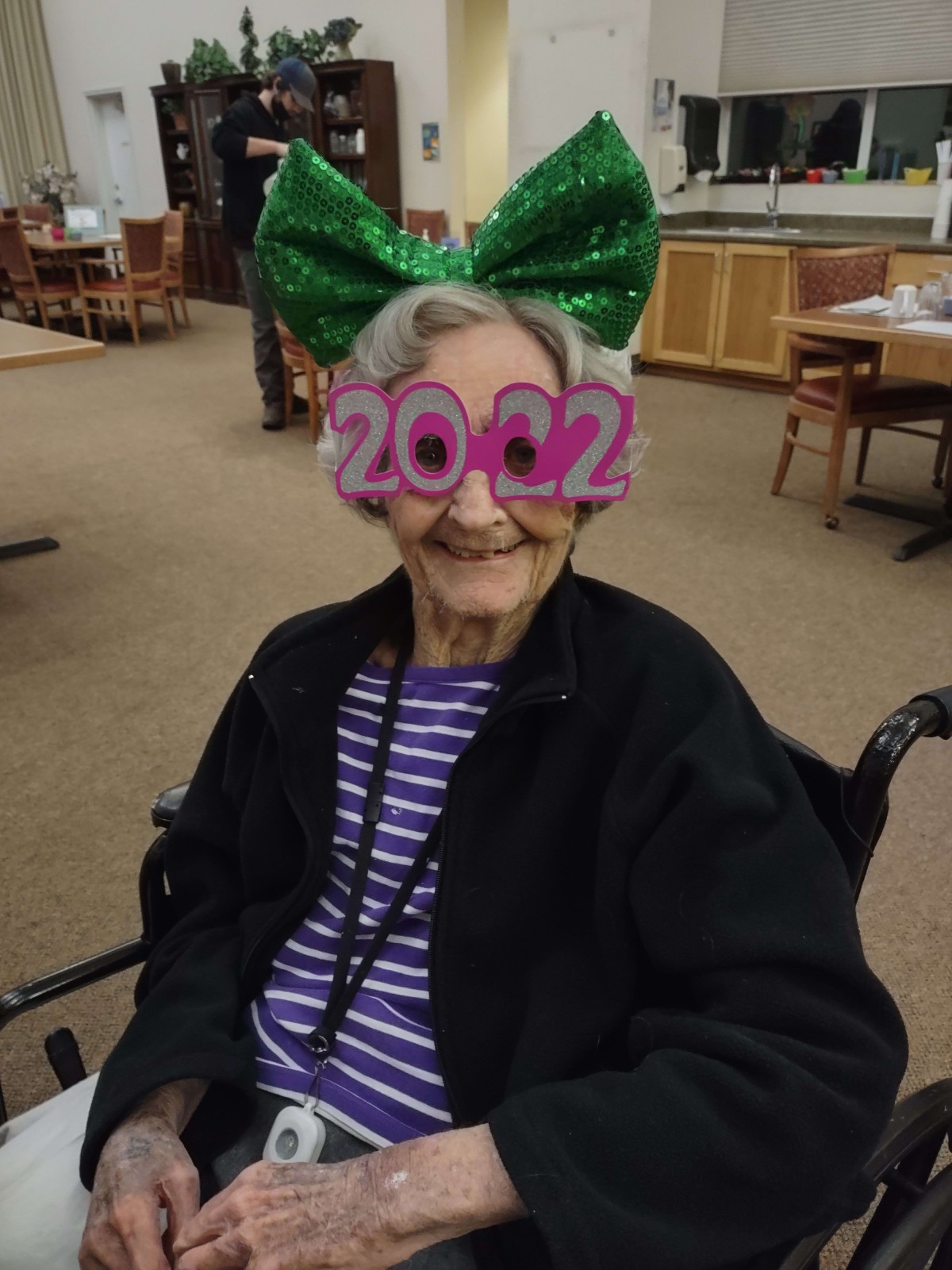
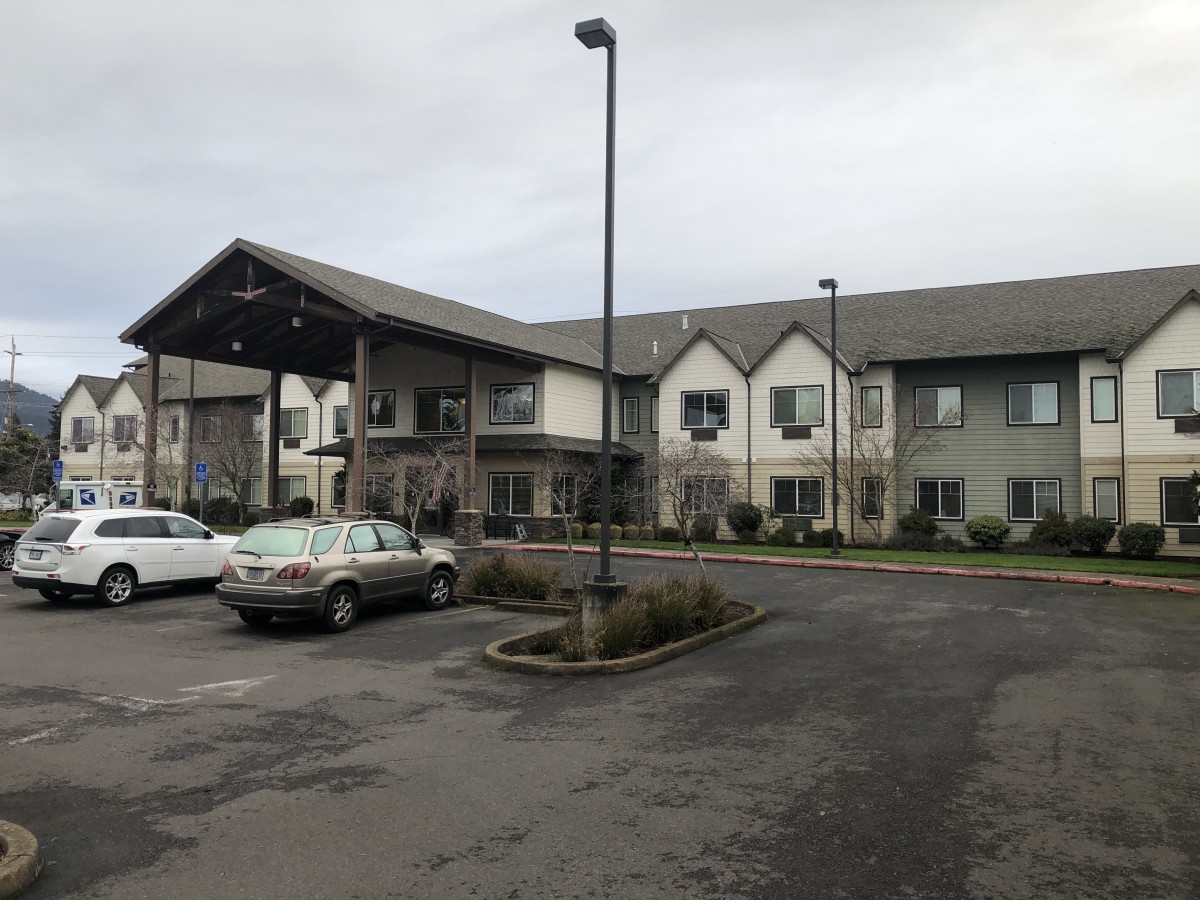
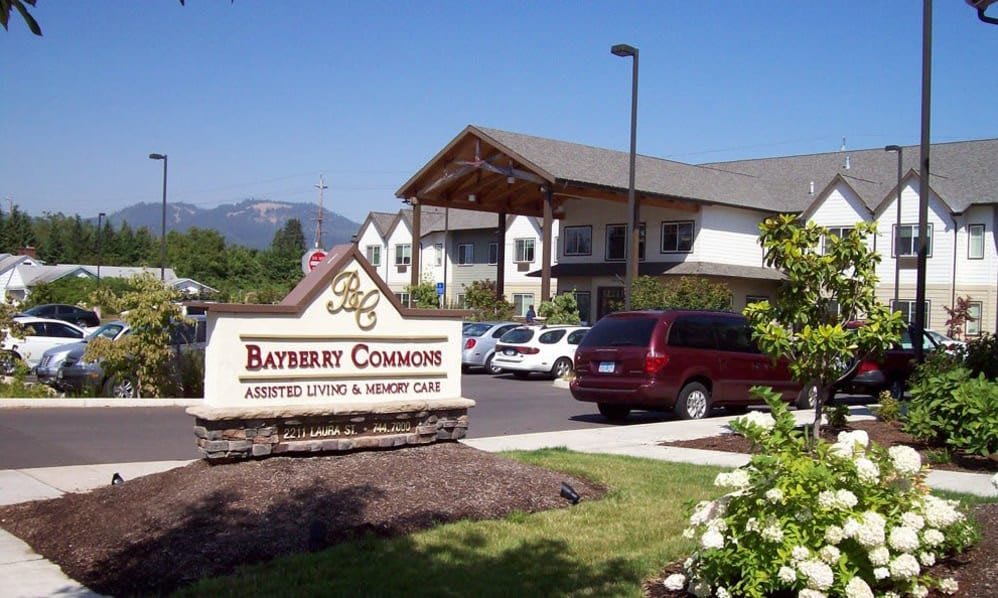
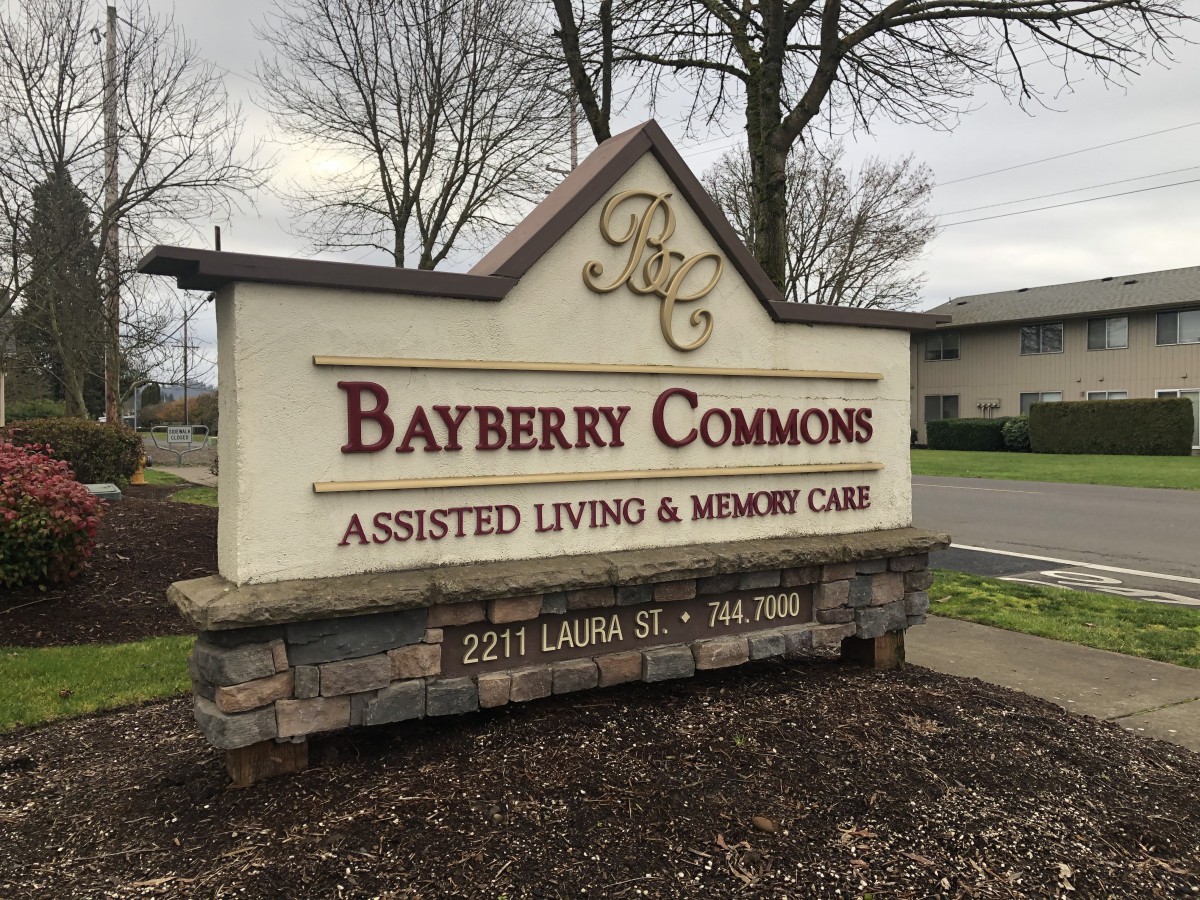
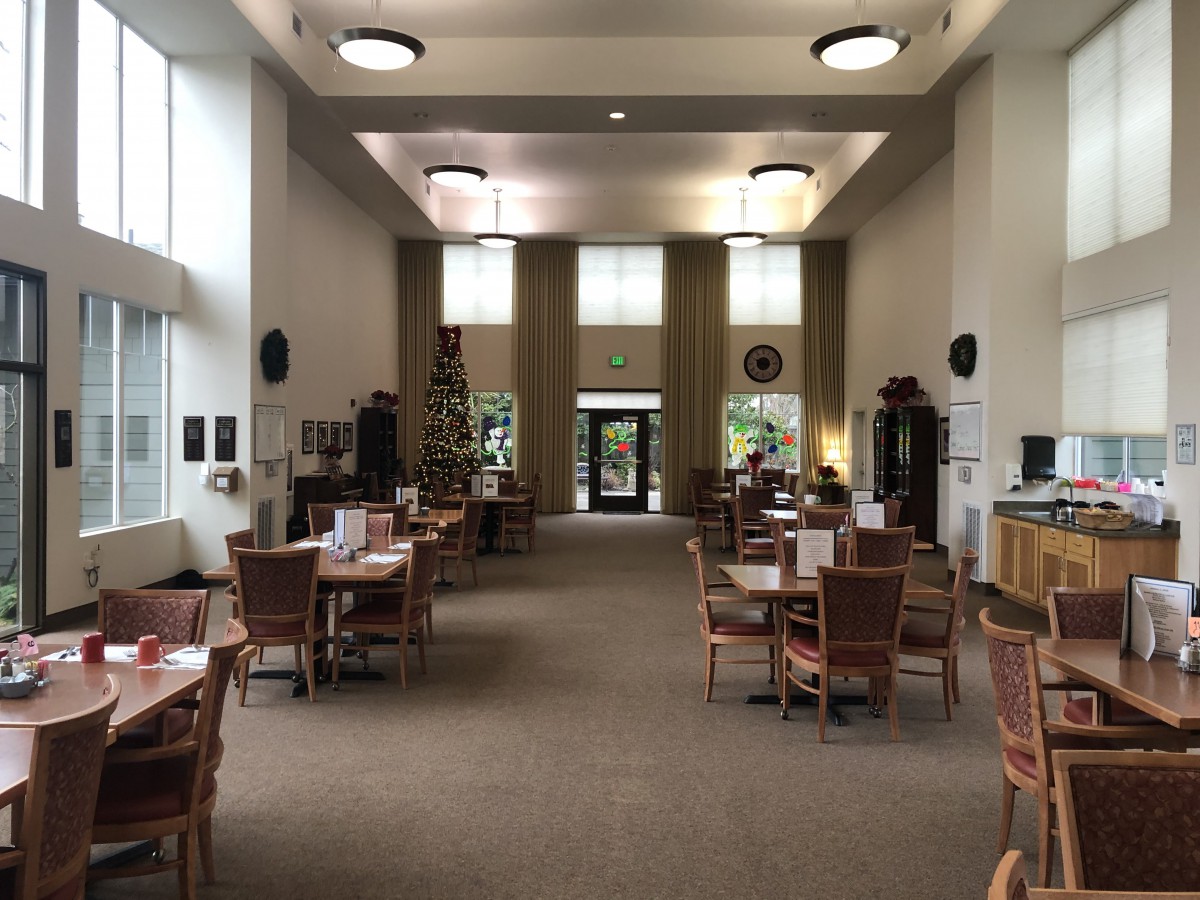
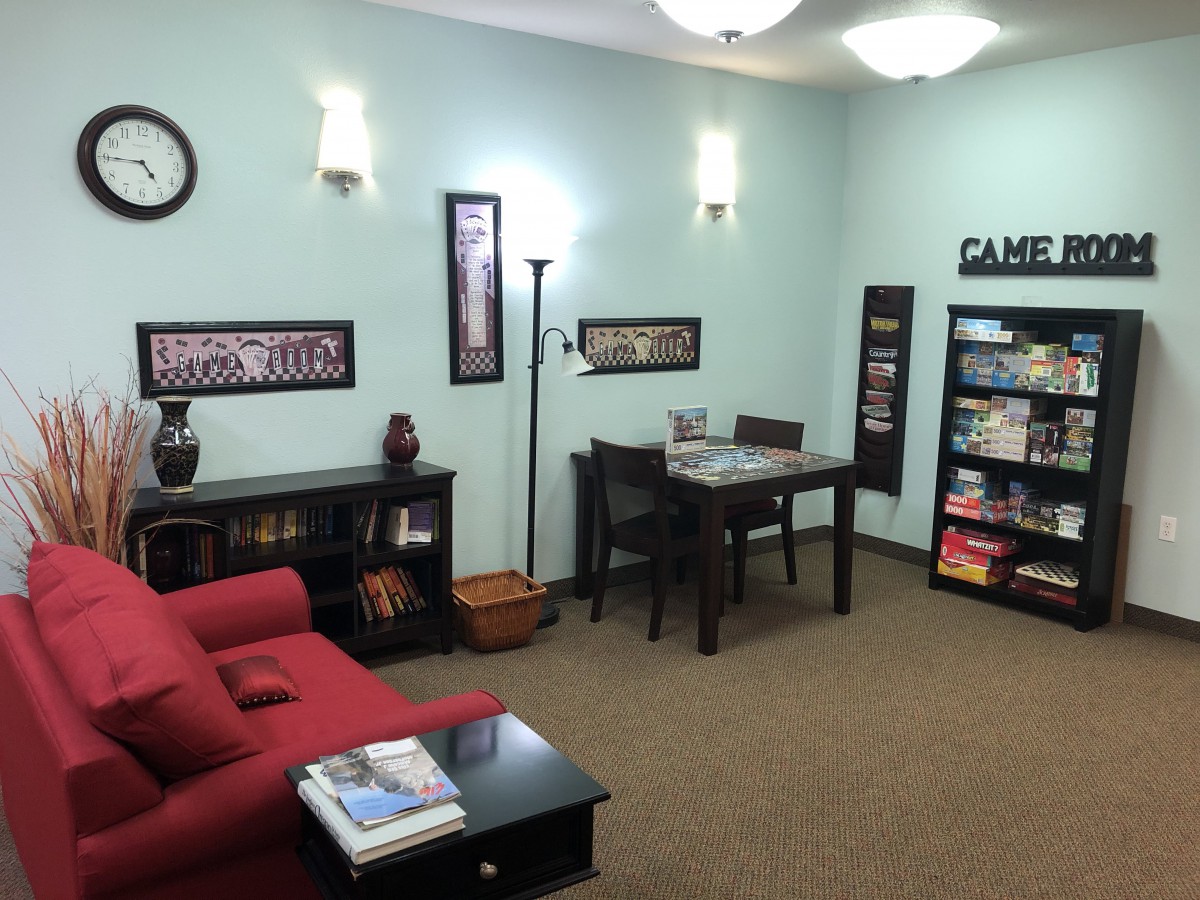
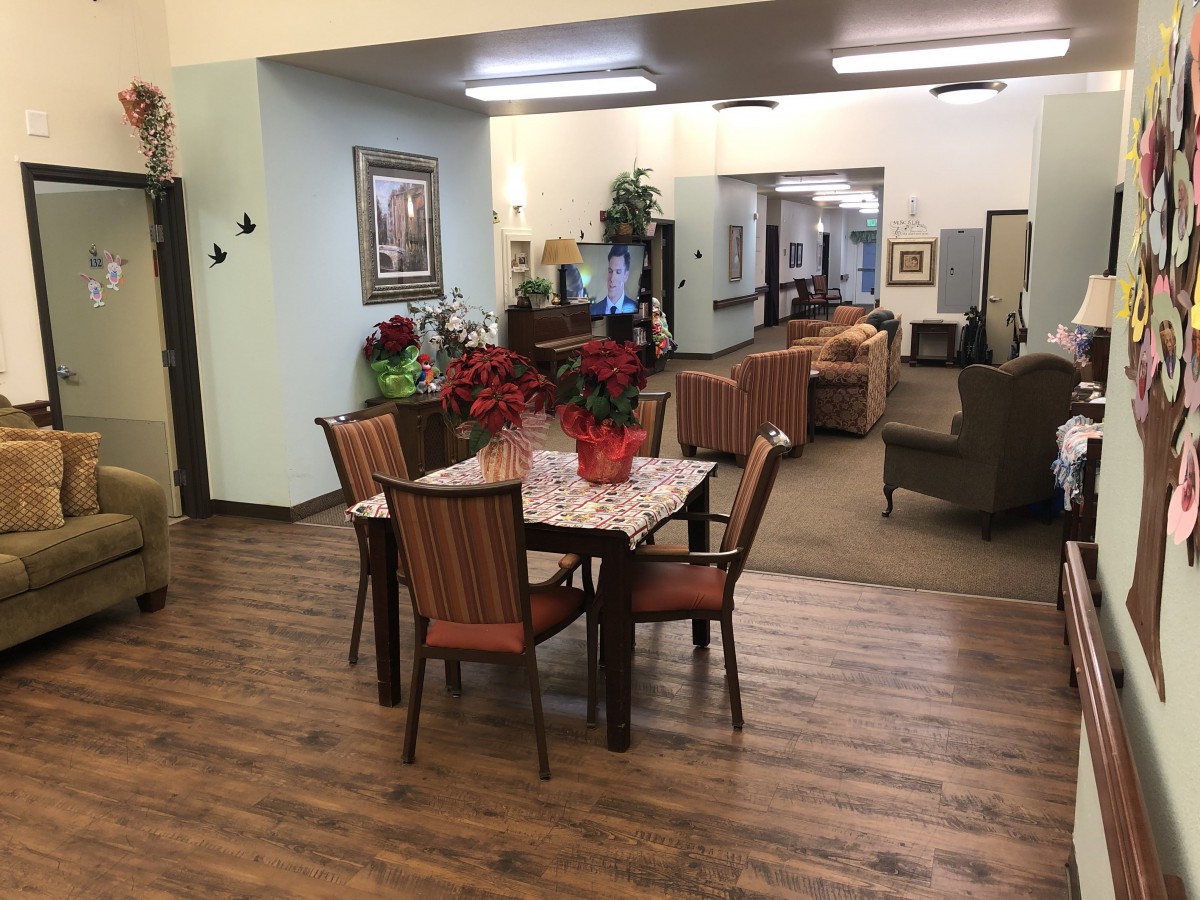
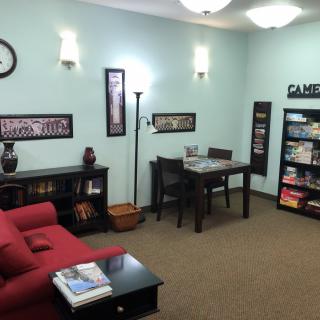
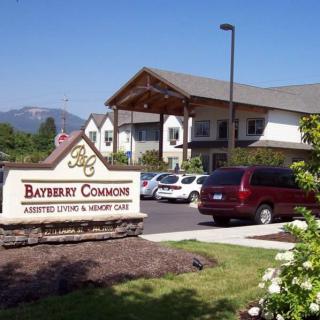
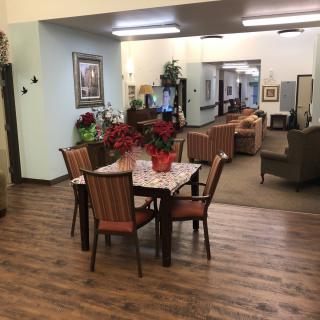
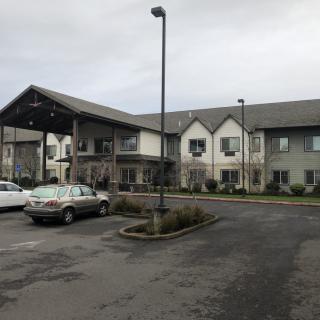
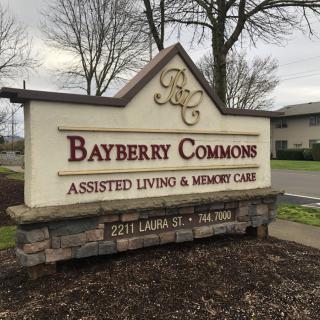
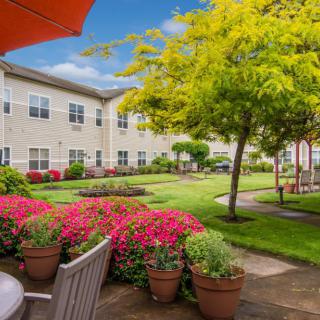
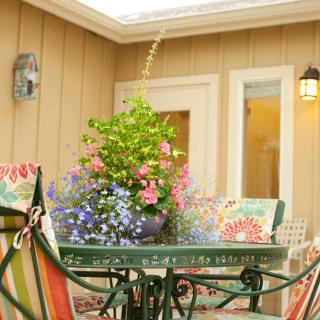
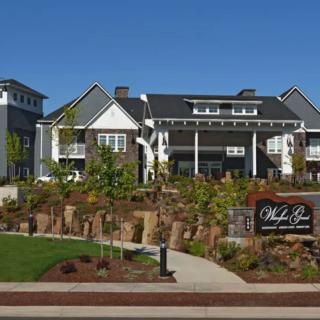
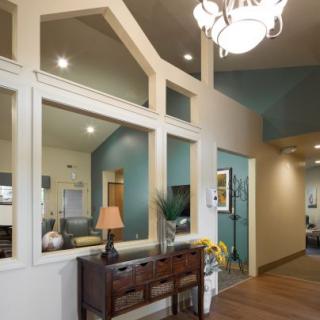
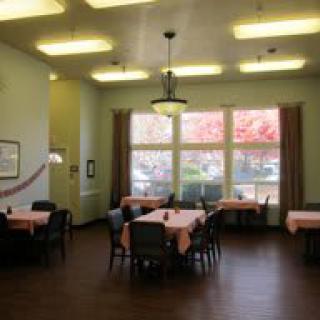
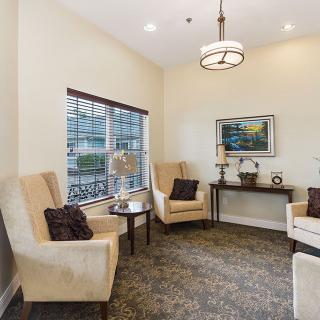
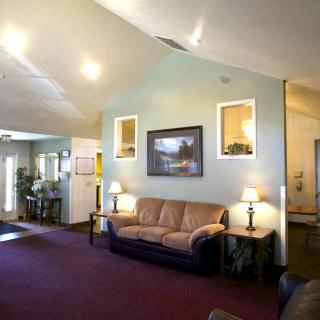
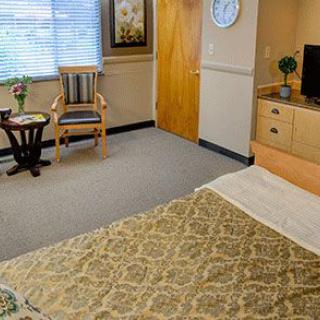
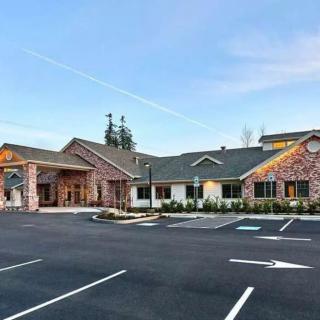
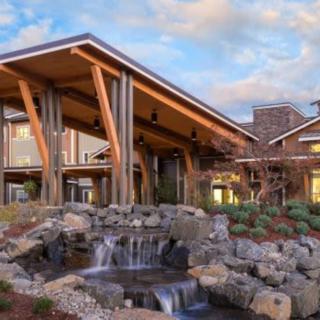
Bayberry Commons Assisted Living Memory Care on seniors.fyi includes 9 photos including images showing interior, decor, building, parking, library, bookshelves, windows, lighting, and more.
Dementia encompasses a range of cognitive impairments characterized by types such as Alzheimer's and vascular dementia, and follows a seven-stage progression model known as the Global Deterioration Scale (GDS), highlighting varying symptoms and decline timelines. Early detection allows for lifestyle adjustments to potentially slow progression, while caregivers need support and resources to manage the challenges involved in caring for affected individuals.
The guide on holistic dementia care outlines the complexity of dementia and stresses the need for individualized caregiver strategies that include medical treatment, psychological support, and environmental adaptations, while emphasizing early detection, various therapeutic options, and caregiver support to enhance quality of life and maintain dignity.
"Memory Care Pathways: A Holistic Guide to Dementia Support" outlines the complexities of dementia and its various types, emphasizing early detection, patient-centered care strategies, caregiver support, and long-term care options while addressing legal and financial considerations to enhance the quality of life for individuals with dementia and their families.
Bayberry Commons Assisted Living Memory Care photos
×
Interior
Decor
Building
Dining
Exterior
Tree
Building Exterior
Wheelchair
Interior
Decor
Dining, Lounge, and Wooden Flooring
Landscaping
Windows, Lighting, Bookshelves, Library, and Reading Area
Building and Parking
Exterior
Tree
Wheelchair
Building Exterior
Lounge Area
Get PricingAsk A QuestionSchedule A TourContact Senior Advisor
By clicking submit, you agree to our Partner's Terms of Use. You
also consent to receive calls and texts, which may be autodialed, from our Partner. Your consent is not a condition to
using our Partner's service. Please visit our Partner's Privacy Policy for information about their privacy practices.



 Assisted Living
 Memory Care
 Cats allowed
 Dogs allowed
 Activities off-site
 Air-conditioning
 Bath tubs
 Beautician on-site
 Devotional services off-site
 Ground floor units
 Handicap accessible
 Indoor common areas
 Kitchenette
 Outdoor common areas
 Private bathrooms
 Respite or short term stays offered
 Wheelchair accessible showers
 Mahlon Sweet (10 miles away)
 Ambulatory care
 Diabetic care
 High acuity care
 Incontinence care
 Medication management
 Gluten-free
 Art classes
 BBQs or picnics
 Birthday parties
 Catholic services
 Cooking classes
 Day trips and outings
 Gardening club
 Live musical performances
 Stretching classes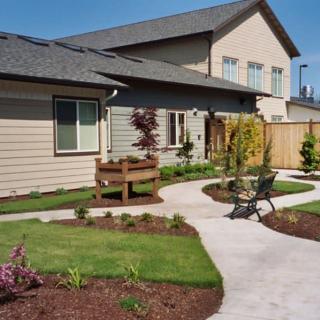
 Friendly, attentive staff; clean, comfortable, homey accommodations.
 Understanding Dementia Through Its Seven Stages: A Comprehensive Look at Progression and Expectations
 A Holistic Dementia Care Guide: Effective Strategies for Memory Support
 Memory Care Pathways: A Holistic Guide to Dementia Support