

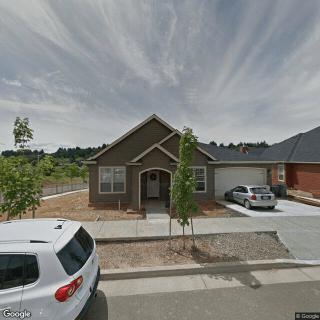
113 Muirfield Ct. SE, Salem, OR 97306
To contact a resident: (503) 363-4834
For more information about senior living options: (866) 208-4318
Willows Adult Foster Care Costs & Pricing
At Willows Adult Foster Care, the monthly cost for a private room is set at $3,000, which presents a competitive option compared to the average costs in Marion County and across the state of Oregon. In Marion County, the average monthly cost for similar accommodations is approximately $3,564, while the state average stands at about $3,424. This pricing structure not only highlights Willows Adult Foster Care's commitment to affordability but also underscores its value in providing quality care within a supportive environment. By keeping costs below both county and state averages, Willows Adult Foster Care makes a concerted effort to ensure that more individuals can access essential services without compromising on their wellbeing.
| Floor plans | Willows Adult Foster Care | Marion County | Oregon |
|---|---|---|---|
| Private | $3,000 | $3,564 | $3,424 |
Senior living communities with a similar price nearby
-
from +$500 / mo
Avery Rose
$3,500 / month20.7 miles away -
from +$496 / mo
Davenport Place
$3,496 to $3,983 / month17.3 miles away -
from -$115 / mo

The Springs at Sunnyview
$2,885 to $3,640 / month7.5 miles away -
from +$300 / mo

Harmony House of Salem
$3,300 to $3,550 / month8.4 miles away -
About the same

The Oaks at Lebanon
$3,040 to $4,345 / month23.8 miles away
Overall Review of Willows Adult Foster Care
Pros
 Liliya and the caregivers provide loving and attentive care from the first visit.
- Golden Nest is highly recommended by families.
- The staff rose to the challenge and delivered compassionate, high-quality care.
- Lilliya and Andre are knowledgeable about foster care, and their staff are caring and supportive.
- Liliya is an expert at utilizing hospice care to secure the needed support.
- Families feel safe and reassured knowing their loved ones are well cared for.
- The owner and staff are knowledgeable, caring, and respectful toward residents.
- The team is amazing and consistently goes out of their way to help residents.
- Golden Nest AFH provides a warm, loving environment with attentive care.
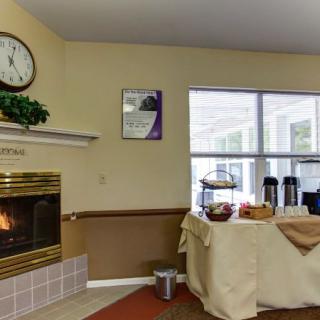
- The environment is clean and comfortable, with good food and pleasant surroundings.
- Families feel included as part of the care team, with updates and open communication.
- Golden Nest has shown thoughtful handling of transitions and emergencies, ensuring residents' safety.
Review
This Salem-based adult foster care is best suited for seniors who need intensive, compassionate caregiving in a warm, home-like setting, with a strong emphasis on hospice- or palliative-style support and ongoing family involvement. The community shines when a loved one benefits from individualized attention, clean and comfortable surroundings, and meals that feel home-cooked and thoughtfully prepared. Families report that the caregivers know each resident’s needs, coordinate smoothly with hospice teams, and treat residents like members of the family. For someone moving from hospital or long-term care with complex care requirements, this setting often delivers the reassurance and steady, affectionate hands-on care that are hard to match in larger facilities.
Those who should consider alternatives are families seeking robust medical oversight that sits outside the scope of a small, intimate home, or residents who need more structured programming, specialized memory-care features, or a wider array of on-site activities. A larger assisted living or nursing facility can offer more extensive clinical teams, formal rehab options, and diverse social programming. Similarly, families prioritizing highly regimented schedules, formal amenities, or campuses with lots of across-the-board programming may find a bigger operation a better fit. For someone who values a more clinical, institution-like environment, this AFH may feel undersized or limited.
The strongest positives, the staff’s unwavering compassion, hospice-savvy approach, and family-centered communication, consistently offset the potential drawbacks of a smaller setting. The care team’s expertise in coordinating hospice services helps families navigate difficult transitions with confidence. The personal attention translates into timely responses to health changes, careful attention to special dietary needs, and proactive planning for end-of-life needs. The home atmosphere also contributes to lower stress for both residents and families: meals, daily routines, and social interactions feel tailored rather than generic, and families are kept in the loop with updates and visits that feel genuinely collaborative.
Concrete examples from the reviews reinforce how these advantages play out in daily life. Residents benefit from a clean, comfortable environment with a welcoming backyard and a sense of normalcy, features that make staying at home easier during vulnerable periods. When emergencies occur, the staff’s quick, practical actions are evident: during a power outage, residents were transported to a home with power, demonstrating practical continuity of care. Families frequently cite the staff’s responsiveness during visits, the warmth of interactions, and the staff’s ability to recognize subtle shifts in health or mood, elements that translate into meaningful peace of mind for those who must trust someone with their loved one’s daily well-being.
Cost/value considerations are not spelled out in the reviews, but the perceived value rests on outcomes: substantial emotional reassurance for families, consistently safe and comfortable living, and care that feels intimate and dependable. The trade-off for this value is a smaller setting with fewer formal medical resources than a large facility. For residents who thrive on strong personal connections, predictable routines, and constant caregiver availability, that trade-off is a clear win. For those who equate value with breadth of on-site services and an expansive calendar of institutional programming, the gaps may be more pronounced.
Practical next steps for families are to arrange a visit with a clear checklist: confirm the caregiver-to-resident dynamic and how staff respond to health changes, ask how hospice and palliative needs are integrated into daily routines, request examples of meals and activity options, and explore contingency plans for emergencies or vacations. Inquire about how often family updates happen, how families participate in care planning, and what the daily rhythm looks like for a resident at various stages. If these align with what matters most, trust, accessibility, and a home-like sense of security, this setting stands out as a leading choice. If they do not, it is prudent to widen the search to facilities with broader medical resources or more expansive programming.
 Board and Care Home
 Activities on-site
 Bath tubs
 Indoor common areas
 Outdoor common areas
 Private
 Respite or short term stays offered
 Ambulatory care
 Diabetic care
 High acuity care
 Incontinence care
 Medication management
 Meals provided








 Understanding Hospice Care at Home: Comprehensive Services, Key Benefits, and Eligibility
 Understanding the Full Cost of 24/7 In-Home Care: A Detailed Overview
 Exploring the World of Home Health Nurses: Qualifications, Roles, and Hiring Tips