
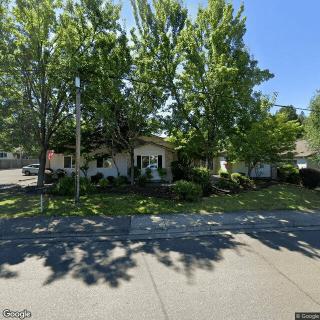
427 SE Ramp St., Roseburg, OR 97470
For more information about senior living options: (866) 208-4318
Overall Review of Ramp
Pros
 The staff at Ashley Manor are amazing and kind-hearted.
- They are there for residents and treat them like family.
- The staff are caring and nice.
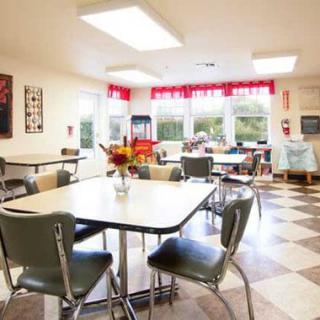
- The home is clean and has a welcoming, homey atmosphere.
Cons
 It is not a good place.
Review
Ramp in Roseburg, Oregon is best suited for seniors who want a small, intimate atmosphere where staff members are regularly described as kind, caring, and almost like family. The environment tends to feel clean and homey, with residents benefiting from staff who appear genuinely invested in daily well-being and social warmth. This facility is a practical choice for individuals who do not require intense clinical oversight on a day-to-day basis and who value meaningful interpersonal connections with caregivers as a core part of daily life.
Those who should seriously consider alternatives are likely families managing higher levels of care needs or memory support, or anyone seeking consistently uniform performance across shifts. With a rating of 3.3 from seven reviews and a split between high praise and clear negative feedback, there is a real sense of variability. For residents who require steady, predictable care planning, strict safety protocols, or a more structured activity calendar, Ramp may fall short. Prospects who crave consistently robust clinical management should compare options that emphasize dementia care programs, infusion and med-management support, and tightly coordinated staffing.
The strongest pros, staff who are described as amazing, kind-hearted, and dedicated to residents, offer a meaningful daily lifeline. When caregivers treat residents like family, loneliness and isolation can feel markedly reduced, and the home-like atmosphere reinforces a sense of belonging. Cleanliness and a welcoming, comfortable environment further support daily quality of life. These positives can offset some concerns for residents who prioritize human connection and a warm, non-institutional vibe over formalized programming. In practical terms, the relational strengths of the staff mean better day-to-day mood, more responsive trouble-shooting, and a ready ear for concerns that might otherwise escalate in less personal settings.
However, the downsides suggested by the mixed reviews cannot be ignored. The presence of not-one-but-many negative signals, including statements like “Not a good place,” points to inconsistencies in experience that can be significant for families planning long-term care. A 3.3 overall rating, with several strongly negative outliers alongside positive experiences, implies that care quality and satisfaction may vary by shift, staff turnover, or specific unit dynamics. The risk is that some residents feel adequately cared for while others perceive gaps in attention, treatment consistency, or timely response. For families weighing this option, the variability is not a minor annoyance but a potential deal-breaker depending on personal tolerance for uneven service.
To navigate these realities, prospective evaluators should take a disciplined approach. Schedule multi-point visits at different times of day, including after meals and during activity periods, to observe actual routines and interactions. Speak with multiple staff members, front-desk personnel, and the administrator to gauge consistency and transparency in communication. Request current care plans and daily schedules, ask about staff-to-resident ratios, and probe how emergencies or urgent needs are handled. See the dining environment, review safety features, and, if memory care is relevant, ask specifically about specialized programming. If possible, talk with current residents or families about how well issues are escalated and resolved.
In the end, Ramp Roseburg offers a compelling value proposition for families prioritizing warmth, personal attention, and a home-like feel. It is a credible choice for residents who thrive on close caregiver interactions and a clean, congenial living space. The decision hinges on risk tolerance for inconsistency and the level of clinical oversight desired. For those whose priorities include a consistently high standard of medical and memory-care support, or for families needing predictable day-to-day operations, exploring other communities with stronger track records in standardized care is prudent. For the right family, Ramp can be a sanctuary where staff fidelity and a welcoming atmosphere compensate for the absence of rigid structure.
 Assisted Living
 Cable or satellite TV
 Dining room
 Fully furnished
 Garden
 Housekeeping services
 Move-in coordination
 Outdoor space
 Telephone
 Wi-Fi/high-speed internet available
 24-hour supervision
 Activities of daily living assistance
 Assistance with bathing
 Assistance with dressing
 Assistance with transfers
 Diabetes diet
 Meal preparation and service
 Medication management
 Special dietary restrictions
 Transportation arrangement (medical)
 Transportation to doctors appointments




 Comprehensive Supportive Living Arrangements for Adults with Disabilities
 Funding and Affording Assisted Living: A Thorough Overview
 Assisted Living Expenses and Long-Term Care Insurance: A Comprehensive Exploration